
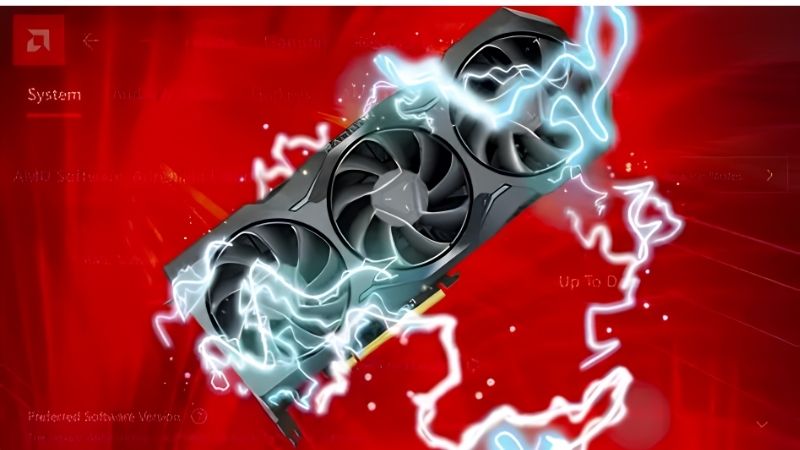
GPU high idle power draw catches a lot of owners by surprise: you are doing nothing more demanding than browsing or watching a video, yet your card sits at elevated clocks, runs warm, and quietly burns extra watts. It seems wrong for a card to work this hard at rest, and over time it quietly adds heat, fan noise, and real electricity cost to your setup. The reassuring news, echoed across countless user reports, is that high idle draw is almost always a settings or configuration quirk rather than a faulty card, and most cases are fixable for free. This review-style guide separates the harmless quirks from the genuine concerns and ranks the real causes alongside the fixes users rate highest.
What Causes GPU High Idle Power Draw
Elevated idle draw almost always traces to one of three things: a multi-monitor or high refresh setup, background hardware acceleration in browsers and apps, or a driver power state quirk. Each one keeps the card from dropping into its lowest, most efficient idle state, and identifying which applies points straight to a free fix rather than an unnecessary hardware change.
As an Amazon Associate we earn from qualifying purchases at no extra cost to you.



Multi-Monitor and High Refresh Setups
The most common cause by a wide margin is a multi-monitor or high refresh rate setup. To keep multiple displays, or a single high refresh panel, stable, the card often refuses to drop into its lowest idle clock state, running hotter and drawing more power at the desktop.
This is especially pronounced when two monitors run at mismatched refresh rates, which forces the card to hold higher clocks to keep both stable. Users repeatedly notice their idle wattage jumping the moment a second screen or a high refresh display is connected, sometimes by a surprising margin compared with a single screen.
It is normal behaviour in many cases, but it is also the cause most often fixable with a simple settings change rather than anything drastic, which makes it the first thing worth checking.
Recognising this as the likely culprit early saves you from suspecting a faulty card when the setup itself is simply the trigger.
Browsers and Background Hardware Acceleration
The second frequent cause is background hardware acceleration. Modern browsers and many apps lean on the GPU even for light tasks, so a browser full of tabs, a video playing, or an animated web page can keep the card busy and its power draw elevated at what should be idle.
This is easy to miss because the browser feels separate from the GPU. Yet users who closed a busy browser frequently watched their idle power and temperatures fall immediately, revealing the real source of what looked like a hardware problem.
Disabling hardware acceleration in apps that do not need it, or simply closing them, often restores a proper low-power idle.
The clue here is that idle draw drops the instant you close the offending app, which makes the cause easy to confirm by simply watching the numbers as you shut things down one by one.
Driver Power States and Bugs
Driver behaviour rounds out the common causes. A driver power management quirk, or a bug introduced in a specific release, can keep the card from stepping down to idle clocks even when nothing demanding is running.
Users sometimes report idle draw climbing right after a driver update, which points to a software cause rather than the hardware. The card is simply not transitioning to its low-power state as it should.
A clean driver reinstall, or rolling back to a known-good version, clears these driver-side causes for many people.
If the high draw appeared right after an update and nothing else changed, a rollback is the quickest way to confirm the driver was responsible and to get your efficient idle back while you wait for a fix.
The Fixes and Tools Users Rate Highest
Once you know the likely cause, the matching fix is usually fast and free. Here are the methods buyers and builders rate most highly, ordered from the least disruptive to the most thorough, so you can stop the moment your card finally settles into a cool, quiet, and efficient idle again.
Matching Refresh Rates to Lower Idle Power
The highest-value first step for a multi-monitor setup is matching refresh rates. Setting both screens to the same supported refresh rate often lets the card finally drop into its low-power idle state, cutting idle wattage, heat, and noise together.
This single change surprises many users, who assumed high idle power was simply the price of a second monitor. In reality, the mismatch was the trigger, and matching the rates resolves it for free, often dropping the card cleanly back into its lowest idle state.
Where matching is not possible, a slightly lower shared refresh rate can still coax the card into a calmer idle, which is a useful compromise when your two screens have very different native rates.
Taming Browsers and Background Apps
If a browser or app is the cause, the fix is to tame background acceleration. Closing unnecessary tabs, pausing autoplaying media, and disabling hardware acceleration where it is not needed frees the card to rest properly at idle.
Users who trimmed their background load frequently report idle power and temperatures dropping noticeably within seconds. The card was never faulty; it was simply being kept busy by software in the background.
These changes cost nothing and often deliver the biggest improvement for desktop users who spend most of their time browsing rather than gaming.
Pros and Cons of Chasing Lower Idle Draw
It is worth being honest about how far to push the hunt for lower idle power, since the trade-offs around gpu high idle power draw are real. Not every case is worth chasing to the last watt.
On the plus side, lowering idle draw reduces heat, fan noise, and electricity use, and it can meaningfully improve comfort in a quiet room or a small office. For an always-on PC, those savings in both power and noise genuinely add up over a year of use.
On the downside, a certain amount of idle draw is simply unavoidable with demanding multi-monitor or high refresh setups, and chasing the absolute minimum can mean compromising on the screens or refresh rates you actually want. At some point, a few extra watts is simply the cost of the setup you prefer, and that is a perfectly reasonable trade.
Hardware and Tools Worth Considering
Most idle draw is a settings matter, but some cases involve the power supply, the card, or benefit from better monitoring. Knowing which factor is really at play keeps any spending targeted rather than hopeful, and a couple of tools make the whole thing easy to track.
When the Power Supply or Card Is the Factor
An inefficient or aging power supply can make idle consumption at the wall worse, even when the card itself behaves. A quality, efficient power supply rated comfortably for your system runs cleaner and wastes less, which shows up as lower overall draw.
Buyers who upgraded a cheap, inefficient unit to a well-reviewed, efficient power supply sometimes report lower overall consumption alongside better stability. It is a fix that benefits the whole system, not just idle figures, and pays back steadily on an always-on machine.
Where the card itself runs an old, power-hungry architecture, only a newer card will meaningfully change its efficiency, since no setting can rewrite how the silicon was designed.
Monitoring Tools That Reveal Idle Draw
Good monitoring is what turns idle power from a mystery into a clear, trackable number. Free overlays and utilities show your clocks, temperatures, and power draw at idle, so you can confirm exactly what is keeping the card awake.
Pairing them with a reliable USB flash drive holding clean drivers, such as a well-rated high-speed model, means you can roll back instantly if a driver update ever pushes your idle draw up.
Together these tools make the difference between a vague worry and a diagnosis you can read at a glance, which is exactly why experienced users keep an overlay handy rather than guessing.
When a Newer, More Efficient Card Helps
If your card is several generations old, its idle efficiency may simply lag behind modern designs no matter what you tweak. A current-generation NVIDIA GPU brings far better idle power management and efficiency, alongside a major leap in performance, ray tracing, and DLSS support along the way.
Reviewers upgrading from older hardware frequently mention a cooler, quieter, more efficient idle as a welcome bonus on top of the performance gains. For an always-on machine, that lower baseline draw can quietly pay for part of the upgrade over time.
If an upgrade was already tempting, an old card that idles hot and hungry is the practical push to compare current efficient graphics cards, so it is worth checking today’s deals.
See More:
- GPU pink screen
- Nvidia Control Panel missing
- Nvidia Control Panel not opening
- GeForce Experience won’t open
- Nvidia app won’t install
Final Take on GPU High Idle Power Draw
A GPU high idle power draw issue looks concerning but is usually one of the simplest to address. The consistent message from user reports is to start with the settings: match refresh rates, tame background browsers and apps, and reinstall the driver cleanly before assuming anything is wrong with the card.
Work through those free steps first, and you will resolve the large majority of cases at no cost. Accept that a little idle draw is simply the natural price of a demanding multi-monitor setup, and reserve a new power supply or card for genuine efficiency upgrades. Handle it in that order and a gpu high idle power draw concern becomes a quick settings fix rather than a reason to doubt your card.
Top-Rated Picks


Save $10.00

| Product | Brand | Rating | Reviews | Price |
|---|---|---|---|---|
| Cable Matters 8 Pin GPU Power Cable – 2ft, 8Pin PSU(E… | CableMatters | ★ 4.5 | 592 | $9.99 |
| Fasgear 16pin GPU Cable to 4X 8 Pin Pcie Extension – … | Fasgear | ★ 4.5 | 240 | $29.99 |
| PCIE 5.0 16Pin GPU Power 12VHPWR Extension Cable, 16P… | Bangfun | ★ 4.5 | 86 | $19.99 |
| YEZriler 8 Pin PCIe Cable for EVGA Power Supply, PCIe… | MoreOptionsForYou! | ★ 4.2 | 99 | $9.99 |
| (2-Pack) COMeap 12 Pin GPU Cable, Dual PCIe 8 Pin Fem… | COMeap | ★ 4.6 | 39 | $13.99 |
Frequently Asked Questions
Why does my GPU draw 40 to 100 watts on the desktop?
The most common cause is a multi-monitor configuration where displays have different resolutions or refresh rates. The card cannot safely downclock its memory while feeding mismatched timings, so the memory stays at full speed. Single high refresh 4K displays can trigger the same behaviour on some driver versions.
How do I fix mismatched refresh rate idle power?
Set all connected monitors to the same refresh rate temporarily and watch whether power drops. If it does, you have confirmed the cause. Custom Resolution Utility lets you adjust the vertical blanking interval so the card can enter low power memory states while keeping different refresh rates on each display.
Does hardware accelerated video playback affect idle draw?
Yes. Browser hardware acceleration, animated wallpapers, RGB software with 3D previews and open Discord or Chrome tabs with video can keep the card in a higher power state. Closing them and rechecking idle wattage isolates the cause quickly before you start changing driver or display settings.
Which tools should I use to measure it?
HWiNFO64 gives the most detailed per-rail readings including GPU chip power and total board power. GPU-Z shows memory clock and current power state, which reveals whether the memory is failing to downclock. For whole system measurement, a wall socket power meter confirms what the software sensors report.
Is high idle power harmful to the card?
It will not damage the hardware, but it raises case temperatures, keeps fans spinning and wastes electricity continuously. Over a year of desktop use, an extra 50 watts adds meaningfully to running costs. It also indicates the card is not entering its low power states correctly, which is worth resolving.


Write Your Review
No reviews yet. Be the first to share your experience!