
- Top Pick: XFX Speedster SWFT210 Radeon RX 7600 Graphics Card with 8GB GDDR6 HDMI 3xDP, AMD RDNA 3 RX-76PSWFTFY
- Best Value: XFX Swift AMD Radeon RX 9070 GRE Triple Fan Gaming Edition with 12GB GDDR6 HDMI 3xDP, AMD RDNA 4 RX-97GRE29BA
- Premium Choice: ASRock Radeon RX 7600 Challenger 8GB OC, RDNA 3, 2695MHz Boost, 8GB GDDR6 128-bit, PCIe 4.0, Dual Fans, 0dB Silent, HDMI 2.1, DisplayPort 1.4

Prime
Best Seller
ASUS Dual Radeon RX 9060 XT 16GB GDDR6 Graphics Card, AMD, for Desktop (PCIe 5.0, HDMI 2.1b, DisplayPort 2.1a, 2.5-Slot, Axial-tech Fan, 0dB Technology, and More)

Limited Time
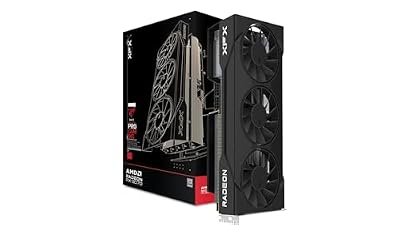
XFX Speedster SWFT210 Radeon RX 7600 Graphics Card with 8GB GDDR6 HDMI 3xDP, AMD RDNA 3 RX-76PSWFTFY
Learning the right way to amd update graphics drivers is one of the simplest things you can do to keep a Radeon card fast, stable, and ready for the newest games. Yet plenty of owners update the wrong way, skip a key step, or blame the software when the real issue is aging hardware. This guide covers the safest methods to update your AMD drivers, the errors people run into most often and how to fix them, and how to tell when no update can help and it is time to consider an upgrade.
As an Amazon Associate we earn from qualifying purchases at no extra cost to you.


The Right Way to Update AMD Graphics Drivers
Before you download anything, it pays to know which method suits your situation, because choosing the correct approach prevents most of the problems people encounter. AMD gives you a few reliable ways to update, from its dedicated software to manual installs, and matching the method to your needs keeps the process smooth.
Using AMD Adrenalin Software
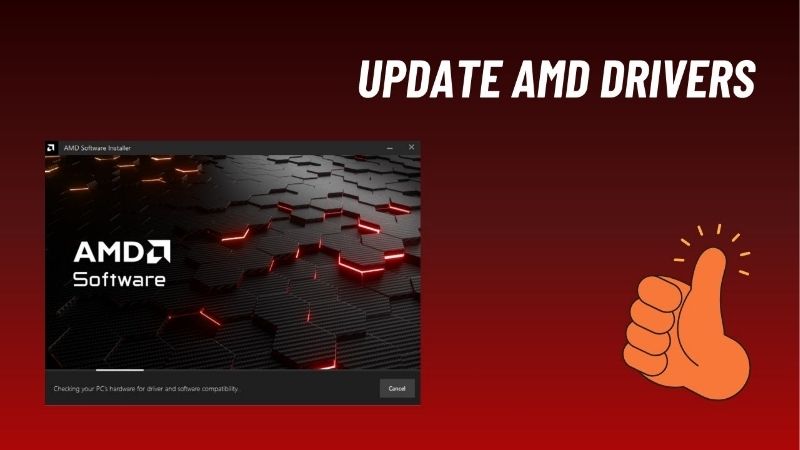
The primary and most reliable tool is AMD’s Adrenalin software, which detects your exact Radeon card and installs the latest optimized driver in a few clicks. For most owners, this is the only method they will ever need, and it keeps updates simple and repeatable.
Adrenalin does far more than update drivers. It bundles performance tuning, recording tools, and game optimizations into one app, which is why owners consistently recommend installing it and letting it manage updates automatically.
The key rule is to download Adrenalin only from AMD’s official source. Fake driver utilities and bundled software are a common trap that cause more harm than good, so sticking to the genuine app is the safest habit you can build.
Windows Update and Device Manager
Windows can install AMD drivers automatically through its update system, which is the most hands-off option and the least likely to cause problems. The trade-off is that it often serves an older, more conservative version rather than the newest release.
Device Manager offers a bit more control for quick fixes. You can update or, crucially, roll back your display driver from there, which is invaluable when a recent update introduced a new issue and you need to revert to a stable version fast.
These built-in methods are handy backups, but for gaming they generally lag behind Adrenalin. Use them when you want convenience or a quick rollback, and lean on the AMD app when you want the latest optimizations.
Manual Downloads for Specific Cards
If you prefer full control, you can download the exact driver package for your Radeon model and Windows version directly from AMD and run the installer yourself. This is useful for specific cards or when you want a particular driver version.
During a manual install, choosing the custom or factory-reset option lets you perform a clean install, which removes old settings and files. This is worth knowing about because it is the foundation of the troubleshooting steps covered next.
Manual installs take a little more effort, but they give you precision. For most people the Adrenalin app is easier, yet knowing how to install manually is a valuable skill when problems appear.
Manual installs also help when you need to pin a specific driver version, which is common if a newer release causes trouble in a game you play. Being able to grab an older, known-good package and install it cleanly gives you a reliable fallback that the automatic app does not always offer, and it puts you in full control of exactly what runs on your system.
Fixing Common AMD Driver Problems
Even a solid Radeon card can throw the occasional driver problem, and most trace back to a handful of familiar causes. Recognizing the symptom and applying the right fix saves hours of frustration, so here are the issues owners report most and the solutions that reliably work.
Install Failures and Timeouts
An installation that stalls or fails partway is usually caused by leftover files from a previous driver or by other software interfering during setup. It looks alarming but is almost always fixable without touching the hardware itself.
The reliable first moves are to reboot, temporarily pause any antivirus during installation, and close background apps that hook into the GPU, such as overlays and recording tools. These simple steps clear the way for the installer to finish cleanly.
When those steps fail, a clean install removes the corrupted remnants that cause repeat failures, which is why it is the go-to fix for stubborn installation problems on any Radeon card.
Black Screens, Crashes, and Rollbacks
A black screen after installing or crashes that begin right after an update point straight at that driver. The quickest remedy is to roll back to the previous version through Device Manager, restoring the stable behavior you had before.
AMD has historically drawn some criticism over driver stability, so keeping the option to roll back is especially wise. If a new release misbehaves in a game you play, reverting takes only a moment and gets you back to a working state.
Crashing that survives rollbacks and reinstalls is the pattern that shifts suspicion from software to hardware, which leads to the important question near the end of this guide.
Clean Installs and DDU
A clean install is the most effective fix for problems that quicker methods leave behind. Adrenalin’s factory-reset option removes previous settings during installation, wiping out the conflicts that cause repeat glitches on a card that has seen many updates.
For truly stubborn issues, advanced users run a dedicated display driver removal tool in safe mode before installing fresh. This clears every trace of old AMD drivers and is the surest way to rule out software as the cause of a lingering problem.
It takes more effort than a normal update, but a clean install is often the single most useful troubleshooting step. When a Radeon card has years of driver layers, wiping the slate first solves problems that nothing else will.
Pros, Cons, and Keeping Your Radeon Healthy
Updating drivers is powerful, but it is not magic, and part of owning a card well is knowing its limits. Weighing the trade-offs and learning from what other Radeon owners report will set realistic expectations and help you decide whether to keep tuning or to move on.
Pros and Cons of Frequent AMD Updates
The pros are compelling. New AMD drivers add game optimizations, fix bugs, patch security holes, and sometimes unlock features, all for free, and Adrenalin makes the process easy for anyone willing to spend a few minutes.
The cons are worth knowing. A brand-new driver occasionally introduces a fresh bug, which is why some owners wait a day or two after a release before updating and always keep the option to roll back if stability is a priority.
Weighed together, staying reasonably current is almost always worth it, provided you do not rush to install a driver on its first day for a game you cannot afford to have break.
What Owners Report About AMD Drivers
Owner feedback has improved over the years. Many Radeon users praise how much the Adrenalin software has matured, crediting it with smooth updates, useful tuning tools, and strong performance in supported games.
The common complaints center on the occasional problematic release and on specific games needing a driver update before running well. Most of these are resolved by a clean install, pausing antivirus, and rebooting, which are the fixes owners recommend most.
It also helps to give a new release a little breathing room. Because AMD updates its drivers frequently, waiting a day or two after a major launch and glancing at community feedback lets you sidestep the rare problematic version. Owners who follow this simple habit report far fewer headaches than those who install every driver the moment it appears.
Read together, the sentiment is that AMD drivers are far more dependable than their old reputation suggested, with most issues traceable to leftover files rather than the card itself.
When an Update Can’t Help: Upgrade Time
Sometimes no driver can solve the problem, because the limitation is the hardware. If a fresh, clean-installed driver still leaves you fighting stutter in modern games, or your card is several generations old, you have reached the point where software has done all it can.
In that situation, a newer graphics card delivers a far bigger, more lasting improvement than any update. A modern GPU brings years of fresh driver support, stronger performance, and current features that an older Radeon simply cannot use.
Recognizing that turning point is a valuable skill in itself. If you have already tried a clean install with a driver removal tool, paused security software, and tested multiple versions without success, continuing to reinstall drivers rarely helps. At that stage, redirecting your money from troubleshooting toward a newer card is the more productive path.
If you have reached that stage, comparing well-reviewed modern cards is the practical next step. Use the links on this page to find an upgrade that fits your system and budget, and give your PC the boost a driver alone can no longer provide.
See More:
- nvidia meaning
- rx 9070 vs rx 9070 xt
- 9060 xt 16gb vs 5070 ti
- radeon rx 9070 xt vs 5080
- windows graphics driver update
Conclusion
Knowing how to amd update graphics drivers through the Adrenalin software is one of the simplest ways to keep a Radeon card fast, stable, and ready for the latest games, and most problems come down to choosing the right method and performing a clean install when things go wrong. Just as important is recognizing the limit: when no update can cure the stutter, a hardware upgrade is the real answer. If you have reached that point, browse the latest recommended graphics cards through the links here and give your system a lasting boost.
Frequently Asked Questions
What is the easiest way to update AMD graphics drivers?
Open AMD Software Adrenalin Edition, go to the drivers and software section and use the check for updates function, which downloads and installs the latest package directly. Alternatively, use the auto-detect tool on amd.com, which identifies your hardware and offers the correct build automatically.
Should I use Windows Update for AMD drivers?
Windows Update provides validated but often older builds and may not install the full Adrenalin control software. It is a reasonable fallback if the AMD installer fails, but for game optimizations and access to tuning features, install the package from AMD directly.
What is the difference between express and custom installation?
Express installs the recommended components with default settings. Custom lets you choose which parts to install and exposes the factory reset option that fully removes the previous driver first. Use custom with factory reset if you are troubleshooting instability or moving between major driver branches.
How do I fix a failed or stuck AMD driver installation?
Reboot, disable third-party antivirus temporarily, and run the AMD Cleanup Utility or Display Driver Uninstaller in safe mode to strip remnants. Then install a freshly downloaded package while disconnected from the network so Windows Update cannot push a competing driver mid-installation.
How often should I update?
Every month or two is sufficient unless a new game you play has a launch-day optimization or a specific bug fix applies to you. If your system is stable and you are not chasing new releases, there is little reason to update aggressively, though security fixes should always be applied.



Write Your Review
No reviews yet. Be the first to share your experience!