
- Top Pick: Acer Predator Helios Neo 18 AI Gaming Laptop | Intel Core Ultra 9 Processor 275HX | NVIDIA GeForce RTX 5070 Ti | 18" WQXGA 240Hz G-SYNC | 32GB DDR5 | 2TB Gen 4 SSD | Killer Wi-Fi 6E | PHN18-72-9474
- Best Value: ASUS V16 16" WUXGA 144Hz Gaming Laptop, Intel® Core™ 7 240H, RTX™ 5070, 16GB DDR5 RAM, 1TB SSD, V3607VP-DS74, Matte Black
- Premium Choice: msi Katana 15 HX 15.6” 165Hz QHD+ Gaming Laptop: Intel Core i9-14900HX, NVIDIA Geforce RTX 5070, 32GB DDR5, 1TB NVMe SSD, RGB Keyboard, Win 11 Home: Black B14WGK-016US
RTX 5070 laptop steps into Nvidia’s Blackwell lineup as the upper-mainstream option, pairing 4,608 CUDA cores and 8GB of GDDR7 with the generation’s standout DLSS 4 features. It promises strong 1440p gaming, but its memory configuration has sparked debate. This review combines early owner feedback with benchmark data to judge whether it earns its place above the 5060.

Save $150.00


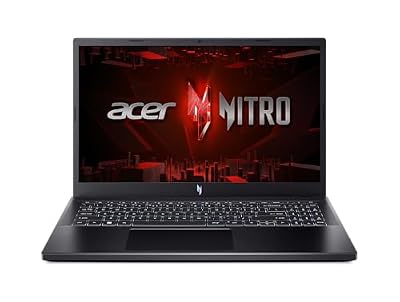

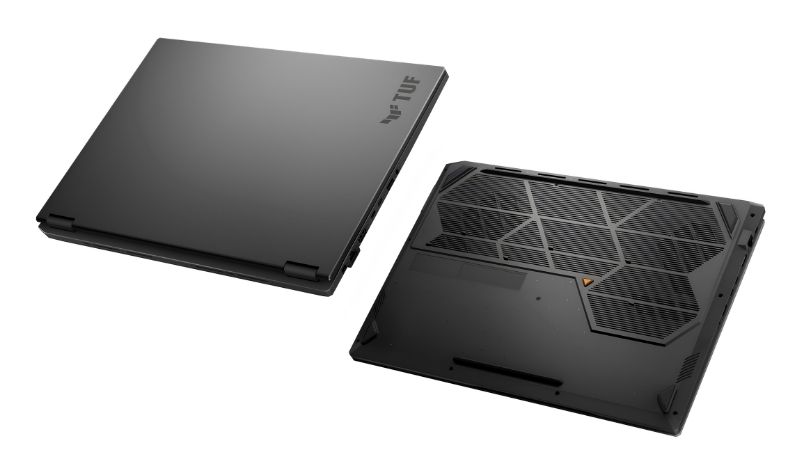
Specifications And Performance Of The RTX 5070 Laptop
The 5070’s identity hinges on a tension between strong compute and a familiar memory ceiling. Studying the specs reveals where it delivers genuine 1440p capability and where buyers should temper expectations.
As an Amazon Associate we earn from qualifying purchases at no extra cost to you.



Core Hardware And The Blackwell Advantage
The RTX 5070 laptop carries 4,608 CUDA cores, 8GB of GDDR7, 798 AI TOPS, and a TGP from 50W to 100W. The Blackwell architecture brings fifth-generation Tensor cores that unlock DLSS 4 with Multi Frame Generation, the chip’s defining feature.
The faster GDDR7 memory improves bandwidth over the 4070’s GDDR6, which helps, but the capacity stays at 8GB. That decision is the most discussed aspect of this GPU among reviewers and owners alike.
1440p Benchmarks And Frame Generation
In raw performance, the RTX 5070 laptop holds 60 FPS or better at 1440p high in most AAA titles and races past 120 FPS in esports games. With DLSS 4 active, Multi Frame Generation can multiply frame rates in supported titles for exceptionally smooth visuals.
The caveat owners raise is twofold: the 8GB buffer can constrain texture-heavy games at 1440p, and Multi Frame Generation’s latency tradeoff matters for competitive play. The chip’s strength is real, but it comes with asterisks.
Thermals And Power Efficiency
With a 100W maximum, the 5070 runs efficiently and stays cool, allowing it to fit slimmer chassis than higher tiers without heavy throttling. Higher-TGP configurations sustain clocks well during long sessions.
The familiar guidance applies: confirm the rated wattage before buying, because a 100W version meaningfully outpaces a power-limited build. This single check prevents the most common performance disappointment.
The Real-World RTX 5070 Laptop Experience
Capable silicon still has to suit your routine, and daily ownership exposes how the 5070 balances performance with portability. It positions itself as a flexible 1440p machine for gamers who also create.
Available Laptops And Smart Pairings
The 5070 features in mid-to-upper lines like the ASUS TUF, Lenovo Legion, and HP Omen, with configurations generally starting around $1,399 to $1,699. That spread keeps it competitive against both the 5060 and 5070 Ti.
Owners recommend pairing it with a strong Ryzen 7 or Core i7 and 32GB of RAM for creators. The extra memory keeps demanding apps responsive alongside games, broadening the chip’s appeal.
Battery, Efficiency And Portability
Blackwell efficiency gives the 5070 solid endurance for its class, with light-use battery life often around 5 to 7 hours via Advanced Optimus. It strikes a usable balance between power and daily practicality.
Most 5070 laptops sit in the 16-inch class, portable enough for regular carry without the bulk of flagship rigs. That makes it a sensible choice for students and professionals who game.
Who This GPU Is For
The RTX 5070 laptop suits the 1440p gamer who wants DLSS 4 features and Blackwell efficiency without paying flagship prices. It is also a capable entry creator tool thanks to its Tensor cores and encoder.
Buyers who want durable 1440p headroom with more VRAM should weigh the 5070 Ti, whose 12GB buffer directly addresses this chip’s main limitation.
Pros, Cons And The 2026 Value Question
The 5070 invites a careful value judgment, because its strengths and its single notable weakness pull in different directions. Framing both against the market clarifies the decision.
The Pros And Cons From Early Owners
The pros include DLSS 4 with Multi Frame Generation, faster GDDR7 memory, strong efficiency, and capable 1440p performance. Owners praise the smoothness in single-player titles and the chip’s quiet, cool operation.
The cons center firmly on the 8GB VRAM, widely viewed as insufficient for a 1440p-focused card in 2026, followed by a modest raster gain over the 4070 and the usual Multi Frame Generation latency tradeoff. Some reviewers consider the value proposition tighter than they would like. These are real considerations, not dealbreakers.
How Pricing And Supply News Affect Timing
Market conditions favor acting sooner. Gaming laptops have continued trending more expensive due to a tight memory supply, and that pressure reaches 5070-class machines directly. The reassuring development is that the steep late-2025 climb has eased, with some makers noting a phase of relative stability, while still warning that volatility could return.
Meaningful relief remains distant. New DDR5 capacity is opening up from suppliers like CXMT, and Micron is building two plants in Idaho, but those will not ramp until 2027 to 2028. The honest conclusion is that prices have plateaued rather than fallen, so postponing an RTX 5070 laptop purchase through 2026 is unlikely to pay off.
Future-Proofing With DLSS 4 And The Verdict
Software is the 5070’s hedge against its VRAM limit. As DLSS 4 adoption grows, its effective performance should keep climbing, partly offsetting the 8GB concern in supported titles. That ongoing momentum is a genuine asset.
If you want Blackwell features for 1440p without flagship spending, this GPU delivers. Ready to buy while pricing holds steady? Compare current RTX 5070 laptop configurations through the links on this page and prioritize a higher-TGP, 32GB-RAM build.
Frequently Asked Questions
The RTX 5070 laptop blends Blackwell features with mainstream pricing, and these are the questions buyers ask most.
Is the RTX 5070 laptop good for 1440p?
Yes, the RTX 5070 laptop is a capable 1440p performer, with GDDR7 bandwidth and DLSS 4 helping it sustain smooth frame rates.
Its 8GB buffer is the main constraint at maximum textures, but most titles run comfortably at 1440p.
How does the RTX 5070 laptop compare to the 4070?
Both share the same 4,608 CUDA cores, so raw raster performance is close, with the 5070 gaining from faster GDDR7 memory.
The decisive difference is DLSS 4 Multi Frame Generation, which the older 4070 cannot run.
Does the RTX 5070 laptop support DLSS 4?
Yes, as a Blackwell GPU it fully supports DLSS 4, including Multi Frame Generation in compatible games.
This feature is the card’s strongest argument for buyers who value the latest AI-driven smoothness.
Is the RTX 5070 laptop worth buying in 2026?
For 1440p gamers who want modern features and a longer software runway, it is a strong choice.
Value hunters who prioritize raw frames per dollar may still favor a discounted 4070, so the decision rests on your priorities.
Real-World Performance Expectations
Seeing what the RTX 5070 laptop delivers in practice clarifies its place in the Blackwell range. This breakdown covers the scenarios mainstream buyers prioritize.
High-Refresh 1080p And Esports
At 1080p the 5070 saturates high-refresh panels in competitive titles, frequently exceeding 240 frames per second. Its GDDR7 bandwidth keeps performance consistent in demanding moments.
Like its Ada predecessor, the card is slightly overpowered for pure 1080p esports, which is why most buyers pair it with a 1440p display.
1440p Gaming With DLSS 4
At 1440p the 5070 holds 60 frames per second and beyond in most AAA titles at high settings, and DLSS 4 Multi Frame Generation lifts the heaviest games further. Ray tracing is viable at 1440p with upscaling.
The 8GB buffer is the limiter at maximum textures, but DLSS 4 helps the card punch above its raw specifications in supported titles.
Creative Output And Future Tech
For creators, the 5070’s Blackwell architecture and GDDR7 memory accelerate editing and GPU compute beyond the entry tier, suiting serious hobbyist work at 1080p and entry 1440p.
Its DLSS 4 support and position in the current generation mean it benefits most from Nvidia’s latest optimizations, strengthening its long-term value.
See More:
The Bottom Line
The RTX 5070 laptop brings DLSS 4, GDDR7 memory, and Blackwell efficiency to the upper-mainstream tier, delivering strong 1440p gaming for buyers who value the latest features. Its 8GB memory buffer is the clear limitation to weigh, but for those leaning on DLSS 4, it remains a competitive choice in 2026, especially while laptop prices stay flat rather than rising.




Write Your Review
No reviews yet. Be the first to share your experience!