
- Top Pick: NVIDIA GeForce RTX 2070 Super Founders Edition Graphics Card (Renewed)
- Best Value: NVIDIA GeForce RTX 2070 Super Founders Edition Graphics Card (900-1G180-2515-000)
- Premium Choice: GIGABYTE GV-N207SWF3OC-8GD GeForce RTX 2070 Super Windforce OC 8G Graphics Card, 3X Windforce Fans, 8GB 256-Bit GDDR6, Video Card
Top Nvidia Geforce Rtx 2070 Super Picks for 2026
Here are our current top nvidia geforce rtx 2070 super picks, compared on real Amazon owner reviews, price, and features. Live prices update below.


Dropped $1,618.90

Dropped $25.00

Nvidia GeForce RTX 2070 Super graphics card may be a 2019 Turing product, but it refuses to disappear from used-market shortlists in 2026. With 2560 CUDA cores, 8GB of GDDR6, and a 256-bit bus, it was the card that made 1440p feel routine for mainstream gamers. The question now is whether a six-year-old RTX 2070 Super still earns a slot in a modern build, or whether its age finally outweighs its bargain pricing. This review pulls together its specifications and the consensus from owner feedback to answer exactly that.
As an Amazon Associate we earn from qualifying purchases at no extra cost to you. Product prices and availability are accurate as of the date shown and are subject to change.



Design, Specs, and What You Actually Get
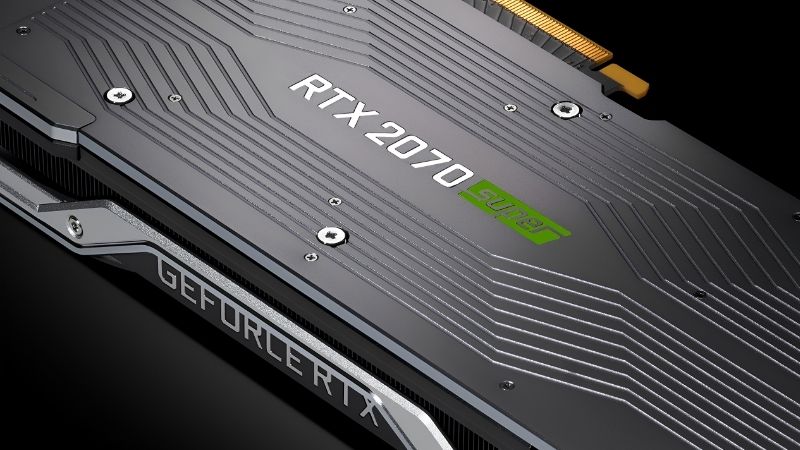
The RTX 2070 Super is a dual-slot, full-length card built on Nvidia’s first-generation RTX architecture, and understanding its hardware is the key to setting realistic expectations today.
Core Specifications at a Glance
The card pairs 2560 CUDA cores with 8GB of GDDR6 on a 256-bit memory bus, delivering roughly 448 GB/s of bandwidth. Its rated total graphics power sits at 215W, and most models draw from an 8-pin plus 6-pin connector combination.
Those numbers placed it just below the original RTX 2080 at launch for a $499 MSRP. In 2026 terms, that compute and memory profile lands it near the entry point of current 1440p gaming, which is precisely why it remains relevant rather than obsolete.
Worth noting is the boost-clock behavior: real-world clocks often exceed the rated figures when cooling allows, so a well-ventilated case translates directly into a few extra frames. The architecture is mature, and while driver development is no longer a priority for Nvidia, support remains stable for gaming use in 2026.
Build Quality and Physical Fit
Most RTX 2070 Super models measure between 240mm and 290mm long, so check your case clearance before buying a larger triple-fan variant. Founders Edition and blower cards are more compact and suit smaller builds.
Cooling solutions vary widely across partner brands, and that variance shows up in noise and temperatures. A well-cooled card runs quiet, while budget two-fan designs can get audible under sustained load.
Backplates, factory overclocks, and idle fan-stop modes differ from model to model, so two RTX 2070 Super cards from different brands can feel quite different in a quiet room. If acoustics matter to you, prioritize a triple-fan or known-quiet model over the cheapest listing you can find.
Ports and System Compatibility
Display outputs typically include three DisplayPort connectors, one HDMI, and on many models a USB-C VirtualLink port. For a modern monitor running 1440p at high refresh, the DisplayPort outputs are what you will use.
A quality 550W to 650W power supply is the practical recommendation. The card uses a standard PCIe slot and works fine with any recent CPU, though pairing it with a very new high-core processor avoids bottlenecks at lower resolutions.
Real-World Gaming Performance
Specifications only matter once they translate into frames, so here is how the RTX 2070 Super behaves across the resolutions buyers actually target in 2026.
1080p and 1440p Gaming
At 1080p the card is comfortably overpowered for most titles, routinely pushing well past 100 fps in competitive games and holding high frame rates in demanding single-player releases at high settings.
At 1440p, its intended home, the RTX 2070 Super still delivers a smooth experience in the 60 to 90 fps range in many modern games at high settings, dipping lower in the most demanding 2025-2026 titles where you may need to trim a setting or two.
The practical takeaway is that this card scales gracefully. Drop from ultra to high, or enable DLSS, and most demanding titles snap back into a comfortable frame range. It rewards sensible tuning rather than brute-forcing maximum settings, which is exactly how a card of this age should be used.
Ray Tracing and DLSS Reality
This is where the card’s age is most visible. Its first-generation RT cores can enable ray tracing, but heavy ray-traced workloads tax the hardware hard, and frame rates fall sharply without help.
DLSS is that help, and it remains the card’s most valuable proprietary feature, recovering meaningful performance in supported games. Just note the 2070 Super is limited to the older DLSS generations, so it does not benefit from the newest Frame Generation features reserved for later RTX cards.
For buyers, the honest framing is that ray tracing is a bonus here rather than a reason to choose the card. Lean on its strong rasterized performance and use DLSS wherever it is supported, and the absence of the newest features rarely stings in day-to-day play.
The 8GB VRAM Question
8GB was generous in 2019 and is merely adequate in 2026. For 1080p and most 1440p settings it holds up, but a growing number of titles with ultra textures or heavy modding will brush against that buffer.
In practice this means the RTX 2070 Super rewards sensible texture settings rather than maxing everything. Treat it as a high-settings 1440p card, not an ultra-everything one, and the 8GB rarely becomes a problem.
Looking ahead, the 8GB buffer is the main reason this card is a value pick rather than a future-proof one. It is enough for sensible settings now, but buyers planning to keep a card for many years of new releases should weigh that ceiling carefully.
What Owners Say: Pros and Cons
Synthesizing the pattern across positive and critical owner feedback gives a clearer picture than any single benchmark, so here is what long-term users consistently report about the RTX 2070 Super graphics card.
What Satisfied Owners Praise
The recurring theme in positive feedback is durability and value. Many owners report years of trouble-free 1440p gaming and see the used price as the standout reason to buy.
DLSS support and solid 1080p headroom come up often, with buyers noting the card still feels capable in esports and older AAA libraries. For a secondhand purchase, that longevity story is reassuring.
Several long-term owners also mention pairing it with high-refresh 1080p monitors and staying satisfied for competitive play years after purchase. That repeated sentiment is a useful signal that the card delivers on its value promise rather than simply looking good on a spec sheet.
Common Complaints to Weigh
Critical feedback clusters around three points: the 8GB buffer feeling tight in the newest games, coil whine on some units, and fan noise on cheaper cooler designs under load.
A smaller group flags concerns natural to any used GPU, such as unknown mining history or worn thermal paste. Buying from a reputable seller and budgeting for a possible re-paste mitigates most of this risk.
Pros and Cons Summary
The balance sheet for the RTX 2070 Super is straightforward once the noise is filtered out.
Pros: strong 1440p value on the used market, capable DLSS support, robust long-term reliability, easy power and case requirements. Cons: only 8GB VRAM, weak heavy ray-tracing performance, no access to the newest DLSS Frame Generation, variable cooler quality between brands.
Weighing these points together, the RTX 2070 Super lands as a confident value recommendation with clear, predictable limits. Buy it for affordable high-settings 1440p rather than for cutting-edge features, and it rarely disappoints.
Is the RTX 2070 Super Worth Buying in 2026?
A buying verdict in 2026 has to account for the wider market, because two current trends directly change how attractive an aging card like this looks right now.
Rising Prices Make Used Value Shine
Laptop and PC-component prices are trending upward and are widely expected to keep climbing. When new GPUs get more expensive, capable used cards like the RTX 2070 Super become disproportionately appealing on a cost-per-frame basis.
If you find one priced well below a comparable new card, it can be one of the best value entries into 1440p gaming today. Watch listings closely, because rising prices tend to lift the secondhand market too, so a good deal may not last.
A simple buying tactic helps here: set a target price based on the current new mid-range cost-per-frame, and only buy below it. That keeps you disciplined when listings fluctuate and ensures the value advantage that makes this card attractive actually materializes in practice.
Nvidia’s AI Focus and Supply Ripples
The U.S. recently cleared Nvidia to sell its powerful H200 AI chips to China. The H200 is a data-center part, not a GeForce card, so it changes nothing about the 2070 Super’s performance.
The indirect effect is what matters: stronger demand for Nvidia’s most profitable AI silicon can keep its focus and wafer allocation tilted toward accelerators, which historically firms up consumer GPU pricing and slows price drops. That context strengthens the case for a sensibly priced older card.
Who Should Buy It, and the Alternative
This card suits budget-conscious 1440p gamers, secondary or backup builds, and anyone upgrading from an older 1060-class GPU who wants a large jump without paying current-gen prices.
If heavy ray tracing or the newest DLSS features matter to you, look instead at a current mid-range RTX card. But if raw value at high settings is the goal, the RTX 2070 Super remains a smart pick. Ready to compare today’s listings? Check current availability before prices move again.
Conclusion
In 2026, the Nvidia GeForce RTX 2070 Super graphics card lands as a value play rather than a performance statement. It is no longer the right choice for ultra ray tracing or future-proofing, but for affordable, reliable 1440p gaming it remains genuinely compelling, especially as rising component prices push more buyers toward proven used hardware. If you can secure one at a fair price from a trustworthy seller, the RTX 2070 Super still delivers a level of gaming capability that punches well above its modest cost, making it one of the more sensible budget upgrades available this year.
Frequently Asked Questions
What is the best nvidia geforce rtx 2070 super graphics card in 2026?
The best nvidia geforce rtx 2070 super graphics card depends on your budget and how you plan to use it. The options compared above are our top-rated picks based on real customer ratings, build quality, and overall value — start with the highest-rated model that fits your budget.
How much should I expect to spend on a nvidia geforce rtx 2070 super graphics card?
Prices vary by brand and features. Budget options cover the essentials, while mid-range and premium models add durability, performance, and extra features. Compare the prices in the list above to find the best value for your needs.
What should I look for when buying a nvidia geforce rtx 2070 super graphics card?
Focus on what matters most for your use case — build quality, compatibility, performance, warranty, and verified customer reviews. Every pick above is selected to balance these factors.
Are budget nvidia geforce rtx 2070 super graphics card options worth it?
Yes. For most people a well-reviewed budget or mid-range nvidia geforce rtx 2070 super graphics card delivers excellent value. You only need to spend more if you specifically require premium materials or top-tier performance.
How did we choose these nvidia geforce rtx 2070 super graphics card picks?
We compare current Amazon ratings, review counts, key features, and price to surface the options with the best real-world value. The list is refreshed as ratings and availability change.


Write Your Review
No reviews yet. Be the first to share your experience!