
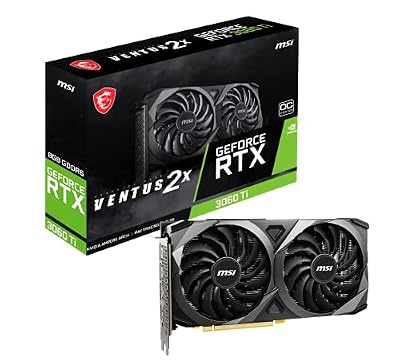
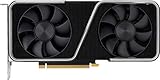
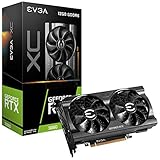
- Top Pick: msi Gaming GeForce RTX 3060 Ventus 2X 12G OC V1 Graphics Card – 15 Gbps GDRR6 Boost Clock: 1807 MHz 192-Bit HDMI/DP PCIe 4 Torx Twin Fan Ampere
- Best Value: GIGABYTE GeForce RTX 3060 Gaming OC 12G (REV2.0) Graphics Card, 3X WINDFORCE Fans, 12GB 192-bit GDDR6, GV-N3060 Video Card
- Premium Choice: GIGABYTE GeForce RTX 3060 WINDFORCE OC 12G (rev. 2.0) Graphics Card, 2X WINDFORCE Fans, 12GB 192-bit GDDR6, GV-N3060WF2OC-12GD Rev2.0 Video Card


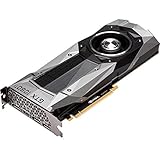
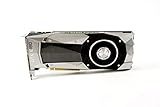
GTX 1080 vs RTX 3060 is a comparison where the honest raster answer is “they are tied” — and where that answer is completely useless. Every video from 2021 ran the benchmarks, found the 1080 trading blows with a card released five years later, and concluded the legend still had life in it. They were right. The problem is that raster stopped being the whole story about eighteen months after those videos went up, and if you are still running a 1080 in 2026, the reasons to move are all things those benchmarks never measured.
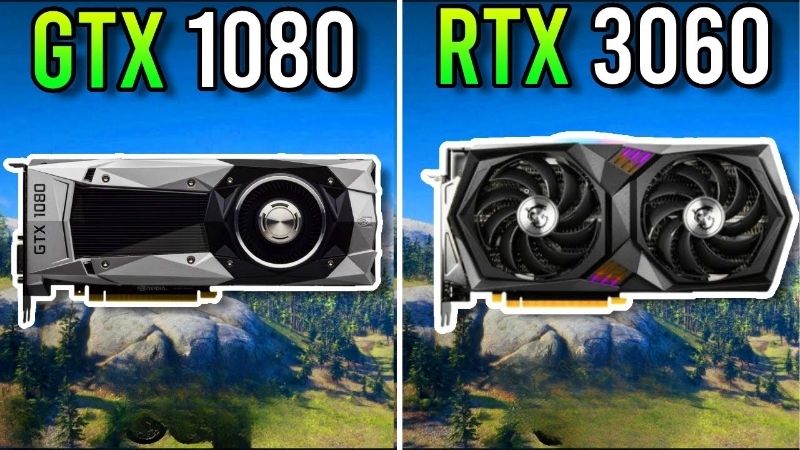
The Quick Verdict: GTX 1080 vs RTX 3060 in One Minute
In pure rasterisation these two are a genuine tie — the 1080 wins some titles, the 3060 wins others, and the margin either way is inside the noise. That is remarkable for a 2016 card and it is why the legend persists. But the 3060 has 12GB against the 1080’s 8GB, it has 112 tensor cores against zero, and it draws less power. If you play esports or older single-player games, your 1080 is fine and this upgrade buys you nothing measurable. If you play modern AAA titles, or you have started noticing stutter rather than low frame rates, the 3060 is a meaningfully better card despite tying on paper. The decision is not about speed. It never was.
As an Amazon Associate we earn from qualifying purchases at no extra cost to you.


Why the Raster Tie Is Real
Worth establishing, because people assume it is nostalgia. It is not.
The GTX 1080 has 2,560 CUDA cores on a 256-bit bus delivering 320 GB/s. The RTX 3060 has 3,584 cores on a 192-bit bus delivering 360 GB/s. On paper the 3060 has 40% more cores. In practice, Ampere’s doubled FP32 pipeline shares resources with integer work, so the real gain is far below what the count implies — and Pascal was an exceptionally efficient architecture with high clocks and a genuinely wide bus.
The result is two cards that land within a few percent of each other in traditional rendering, five years apart. GP104 was a remarkable chip and it has aged better in raster than anything Nvidia has shipped since.
The Three Things That Ended the Legend
None of them are speed, and none appear in a 2021 benchmark chart.
VRAM. 8GB against 12GB. In 2021 that was a footnote. In 2026 several titles exceed 8GB at 1080p High, and when they do, the 1080 does not run slower — it stutters, with textures loading visibly late. Your average frame rate stays respectable while the game becomes unpleasant.
Tensor cores. The 1080 has zero. Not fewer — none. DLSS is not slow on Pascal, it is impossible, permanently. The 3060 running DLSS Quality gains roughly 30%, which turns a tie into a rout in any supported title.
Driver support. Pascal has moved to a maintenance footing — security and critical fixes rather than game-day optimisation. Ampere still gets current Game Ready drivers and, notably, still receives new DLSS models through the Nvidia app. One card is still improving. The other is frozen.
Who Should Keep Their GTX 1080
More people than the internet suggests. If your library is CS2, Valorant, Overwatch, older single-player titles, or anything from before roughly 2022, your 1080 delivers and this upgrade is money for nothing. The benchmark tie is real in exactly those games.
Keep it also if you are within eighteen months of a bigger jump. Moving 1080 to 3060 is a lateral step in raster — you would be paying real money to gain VRAM and DLSS while staying in the same performance class. Skipping to a 5060 or newer gets you Frame Generation, a warranty, and a genuine tier upgrade for not much more.
Specs and What Five Years Actually Changed
The table below is unusual because the older card wins several rows outright. That is not a mistake — it is what made the 1080 a legend and it is why this comparison confuses people.
Core Specifications Side by Side
| Specification | GTX 1080 | RTX 3060 12GB |
|---|---|---|
| Architecture | Pascal (GP104) | Ampere (GA106) |
| Launch year / MSRP | 2016 / $599 | 2021 / $329 |
| CUDA cores | 2,560 | 3,584 |
| Boost clock | ~1.73 GHz | ~1.78 GHz |
| VRAM | 8GB GDDR5X | 12GB GDDR6 |
| Memory bus | 256-bit | 192-bit |
| Bandwidth | 320 GB/s | 360 GB/s |
| Tensor cores | None | 112 |
| RT cores | None | 28 (2nd gen) |
| Encoder | NVENC (Pascal) | NVENC (Turing 7th gen) |
| TDP | 180W | 170W |
| Driver status | Maintenance | Current Game Ready |
The 1080 wins the bus width row — 256-bit against 192-bit, from a card five years older. That is why the raster tie exists and it is the single most impressive thing about GP104.
The bolded VRAM and tensor core rows are what ends the argument. Not because they make the 3060 faster, but because they determine what each card can attempt at all.
Frame Rates: Where the Tie Breaks
1080p High, no upscaling. Asterisks mark where the 1080’s 8GB is the constraint rather than its shaders.
| Game (1080p High) | GTX 1080 | RTX 3060 | Winner |
|---|---|---|---|
| Counter-Strike 2 | ~212 FPS | ~205 FPS | GTX 1080 |
| GTA V Enhanced | ~108 FPS | ~98 FPS | GTX 1080 |
| Elden Ring | ~56 FPS | ~57 FPS | Tie |
| Cyberpunk 2077 | ~52 FPS | ~55 FPS | 3060, barely |
| Hogwarts Legacy | ~45 FPS* | ~54 FPS | 3060 |
| Black Myth: Wukong | ~34 FPS* | ~42 FPS | 3060 |
| Ratchet & Clank: Rift Apart | ~48 FPS* | ~62 FPS | 3060, clearly |
Read this table top to bottom and you can watch a decade of GPU history compress into seven rows. In 2016-era workloads the 1080 wins outright. By the bottom rows it is losing by 20-30%, and the asterisks explain why — not shader deficit, memory exhaustion.
The Hogwarts row is the important one. The 1080 averages 45 FPS, which sounds fine. Its 1% lows drop into the low 20s during traversal while the 3060 holds around 40. The average says “tie-ish”. The experience says otherwise, and no 2021 review could have caught this.
Power, Heat and Running Costs
Nearly identical — 180W against 170W — and both run on a quality 550W supply with a single 8-pin. So the 3060 is faster in modern titles while drawing slightly less power, which is a modest but genuine efficiency win across a decade.
At four hours a day, the 10W difference is worth roughly $2-5 a year. Trivial on its own. It matters only as one more small entry in a column where every entry points the same direction.
The real practical note for 1080 owners: your card is now nine or ten years old. Thermal paste is well past its life and fan bearings have had a decade of use. If you are keeping it, budget $15 for paste and pads — a repasted 1080 frequently drops 12-15C and stops throttling, which is the cheapest performance you will ever buy.
Deep Dive: What You Gain and What You Do Not
The 3060’s case rests on capability rather than speed. That case is real, and it is also routinely oversold to 1080 owners on features that do not exist.
DLSS: A Real Gain With a Real Caveat
The 3060 has 112 tensor cores; your 1080 has none. That is absolute — DLSS at any settings in any game is simply not available to Pascal, and no driver will change it.
In a supported title, DLSS Quality at 1080p recovers roughly 30% on the 3060. Applied to the table above, that turns Hogwarts from 54 to around 70 FPS while your 1080 stays at 45 with stutter. That is where a raster tie becomes a rout.
The caveat matters though. DLSS 4.5’s newer second-generation models — M and L — rely on native FP8, which Ampere does not have. Nvidia’s own guidance is that RTX 30 series owners should generally stay on Model K, the DLSS 4.0 model. So the 3060 gets DLSS, and gets a two-generation-old version of it at full benefit. Real, but not the current thing.
Frame Generation: Neither Card Has It
The most common misunderstanding when people move from GTX to RTX, and it is worth stating flatly: the RTX 3060 does not have Frame Generation and never will.
It requires Ada’s optical flow accelerator — silicon Ampere does not contain. This is not artificial segmentation or a driver limitation. If you are upgrading from a 1080 specifically because you want Frame Generation, the 3060 is the wrong card and you need a 4060 or newer.
That is not a small footnote. It is the strongest argument for skipping this tier entirely, and it is covered in the last section.
Pros and Cons of Each Card
| GTX 1080 | RTX 3060 12GB | |
|---|---|---|
| Pros | 256-bit bus and 320 GB/s from 2016; wins outright in esports and older titles; you already own it; nothing to buy; still a genuinely good card in its lane | 12GB ends the stutter; 112 tensor cores for DLSS and AI; better NVENC; current Game Ready drivers; 10W less power; real resale value |
| Cons | 8GB is now the wall; zero tensor cores means no DLSS ever; Pascal is on maintenance drivers; a decade of fan and paste wear; 1% lows collapse in new titles | Raster is a tie, not an upgrade; no Frame Generation ever; no FP8 for DLSS 4.5’s best models; buying used means someone else’s risk; AI buyers inflate its price |
The 3060’s first con is the honest one and it deserves weight: in raw speed this is not an upgrade at all. You are buying VRAM, DLSS and driver support. If those three do not matter to what you play, you are buying nothing.
The Cost of Waiting, and the Case for Skipping
Every 1080 owner has been told to wait since about 2020. That advice deserves examining, because in this market waiting has a price attached.
Why Waiting Since 2020 Has Not Paid
Component and laptop prices have kept trending upward rather than settling back, and entry-level cards absorbed the sharpest share because memory is a large fraction of what they cost to build. The traditional pattern of a card drifting well below launch price by its third year has simply stopped operating.
The evidence is unkind to patience. 1080 owners who decided in 2022 to wait for the 3060 to reach $180 mostly never saw it, and are now four years further into a card that stutters in anything modern. The waiting saved nothing and cost them the use of a better machine.
There is one consolation, and it is real. The same anchor means your 1080 still fetches money on the used market that a decade-old card has no right to — which lowers the net cost of moving. The mechanism that hurts you as a buyer helps you as a seller.
Prices Flattened, But Relief Is Years Out
The good news is genuine and should be stated precisely. The steep climb through late 2025 has eased. Framework, which publishes unusually candid component pricing updates, has reported a stretch of relative stability while continuing to caution that volatility persists. That is stabilisation, not a decline.
New capacity is coming. OEMs can now source DDR5 from Chinese manufacturers such as CXMT, and Micron is building two fabs in Idaho. Both add real supply. Neither runs before 2027-2028 — two GPU generations away, by which point your 1080 will be twelve years old.
So there is no arrival date for the discount you have been waiting for. Decide on today’s numbers.
The Alternative: Skip the 3060 Entirely
Here is the honest case against this upgrade. Moving 1080 to 3060 is a lateral step in raster for a gain in VRAM and DLSS. That gain is real if you play modern titles — but you are spending money to stay in the same performance class, on a five-year-old used card, with no warranty.
Look hard at a new RTX 4060 or 5060 instead. Either is genuinely faster than both cards here, has Frame Generation neither will ever have, draws 115W so no PSU concern, and comes with three years of support. Against a used 3060 from a stranger, the price gap is smaller than it looks once you price the risk.
Check what your GTX 1080 currently fetches, then compare used 3060 listings against new 4060 and 5060 pricing — those three numbers move independently, and for most 1080 owners the two-generation jump is the better answer than the lateral one.
See More:
- GTX 1650 vs RTX 3050
- Nvidia DIGITS
- Nvidia cuDNN
- Radeon RX 9070 XT vs RTX 5090
- PNY GeForce RTX 5080 review
Final Verdict: GTX 1080 vs RTX 3060
The gtx 1080 vs rtx 3060 comparison ends in a raster tie, and that tie is genuine rather than nostalgic — a 2016 card with a 256-bit bus still trading blows with a 2021 one is a remarkable thing. If your library is esports and older single-player titles, keep your 1080. It wins CS2 and GTA V outright, and this upgrade would buy you nothing you can see.
If you are getting stutter rather than low frame rates in modern titles, that is your 8GB buffer, it is not fixable in settings, and the 3060’s 12GB plus DLSS ends it. But before you buy one, price a new 4060 — the 3060 is a lateral move in raster with no Frame Generation and no warranty, while the 4060 is an actual tier jump with both. With prices flat rather than falling, there is no reward for waiting further, and a decade is a long time to be patient.
Frequently Asked Questions
Is the old GTX 1080 still faster than an RTX 3060?
In pure rasterised performance they are close, with the RTX 3060 typically a few percent ahead at 1080p and pulling out a clearer lead at 1440p. Once you enable DLSS or ray tracing, the 3060 is decisively faster because the GTX 1080 has neither tensor cores nor RT cores.
How does the VRAM compare?
The GTX 1080 has 8GB of GDDR5X on a 256-bit bus at 320GB/s, while the RTX 3060 has 12GB of GDDR6 on a 192-bit bus at 360GB/s. The 1080 bus is wider but the 3060 has more capacity, and in 2026 capacity is what prevents stutter in texture heavy titles at 1440p.
Do drivers still support the GTX 1080?
Pascal cards have moved to a legacy branch that receives security updates on a quarterly schedule rather than new Game Ready optimisations for each release. Existing games keep working, but new titles will not get day one driver tuning, and that gap will widen every year the card stays in service.
What about power draw and PSU requirements?
The GTX 1080 is a 180W card and the RTX 3060 is 170W, so they are broadly comparable and both are fine on a quality 550W unit. Ampere does show sharper transient spikes than Pascal, so a very old 500W supply that ran the 1080 happily could still trip with the 3060.
Is upgrading from a 1080 to a 3060 worth it?
Only for the features. You gain DLSS, ray tracing, AV1 decode, better NVENC and 12GB of VRAM, but very little raw raster speed. If you can spend a little more, an RTX 3060 Ti, RTX 4060 Ti 16GB or RX 6700 XT is a far more satisfying step up from a 1080.
Ready to decide? Our #1 pick for 2026 is the Architecture.
Live price & availability on Amazon.




Write Your Review
No reviews yet. Be the first to share your experience!