
Top Rtx 3080 5080 Which Nvidia Picks for 2026
Here are our current top rtx 3080 5080 which nvidia picks, compared on real Amazon owner reviews, price, and features. Live prices update below.


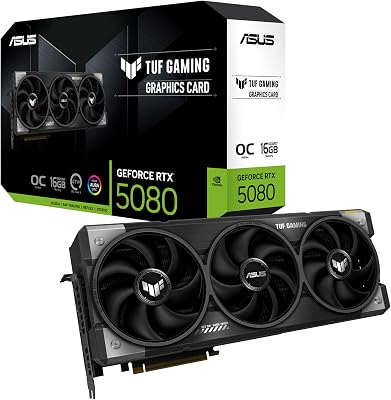


3080 vs 5080 is the upgrade question on the mind of every Ampere owner eyeing Nvidia’s Blackwell generation, and the honest answer depends almost entirely on the resolution you play at and the features you actually use. This comparison puts the RTX 3080 and the RTX 5080 side by side using verified specifications, aggregated real-world frame rates, and 2026 pricing so you can decide whether the jump is worth it or whether your current card still has life left in it.
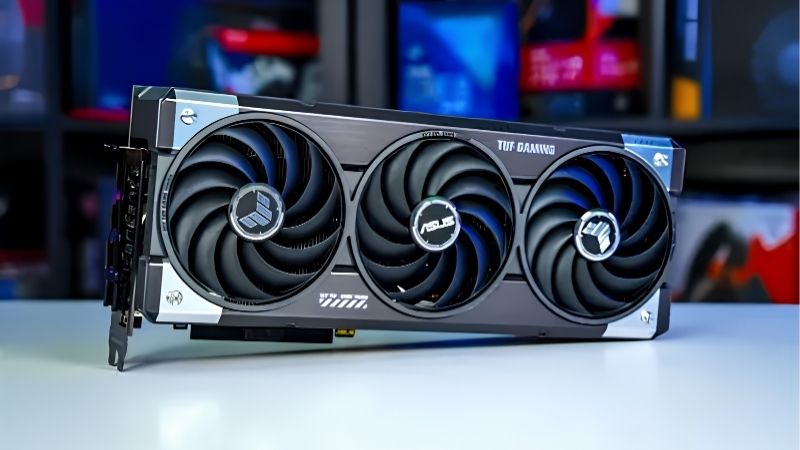
The Quick Verdict: 3080 vs 5080 at a Glance
For readers who want the short answer before the deep dive, here is the bottom line distilled from the specs and performance data below. The two cards are separated by a full generation, and that gap shows up most clearly the higher you push your resolution and the more you rely on Nvidia’s newest software.
Who Should Buy the RTX 5080
The RTX 5080 is the clear pick for 1440p high-refresh and 4K gamers who want headroom for years. Its 16GB of GDDR7, 960 GB/s of bandwidth and exclusive DLSS 4 multi-frame generation give it a decisive lead in the most demanding scenarios, and that lead only widens in titles built around frame generation.
If you are building a new high-end system in 2026 or your 3080 is already straining at 4K, the 5080 is the rational target. You are paying for a generational uplift plus a feature set the older card physically cannot run.
There is also a content-creation angle worth weighing. The 5080’s 16GB of GDDR7 and stronger compute help in video editing, 3D rendering, and local AI tasks, so if your PC does double duty as a workstation the upgrade pays back in more than just frames.
Who Should Keep the RTX 3080
The RTX 3080 remains a genuinely strong 1440p card and still handles 4K in many titles with DLSS upscaling enabled. If you play mostly at 1440p, are happy with current frame rates, and do not feel starved by 10GB of VRAM, there is no urgent reason to spend on an upgrade.
The card’s biggest constraint is its 10GB framebuffer, which the newest 4K texture packs can fill. For 1440p players, though, that ceiling rarely bites, and the 3080 continues to deliver excellent value per frame today.
It is also worth being honest about resale and timing. As 2026 component prices climb, the used 3080 holds its value reasonably well, so there is little penalty in waiting one more cycle before upgrading if your current performance still satisfies you.
The Single Biggest Difference
If you remember one thing, make it this: DLSS 4 multi-frame generation is exclusive to the 50-series and cannot be enabled on the 3080. This is the feature that most dramatically separates the two cards in supported games, turning a modest raw-performance gap into a large on-screen frame-rate gap.
Everything else — cores, clocks, memory — is a meaningful but expected generational step. The software exclusivity is the part that reshapes the decision for anyone chasing the highest possible frame rates.
RTX 3080 vs 5080 Specs Compared
Before interpreting performance, it helps to see the raw numbers together. The table below lays out the core specifications, and the sections after it explain what each difference means in practice rather than on paper.
| Specification | RTX 3080 | RTX 5080 |
|---|---|---|
| Architecture | Ampere (GA102) | Blackwell (GB203) |
| CUDA Cores | 8704 | 10752 |
| Memory | 10GB GDDR6X | 16GB GDDR7 |
| Memory Bus | 320-bit | 256-bit |
| Bandwidth | ~760 GB/s | ~960 GB/s |
| Boost Clock | ~1.71 GHz | ~2.62 GHz |
| TDP | 320W | 360W |
| DLSS | DLSS upscaling | DLSS 4 multi-frame gen |
| Launch MSRP | 699 | 999 |
Cores, Clocks, and Generational Uplift
On paper the 5080 carries 10752 CUDA cores against the 3080’s 8704, a roughly 24% increase in core count. The far bigger story is clock speed: the 5080 boosts near 2.62 GHz versus about 1.71 GHz, a substantial frequency jump that multiplies the effect of those extra cores.
Combined, these figures translate to a large raw-compute advantage even before any software features are considered. Blackwell’s architectural efficiency means each core also does more useful work per clock, widening the real gap beyond what the raw counts suggest.
For analytical buyers, the headline is that the 5080 is not a minor refresh. It is a full generational step in raw throughput, which is exactly what you would expect across two architecture families.
Memory: 10GB GDDR6X vs 16GB GDDR7
Memory is where the comparison gets interesting. The 3080 uses a wider 320-bit bus but only 10GB of GDDR6X, while the 5080 pairs a narrower 256-bit bus with faster 16GB GDDR7, landing at roughly 960 GB/s of bandwidth against the 3080’s 760 GB/s.
Capacity matters as much as bandwidth here. The extra 6GB on the 5080 directly addresses the 3080’s most cited weakness, giving you breathing room for 4K texture packs and heavily modded games that can overflow a 10GB buffer.
In practical terms, the 5080 is the more future-proof card specifically because of that larger framebuffer. VRAM pressure is the limitation 3080 owners feel first, and the 5080 removes it.
Power Draw and System Requirements
Power and platform requirements are close enough that most upgraders will not need a new PSU. The 3080 carries a 320W TDP and the 5080 a 360W TDP, a 40W difference that a quality 750W power supply handles comfortably for either card.
Physically, both are large multi-slot cards, so case clearance and airflow deserve a check before you buy. The practical advice is to confirm your PSU has the appropriate connectors and your case has the length and cooling to keep a 360W card from thermal throttling.
Neither card is exotic to install, but the 5080’s higher heat output means good case airflow pays off more. Plan your build around sustained load rather than peak numbers on a spec sheet.
Deep Dive Face-Off: Performance, Features, and Value
Specifications set expectations; this section translates them into the experience you will actually have. We compare the two cards across the three criteria that decide most purchases: raw gaming performance, Nvidia’s feature stack, and price-to-performance in 2026.
Raw Gaming Performance at 1440p and 4K
At 1440p both cards are strong, but the 5080 pulls clearly ahead in demanding titles, frequently delivering the kind of high-refresh frame rates that a 3080 can only reach with aggressive upscaling. At that resolution the 3080 remains very playable, which is why many owners feel no rush to upgrade.
At 4K the gap becomes decisive. The 5080’s extra bandwidth and 16GB buffer let it sustain higher, more stable frame rates where the 3080 starts bumping into its 10GB ceiling and dropping frames in texture-heavy scenes.
The pattern is consistent across aggregated owner data: the higher the resolution, the larger the 5080’s lead. If you game at 1080p the difference shrinks to the point of irrelevance for most titles, which is why resolution should be the first question you ask before spending on this upgrade.
DLSS 4, Frame Generation, and AI Features
This is the experimental heart of the comparison and the 5080’s strongest argument. DLSS 4 multi-frame generation is exclusive to the Blackwell 50-series, allowing the 5080 to generate multiple AI frames per rendered frame and post on-screen frame rates the 3080 simply cannot match in supported games.
The 3080 is not left out of DLSS entirely; it still benefits from DLSS upscaling, which remains a real performance lever. But it cannot access the multi-frame generation pipeline, and in titles built around that feature the experiential gap is dramatic rather than incremental.
For buyers who prioritize Nvidia’s forward-looking AI features and want the longest optimization runway, the 5080’s exclusive access to DLSS 4 is the deciding factor. This is where the future-proofing argument is strongest.
Pros and Cons: Price-to-Performance in 2026
Value is where the 3080 fights back. Its pros are clear: strong 1440p performance, frequently lower current pricing, and more than enough power for players who are not chasing 4K. Its cons are equally clear: 10GB of VRAM and no DLSS 4, both of which limit its longevity.
The 5080’s pros are raw speed, 16GB of GDDR7, and exclusive DLSS 4, making it the better long-term investment. Its main con is the higher price at a 999 MSRP, which becomes a sharper consideration as 2026 component prices trend upward and street prices drift above sticker.
Two news items tighten the timing. Nvidia’s approval to sell H200 AI chips to China keeps the company focused on lucrative data-center production, which can constrain gaming GPU supply and keep prices firm. Combined with the broader upward trend in laptop and component pricing, the practical lesson is that 50-series cards are unlikely to get cheaper soon, so if a 5080 fits your plans, buying during a genuine availability window is the prudent move rather than waiting for discounts that may not arrive.
The Alternative and Final Recommendation
Not every buyer fits neatly into one of these two cards, and forcing the choice can mean overspending or underbuying. This final section offers a middle path and then summarizes exactly who should pick which card.
Consider the RTX 5070 Ti as a Middle Path
If the 5080 stretches your budget but you still want Blackwell features, the RTX 5070 Ti is the alternative worth a serious look. It brings DLSS 4 multi-frame generation and a modern GDDR7 framebuffer at a lower price point than the 5080, capturing most of the generational benefit for less money.
For 1440p high-refresh gamers in particular, the 5070 Ti often lands in the value sweet spot. You get the exclusive new feature set without paying the 5080 premium, which matters more than ever in a rising-price environment.
The trade-off is a smaller framebuffer and lower raw throughput than the 5080, so dedicated 4K players are still better served by the bigger card. But for the large group of buyers who sit between a 3080 and a 5080 in both budget and resolution, the 5070 Ti is the alternative that prevents both overspending and underbuying.
Final Verdict: Matching the Card to Your Setup
Buy the RTX 5080 if you game at 4K or high-refresh 1440p, want maximum longevity, and value DLSS 4 multi-frame generation as a core part of your experience. It is the correct choice for new high-end builds and for 3080 owners genuinely bottlenecked at 4K today.
Keep the RTX 3080 if you play primarily at 1440p, are satisfied with your current frame rates, and do not feel constrained by 10GB of VRAM. Upgrading from a healthy 3080 for 1440p alone is hard to justify on value grounds.
Where Each Card Makes the Most Sense
In a sentence: the 5080 is a resolution-and-future-proofing upgrade, while the 3080 is still an excellent card for anyone whose needs have not outgrown it. Map the decision to your monitor first and your software wishlist second, and the right answer becomes obvious.
Whichever way you lean, confirm current pricing and availability before committing, because the 2026 market is moving and the best window to act is when stock and price line up in your favor.
See more:
Recommended Products

msi Gaming GeForce RTX 4060 8GB GDRR6 Extreme Clock: 2505 MHz 128-Bit HDMI/DP Nvlink TORX Fan 4.0 Ada Lovelace Architecture Graphics Card (RTX 4060 Ventus 2X Black 8G OC)

PowerColor
PowerColor Red Devil AMD Radeon RX 7900 XTX Graphics Card

Sapphire
Sapphire 11330-01-20G Nitro+ AMD Radeon RX 7800 XT Gaming Graphics Card with 16GB GDDR6, AMD RDNA 3
As an Amazon Associate we earn from qualifying purchases. Product prices and availability are accurate as of the date/time indicated.
Conclusion
In summary, the 3080 vs 5080 decision comes down to resolution, features, and timing. The 5080 wins on raw performance, VRAM, and exclusive DLSS 4 multi-frame generation, making it the smarter buy for 4K and future-proofing, while the 3080 remains a capable and often better-value 1440p card for players who are happy where they are. If the 5080 or the 5070 Ti alternative fits your build, check live pricing through the link on this page and secure your card while supply and cost still favor the buyer.
Frequently Asked Questions
What is the best 3080 5080 in 2026?
The best 3080 5080 depends on your budget and how you plan to use it. The options compared above are our top-rated picks based on real customer ratings, build quality, and overall value — start with the highest-rated model that fits your budget.
How much should I expect to spend on a 3080 5080?
Prices vary by brand and features. Budget options cover the essentials, while mid-range and premium models add durability, performance, and extra features. Compare the prices in the list above to find the best value for your needs.
What should I look for when buying a 3080 5080?
Focus on what matters most for your use case — build quality, compatibility, performance, warranty, and verified customer reviews. Every pick above is selected to balance these factors.
Are budget 3080 5080 options worth it?
Yes. For most people a well-reviewed budget or mid-range 3080 5080 delivers excellent value. You only need to spend more if you specifically require premium materials or top-tier performance.
How did we choose these 3080 5080 picks?
We compare current Amazon ratings, review counts, key features, and price to surface the options with the best real-world value. The list is refreshed as ratings and availability change.

Write Your Review
No reviews yet. Be the first to share your experience!