
- Top Pick: ASUS Dual GeForce RTX 4070 Super EVO OC Edition 12GB GDDR6X (PCIe 4.0, 12GB GDDR6X, DLSS 3, HDMI 2.1a, DisplayPort 1.4a, 2.5-Slot Design, Axial-tech Fan Design, 0dB Technology), 3 Year Warranty
- Best Value: GIGABYTE GeForce RTX 4070 Super WINDFORCE OC 12G Graphics Card, 3X WINDFORCE Fans, 12GB 192-bit GDDR6X, GV-N407SWF3OC-12GD Video Card
- Premium Choice: ASUS TUF Gaming GeForce RTX 5070 12GB GDDR7 OC EditionGaming Graphics Card
Top Nvidia Rtx 4070 Super Graphics Picks for 2026
Here are our current top nvidia rtx 4070 super graphics picks, compared on real Amazon owner reviews, price, and features. Live prices update below.
- Top Nvidia Rtx 4070 Super Graphics Picks for 2026
- The Hardware: What Made It the Sweet Spot
- What Thousands of Owners Actually Reported
- The Market Around the Card in 2026
- Recommended Products
- Conclusion: The Default Answer, Reviewed One Last Time
- Related Guides
- Frequently Asked Questions
- Related Articles
- Related Guides


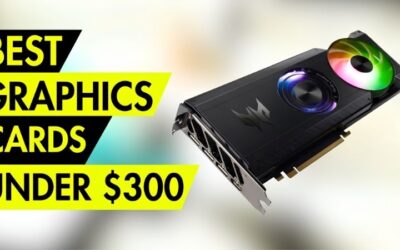
Nvidia RTX 4070 Super graphics card earned a reputation few GPUs ever achieve: the default answer. Through 2024 and 2025, “just get the 4070 Super” closed thousands of build threads, and the card’s owner ratings — clustered at 4.6-4.7 stars across every partner model — backed the consensus with rare unanimity. Now discontinued and circulating alongside its Blackwell successors, it deserves a proper 2026 review: what the hardware actually delivers today, why owners rated it so consistently, where its age genuinely shows, and which buyers it still serves in a market that has moved one generation past it.
As an Amazon Associate we earn from qualifying purchases at no extra cost to you.


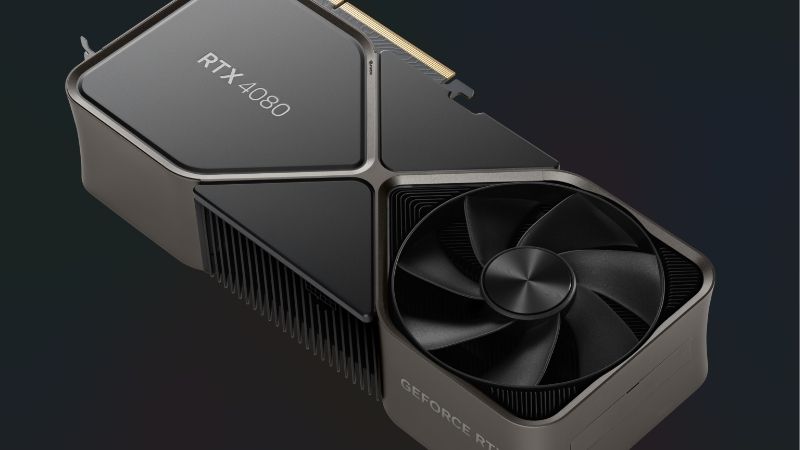
The Hardware: What Made It the Sweet Spot
The January 2024 Super refresh gave the base 4070 a meaningful 20% silicon bump: 7,168 CUDA cores against 5,888, with 12GB of GDDR6X at 504 GB/s and — remarkably — the same 220W TDP. That last number is the card’s engineering signature: near-4070 Ti performance inside a power envelope a 650W power supply feeds comfortably.
1440p Performance: Still the Home Resolution
The card’s home turf remains in excellent order: 1440p ultra delivers roughly 84 FPS in Cyberpunk 2077, 105 FPS in Horizon Forbidden West, and 160 FPS in Black Ops 6 — with DLSS upscaling, including the improved transformer model, extending everything 30-40% in supported titles. High-refresh 1440p without settings anxiety was the product promise, and it still holds.
Esports numbers complete the resolution map: 250-320 FPS at 1080p and 200+ FPS at 1440p competitive settings in Valorant and Counter-Strike 2, fully saturating the 240Hz monitors that define the tier — with frame-time consistency the logged sessions rank among Ada’s cleanest. Competitive players made up a meaningful slice of the card’s original audience, and their reviews remain the least qualified endorsements in the archive.
At 4K the card plays the honest mid-ranger: 50-60 FPS in demanding titles with DLSS Quality engaged, comfortable in older and lighter games, and constrained in the newest releases by both compute and the 12GB buffer at maximum textures. It reaches 4K; it does not live there.
Ray Tracing, DLSS 3, and the Generational Ceiling
Third-generation RT cores keep ray tracing genuinely usable at 1440p — Cyberpunk’s RT Ultra runs in the 60s with DLSS — and DLSS 3 frame generation doubles supported titles into high-refresh territory. For the feature set of its own generation, the card remains fully competent.
The ceiling is the next generation’s exclusive: DLSS 4 Multi Frame Generation never arrives here, capping the card at 2x generation while Blackwell multiplies to 4x. In the growing DLSS 4 library, that single exclusion is why a $549 RTX 5070 now out-delivers this card in effective frames despite nearly identical raster — the one comparison where the sweet spot’s age is structural rather than gradual.
Efficiency and Build: The Underrated Specifications
The 220W draw deserves its own section because owners cite it constantly: measured gaming loads near 200W produce 65-70°C temperatures on ordinary dual-fan coolers at noise levels reviews describe as forgettable — the highest compliment thermal design gets. No 12V-2×6 anxiety era card matched its calm; most models run a single 16-pin with included adapter or even legacy 8-pins on some designs.
Physical compatibility ages equally well: predominantly 2-2.5 slot designs around 240-300mm fit cases the 3-slot generation above abandoned, which is why small-form-factor builders kept this card in recommendations long after its replacement launched — and why compact-case communities still list it among the cleanest no-compromise fits available at its tier.
What Thousands of Owners Actually Reported
The review record is among the deepest of any Ada card, and its consistency is itself a finding: across partner models, price eras, and buyer types, the same praise and the same few complaints recur with unusual discipline.
The 4-5 Star Consensus
The dominant theme is the absence of drama: owners describe installing the card, closing the settings menu, and not thinking about their GPU again — “it just works” appears with a frequency usually reserved for appliances. Upgraders from Pascal and Turing hardware supply the most enthusiastic cohort, describing generational jumps of 2-3x with no power supply or case surgery required.
Efficiency earns the second chorus: quiet operation, cool rooms, and the repeated observation that the card delivers 4070 Ti-class results while drawing less than the previous generation’s midrange. Creators add a steady stream of approval for the 12GB buffer and NVENC encoder handling 1440p editing and streaming without complaint.
The creator record deserves one expansion because it shapes the used-buying case: 1440p and light 4K timelines, Stable Diffusion at standard resolutions, and dual-PC-free streaming via NVENC all fit the card’s envelope, with the 12GB ceiling arriving only at heavy 4K effects stacks and larger AI models. For a first creator machine on a budget, the used 4070 Super remains one of the most recommended cards in the workflow communities — efficiency and quiet operation matter double when the machine renders overnight.
The Honest Complaint File
The 2-3 star tier is thin and specific. The 12GB buffer draws the most forward-looking criticism — adequate at 1440p, tight for the card’s occasional 4K ambitions, and visibly the spec Nvidia priced down. A handful of texture-heavy 2025-2026 releases at maximum settings produce the swapping stutter that 16GB cards avoid, and reviewers flag it as the card’s first genuine aging line.
The remaining complaints are era-standard: occasional coil whine at very high frame rates on some units, and — dominating recent feedback — pricing frustration, as discontinuation pushed listings above the card’s value zone. Notably absent: reliability complaints, driver complaints, and thermal complaints, the three categories that usually fill GPU review floors.
Who It Still Serves in 2026
The card’s remaining constituency is precise: 1440p builders who find a clean used unit between $400 and $460, where its performance per dollar still beats the used field and its efficiency beats everything older. Small-form-factor builds extend the window slightly — the compact footprint commands legitimate scarcity value.
The used-buying method from the satisfied reviews applies with one favorable note: the 220W thermal history means these cards rarely suffered the abuse heavier GPUs endured, and pad degradation reports run notably lower than the GDDR6X cards above its class. The standard checklist still applies — stress-test screenshots, original packaging, temperatures verified inside the return window — but the failure base rate underneath it is among the used market’s lowest.
Outside that band, the succession is settled: at $480+ the new RTX 5070 wins on features, warranty, and frequently sticker price, while the RTX 5060 Ti 16GB underprices it with more memory. The sweet spot did not get worse; the market simply built its replacement.
The Market Around the Card in 2026
Discontinuation made this card’s pricing a market story rather than a product story, and two current industry forces explain its refusal to depreciate on schedule.
Why It Has Not Gotten Cheaper
The United States has approved Nvidia selling the H200 — one of its most powerful AI accelerators — to China, reopening enormous data center demand that competes with consumer GPUs for fabrication and memory supply. The cascade is mechanical: new GeForce supply tightens, 50-series prices hold above MSRP, and the used tier beneath them — where the 4070 Super now lives — holds firm in their shadow, because every used price is a discount against a new alternative.
Every previous AI demand surge tightened consumer availability within one to two quarters, and this generation’s persistent above-MSRP drift is the pattern operating in real time.
Memory Inflation Extends the Anomaly
Simultaneously, laptop and component prices are trending upward with memory leading the climb, as AI infrastructure absorbs DRAM production. Memory contracts negotiated quarters ahead bake the increases into new-card pricing through 2026 — and used prices track new prices with a short lag, which is why the historical endgame of replaced cards sliding toward clearance has stalled across the entire market.
For this card specifically: the $400-460 value window quoted above is more likely to drift upward than to widen downward, and buyers waiting for $350 listings are waiting on mechanics that no longer operate.
The Timing Read for Buyers and Owners
For buyers, the conclusion is direct: a verified unit inside the window today is the best version of this purchase that will exist — act inside it or redirect to the new alternatives, but do not wait for a discount era the supply data has cancelled. The used-market diligence standard applies in full: stress-test evidence, original packaging, temperatures verified inside the return window.
For owners, the same anomaly is a quiet gift: resale values this firm at this age make sell-and-upgrade arithmetic unusually favorable, and the 5070 Ti one tier up is the migration the owner reviews rate highest. Checking both sides of that trade on Amazon prices it in minutes.
Recommended Products

PNY
PNY GeForce RTX 4070 Ti 12GB XLR8 Gaming Verto Epic-X RGB Triple Fan Graphics Card DLSS 3
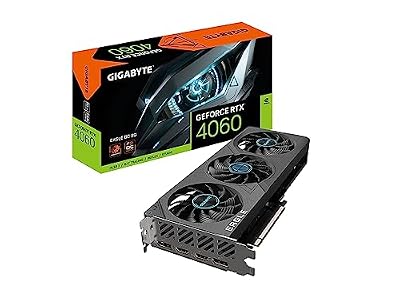
GIGABYTE
GIGABYTE GeForce RTX 4060 Eagle OC 8G Graphics Card, 3X WINDFORCE Fans, 8GB 128-bit GDDR6, GV-N4060EAGLE OC-8GD Video Card (Renewed)
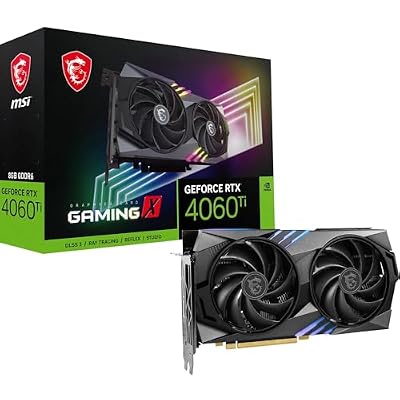
msi
MSI GeForce RTX 4060 Ti Gaming X 8G Graphics Card – RTX 4060 Ti GPU, 8GB GDDR6 (18Gbps/128-bit), PCIe 4.0 – Twin FROZR 9 (2 x TORX Fan 5.0), RGB – HDMI 2.1, DisplayPort 1.4a
As an Amazon Associate we earn from qualifying purchases. Product prices and availability are accurate as of the date/time indicated.
See more:
- ASUS TUF Gaming GeForce RTX 5090 3080 vs 5080
- Nvidia RTX 4070 Super graphics card
- Sapphire graphics card
- Is HDR good for gaming
- RTX 4080 vs 5070
Conclusion: The Default Answer, Reviewed One Last Time
The Nvidia RTX 4070 Super graphics card closes its era exactly as it lived it: the most agreeable GPU of its generation — efficient, quiet, compatible, and so reliably competent that its deepest review archive contains almost nothing dramatic to report. Its 2026 verdict is a window rather than a rating: at $400-460 used and verified, it remains a genuinely smart 1440p purchase; above that line, the Blackwell cards that inherited its mission serve new buyers better. The structural ceiling is singular and honest — no Multi Frame Generation, ever — and the market forces holding its price firm reward decisiveness on both sides of the trade. Check the current RTX 4070 Super listings against its successors on Amazon today, and give the default answer either its earned final purchase or its earned, well-priced farewell.
Frequently Asked Questions
What is the best nvidia rtx 4070 super graphics card in 2026?
The best nvidia rtx 4070 super graphics card depends on your budget and how you plan to use it. The options compared above are our top-rated picks based on real customer ratings, build quality, and overall value — start with the highest-rated model that fits your budget.
How much should I expect to spend on a nvidia rtx 4070 super graphics card?
Prices vary by brand and features. Budget options cover the essentials, while mid-range and premium models add durability, performance, and extra features. Compare the prices in the list above to find the best value for your needs.
What should I look for when buying a nvidia rtx 4070 super graphics card?
Focus on what matters most for your use case — build quality, compatibility, performance, warranty, and verified customer reviews. Every pick above is selected to balance these factors.
Are budget nvidia rtx 4070 super graphics card options worth it?
Yes. For most people a well-reviewed budget or mid-range nvidia rtx 4070 super graphics card delivers excellent value. You only need to spend more if you specifically require premium materials or top-tier performance.
How did we choose these nvidia rtx 4070 super graphics card picks?
We compare current Amazon ratings, review counts, key features, and price to surface the options with the best real-world value. The list is refreshed as ratings and availability change.

Write Your Review
No reviews yet. Be the first to share your experience!