
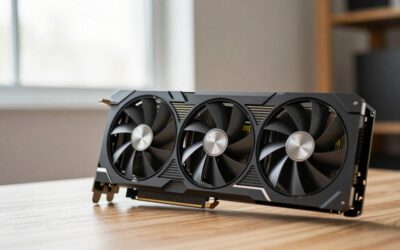
- Top Pick: msi Gaming GeForce RTX 3060 Ventus 2X 12G OC V1 Graphics Card – 15 Gbps GDRR6 Boost Clock: 1807 MHz 192-Bit HDMI/DP PCIe 4 Torx Twin Fan Ampere
- Best Value: NVIDIA GeForce RTX 3060 Ti Founders Edition 8GB GDDR6 PCI Express 4.0 Graphics Card (Renewed)
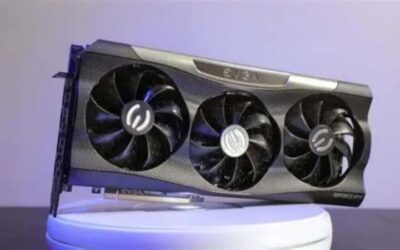
- Premium Choice: EVGA GeForce RTX 3060 XC Gaming, 12G-P5-3657-KR, 12GB GDDR6, Dual-Fan, Metal Backplate


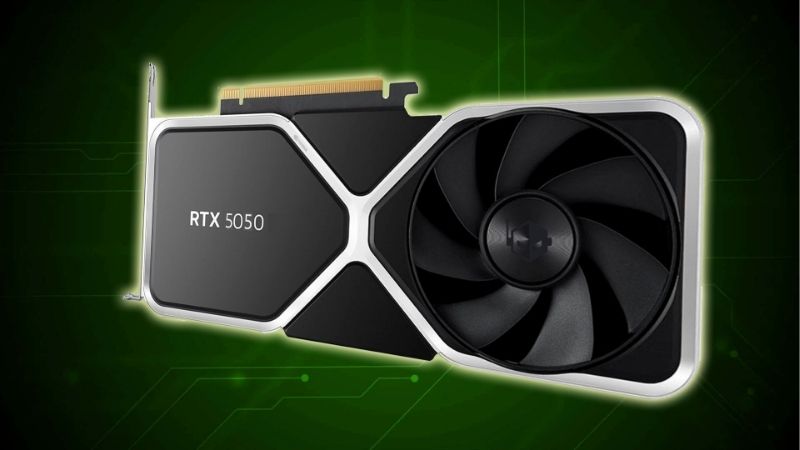
The rtx 5050 vs 3060 matchup pits Nvidia’s newest budget card against one of the most popular GPUs of the last five years, and the result is closer than the four-year age gap suggests. The 2025 RTX 5050 brings modern efficiency, DLSS 4 Multi Frame Generation, and a lower price, while the 2021 RTX 3060 counters with a larger 12GB memory buffer. Both target 1080p gaming on an 8GB-to-12GB budget. This breakdown shows exactly where each card wins and which one deserves your money in 2026.
Quick Verdict: RTX 5050 vs RTX 3060 at a Glance
Here is the short answer. The RTX 5050 is the better all-round pick, matching or slightly beating the RTX 3060 in raster while costing less, drawing far less power, and adding DLSS 4 Multi Frame Generation the older card cannot run. The RTX 3060’s one real advantage is its 12GB of VRAM against the 5050’s 8GB, which helps in a handful of memory-heavy scenarios. The table and mini-verdicts below sort it by what matters to you.
As an Amazon Associate we earn from qualifying purchases at no extra cost to you.



Who Wins the RTX 5050 vs RTX 3060 Value Race
On raster the newer card noses ahead. Testing shows the RTX 5050 matching and often slightly outperforming the RTX 3060 at 1080p, a strong result given the 3060’s higher shader count, and evidence that architecture and clocks matter more than raw core numbers across generations. That efficiency-per-core advantage is the recurring theme of this whole matchup, and it is what lets a smaller, cheaper chip keep pace with a once-pricier one.
Price and features sweeten the deal. The RTX 5050 launched at $249 against the 3060’s original $329, so it is both cheaper and newer, and it adds DLSS 4 Multi Frame Generation plus modern efficiency that the older Ampere card simply lacks.
The shortest answer: choose the RTX 5050 for the better price, lower power, and modern feature set, and only lean toward the RTX 3060 if you specifically want its larger 12GB frame buffer and can find one at a genuinely low price. For a new buyer that condition is increasingly hard to meet, since the 3060 is being phased out, which quietly tilts the everyday decision toward the newer card even before you weigh its features.
The Full RTX 5050 vs RTX 3060 Comparison Table
Specs settle arguments faster than prose, so here is the core sheet side by side. Use it to sanity-check any deal before you click through to a store.
| Spec | RTX 5050 | RTX 3060 |
|---|---|---|
| Architecture | Blackwell (GB207) | Ampere (GA106) |
| CUDA cores | 2,560 | 3,584 |
| Memory | 8GB GDDR6 | 12GB GDDR6 |
| Bus width | 128-bit | 192-bit |
| Upscaling | DLSS 4 + Multi Frame Gen | DLSS 2 (no frame gen) |
| Board power | ~130W | ~170W |
| Launch MSRP | $249 (2025) | $329 (2021) |
| Best for | New budget builds | VRAM on a budget |
The two lines that stand out are memory and power. The 3060 carries more VRAM on a wider bus, yet the 5050’s newer design lets it match or beat the older card in raw performance while drawing about 40W less electricity. It is a clean illustration of how a newer architecture on a smaller process can extract more from fewer cores, which is why cross-generation spec-sheet comparisons so often mislead.
Why 2026 Prices and Stock Reshape the Decision
Here is the context spec sheets skip: the RTX 3060 is a 2021 card being phased out, so finding one new at a fair price is getting harder, and a tight 2026 memory market has pushed budget GPU prices up rather than down. That scarcity often decides the matter, because a 3060 you cannot buy at a sensible price loses to a 5050 you can.
There is cautious good news, but it is weak and in the future. Prices have stopped climbing as steeply as they did in late 2025, and some hardware makers have reported a stretch of relative stability, while still warning that volatility is not over. For a budget buyer, the free-fall has paused rather than reversed.
Fresh supply is coming but is years away. New memory capacity, including DDR5 from Chinese suppliers and two Micron plants in Idaho, is not expected to run until 2027-2028. The practical takeaway: a new-in-stock RTX 5050 near $249 with a warranty is usually the smarter real-world buy than hunting a discontinued 3060, and waiting for a price crash is a weak plan at this tier. At the budget end especially, a card you can actually buy today near its intended price is worth more than a marginally different one you have to hunt for on dwindling old stock.
Deep Dive Face-Off: Performance, Features and Efficiency
The raster gap is narrow, so the decision leans on DLSS 4, the VRAM difference, and how each card fits a real budget build. This section walks those three battlegrounds with measured behavior rather than adjectives.
Raw Rasterization and 1080p Frame Rates
At 1080p, the resolution both cards are built for, the RTX 5050 matches or slightly leads the RTX 3060 in most titles. The margin is small, but it means the newer, cheaper card is not asking you to sacrifice performance for its modern features.
The RTX 3060’s wider 192-bit bus and larger buffer occasionally help in bandwidth or memory-heavy scenes, keeping it competitive despite its age. In the most demanding textures the extra VRAM can prevent the stutters an 8GB card sometimes shows.
The analytical read is a near tie in raw raster, tilting slightly to the 5050. For a 1080p gamer choosing on frames alone, the two are close enough that price, power, and features become the deciding factors rather than raw speed. That is a comfortable position for the 5050, because once frames are a wash, its lower price, cooler operation, and modern features all pull in the same direction.
DLSS 4 Multi Frame Generation and the VRAM Question
DLSS 4 is the RTX 5050’s decisive feature edge. Its Multi Frame Generation can insert AI-generated frames in supported titles for higher smoothness, a capability the RTX 3060 cannot access at all, since Ampere is limited to older DLSS 2 super resolution.
The experimental caveat is honesty about frame generation. At higher multipliers it can add latency and visual artifacts, so it is best treated as a bonus in supported games rather than a raw-power claim, but it remains a real advantage the older card lacks entirely.
The VRAM question runs the other way. The 3060’s 12GB buffer is genuinely useful in a few texture-heavy or modded games where the 5050’s 8GB can run short, so buyers who play such titles at maxed textures should weigh that capacity against the 5050’s feature and efficiency lead. For most mainstream players at 1080p, though, 8GB remains workable with sensible settings, so the 3060’s extra memory is a genuine but situational advantage rather than a decisive one.
Power, PCIe and Real-World Build Fit
On efficiency the RTX 5050 wins clearly, drawing about 130W against the 3060’s 170W. That lower draw means less heat, a quieter cooler, and an easier fit for compact or lower-wattage systems, with a modest 450W to 550W supply comfortably running either card.
One practical detail favors newer platforms: the RTX 5050 uses a PCIe 5.0 x8 interface, so on an older PCIe 3.0 motherboard it runs at reduced bandwidth that can trim a little performance. The 3060 on PCIe 4.0 is more forgiving on aging boards.
Both cards suit mainstream 1080p builds and pair well with a mid-range CPU. The efficiency and modern feature advantages of the 5050 make it the easier recommendation for a fresh system, while the 3060 remains a sensible choice only where its VRAM or price genuinely stand out. In practice that means the 3060 is now a niche pick, sensible mainly for buyers who land a cheap one and specifically need the larger buffer, while the 5050 covers the broad mainstream case.
Pros, Cons, Alternatives and Final Buying Advice
With raster close and features favoring the newer card, the recommendation gets simple once you weigh the honest scorecard against price and stock. This section covers the pros and cons, a stronger alternative if your budget can flex, and a clear verdict.
RTX 5050 vs RTX 3060: Pros and Cons Breakdown
The RTX 5050’s strengths are its lower $249 price, DLSS 4 Multi Frame Generation, better 130W efficiency, and newer Blackwell features. Its cons are an 8GB VRAM buffer that trails the 3060’s, and a PCIe 5.0 x8 link that can bottleneck on older boards.
The RTX 3060’s strengths are its 12GB of VRAM, a wider 192-bit bus, and a mature driver history. Its cons are higher 170W power draw, an aging DLSS 2 feature set with no frame generation, and shrinking availability as a 2021 card.
Put plainly: the 5050 wins on price, efficiency, and features, while the 3060 wins on VRAM capacity alone. The wrong move is paying a premium for a discontinued 3060 when a new 5050 offers more modern value for less. Recent 3060 owners in particular have little reason to switch, since the raster difference is small and they would be trading a larger buffer for a smaller one.
A Smart Alternative If Your Budget Can Stretch
If you can add a little to your budget, the RX 9060 XT 16GB is the standout step up, available not far above $300 and offering more performance plus a 16GB buffer that pairs the best of both worlds, capacity and speed. For buyers torn between the 5050’s features and the 3060’s memory, it neatly resolves the dilemma by offering both, which is why it is such a common upgrade recommendation.
For those set on Nvidia, the RTX 5060 at $299 adds faster GDDR7 memory and more CUDA cores while keeping DLSS 4, making it a sensible middle rung above the 5050 for not much more money.
Given the 2026 market, spending slightly more for a card with more VRAM and headroom is often the better long-term value than saving every dollar at the 8GB entry tier. Real price relief is years away, so a modest step up now pays off over the card’s life.
Final Verdict: Which Budget GPU Should You Buy
Buy the RTX 5050 for a new 1080p build, where its lower price, efficiency, and DLSS 4 feature set make it the more sensible modern choice over the discontinued 3060. For most fresh budget builds it is the clear pick.
Consider the RTX 3060 only if you find one cheap and specifically value its 12GB of VRAM for texture-heavy or modded games. Outside that narrow case, the newer card is the better all-round buy. Weigh how often your specific games actually exceed 8GB at 1080p, because for many libraries that simply does not happen, which further narrows the 3060’s appeal.
Whichever you choose, timing and stock matter most at this tier. Compare live prices and availability before you commit, and grab the card that offers the best real value in your region. Follow the link to check current prices and lock in the better buy.
See more:
- amd driver auto-detect tool
- nvidia geforce rtx 5080 best buy
- TechPowerUp GPU-Z
- nvidia china
- nvidia etf price
Conclusion
The rtx 5050 vs 3060 decision favors the newer card for most buyers: the RTX 5050 matches or beats the RTX 3060 in raster while costing less, running cooler, and adding DLSS 4 Multi Frame Generation, with the 3060’s only real edge being its 12GB of VRAM. In a 2026 market where budget prices have merely flattened and the 3060 is fading from shelves, a new 5050 at a fair price is the smart buy, with the 3060 reserved for cheap VRAM-focused deals. Compare current prices through the link above and secure the budget GPU that fits your build today.
Frequently Asked Questions
Does the RTX 3060 12GB beat the RTX 5050 because it has more VRAM?
In specific memory-limited scenarios yes, the 3060 with 12GB avoids texture streaming problems that a 8GB RTX 5050 hits. But in most games the 5050 is faster per frame thanks to Blackwell architecture, higher clocks and a much larger cache. Buy the 3060 only if you run modded titles, heavy texture packs, or light local AI workloads that need capacity.
What is the performance gap in typical 1080p games?
Expect the RTX 5050 to lead by roughly twenty to thirty percent in native rasterised 1080p, with a wider margin once ray tracing is enabled because Blackwell RT cores are substantially stronger than Ampere. Add DLSS 4 multi frame generation, available only on 50-series, and the perceived smoothness gap grows further in supported titles.
Which card is more power efficient?
The RTX 5050 draws about 130W against 170W for the RTX 3060, and delivers more performance while doing it. Both use a single 8-pin connector, but the 5050 needs only a 550W supply versus 600W recommended for the 3060. In a small case or a prebuilt with limited airflow the newer card runs cooler and quieter.
Do both cards support DLSS 4?
Both support DLSS 4 super resolution with the transformer model and ray reconstruction, which NVIDIA back-ported to RTX 20-series and later. Only the RTX 5050 supports multi frame generation, which inserts multiple generated frames per rendered frame. The RTX 3060 also lacks the newer ninth-generation NVENC encoder found on Blackwell cards.
Is either card suitable for 1440p gaming?
Neither is a comfortable 1440p card at high settings in current AAA releases. Both can manage 1440p in esports titles and older games, and the 5050 can approach it using DLSS Quality upscaling from 960p. For a genuine 1440p experience you should be looking at the RTX 5060 Ti 16GB or RX 9060 XT 16GB tier instead.
Ready to decide? Our #1 pick for 2026 is the Architecture.
Live price & availability on Amazon.


Write Your Review
No reviews yet. Be the first to share your experience!