
- Top Pick: iBUYPOWER Element SE Gaming PC Desktop Computer AMD Ryzen 5 8400F CPU, NVIDIA GeForce RTX 3050 6GB GPU, 16GB DDR5 RAM, 1TB NVMe SSD, Windows 11 Home, Gamer Keyboard and Mouse – ESA5N3501
- Best Value: KOTIN Prebuilt Gaming PC Ryzen 5 9600X, 16GB DDR5, RTX 5060 Ti 8GB, 1TB SSD
- Premium Choice: HELLOLAND King White Prebuilt Gaming PC – Ryzen 5 5500 (6-Core) CPU, RX 6500 XT 4GB GPU- 16GB DDR4 3200MHz RAM- 1TB PCIe SSD- 5 RGB Fans with Software, WiFi & Bluetooth- Windows 11 Desktop Computer
Best affordable CPU for gaming is not a single chip, it is whichever processor stops short of bottlenecking your graphics card and costs nothing beyond that. This guide ranks six AMD and Intel options by the GPU tier each one properly feeds, so you buy exactly enough processor and no more.
As an Amazon Associate we earn from qualifying purchases at no extra cost to you. Product prices and availability are accurate as of the date shown and are subject to change.


As an Amazon Associate we earn from qualifying purchases at no extra cost to you. Product prices and availability are accurate as of the date shown and are subject to change.
By Ryan Cole
How to Match the Best Affordable CPU for Gaming to Your GPU
Overspending on a processor while running a mid-range graphics card is the most common way to waste money on a build. Finding the best affordable CPU for gaming is a mechanical exercise of matching tiers, and these four checks cover it.
Work Backward From the Graphics Card
The GPU sets your frame rate ceiling in almost every modern title. A card in the RTX 5060 or RX 7700 XT class is comfortably fed by a current six-core chip, and adding a faster processor produces no measurable improvement at 1440p.
Move up to a card in the 5070 Ti class or above and the calculus changes, particularly at 1080p where the CPU has more influence. That is the point where an eight-core or cache-equipped chip starts converting into real frames.
Compare Platform Totals, Not Chip Prices
An Intel LGA 1700 build can reuse DDR4 on a B660 or B760 board, which keeps the entry cost low. LGA 1851 requires DDR5 and a more expensive board range, while AM5 requires DDR5 but starts from cheaper B650 options.
Price the processor, board and memory together before comparing chips. A processor that looks $40 cheaper frequently arrives on a platform that costs $100 more, and the listing page never makes that visible.
Understand What Hybrid Cores Do and Do Not Give You
Intel’s Core Ultra parts split their cores into performance and efficiency types, so a 14-core chip is not comparable to a 14-core AMD design. Games mostly use the performance cores, while the efficiency cores absorb background tasks.
The result is strong productivity numbers alongside mid-tier gaming performance. If the machine only plays games, that core count is buying you capability you will not use; if it also renders or compiles, it becomes genuinely valuable.
Budget for a Cooler If the Box Does Not Include One
The 65W AMD non-X chips and Intel’s locked F-series parts include serviceable coolers. K-suffix Intel chips and AMD’s X-suffix parts generally do not, and a decent tower cooler adds $30 to $40 to the build.
That is enough to change which processor fits the budget. Factor it in before comparing two chips that appear to be within $30 of each other, because one of them may effectively cost the difference twice.
What the 2026 Market Means for Affordable Gaming CPUs
Three developments this year change how much of a build’s budget should sit on the processor, and all three push the best affordable CPU for gaming further down the range rather than up it.
No New Silicon Until CES 2027
Zen 6, Intel’s Nova Lake and the RTX 50 Super refresh have all moved to CES in January 2027. If you are wondering whether to wait for cheaper current-generation chips, the answer is that the wait runs at least six months, then longer for retail supply.
That makes now a reasonable time to buy. Firmware across AM5, LGA 1700 and LGA 1851 is mature, memory compatibility problems have been resolved, and nothing arriving this year will make these processors obsolete.
Memory Costs Are Squeezing the Processor Budget
DRAM contract prices rose again through 2026 and no new capacity arrives before late 2027. A DDR5 kit now takes a larger share of a mid-range build than it did two years ago, and something else has to give.
The processor is the least painful place to economise. Dropping from an eight-core chip to a six-core one costs a few percent at 1440p with a mid-range card, while a weaker graphics card costs far more in every title.
The Cheap Motherboard Tier Is Thinning Out
Motherboard unit sales have fallen more than 25 percent, vendors have shifted SKUs upward, and promotional pricing ended in February 2026. Intel has also reduced its emphasis on mainstream consumer parts, which affects entry-level board availability.
Practically, the cheapest sensible board has crept up about one tier on both platforms. Check board pricing before settling on a socket, because the platform that looked cheaper on paper may no longer be.
Top Picks: Six Best Affordable CPU for Gaming Options
Each entry names the graphics card tier it properly feeds, because the best affordable CPU for gaming is defined by that pairing. Street pricing shifts constantly, so verify cost and availability before choosing a socket.
| Processor | Socket | Cores / Threads | Boost Clock | Memory | Suits GPU Tier |
|---|---|---|---|---|---|
| Intel Core i5-12400F | LGA 1700 | 6 / 12 | 4.4 GHz | DDR4 or DDR5 | Entry 1080p |
| Intel Core i5-14400F | LGA 1700 | 10 / 16 | 4.7 GHz | DDR4 or DDR5 | Mid 1080p |
| Ryzen 5 7500F | AM5 | 6 / 12 | 5.0 GHz | DDR5 | 1440p mid-range |
| Ryzen 5 9600X | AM5 | 6 / 12 | 5.4 GHz | DDR5 | 1440p high refresh |
| Intel Core Ultra 5 245K | LGA 1851 | 14 / 14 | 5.2 GHz | DDR5 | Mixed workloads |
| Ryzen 7 7800X3D | AM5 | 8 / 16 | 5.0 GHz | DDR5 | High-end GPUs |
Intel Core i5-12400F
The 12400F remains the cheapest processor worth putting in a gaming machine. Six cores and twelve threads at up to 4.4 GHz deliver solid 1080p frame rates, and LGA 1700 boards accept DDR4, which is where the real saving comes from.
It is a 2022 design and shows it against newer chips in CPU-limited titles, and LGA 1700 receives no further processors. Pair it with an entry graphics card and it does exactly what is needed for very little money.
Intel Core i5-14400F
Ten cores split between six performance and four efficiency units give the 14400F a useful edge over the 12400F in background-heavy scenarios like streaming while playing. It keeps the DDR4 option and includes a cooler in the box.
Gaming gains over the 12400F are modest, so the upgrade only makes sense if the machine multitasks. As with all LGA 1700 chips, the socket is finished, so this is a complete build rather than a starting point.
Ryzen 5 7500F
The 7500F is the value entry to AM5 and comfortably faster than either Intel i5 above in games. Six Zen 4 cores boosting to 5.0 GHz at 65W feed a mid-range card at 1440p without ever becoming the limiting component.
It requires DDR5 and a current board, so the platform total is higher than an LGA 1700 build. There is no integrated GPU either, which removes the fallback display output when a graphics card misbehaves.
Ryzen 5 9600X
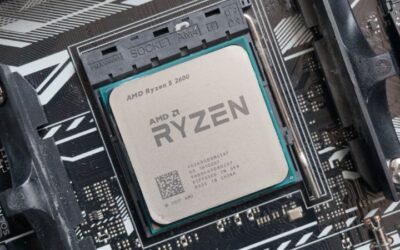
The 9600X is the fastest six-core option here, boosting to 5.4 GHz within a 65W envelope on Zen 5. It suits a high-refresh 1440p setup with a card around the RTX 5070 class, where the extra clock speed genuinely converts into frames.
Six cores remain the ceiling, so streaming, rendering or large strategy titles will expose it. If the price gap to a Ryzen 5 7600 is wide, the older chip delivers most of the same gaming result for less.
Intel Core Ultra 5 245K
The 245K is the mixed-workload pick. Fourteen hybrid cores make it far stronger in productivity than any six-core chip at similar money, and its efficiency is much better than the older i5 K-series parts it replaces.
In games it trails most of this list, and LGA 1851 boards start higher than B650 equivalents while offering no future CPU support. Buy it for the multithreaded work, not for the frame rates.
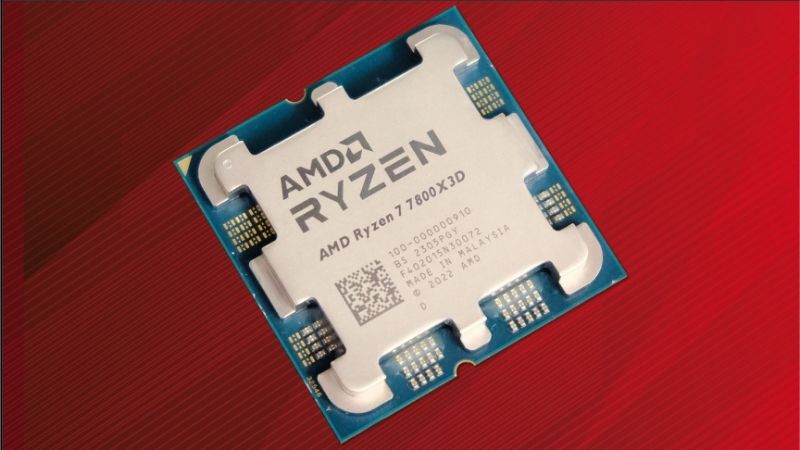
Ryzen 7 7800X3D
This is the point where affordable meets genuinely fast. Eight cores with 96MB of L3 cache put the 7800X3D ahead of everything else here in games, often by double-digit percentages in cache-sensitive titles, at a 120W TDP.
It costs considerably more than the six-core options and needs an aftermarket cooler. It only earns that premium behind a strong graphics card, because with a mid-range GPU the extra cache has nothing to unlock.
Frequently Asked Questions
These questions come up whenever builders try to work out how little processor the best affordable CPU for gaming really needs to be.
How much should a CPU cost in a gaming build?
Roughly 15 to 25 percent of the total, with the graphics card taking the largest share. Beyond that ratio you are usually buying capability the GPU cannot use, particularly at 1440p and above where the card sets the frame rate ceiling.
Does Intel or AMD offer better value at the budget end?
It depends on memory. Intel’s LGA 1700 chips accept DDR4, which keeps a cheap build cheap. AMD’s AM5 parts are faster in games but require DDR5 and a newer board, and they keep an upgrade path the Intel socket does not have.
Will a cheap CPU bottleneck my graphics card?
Only above its tier. A current six-core chip feeds a mid-range card fully at 1440p. Bottlenecks appear when a high-end GPU meets an entry processor, or at 1080p where the CPU has more influence over the final frame rate.
Is an X3D chip overkill on a budget?
Usually, yes. The extra cache pays off when a powerful graphics card has removed the GPU bottleneck. With a mid-range card the frame rates land in the same place as a much cheaper six-core chip, so the money belongs in the GPU instead.
See More:
- Who makes the best motherboard
- Best budget AM5 CPU for gaming
- What is the best thermal paste pattern
- Best mini ITX computer case
- Best desktop RAM for gaming
Final Thoughts
The best affordable CPU for gaming is whichever chip stops short of limiting your graphics card. With an entry card and existing DDR4, the i5-12400F is hard to beat on cost. For a mid-range 1440p build the Ryzen 5 7500F or 9600X is the sensible middle, and the 7800X3D only earns its price behind a strong GPU. Match the tiers and spend the difference on the card. Figures reflect August 2026 and should be verified before purchase.

Write Your Review
No reviews yet. Be the first to share your experience!