
- Top Pick: Glorto GeForce GT 730 4G Low Profile Graphics Card, 2X HDMI, DP, VGA, DDR3, PCI Express 2.0 x8, Entry Level GPU for PC, SFF and HTPC, Compatible with Windows 11
- Best Value: Glorto GeForce GT 730 2G GDDR5 Low Profile Graphics Card, PCI Express 2.0 x8, HDMI/DVI/VGA, Entry Level GPU for PC, SFF and HTPC, Compatible with Windows 11
- Premium Choice: Plugable USB 2.0 to HDMI, DVI, or VGA I Multi-Monitor External Video Graphics Card Adapter up to 1920×1080 Supports Windows 11, 10, 8.1, 7, XP, Mac, and ChromeOS
GPU not detected Windows 11 problems are particularly common after a fresh install or a major update, when the system runs on basic display output and refuses to recognize the dedicated card. More often than not the card is fine and the cause is a driver conflict, a Windows graphics setting, or a firmware option rather than failed hardware. This guide focuses on the Windows 11 specifics, walks through the fixes in a sensible order, and shows how to rule out a genuine hardware fault, drawing on patterns reported across many systems.
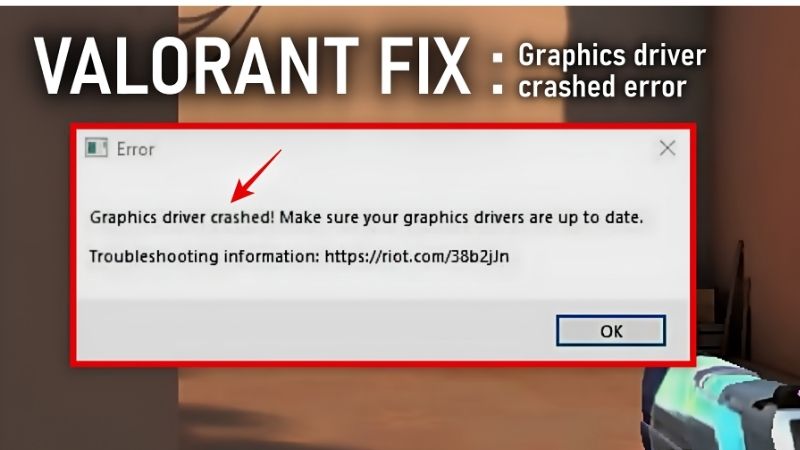
Worked through methodically, most GPU not detected Windows 11 cases resolve in software, with only a few pointing to the hardware.
As an Amazon Associate we earn from qualifying purchases at no extra cost to you.



Why Windows 11 Is Not Detecting Your GPU
When Windows 11 fails to see a graphics card, the cause usually sits in software or configuration rather than the card itself. Driver conflicts, the way Windows selects between graphics processors, and firmware settings are the main offenders. Identifying which applies is the first step before changing anything.
Driver and Windows Update Conflicts
The most frequent cause is a driver problem. A fresh Windows 11 install may load only a basic display driver, and a major update can replace or break a working driver, leaving the card unrecognized in the usual places.
Windows 11 also installs its own drivers automatically, which can conflict with a manually installed version or revert it unexpectedly. Users frequently report a card disappearing right after a feature update, which points squarely at software.
Because this is the most common cause, a clean driver reinstall is usually the first and most effective step.
The behavior of Windows 11 around drivers is worth understanding. The system fetches and installs its own graphics driver through update, which is convenient but can clash with a manufacturer driver installed separately. When the two disagree, the card can drop out of view until one of them is cleared, which is why a clean reinstall is so effective here.
Integrated vs Dedicated GPU Selection
On systems with both integrated and dedicated graphics, Windows 11 decides which to use, and that choice can leave the dedicated card looking absent. If the display is connected to the motherboard rather than the card, the system may default to integrated graphics entirely.
Windows 11 also has per-application graphics preferences that can route a game or program to the wrong processor. This makes the dedicated card appear unused even when it is installed and working.
Checking how Windows is assigning graphics duties often explains an apparently missing card.
Laptops complicate this further. Many use a hybrid setup where the integrated graphics handle the desktop and the dedicated card only activates for demanding apps, so the dedicated GPU can look absent until a game wakes it. Confirming the app is set to high performance, and that any external display is wired to the dedicated card, resolves much of this confusion.
BIOS and Firmware Settings
Firmware settings round out the common causes. A BIOS configured to prioritize integrated graphics, a disabled PCIe slot, or an option such as Resizable BAR interacting poorly with an older firmware can all affect detection.
On boards running a newer card than they originally shipped with, an outdated BIOS occasionally fails to initialize the card correctly under Windows 11. Updating or resetting the firmware addresses this.
Confirming the BIOS is set to use and enable the dedicated card is worth doing once the driver side is handled.
Resizable BAR is a setting worth a specific look. When enabled on firmware that does not fully support it, or paired with an out-of-date BIOS, it can interfere with how the card initializes. Toggling it off temporarily is a quick way to see whether it is contributing to the detection problem.
How to Fix GPU Not Detected in Windows 11
With the causes in mind, the fixes follow a clear order from driver work to Windows settings. Most Windows 11 detection issues resolve at this stage, so apply these steps in sequence before suspecting the hardware.
Clean Reinstall the Driver
Start by scanning for hardware changes in Device Manager, then perform a clean driver reinstall. Boot into safe mode, remove the existing driver completely with a dedicated uninstaller, then install the latest version fresh from the manufacturer.
This eliminates the conflicts that Windows 11 updates often introduce. If Windows keeps reverting your driver to its own version, adjust the update settings so it stops overwriting the one you installed.
A clean reinstall resolves the large majority of Windows 11 detection problems on its own.
If a single clean install does not stick, repeating it with the network disconnected can help, since it stops Windows from racing to install its own driver mid-process. Reconnecting only after the manufacturer driver is fully in place gives the correct version time to settle as the active one.
Adjust Windows 11 Graphics and Power Settings
Open the Windows 11 graphics settings and confirm that demanding applications are set to use the high-performance dedicated GPU rather than the integrated one. Connecting the display directly to the card, not the motherboard, also forces the system to recognize it.
Disabling fast startup can help, since it sometimes leaves hardware in an inconsistent state across reboots. Checking Device Manager for hidden or disabled devices occasionally reveals a card that simply needs re-enabling.
These settings target the Windows 11 specific causes that a driver reinstall alone may not cover.
The Device Manager view of hidden devices is an underused tool here. Enabling the option to show hidden and non-present devices can reveal a greyed-out card entry that simply needs re-enabling, or a duplicate that is causing a conflict. Clearing out stale entries sometimes restores detection without any other change.
Pros and Cons of Each Fix
Knowing the trade-offs of each approach helps you work efficiently. Here is the honest balance sheet for the Windows 11 fixes.
Pros
- Driver and settings fixes are free and resolve most cases.
- Adjusting graphics preferences is quick and easily reversed.
- Confirming the cause prevents an unnecessary hardware purchase.
Cons
- Windows updates can reintroduce a driver conflict later.
- BIOS changes require care and a restart to test.
- If the card has failed, software fixes only confirm it.
When It Is Hardware, Not Windows 11
If a clean driver, correct graphics settings, and sensible BIOS options still leave the card undetected, the issue may be hardware rather than Windows 11. Recognizing that lets you confirm the fault and respond appropriately. Here is how to proceed.
Confirming the Card Works
The clearest test is whether the card appears in the BIOS at all. A card visible in the firmware but missing in Windows 11 is a software problem, while one absent from the BIOS too points to hardware or a connection fault.
Installing the card in a second computer, or booting another operating system from a USB drive, confirms whether the card works outside your Windows 11 install. If it functions elsewhere, the problem is your Windows configuration, not the card.
This separates a Windows issue from a genuine hardware fault with confidence.
Booting a lightweight operating system from a USB drive is a particularly clean test. If the card is detected and drives a display under that environment, your Windows 11 install is the problem rather than the hardware, which points you back to a fresh driver or a settings fix rather than a replacement.
Reseating and Testing the Hardware
If the card is missing from the BIOS, treat it as a hardware check. Power down, reseat the card firmly, reconnect every power cable, and confirm the card draws power by watching its fans on startup.
Trying the card in a different PCIe slot, or testing a known-good card in your system, isolates whether the slot or the card is at fault. A card that fails in every slot and every system has likely failed.
These physical checks confirm whether the hardware, rather than Windows 11, is to blame.
Preventing Detection Issues After Updates
Most recurring Windows 11 detection problems follow updates, so clean driver practice is the best prevention. Reinstall drivers cleanly rather than over old files, and keep a known-good driver version on hand in case an update misbehaves.
Connecting the display to the card from the start, and keeping the BIOS reasonably current, also reduces the chance of the card disappearing after a major update. A quick check after each big update catches problems early.
These habits keep the card reliably visible. If a replacement does prove necessary, check the current price and choose a card that suits your system.
Creating a system restore point before major updates is a small habit that pays off. If an update breaks driver detection, rolling back to a known-good state is far quicker than rebuilding the configuration from scratch, and it lets you update again more carefully once the cause is understood.
See More:
- GPU for Valorant 240fps
- GPU for Fortnite 240fps
- GPU for CS2 high fps
- GPU for Apex Legends
- RTX 4070 Cyberpunk FPS
Conclusion
A GPU not detected Windows 11 issue is usually a driver conflict, a graphics-selection setting, or a BIOS option rather than a failed card, and the timing after an install or update is the biggest clue. Reinstall the driver cleanly, set the dedicated GPU as the high-performance choice, connect the display to the card, and check the BIOS before suspecting the hardware. If the card is missing from the BIOS and a second system too, it has failed and needs replacing. Keep your driver installs clean and your firmware current to prevent a repeat, and if you do need a new GPU, check the current price and choose one that fits your system and games.
Top-Rated Picks


| Product | Brand | Rating | Reviews | Price |
|---|---|---|---|---|
| ARCTIC MX-4 (4 g) – Premium Performance Thermal Paste… | ARCTIC | ★ 4.8 | 104k | $4.99 |
| ARCTIC MX-4 (incl. Spatula, 4 g) – Premium Performanc… | ARCTIC | ★ 4.8 | 71.9k | $5.49 |
| Crucial 8GB DDR4 RAM 3200MHz (PC4-25600), Downclockab… | Crucial | ★ 4.8 | 62.8k | $74.99 |
| AMD Ryzen 5 5600X 6-core, 12-thread unlocked desktop … | — | ★ 4.8 | 30.2k | $177.60 |
| NVIDIA Shield Remote; Voice Search, Motion-Activated,… | — | ★ 4.7 | 10.6k | $25.99 |
Frequently Asked Questions
Where should I look first when Windows 11 does not see the card?
Open Device Manager and check Display adapters. A Microsoft Basic Display Adapter entry means the card is present but the driver failed, while a missing entry or an unknown device under Other devices suggests the card is not being enumerated on the PCIe bus at all, which points at seating or power.
Can Secure Boot or CSM settings hide the GPU?
They can. Enable Above 4G Decoding, disable CSM so the system boots in pure UEFI mode, and ensure Resizable BAR is set consistently. Older cards without UEFI VBIOS may need CSM enabled instead. Update the motherboard BIOS first, since GPU enumeration fixes are common in newer firmware.
Does the monitor cable placement affect detection?
It affects what you see, not whether Windows detects the card, but people confuse the two constantly. If the cable is in the motherboard output, the discrete card can still appear in Device Manager while showing nothing on screen. Move the cable to the graphics card and set the primary display adapter to PEG in BIOS.
Is the 12VHPWR connector a common cause?
On RTX 40 and 50 series cards, yes. A partially seated 12VHPWR or 12V-2×6 plug leaves the sense pins disconnected, and the card may refuse to initialise. Unplug and reseat until the latch clicks audibly, and avoid tight bends within 35 mm of the connector body.
How do I confirm the card itself is dead?
Test it in another system, and test a known-good card in yours. If the card fails to appear in two different machines with different PSUs, the card is faulty. If it works elsewhere, focus on your motherboard slot, BIOS configuration, PSU cables, and Windows installation instead.





Write Your Review
No reviews yet. Be the first to share your experience!