
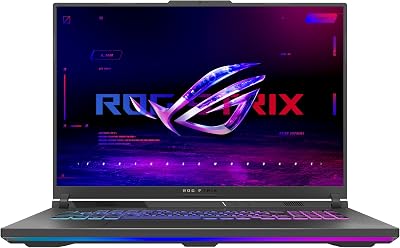
- Top Pick: ASUS ROG Strix G18 (2025) Gaming Laptop, 18” ROG FHD+ 16:10 144Hz, NVIDIA GeForce RTX 5050, AMD Ryzen 9 8940HX Mobile Processor, 16GB DDR5-5200Mhz, 1TB SSD, Wi-Fi 6E, Win 11 Home (Renewed)
- Best Value: ZOTAC Gaming GeForce RTX 5050 Twin Edge OC DLSS 4 8GB GDDR6 128-bit 20 Gbps PCIE 5.0 Gaming Graphics Card, SFF-Ready Compact Card, ZT-B50500H-10M
- Premium Choice: msi Gaming RTX 5050 8G Gaming OC Graphics Card (8GB GDDR6,128-bit, Extreme Performance: 2647 MHz, DisplayPort x3 2.1a, HDMI 2.1b, NVIDIA Blackwell Architecture)
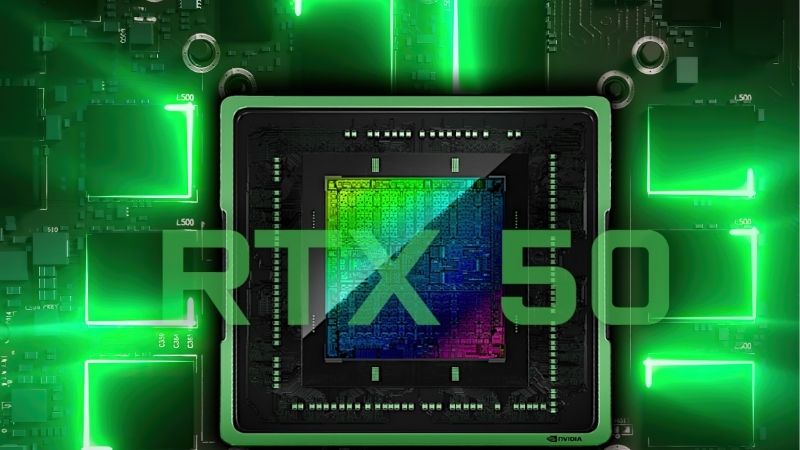
RTX 5050 Mobile is Nvidia’s most affordable way into a Blackwell gaming laptop in 2026, and it is aimed squarely at buyers who want modern features without a flagship price. It is the entry point of the RTX 50 laptop lineup, trading raw muscle for efficiency, DLSS 4, and a low cost of entry. This review breaks down what the chip actually delivers, how it stacks up against its siblings, and whether a laptop built around it is the smart budget buy.

What the RTX 5050 Mobile Actually Is
The RTX 5050 Mobile is the smallest member of Nvidia’s Blackwell laptop family, built on the compact GB207 silicon. It exists to bring current-generation features down to the cheapest tier of gaming notebooks, and understanding its specification is the key to setting realistic expectations before you buy.
As an Amazon Associate we earn from qualifying purchases at no extra cost to you.


Core Specifications
It helps to read these numbers as a coherent design rather than a list. Nvidia paired a modest core count with genuinely modern memory and a wider bus, betting that efficiency and features would matter more to budget laptop buyers than brute force. For a thin-and-light gaming machine, that is a defensible priority, and it shapes everything about how the chip behaves in practice.
The chip carries 2,560 Blackwell CUDA cores paired with 8GB of GDDR7 memory on a 128-bit bus, running at 24 Gbps for roughly 384 GB/s of bandwidth. It uses a configurable power envelope that tops out at 100W plus a further 15W of Dynamic Boost, for a 115W maximum in well-cooled machines.
That core count is identical to the previous RTX 4050 Laptop GPU, but the memory tells a better story: 8GB instead of 6GB, GDDR7 instead of GDDR6, and a wider 128-bit bus instead of the old 96-bit one. It is the same silicon philosophy with a meaningfully improved memory subsystem.
Rounding out the package are 5th-generation Tensor cores, 4th-generation ray-tracing cores, up to around 440 AI TOPS, plus PCIe 5 and DisplayPort 2.1a support. On paper this is a modern, efficient entry-level part rather than a rebadge.
Where It Sits in the Lineup
Because it shares memory and power specs with the 5060 Laptop, the 5050 is best understood as the value floor rather than a compromised afterthought. It gives buyers a way onto the current platform without the price of the faster chips above it, which is exactly the role a x50-class part is meant to play in every generation.
The RTX 5050 Mobile is the floor of the RTX 50 laptop stack, positioned below the RTX 5060 Laptop and well beneath the 5070 and above. It succeeds the RTX 4050 Laptop and is designed to slot into thin, light, and affordable machines.
Against the RTX 5060 Laptop, which has 3,328 CUDA cores, the 5050 gives up roughly 30% of the core count while sharing the same 8GB GDDR7 memory and the same 115W power ceiling. That makes the two unusually direct rivals within Nvidia’s own range.
In practical terms, its natural competition is last generation’s RTX 4060 Laptop, which it performs close to in raw rasterization. The difference is that the 5050 layers Blackwell’s newer features on top of that familiar performance level.
DLSS 4 and Blackwell Features
The headline reason to choose the 5050 over an older 4050 is software. Being a Blackwell part, it supports DLSS 4 with Multi Frame Generation, the exclusive frame-multiplying technology that can dramatically raise frame rates in supported games while Nvidia Reflex keeps latency low.
This is where an entry-level chip punches above its hardware. In games that support the full DLSS 4 suite, the 5050 can post frame rates far beyond what its 2,560 cores would suggest, which is exactly the audience-friendly trick budget buyers benefit from most.
The efficiency of GDDR7 also matters here, running cooler and using less energy than the older GDDR6, which lets laptop makers fit the chip into slim 15-millimetre chassis with better battery life. For a portable machine, that efficiency is a feature in itself.
RTX 5050 Mobile Performance and Value
Specifications only matter once they translate into frames, so this is where the RTX 5050 Mobile earns or loses its recommendation. The short version is that it is a capable 1080p chip with clear limits, and knowing those limits is the whole game.
1080p Gaming Reality
It is also worth setting expectations around settings rather than just resolution. The 5050 rewards a sensible mix of high and medium presets far more than a blind push for ultra, and paired with DLSS 4 that approach keeps frame rates smooth in the vast majority of modern titles a budget buyer will actually play.
At 1080p, the RTX 5050 Mobile handles modern titles at high settings with playable frame rates, and esports games run comfortably above the high-refresh thresholds competitive players care about. It is a genuine 1080p gaming chip, not a compromise that only technically runs today’s games.
Push it to 1440p or crank ray tracing without upscaling, and the modest core count and 8GB buffer start to show, forcing you toward medium settings. This is a card built for 1080p first, with DLSS 4 as the tool that stretches it further.
For the target buyer — someone gaming on a laptop’s native 1080p or 1200p panel — that is exactly the right balance. It plays the games this audience actually runs, at the resolution their screens actually use.
How It Compares to the RTX 5060 Laptop
The takeaway is to shop the two as a pair rather than in isolation. Because they are so closely related, the entire decision often reduces to the price difference between the specific laptops in front of you, and a small premium for the 5060’s extra performance is usually worth paying when it exists.
The most important comparison is against its next step up. Official manufacturer testing puts the RTX 5060 Laptop around 21% to 22% faster than the 5050 at the same 115W, a meaningful but not enormous gap given the two share memory and power specs.
That figure reframes the buying decision. If a 5060 laptop costs only a little more, its extra performance is usually worth stretching for; if the price gap is significant, the 5050 delivers most of the experience for less money.
Against last generation, the 5050 lands close to the RTX 4060 Laptop in raw performance while adding DLSS 4, so buyers cross-shopping older discounted machines should weigh newer features against a potential price saving on outgoing stock.
Pros and Cons of the RTX 5050 Mobile
User and reviewer sentiment on this chip is consistent: praise for its value and features, with reservations about its modest horsepower and 8GB memory. The table below distils the trade-offs that actually shape the decision.
| Pros | Cons |
|---|---|
| Cheapest route into a Blackwell laptop | Only 2,560 cores; modest raw horsepower |
| Full DLSS 4 with Multi Frame Generation | ~21% slower than the RTX 5060 Laptop |
| Efficient GDDR7; fits thin, cool, quiet laptops | 8GB buffer is tight for 1440p and heavy textures |
| 8GB and 128-bit bus, a real step up from RTX 4050 | Often priced close to 5060 laptops, narrowing its edge |
Read together, the pattern is clear: this is a focused, feature-rich 1080p chip whose only real risks are asking too much of it or overpaying relative to the 5060.
Prices, Laptops, and Market Timing in 2026
Because the RTX 5050 Mobile is only sold inside laptops, its “price” is really the price of the machines it powers — and that market has been anything but stable. Understanding the 2026 pricing climate is essential before you commit.
What RTX 5050 Laptops Cost
Remember, too, that the panel, storage, and build quality bundled around the chip can swing the real value as much as the GPU tier itself. A cheaper 5050 laptop with a poor screen is a worse buy than a slightly pricier one with a fast, accurate display, so weigh the whole machine, not just the sticker.
Early RTX 5050 gaming laptops from brands like Acer and MSI launched in the region of roughly $900 to $1,000, positioning the chip as the affordable on-ramp to current-generation portable gaming. Exact pricing varies with the CPU, screen, and build quality wrapped around the GPU.
Crucially, the price gap to RTX 5060 laptops has often been small, sometimes only a few tens of dollars. When that is the case, the faster chip becomes the obvious pick, so the 5050’s value depends heavily on catching a genuinely cheaper machine.
The upside is that 5050 laptops are sometimes paired with stronger CPUs than you would expect at the price, which can make them well-rounded machines for everyday use as well as gaming.
Laptop Prices and the 2026 Climate
The wider backdrop matters here, because laptop and component prices have been trending upward through this cycle. Rising memory and part costs have kept pressure on notebook pricing, which is part of why even entry-level gaming laptops sit where they do rather than lower.
There is cautiously encouraging news, though. The steep climb of late 2025 has eased into a stretch of relative stability, with some makers holding pricing steadier than the previous surge suggested, even if the market can still move.
The practical read is not to wait indefinitely for a dramatic collapse in laptop prices. Buying a well-configured 5050 machine when it hits a fair number is a sounder plan than holding out for a crash the current climate does not promise.
How to Buy an RTX 5050 Laptop Smart
The smartest approach is to shop the whole laptop, not just the GPU badge. Compare the exact price against nearby RTX 5060 models, and only choose the 5050 machine when its saving is real rather than symbolic.
Prioritise builds that pair the 5050 with a capable CPU, adequate cooling to sustain the full 115W, and a fast 1080p panel, since those choices determine how much of the chip’s potential you actually feel in games.
When a well-specified 5050 laptop lands at a fair price, that is your moment to act. You can check current RTX 5050 laptop prices and configurations through the link on our recommendations before you commit.
See More:
The Bottom Line on the RTX 5050 Mobile
The RTX 5050 Mobile is a smart, efficient entry point to Blackwell gaming laptops, delivering solid 1080p performance and the full DLSS 4 feature set at the lowest price in the RTX 50 range, with its only real caveats being modest raw power and a price that sometimes sits too close to the faster 5060. If you want current-generation features in an affordable, portable machine and you can find one genuinely cheaper than a 5060 laptop, it is an easy recommendation — tap the link on our site to check today’s live laptop prices before you buy.
Frequently Asked Questions
What performance should I expect from the RTX 5050 laptop GPU?
It is an entry-level Blackwell part aimed at 1080p gaming with settings dialled to medium or high in demanding titles, and comfortably high frame rates in esports games. Expect performance broadly in the region of the previous generation’s low-end mobile parts, with DLSS 4 doing much of the work in heavy releases rather than raw rasterisation.
How much VRAM does it have and is that enough?
The RTX 5050 laptop GPU carries 8GB of GDDR7. At 1080p with sensible texture settings that is adequate today, but it is the same capacity that already causes texture streaming stutter in some recent titles at higher settings. Since laptop memory cannot be upgraded, treat 8GB as a hard ceiling for the machine’s entire lifespan.
Why do two laptops with the same RTX 5050 perform differently?
Because total graphics power varies enormously between designs. Manufacturers configure the same chip anywhere from roughly 35W in thin chassis to around 100W in thicker gaming laptops, and the difference in sustained clocks is substantial. Always check the listed TGP and Dynamic Boost figure in the specifications rather than assuming the model name guarantees performance.
Does it support DLSS 4 and multi frame generation?
Yes. Being a Blackwell part, it supports DLSS 4 including multi frame generation in titles that implement it, which is arguably more important on an entry-level GPU than on a high-end one. Note that frame generation consumes additional VRAM, which interacts poorly with the 8GB buffer in the most demanding games at high texture settings.
Should I buy an RTX 5050 laptop or spend more on a 5060?
If your budget stretches, the RTX 5060 mobile is the better long-term purchase for its greater shading power, and step up further if a 12GB or larger frame buffer is available in your price range. The 5050 makes sense for esports, older libraries and study machines where a discrete GPU with modern encoding matters more than maximum settings.
Ready to decide? Our #1 pick for 2026 is the Cheapest route into a Blackwell laptop.
Live price & availability on Amazon.

Write Your Review
No reviews yet. Be the first to share your experience!