
- Top Pick: Thermal Grizzly PhaseSheet PTM (50x40mm) High Performance Thermal Pad
- Best Value: Thermal Grizzly Kryonaut – 1 Gram Thermal Paste Extremely High Performance
- Premium Choice: GSCOLER Thermal Putty Advance – 30 Gram – >15W/mK High Performance Replacement for Thermal Paste and Thermal Pads, Non-Conductive Gap Filler for Server, GPU VRAM, VGA Units, IC Chip & Heatsink
GPU thermal throttling is the quiet performance killer that lowers your frame rates without any error message: as the card gets too hot, it deliberately reduces its clock speed to protect itself, and you lose performance as a result. The good news is that throttling is both easy to detect and, in most cases, straightforward to fix. This guide explains how to spot thermal throttling, the cooling fixes that resolve it, and how to keep it from coming back, drawing on patterns reported across many cards and builds.
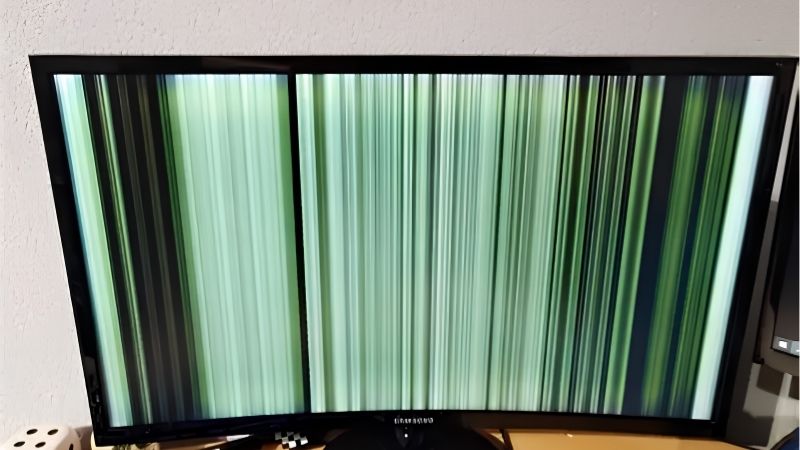
Worked through methodically, GPU thermal throttling is almost always solvable with better cooling rather than a new card.
As an Amazon Associate we earn from qualifying purchases at no extra cost to you.


What GPU Thermal Throttling Is
Throttling is a built-in safety response, not a fault, but it costs performance when it kicks in too early. Understanding how it protects the card, how to detect it, and what temperatures trigger it gives you everything you need to diagnose the problem. Here are the essentials.
How Throttling Protects the Card
When a graphics card reaches a preset temperature limit, it automatically lowers its clock speed and power draw to reduce heat. This protects the silicon from damage, trading performance for safety in the moment.
Throttling is therefore a feature working as intended, not a defect. The problem is not that the card throttles, but that it is getting hot enough to need to, which points to a cooling issue worth fixing.
Seen this way, throttling is a useful warning that the card is running hotter than it should.
There is a meaningful difference between occasional and constant throttling. A card that nudges its limit briefly during the most demanding moments is largely fine, whereas one that throttles steadily throughout a session is losing real performance and signalling a cooling problem worth solving. The frequency tells you how urgent the fix is.
How to Detect Thermal Throttling
The clearest sign of throttling is a frame rate that drops after several minutes of gaming, once the card has heated up, rather than instantly. If performance starts strong and fades as the session continues, throttling is the likely cause.
A monitoring tool confirms it directly: watch the core clock and temperature together, and if the clock falls as the temperature hits its limit, the card is throttling. That correlation is the definitive test.
This simple check turns a vague performance complaint into a confirmed, fixable cause.
A frame-rate counter alongside the temperature overlay makes the link obvious. When you see the frames per second drop at the same moment the clock falls and the temperature peaks, the cause is no longer in doubt. Capturing that on a graph during a long session is the clearest evidence of throttling you can gather.
Throttle Temperatures and Clock Behavior
Most modern cards begin throttling as they approach a temperature limit in the high eighties to low nineties in Celsius, though the exact figure varies by model. As that limit nears, the card steps its clocks down to hold temperatures in check.
You may see the clock bouncing as the card repeatedly throttles and recovers, which produces the uneven performance you feel. Memory temperatures can trigger throttling too, separately from the core.
Knowing the limits and watching the clock behavior tells you exactly how severe the throttling is.
It is worth separating core and memory throttling, since they have different limits and fixes. A core that throttles points to general cooling and paste, while memory that throttles points to the pads cooling the modules. Watching both temperatures during load tells you which part of the card is actually forcing the slowdown.
How to Fix GPU Thermal Throttling
Because throttling is caused by heat, the fixes are cooling fixes, running from simple cleaning to repasting and undervolting. Most throttling responds to one of these, so work through them in order of effort. Each lowers the temperatures that trigger the throttle.
Improve Cooling and Airflow
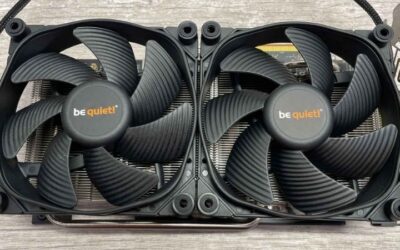
Start with the basics. Clean dust from the heatsink and fans with compressed air, and clear any clogged case filters so air can move freely, since dust is the most common reason a card starts throttling over time.
Improve the case airflow path with a sensible balance of intake and exhaust, and make sure cables are not blocking the flow. Giving the card cool air to draw in and a clear exit for hot air directly lowers its temperature.
This costs little and resolves much of the throttling that develops gradually.
The effect of a simple clean is often immediate and measurable. Because throttling is tied to a specific temperature limit, removing the dust that pushed the card over that line can restore full clocks straight away. Re-running the same game after cleaning, and watching the clock hold steady, confirms the fix worked.
Repaste and Tune the Fan Curve
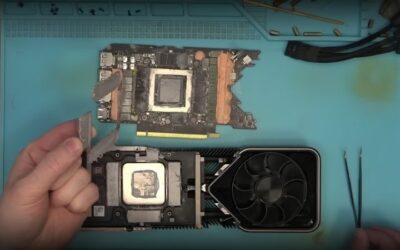
If cleaning is not enough on an older card, replacing the dried thermal paste with a quality compound, and refreshing the memory pads, can drop temperatures substantially and stop the throttling. Follow a guide for your specific model.
Set a more aggressive fan curve so the fans ramp up sooner and keep the card further from its limit. A little extra noise in exchange for stable clocks is usually a worthwhile trade for serious throttling.
Together, fresh paste and a tuned curve are among the most effective fixes for a throttling card.
Order matters when you combine these. Repaste first to lower the underlying temperatures, then build the fan curve around the card’s new, cooler behavior. Tuning a curve before fixing the paste only masks the heat, whereas doing it afterward lets you set a gentler, quieter curve that still keeps the card off its limit.
Pros and Cons of Undervolting
Undervolting lowers the voltage the card uses while holding its clocks, reducing heat directly and often eliminating throttling without sacrificing performance. It has trade-offs worth knowing.
Pros
- Lowers temperatures at the source, often stopping throttling entirely.
- Frequently maintains or even improves sustained performance.
- Reduces power draw and fan noise as a bonus.
Cons
- Requires testing to find a stable voltage.
- An unstable undervolt can cause crashes until tuned.
- Results vary between individual cards.
Advanced Steps and Prevention
If the basics are not enough, or you want to keep throttling away for good, a few further steps help. These range from the wider environment to ongoing monitoring. Here is how to go further.
Case and Ambient Considerations
The case and the room both affect throttling. A cramped or poorly ventilated case traps heat, while a high ambient room temperature raises the baseline the card has to work from, making throttling more likely in summer.
Adding case fans, choosing a well-ventilated case, and keeping the room reasonably cool all lower the temperature the card starts from. For a card that throttles only in warm weather, ambient temperature is often the deciding factor.
Improving the environment gives the card more thermal headroom before it ever needs to throttle.
Ambient temperature is easy to forget but surprisingly influential. The same card in the same case can run several degrees hotter on a warm afternoon than on a cool evening, which is why a system that never throttles in winter may start to in summer. Factoring the room into your expectations explains a lot of seasonal throttling.
Monitoring to Catch It Early
Keeping an eye on temperatures and clocks lets you catch throttling before it costs you a match or a session. A monitoring overlay showing temperature and core clock during gaming reveals exactly when the card approaches its limit.
Watching the trend over time also flags when dust is returning or paste is aging, so you can act before throttling sets in again. Knowing your card’s normal temperatures makes any rise easy to spot.
Regular monitoring turns throttling from a recurring surprise into something you manage proactively.
When Throttling Means a Deeper Problem
Occasionally a card throttles despite a thorough clean, fresh paste, and good airflow, which can indicate a cooler that is not mounted properly or, rarely, a deeper fault. Reseating the cooler with correct, even pressure sometimes resolves a stubborn case.
If a card continues to throttle heavily after every reasonable cooling fix, and especially if it is old and worn, replacement may be the practical option. Weigh the effort already spent against the card’s remaining value.
When a new card is the better path, check the current price and choose one with a strong cooler suited to your system.
Before concluding the card is at fault, confirm the readings are genuine. A misreporting sensor or a buggy monitoring tool can occasionally show throttling that is not really happening, so cross-checking with a second utility, and verifying that performance actually drops in practice, ensures you are chasing a real heat problem rather than a measurement glitch.
See More:
- GPU for Valorant 240fps
- GPU for Fortnite 240fps
- GPU for CS2 high fps
- GPU for Apex Legends
- RTX 4070 Cyberpunk FPS
Conclusion
GPU thermal throttling is the card protecting itself by lowering clocks when it gets too hot, and it shows up as performance that fades after several minutes of play. Detect it by watching the clock fall as the temperature hits its limit, then fix it by cleaning the card, improving airflow, repasting, tuning the fan curve, and undervolting to lower heat at the source. Keep the case well ventilated and monitor temperatures to prevent it returning. Only when every cooling fix fails should you treat the card as the problem, and if a replacement is ultimately needed, check the current price and choose one with a capable cooler. Most of the time, though, a clean, a repaste, and a sensible fan curve are enough to stop throttling and reclaim the lost performance.
Top-Rated Picks

Save $2.91


| Product | Brand | Rating | Reviews | Price |
|---|---|---|---|---|
| ARCTIC MX-4 (4 g) – Premium Performance Thermal Paste… | ARCTIC | ★ 4.8 | 104k | $4.99 |
| ARCTIC MX-4 (incl. Spatula, 4 g) – Premium Performanc… | ARCTIC | ★ 4.8 | 71.9k | $5.49 |
| Crucial 8GB DDR4 RAM 3200MHz (PC4-25600), Downclockab… | Crucial | ★ 4.8 | 62.8k | $74.99 |
| AMD Ryzen 5 5600X 6-core, 12-thread unlocked desktop … | — | ★ 4.8 | 30.2k | $177.60 |
| NVIDIA Shield Remote; Voice Search, Motion-Activated,… | — | ★ 4.7 | 10.6k | $25.99 |
Frequently Asked Questions
At what temperature does thermal throttling begin?
Nvidia Ada and Blackwell cards begin reducing clocks near 83C and hard throttle around 88 to 90C, while AMD RDNA 3 allows junction temperature up to 110C before intervening. Hot spot readings matter more than core: a gap over 20C between core and hot spot signals uneven cooler contact or dried paste.
How do I detect throttling reliably?
Run a 20 to 30 minute loop of 3DMark Steel Nomad or a demanding game while logging with HWiNFO64. Look at the Performance Limit Thermal sensor and watch whether clocks decline as temperature rises. GPU-Z Perfcap Reason showing Thrm during the run is definitive confirmation.
Does throttling damage the card?
No, throttling exists to prevent damage. Sustained high temperature does accelerate thermal paste pump-out, capacitor ageing, and fan bearing wear over years, so a card that constantly runs at its limit will likely need repasting sooner. Performance loss and noise are the immediate costs, not sudden failure.
What gives the biggest temperature improvement?
In order of effect: undervolting, which can cut 40 to 70 watts; improving case intake airflow; cleaning dust from the fin stack; and finally repasting with fresh compound and correctly sized thermal pads. Undervolting is free, reversible, and typically the single best return on effort for any modern card.
Should I consider a vertical mount or an open frame case?
Vertical mounting often hurts unless you have a riser and generous clearance from the side panel, since it starves the fans. Open frame cases help but attract dust rapidly. A conventional case with good front-to-back airflow and unobstructed clearance beneath the card outperforms most exotic layouts for GPU temperature.




Write Your Review
No reviews yet. Be the first to share your experience!