
- Top Pick: EVGA GeForce RTX 3080 Ti XC3 Ultra Gaming, 12G-P5-3955-KR, 12GB GDDR6X, iCX3 Cooling, ARGB LED, Metal Backplate
- Best Value: EVGA GeForce RTX 3080 Ti FTW3 Ultra Gaming, 12G-P5-3967-KR, 12GB GDDR6X, iCX3 Technology, ARGB LED, Metal Backplate (Renewed)
- Premium Choice: EVGA GeForce RTX 3080 Ti XC3 Ultra Gaming, 12G-P5-3955-KR, 12GB GDDR6X, iCX3 Cooling, ARGB LED, Metal Backplate (Renewed)
Top Evga 3080 This Premium Gpu Picks for 2026
Here are our current top evga 3080 this premium gpu picks, compared on real Amazon owner reviews, price, and features. Live prices update below.


Editor's Pick
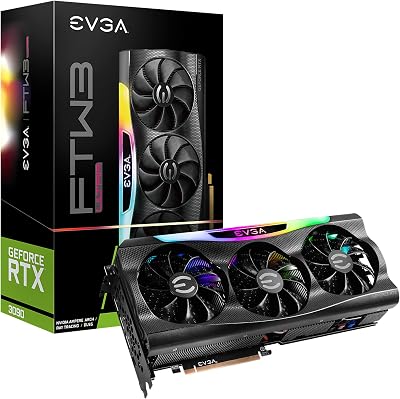
EVGA GeForce RTX 3080 Ti FTW3 Ultra Gaming, 12G-P5-3967-KR, 12GB GDDR6X, iCX3 Technology, ARGB LED, Metal Backplate (Renewed)

Limited Time
EVGA GeForce RTX 3080 FTW3 Ultra Gaming, 10G-P5-3897-KL, 10GB GDDR6X, iCX3 Technology, ARGB LED, Metal Backplate, LHR

Dropped $30.00

Dropped $218.01
As an Amazon Associate we earn from qualifying purchases at no extra cost to you. Product prices and availability are accurate as of the date shown and are subject to change.




EVGA 3080 Ti holds a special place in the used GPU market, and not only because of its performance. EVGA was once Nvidia’s most beloved board partner, famous for premium cooling and legendary customer support, before it left the graphics business entirely in 2022. That exit turned its cards into something close to collector hardware. This review looks at what the EVGA 3080 Ti actually delivers in 2026, what owners report after years of use, and whether this premium Ampere card still deserves a spot in your build or your wishlist.
EVGA 3080 Ti Specs and What Made It Special
The 3080 Ti was Ampere’s near-flagship, and EVGA’s versions wrapped that silicon in some of the best cooling and build quality of the generation. Understanding both the underlying GPU and EVGA’s specific touches explains why these cards still command attention.
Core GPU Specifications
The RTX 3080 Ti is built on the GA102 die with 10,240 CUDA cores, 12GB of GDDR6X memory on a wide 384-bit bus, and 912 GB/s of bandwidth. Its rated power draw is a hefty 350W.
Those numbers still translate to strong performance. The 3080 Ti sits just below the old RTX 3090 and remains a capable 1440p and entry 4K card, with enough VRAM to handle modern textures better than 8GB and 10GB cards from the same era.
In day-to-day terms, that means the 3080 Ti can hold high texture settings in modern games where a 10GB card might force compromises. For 1440p gamers who hate dropping settings, the extra memory is a quiet but meaningful advantage that justifies part of the card’s premium positioning.
The wide memory bus is a genuine strength. It gives the card breathing room in demanding scenes where narrower budget GPUs choke, which is part of why the 3080 Ti has aged more gracefully than some newer mid-range options.
It is worth putting the 3080 Ti in context against its siblings. It sits just a step below the RTX 3090 in gaming while costing far less, and it comfortably outperforms the standard 3080 in memory-limited scenarios thanks to its extra VRAM and wider bus. For 1440p high-refresh play, it remains a genuinely strong performer years after launch.
The EVGA Difference: Cooling and Build
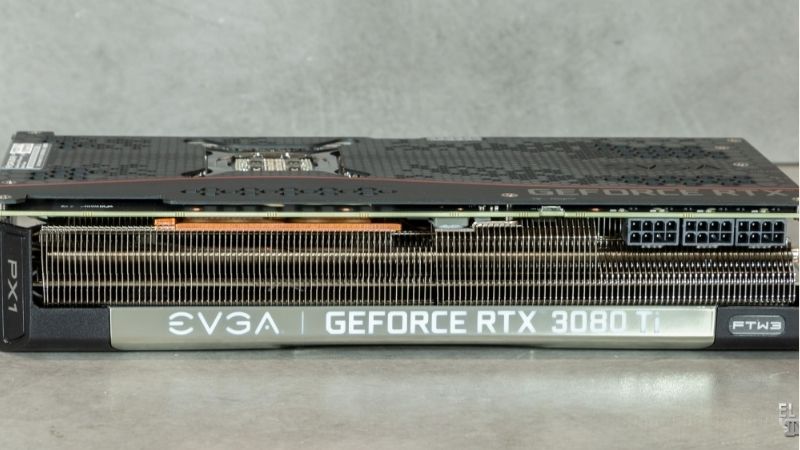
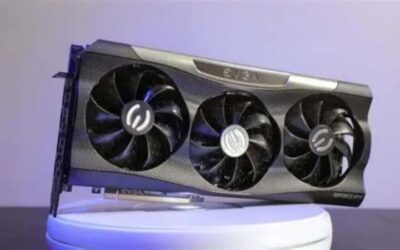
EVGA’s premium 3080 Ti models, especially the FTW3 Ultra, used the company’s iCX3 cooling with multiple temperature sensors and a triple-fan shroud. The result was lower temperatures and quieter operation than many rival designs.
Build quality was a hallmark. Reinforced backplates, sturdy power delivery, and clean RGB implementation gave these cards a premium feel that owners still mention years later.
EVGA also shipped its Precision X1 software for tuning fan curves and clocks, a polished experimental toolkit that made overclocking and undervolting approachable for everyday users.
Precision X1 also exposed the card’s telemetry in a clean interface, letting owners watch memory junction temperatures, set custom fan curves, and dial in a stable profile without third-party tools. For buyers who like to tinker, that software ecosystem was a genuine part of the EVGA appeal and remains usable today even though the company no longer develops new GPUs.
That tuning flexibility matters more in 2026 than it did at launch. Owners frequently undervolt these cards to tame the heat and noise that come with 350W of Ampere silicon, trading a sliver of performance for a much cooler, quieter system. The EVGA software made that process simple, which is part of why these cards remain pleasant to live with despite their power appetite.
Why the EVGA Brand Still Matters
In 2022 EVGA announced it would stop making graphics cards and end its long partnership with Nvidia. That decision instantly made every EVGA GPU a finite, no-longer-produced product.
For buyers, this cuts two ways. EVGA’s famously strong warranty and support built deep loyalty, but with the company out of the GPU market, remaining warranty coverage and RMA options are limited. That context is essential when judging a used EVGA 3080 Ti today.
Real-World Performance and Owner Feedback
Specs describe the card; years of ownership reveal its character. Synthesizing the pattern across enthusiast reviews and buyer feedback, the EVGA 3080 Ti earns consistent praise for cooling and reliability, alongside a few recurring complaints tied to its age and power appetite. Here is the honest picture.
What Owners Praise
The loudest praise is for thermals and noise. Owners of the FTW3 models routinely report cool, quiet operation even under sustained load, crediting the iCX3 cooler for keeping the hot-running GDDR6X in check.
Performance satisfaction is high for 1440p high-refresh gaming, where the card consistently delivers strong frame rates across modern titles. The 12GB VRAM buffer draws frequent appreciation for handling textures that trip up smaller cards.
EVGA’s support legacy comes up again and again. Long-time owners describe trouble-free years and remember the brand’s customer service fondly, which keeps demand for these cards stubbornly high.
There is a collector dimension as well. Because EVGA will never make another GPU, the cleanest FTW3 units have taken on a degree of scarcity value among enthusiasts. That does not make them a smart purchase for everyone, but it does explain why prices have not collapsed the way they have for some comparable cards from brands still in the market.
Common Complaints from Lower Ratings
The most frequent criticism is power and heat output. At 350W the card warms a room and demands a strong power supply, which surprises buyers coming from more efficient modern GPUs.
Some owners flag GDDR6X memory temperatures during heavy mining-era use, a reminder that many used units had hard prior lives. Verifying a card’s history before buying is essential.
The other recurring worry is the warranty question. With EVGA gone from the GPU space, buyers note that support is no longer what it was, making seller reputation and physical condition more important than usual.
Practical advice follows from this: ask for proof of the card’s history, photos of the actual unit, and confirmation it was not used heavily for mining. A clean EVGA 3080 Ti from a careful owner can still serve for years, but the burden of verification now sits with the buyer rather than a warranty department.
Pros and Cons of the EVGA 3080 Ti
Bringing the specs and feedback together produces a clear verdict on who this card suits. Here is the balance sheet for the EVGA 3080 Ti.
- Pros: excellent iCX3 cooling, quiet operation, strong 1440p performance, generous 12GB VRAM, premium build, sought-after brand legacy.
- Cons: high 350W power draw, runs hot internally, used-only with limited warranty, no DLSS 4 Multi Frame Generation, premium used pricing.
The pattern is clear: as a premium used Ampere card the EVGA 3080 Ti remains desirable, but its power draw and the brand’s exit mean buyers must shop carefully.
Pricing, the 2026 Market, and Who Should Buy
Because the EVGA 3080 Ti exists only secondhand, its value depends entirely on used pricing, and the 2026 market is keeping those prices firmer than age alone would suggest. Two industry forces are at work, and they shape whether buying now is wise.
Current Pricing and the Memory Shortage Effect
A severe GDDR7 and DRAM memory shortage has driven new RTX 50-series prices well above MSRP, with the RTX 5090 selling far past its $1,999 launch price. When new cards inflate, buyers spill back into the used market, propping up prices for premium older cards like the EVGA 3080 Ti rather than letting them slide.
Compounding this, the US approved Nvidia’s H200 AI chip sales to China in early 2026, prompting orders for millions of units. Nvidia prioritizes that hugely profitable AI demand, diverting wafers and memory away from consumer GPUs and tightening supply. With laptop and component prices rising too, the message for used-market shoppers is direct: premium secondhand cards are holding value, so a clean EVGA 3080 Ti at a fair price is unlikely to get cheaper soon.
The Alternatives Worth Considering
An honest review weighs alternatives. A new RTX 5070 delivers similar or better performance with DLSS 4, far lower power, and a fresh warranty, often for comparable money to a premium used 3080 Ti.
For buyers who specifically want the EVGA build and 12GB of VRAM, though, few modern cards replicate that cooling and brand character. Compare a fairly priced EVGA unit against a new 5070 before deciding.
Buyers who simply want strong 1440p performance without the brand premium should also look at a used standard RTX 3080 or a 4070, both of which can cost less. The EVGA tax is real, so it only makes sense if the cooling, build, and brand legacy genuinely matter to you rather than raw value alone.
Final Verdict: Is It Worth It Today
The EVGA 3080 Ti is worth buying for the enthusiast who values premium cooling, strong 1440p performance, and the brand’s storied legacy, and who can verify a clean unit from a trustworthy seller.
Buyers focused purely on efficiency, warranty, and the newest features will be happier with a current-generation card. The EVGA 3080 Ti is a connoisseur’s pick, and bought with care it still delivers a genuinely premium experience.
See more:
- What graphics card do I have?
- How to tell what graphics card I have
- 5070 Ti vs 4080
- 5060 vs 3080
- RTX 2060 graphics card
Recommended Products

ASUS TUF Gaming NVIDIA GeForce RTX 5070 12GB GDDR7 OC Edition Graphics Card, (PCIe 5.0, HDMI/DP 2.1, 3.125-Slot, Military-Grade Components, Protective PCB Coating, Axial-tech Fans), 3 Year Warranty
-8%
View on Amazon
July 24, 2026

ZOTAC
ZOTAC Gaming GeForce RTX 4060 Ti 8GB Twin Edge OC White Edition DLSS 3 8GB GDDR6 128-bit 18 Gbps PCIE 4.0 Compact Graphics Card, IceStorm 2.0 Advanced Cooling, Spectra RGB Lighting, ZT-D40610Q-10M
View on Amazon
1 day ago

msi
MSI GeForce RTX 4060 Ti Gaming X Slim 16G Graphics Card – NVIDIA RTX 4060 Ti, 16GB GDDR6 Memory, 18Gbps, PCIe 4.0, Twin Frozr 9, RGB, DLSS3
View on Amazon
1 day ago
As an Amazon Associate we earn from qualifying purchases. Product prices and availability are accurate as of the date/time indicated.
Conclusion
The EVGA 3080 Ti remains one of the most desirable used GPUs of its era, pairing capable 1440p performance and a roomy 12GB VRAM buffer with EVGA’s outstanding cooling and a brand legacy that ended when the company left the GPU business. Its 350W appetite and limited warranty are real trade-offs, but the build quality endures. With 2026’s memory shortage and AI-chip demand keeping used prices firm, a clean, fairly priced EVGA 3080 Ti is unlikely to drop further. Compare current EVGA 3080 Ti listings against modern alternatives on Amazon, verify the seller and condition, and buy with confidence if the price is right.
Frequently Asked Questions
What is the best evga 3080 ti in 2026?
The best evga 3080 ti depends on your budget and how you plan to use it. The options compared above are our top-rated picks based on real customer ratings, build quality, and overall value — start with the highest-rated model that fits your budget.
How much should I expect to spend on a evga 3080 ti?
Prices vary by brand and features. Budget options cover the essentials, while mid-range and premium models add durability, performance, and extra features. Compare the prices in the list above to find the best value for your needs.
What should I look for when buying a evga 3080 ti?
Focus on what matters most for your use case — build quality, compatibility, performance, warranty, and verified customer reviews. Every pick above is selected to balance these factors.
Are budget evga 3080 ti options worth it?
Yes. For most people a well-reviewed budget or mid-range evga 3080 ti delivers excellent value. You only need to spend more if you specifically require premium materials or top-tier performance.
How did we choose these evga 3080 ti picks?
We compare current Amazon ratings, review counts, key features, and price to surface the options with the best real-world value. The list is refreshed as ratings and availability change.


Write Your Review
No reviews yet. Be the first to share your experience!