
Top Rtx 2060 Graphics Card Still Picks for 2026
Here are our current top rtx 2060 graphics card still picks, compared on real Amazon owner reviews, price, and features. Live prices update below.


Editor's Pick
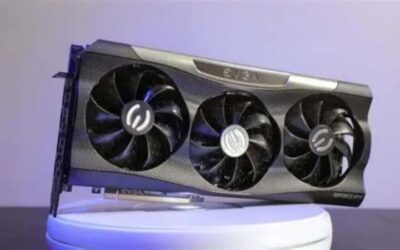
EVGA 06G-P4-2068-KR GeForce RTX 2060 KO Ultra Gaming, 6GB GDDR6, Dual Fans, Metal Backplate


Top Rated
ZOTAC Gaming GeForce RTX 2060 6GB GDDR6 192-bit Gaming Graphics Card, Super Compact, ZT-T20600K-10M
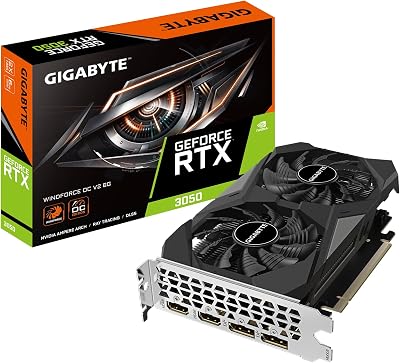

RTX 2060 graphics card remains one of the most searched budget GPUs of 2026, and that staying power says something. Launched back in 2019 as Nvidia’s entry into real-time ray tracing, the RTX 2060 has aged into a dependable 1080p workhorse that now lives almost entirely on the used and discount market. This review pulls together its hard specs, the experience owners actually report, and an honest look at where it shines and where it stumbles, so you can decide whether this aging Turing card still earns a place in your build today.
As an Amazon Associate we earn from qualifying purchases at no extra cost to you.





RTX 2060 Specifications and Architecture
Before weighing whether the card is worth buying, it helps to understand exactly what you are getting. The RTX 2060 was built on Nvidia’s Turing architecture, the generation that introduced dedicated ray tracing and AI hardware to consumer GPUs. Its numbers are modest by 2026 standards, but they tell a clear story about its target audience.
Core Specs and Memory
The RTX 2060 uses the TU106 die with 1,920 CUDA cores, paired with 6GB of GDDR6 memory on a 192-bit bus delivering 336 GB/s of bandwidth. Its rated power draw is a tame 160W.
That 6GB memory buffer is the single most important number here. In 2019 it was comfortable; in 2026 it is the card’s main constraint, since several modern titles request more than 6GB at high textures. A later 12GB variant exists and is worth seeking out if you can find one at a fair price.
For a card aimed squarely at 1080p, the specs are balanced rather than spectacular. The bandwidth and core count line up well for high-refresh play in older and lighter games.
Compared with the GTX 1060 it effectively replaced, the 2060 delivered a large generational jump, which is why it became a default recommendation for budget builders for years. That reputation still drives much of its search traffic today, even as newer cards have moved the goalposts. Knowing the raw numbers helps you judge whether the price you are quoted reflects a fair deal or nostalgia tax.
Turing Features: Ray Tracing and DLSS
The RTX 2060 was the cheapest card of its era to include RT cores for ray tracing and Tensor cores for DLSS. That made it a milestone product rather than just another mid-range GPU.
In practice, first-generation ray tracing is heavy for this card. Enabling it in demanding titles drops frame rates sharply, so most owners treat it as a feature to sample rather than rely on. DLSS upscaling, however, genuinely helps, recovering lost frames in supported games and extending the card’s useful life.
This is the experimental wrinkle that keeps the 2060 interesting in 2026. Even as a first-generation RT and Tensor card, it can run DLSS in a growing library of titles, and that single feature often makes the difference between a game feeling sluggish and feeling smooth. It will never match the frame-generation tricks of newer cards, but the underlying AI upscaling remains genuinely useful and is a big reason the card has not been fully left behind.
It is important to set expectations on the AI side. The 2060 supports DLSS upscaling but not the newer Multi Frame Generation found on the RTX 40 and 50 series, so it cannot match newer cards’ smoothness tricks.
How It Compares in the 2026 Lineup
Against current hardware, the RTX 2060 sits well below even the entry RTX 50-series cards in raw power. A modern RTX 5060, for example, roughly doubles its performance while drawing similar power and adding DLSS 4.
Yet the comparison that matters for buyers is price. As a cheap used or clearance card, the 2060 competes not with new GPUs but with other budget options, and there its value can still hold up.
It also competes with itself across two memory configurations. The original 6GB model and the later 12GB revision share a name but behave differently in modern games, where the larger buffer noticeably reduces stutter. When you shop, confirming which version a listing actually offers is one of the most important checks you can make, because the price difference rarely reflects the real-world gap.
Real-World Performance and Owner Feedback
Specs only describe potential; daily use reveals the truth. Gathering the pattern from thousands of buyer reviews, a consistent picture emerges of where the RTX 2060 graphics card delights its owners and where it frustrates them. This section blends the praise from satisfied 1080p gamers with the recurring complaints that pull its ratings down.
What Owners Praise
The most common positive theme is smooth 1080p gaming. Owners repeatedly report locked 60 FPS and beyond in popular competitive and older AAA titles, often at high settings.
Buyers also praise the card’s efficiency and quiet operation. At 160W it runs cool, pairs with modest power supplies, and fits compact builds without drama. Many describe it as a reliable, low-fuss card that simply works for years.
For people upgrading from much older hardware, the jump feels dramatic, and the value-per-dollar on the used market draws frequent applause from budget builders.
Streamers and content creators on a tight budget also point to the Turing NVENC encoder as a quiet strength. It handles game capture and streaming with little performance cost, a feature that punches above the card’s price class and that many owners did not expect to value as much as they do.
Common Complaints from Lower Ratings
The recurring criticism in two and three-star reviews is the 6GB VRAM ceiling. Owners playing the newest, most demanding games report texture stutter and the need to lower settings sooner than they would like.
A second frustration is ray tracing performance. Some buyers expected the marquee feature to be usable everywhere and were disappointed by the frame-rate cost in heavy titles. Setting realistic expectations solves most of this.
Finally, because so many units are now secondhand, a share of complaints trace back to used-market risk: worn fans, prior mining use, or no warranty. These are buying-process issues rather than flaws in the card itself.
Pros and Cons of the RTX 2060 Graphics Card
Weighing the feedback and specs together gives a clear verdict on who this card serves well. Here is the honest balance sheet.
- Pros: strong 1080p performance, low 160W power draw, quiet and compact, DLSS support, very affordable used, RT cores for sampling ray tracing.
- Cons: only 6GB VRAM on the base model, weak heavy ray tracing, no DLSS 4 Multi Frame Generation, mostly used-market with warranty risk.
The pattern is consistent: as a budget 1080p card the RTX 2060 satisfies, but anyone targeting 1440p or the latest VRAM-hungry releases will feel its age.
Pricing, the 2026 Market, and Who Should Buy
The RTX 2060’s entire value case rests on price, and in 2026 the GPU market is unusually turbulent. Two industry forces are quietly making older cards like this one more attractive than they would otherwise be, which directly affects whether you should buy now or wait.
Current Pricing and the Memory Shortage Effect
A severe GDDR7 and DRAM memory shortage has pushed new RTX 50-series prices well above their official MSRPs, with the flagship RTX 5090 selling far beyond its $1,999 launch price. When new cards inflate, demand spills back onto budget and used GPUs, propping up prices for cards like the 2060 rather than letting them fall.
On top of that, the US approved sales of Nvidia’s H200 AI accelerator to China in early 2026, prompting orders for millions of chips. Nvidia steers wafers and memory toward those lucrative AI products, tightening consumer GPU supply further. Combined with broadly rising laptop and component prices, the takeaway for budget buyers is blunt: cheap GPUs are not getting cheaper, so a fairly priced 2060 today may look like a bargain in six months.
The Smarter Alternatives to Weigh
Honesty matters in a review: if your budget can stretch, a new RTX 5060 or a used RTX 3060 12GB offers more VRAM and modern features for not much more money.
The 2060 makes the most sense when it is genuinely cheap, when you play mostly at 1080p, or when you need a capable stopgap while waiting out the current price surge. Check live listings against those newer options before committing.
One more practical tip from long-time owners: factor in the rest of your system. The 2060 pairs best with a capable CPU and a 1080p monitor; bottlenecking it with a very old processor or pushing it to 1440p ultra erases much of its appeal. Matched to the right components, though, it remains a tidy, balanced budget build at a price the newest cards cannot touch.
Final Verdict: Is It Worth It Today
The RTX 2060 is a sensible buy for one type of person: the budget-focused 1080p gamer who finds a clean, fairly priced unit and does not need cutting-edge features. For them, it remains a quiet, efficient, capable card.
Everyone aiming higher should spend a little more on a current-generation GPU with more memory and DLSS 4. The 2060 is a value play, not a future-proof one, and buying it with clear eyes is the key to being happy with it.
See more:
Recommended Products
ASUS
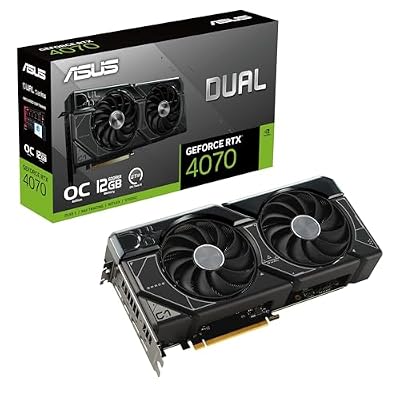
ASUS Dual GeForce RTX 4070 OC Edition 12GB GDDR6X, IP5X, Auto-Extreme Technology, 144-Hour Validation Program, HDMI 2.1a, DP 1.4a, 3 Year Warranty

Prime
MSI Gaming GeForce RTX 4070 12GB GDRR6X Extreme Clock: 2625 MHz 192-Bit HDMI/DP Nvlink TORX Fan 4.0 Ada Lovelace Architecture Graphics Card (RTX 4070 Gaming X Trio 12G)

GIGABYTE
GIGABYTE GeForce RTX 4070 WINDFORCE OC 12G Graphics Card, 3X WINDFORCE Fans, 12GB 192-bit GDDR6X, GV-N4070WF3OC-12GD Video Card
As an Amazon Associate we earn from qualifying purchases. Product prices and availability are accurate as of the date/time indicated.
Conclusion
The RTX 2060 graphics card has earned its long shelf life by doing one job well: dependable 1080p gaming at a price that is hard to argue with on the used market. Its 6GB of VRAM and aging ray tracing hold it back in the newest titles, but efficiency, quiet operation, and DLSS support keep it relevant for budget builders. With 2026’s memory shortage and AI-chip demand keeping prices firm across the board, a fairly priced 2060 can still be a smart pickup right now. Compare current RTX 2060 listings and the closest modern alternatives on Amazon, and grab the card that best fits your resolution and budget while prices stay elevated.
Frequently Asked Questions
What is the best rtx 2060 graphics card in 2026?
The best rtx 2060 graphics card depends on your budget and how you plan to use it. The options compared above are our top-rated picks based on real customer ratings, build quality, and overall value — start with the highest-rated model that fits your budget.
How much should I expect to spend on a rtx 2060 graphics card?
Prices vary by brand and features. Budget options cover the essentials, while mid-range and premium models add durability, performance, and extra features. Compare the prices in the list above to find the best value for your needs.
What should I look for when buying a rtx 2060 graphics card?
Focus on what matters most for your use case — build quality, compatibility, performance, warranty, and verified customer reviews. Every pick above is selected to balance these factors.
Are budget rtx 2060 graphics card options worth it?
Yes. For most people a well-reviewed budget or mid-range rtx 2060 graphics card delivers excellent value. You only need to spend more if you specifically require premium materials or top-tier performance.
How did we choose these rtx 2060 graphics card picks?
We compare current Amazon ratings, review counts, key features, and price to surface the options with the best real-world value. The list is refreshed as ratings and availability change.

Write Your Review
No reviews yet. Be the first to share your experience!