
- Top Pick: GIGABYTE B760M Gaming Plus WiFi DDR4 LGA 1700 Intel B760 M-ATX Motherboard, 2* M.2, PCIe 4.0, Front USB 3.2 Gen 1 Type-C, 6 GbE LAN, Q-Flash Plus, EZ-Latch
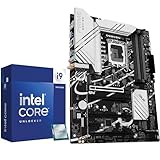
- Best Value: Micro Center CPU Motherboard Combo – Intel i9-14900K 14th Gen 24-Cores LGA 1700 Desktop Processor Bundle with TUF Gaming Z790-Plus WiFi Gaming Motherboard
- Premium Choice: Thermaltake Gravity i3 Intel LGA 1700 Cocket, 95W CPU Cooler CL-P094-AL09WT-A ,Black
Best LGA 1700 CPU for gaming decisions now happen on a finished platform, since Intel’s next generation moves to a different socket. That is not a reason to avoid it, but it does mean choosing the chip you intend to keep rather than a stepping stone.
As an Amazon Associate we earn from qualifying purchases at no extra cost to you. Product prices and availability are accurate as of the date shown and are subject to change.



As an Amazon Associate we earn from qualifying purchases at no extra cost to you. Product prices and availability are accurate as of the date shown and are subject to change.
By Ryan Cole, PC hardware writer at NVIDIA Review.
How to Choose the Best LGA 1700 CPU for Gaming
This socket covers three processor generations with meaningful differences between them. Four considerations decide which is the best LGA 1700 CPU for gaming given your board, memory and cooling.
Update the BIOS Before First Boot
Intel released microcode updates addressing the instability reported on higher-end 13th and 14th Gen processors. Running current firmware is the single most important step before installing one of those chips.
Equally important is using the board’s Intel default power profile rather than an unlimited preset. Many boards ship configured to remove power limits, which raises temperatures sharply for very little real performance gain.
Match the Chip to Your Memory Type
LGA 1700 boards exist in both DDR4 and DDR5 versions, and the memory type is fixed by the board rather than the processor. All three generations support either, so your existing board determines what you can reuse.
If you already own a good DDR4 kit, that is worth real money at current memory prices. The gaming difference between DDR4 and DDR5 on this platform is smaller than the price gap between the two.
Efficiency Cores Help Less Than You Might Expect
Intel’s hybrid design pairs performance cores with efficiency cores that handle background work. For games, the performance cores do almost all the work, which is why a six-core i5 remains competitive with far larger chips.
Extra efficiency cores mainly benefit productivity and streaming with software encoding. If gaming is the priority, spending on a chip with more performance cores delivers more than one with a higher total core count.
Thread scheduling has also matured considerably since 12th Gen launched. Current Windows builds direct game threads to performance cores reliably, so the early teething problems with hybrid scheduling are no longer a real concern.
Plan Cooling Around the Chip You Choose
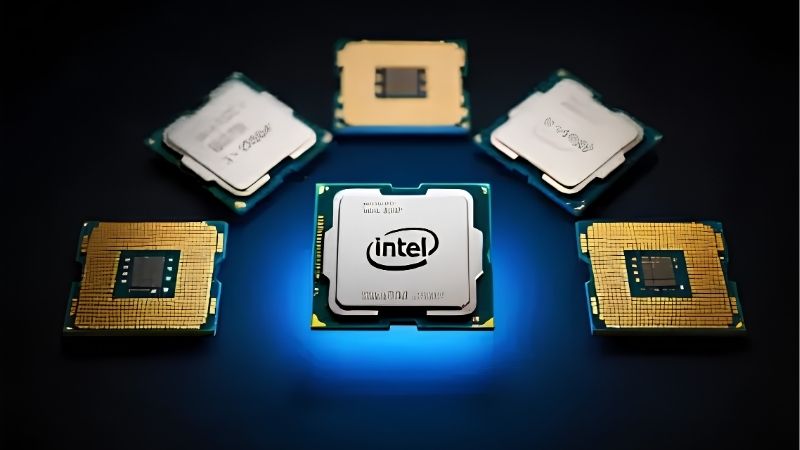
A locked i5 runs happily on a modest tower cooler. A 14700K or 14900K under sustained load is a different proposition entirely and needs a large dual-tower cooler or a 360 mm AIO to avoid constant thermal limiting.
Mounting hardware is shared across all LGA 1700 chips, so a cooler bought for a 12th Gen build carries over. Contact frame accessories exist to address socket bending on this platform if temperatures seem unusually high.
Those frames replace the stock retention mechanism with one that applies flatter pressure. They are a genuine fix rather than a gimmick on this socket, though most users never need one if temperatures look normal.
Top Picks: Best LGA 1700 CPU for Gaming in 2026
The best LGA 1700 CPU for gaming depends on your board tier and cooling, so these six span budget six-core chips to the platform’s flagship. Specifications come from Intel documentation; check board support lists before ordering.
| Processor | Cores (P + E) | Threads | Max Boost | Unlocked |
|---|---|---|---|---|
| Core i9-14900K | 8 + 16 | 32 | 6.0 GHz | Yes |
| Core i7-14700K | 8 + 12 | 28 | 5.6 GHz | Yes |
| Core i5-14600KF | 6 + 8 | 20 | 5.3 GHz | Yes |
| Core i7-13700K | 8 + 8 | 24 | 5.4 GHz | Yes |
| Core i5-13400F | 6 + 4 | 16 | 4.6 GHz | No |
| Core i5-12400F | 6 + 0 | 12 | 4.4 GHz | No |
Core i9-14900K
The flagship combines eight performance cores with sixteen efficiency cores, boosting to 6.0 GHz on the best cores. For a machine that games and handles heavy productivity, it remains the most capable chip the socket accepts.
In pure gaming it rarely justifies its cost over the i7. The drawbacks are substantial power draw under sustained load, demanding cooling requirements, and a price that a gaming-focused build struggles to rationalise.
Core i7-14700K
The 14700K is the sensible upper choice, adding four efficiency cores over the previous generation for twenty-eight threads total. It boosts to 5.6 GHz and handles gaming alongside editing or compiling comfortably.
It delivers most of the i9’s practical capability for noticeably less. The caveats are the same as any high-end chip here: it runs hot under sustained load and needs a 360 mm AIO or large dual-tower cooler.
Core i5-14600KF
For gaming specifically this is the value sweet spot on the platform. Six performance cores and eight efficiency cores boost to 5.3 GHz, and the F suffix removes integrated graphics to lower the price.
Paired with a mid-range graphics card it rarely becomes the bottleneck at 1440p. The limitation is that it needs a discrete card without exception, so it suits builds where the graphics purchase is already settled.
Core i7-13700K
The previous-generation i7 remains competitive and often better value when stock allows. Eight performance cores and eight efficiency cores boosting to 5.4 GHz cover gaming and productivity with plenty of headroom.
It benefits from the same microcode updates as 14th Gen chips, so firmware currency matters equally. The trade-off against the 14700K is four fewer efficiency cores, which affects productivity more than gaming.
Core i5-13400F
This is the practical budget gaming chip on the socket. Six performance cores and four efficiency cores boost to 4.6 GHz, and it runs cool enough that the bundled cooler is genuinely adequate for stock operation.
For 1080p and 1440p gaming with a mid-range card it performs well above its price. The limitations are a locked multiplier and lower boost clocks, which show in CPU-limited titles at high refresh rates.
It also pairs happily with a cheaper B660 or B760 board, since overclocking support is irrelevant here. That keeps the total platform cost low, which is the main argument for choosing it over an unlocked chip.
Core i5-12400F
The 12400F remains the floor worth considering and pairs well with cheaper B660 or H610 boards. Six performance cores with no efficiency cores keep the design simple, and it boosts to 4.4 GHz within a modest power envelope.
As a budget gaming chip it still holds up at 1080p. The honest limits are older architecture and lower clocks, so it is a value choice rather than a chip you would buy expecting several more years of headroom.
Its bundled cooler is also genuinely adequate, which removes another line from the budget. For a first Intel build assembled around an existing DDR4 kit, that combination keeps total platform cost unusually low.
Where LGA 1700 Sits in the 2026 Market
Three developments shape whether this platform deserves your money now, and all three concern what happens after the purchase.
This Socket Receives No Further Processors
Intel’s Nova Lake moves to the new LGA 1954 socket, so 14th Gen is the end of the line here. Whichever chip you fit is permanent, which means buying the performance you actually want rather than planning to upgrade later.
AMD’s position differs, with AM5 confirmed to accept new processors through the end of 2029. If future upgrades matter, that comparison is worth weighing before committing to an Intel board at a similar price.
Nothing New Arrives Before CES 2027
Nova Lake and AMD’s Zen 6 desktop chips have both slipped to CES in January 2027. Waiting for the next platform therefore means a substantial delay with no intermediate releases to consider along the way.
That also removes any expectation of imminent discounting from new competition. Buying when you need the machine is reasonable; holding out several months for a price correction is not supported by the schedule.
Reusing DDR4 Protects Your Budget
DRAM contract pricing rose steeply through 2026, with further increases forecast into the fourth quarter and no significant new capacity expected before late 2027. DDR5 kits took the largest share of that increase.
Since LGA 1700 supports both memory types depending on the board, an existing DDR4 kit remains usable here. That is a genuine advantage over moving to a platform where DDR5 is the only option available.
Frequently Asked Questions
These questions come up most often from people completing an Intel build on this socket.
Firmware and memory type account for most of them, since both are decided before the machine first boots.
Are the 13th and 14th Gen stability issues resolved?
Intel issued microcode updates addressing the reported instability, so update the BIOS before first boot. Using the board’s Intel default power profile rather than an unlimited preset is also strongly advisable for long-term reliability.
Does the best LGA 1700 CPU for gaming need a K suffix?
No. K chips allow overclocking, which delivers modest gains on this platform. A locked i5-13400F paired with a B-series board performs very close to unlocked chips in games at a considerably lower total cost.
Should I choose DDR4 or DDR5 on this platform?
If you already own DDR4, keep it, since the gaming difference is smaller than the price gap at current memory prices. For a new build with no existing memory, DDR5 is the better technical choice.
Will a 12th Gen cooler fit a 14th Gen chip?
Yes. Mounting hardware is identical across all LGA 1700 processors, so coolers carry over between generations without new brackets. Only the cooling capacity needs reassessing if you move to a significantly hotter chip.
See More:
- Best MSI motherboard
- Best motherboard processor combo for gaming
- Best B550 motherboard
- Best CPU for streaming
- What is the best AM4 CPU for gaming
Final Thoughts
The best LGA 1700 CPU for gaming is usually the i5-14600KF, since games rely on performance cores rather than total core count. The 14700K suits mixed workloads, the 13400F and 12400F cover budget builds well, and the i9 only earns its price when heavy productivity sits alongside gaming.




Write Your Review
No reviews yet. Be the first to share your experience!