
GPU prices 2026 are the headline number every buyer wants to understand before spending on a graphics card, and the picture this year is more stable than the chaos of recent memory, though far from cheap. Prices have settled at a high level rather than fallen, and the reasons run from AI demand to component costs to a supply pipeline that will not ease for a while yet. This review explains where prices stand, what is driving them, and how to buy smart at 2026’s level.
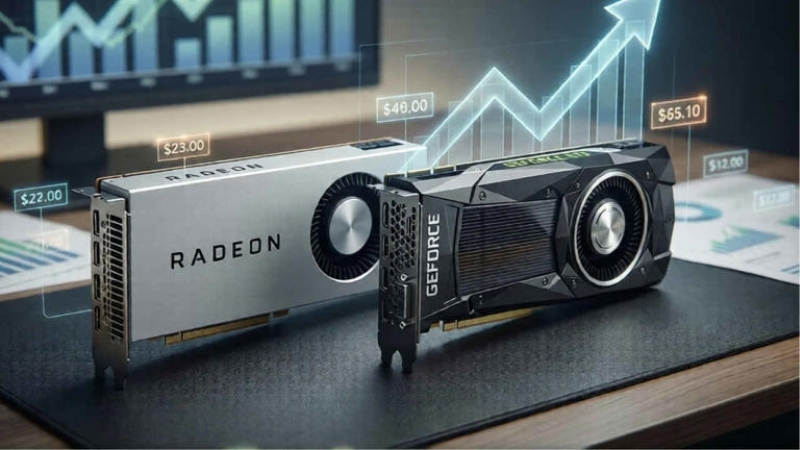
GPU Prices in 2026: Where Things Stand
The quick verdict: GPU prices in 2026 have plateaued at a high level rather than dropped, and a near-term crash is unlikely. The steep climbs of late 2025 have eased into relative stability, but the new supply that could bring real relief is still a couple of years away, so the smart move is to buy at a fair price when you need a card rather than wait for a tumble.
That single conclusion should guide every decision in this market. Once you accept that prices are stable rather than falling, the goal shifts from timing a crash to securing fair value.
That reframing removes a lot of stress from the decision. You are no longer trying to outguess the market, only to buy well within the prices it is actually offering.
The Current Price Picture
The good news is that the sharp increases seen at the end of 2025 have calmed. Some makers, including Framework, have noted a stretch of relative stability, even while cautioning that further fluctuation remains possible.
The less welcome news is that this stability sits at a high baseline. Prices have stopped climbing steeply, but they have not come down, so 2026 is best understood as a high plateau rather than a return to bargain pricing.
The plateau is, in its way, a kind of progress after the turbulence of late 2025. Stability at least lets buyers plan, even if the level is higher than anyone would like.
Predictability has real value after a volatile spell. Knowing roughly what a card will cost next month, rather than fearing a sudden jump, makes it far easier to budget and buy with confidence.
Why Prices Are High
A major factor is the broader cost of components, which have generally trended upward rather than down. Laptop and PC component prices have moved higher, and graphics cards sit squarely within that same supply chain.
Memory in particular has been a pressure point, since modern cards depend on fast, expensive memory. When the underlying components cost more, the finished card costs more too, which is a large part of why 2026 prices sit where they do.
This connection to the wider component market is easy to overlook. A graphics card’s price is not set in isolation; it reflects the cost of every part inside it, and those costs have been rising.
Seen that way, a card’s price tag is really a sum of its components plus the market around them. When memory and other parts climb, the finished product has little choice but to follow.
This is also why broad price relief depends on the components, not just the card makers. Until the parts inside get cheaper, the cards built from them will hold their ground.
The Supply Bottleneck
The deeper reason prices have not fallen is that meaningful new supply is not online yet. The capacity that could ease things, such as CXMT ramping DDR5 and Micron building two new plants in Idaho, is not expected to run until 2027 to 2028.
Until that capacity arrives, supply cannot expand enough to push prices down broadly. This is why the market has plateaued rather than dropped, and why real relief is realistically a couple of years away rather than months.
Supply is the lever that actually moves prices at scale, and it cannot be rushed. Building and ramping new production capacity takes years, which is precisely why the timeline points to 2027 and 2028.
What’s Driving GPU Prices and Demand
To understand where prices might go, it helps to look at the forces pulling on them. This section covers the demand side from AI and data centres, the cost side from memory and components, and the question of when genuine relief might finally arrive.
AI and Data Center Demand
Demand for high-end chips from AI and data centres continues to draw on the same manufacturing capacity that produces consumer graphics cards. That competition for capacity keeps pressure on prices across the board.
The wider chip trade is shifting too. The United States has moved to allow Nvidia to sell its H200 chips to China, a sign of how much demand exists for powerful hardware, and a reminder that the forces shaping the high end ripple down to the cards gamers buy.
The consumer and professional markets are more connected than they appear. When data centres and AI labs compete for the same wafers, fewer are left for gaming cards, and that scarcity shows up in the price.
This competition for capacity is unlikely to ease quickly given how fast demand for powerful hardware is growing. For gamers, it means the consumer market will keep feeling the pull of the high end for some time.
Memory and Component Costs
As prices climb on memory and other components, graphics cards inherit those increases directly. Fast memory is one of the costliest parts of a modern card, so its price has an outsized effect on the final sticker.
This is why graphics card prices track the broader component market so closely. When the building blocks cost more, no amount of retailer competition can fully offset it, which keeps 2026 prices firm.
Retailers can trim their own margins during a sale, but they cannot undo the underlying cost of the components. This is why even aggressive promotions tend to nibble at prices rather than transform them.
When Real Relief Might Come
The honest answer is that broad relief depends on the new supply arriving, and that points to 2027 and 2028 rather than this year. The plants and production ramps that could change the picture are still being built and brought up to speed.
Until then, expect prices to stay on their current plateau, with sale events offering the main opportunities to save. Planning around today’s prices, rather than a hoped-for drop, leads to far better decisions.
Accepting the timeline is freeing rather than discouraging. Instead of refreshing price trackers for a fall that is not coming, you can focus on getting the best value available right now.
Energy spent chasing an imaginary crash is energy taken away from finding a genuinely good current deal. The most successful buyers in 2026 simply work with the market as it is.
Working with reality rather than against it is the whole lesson of this year. Accept the plateau, target genuine value, and a high-priced market becomes navigable rather than frustrating.
That mindset is what turns a difficult pricing year into a manageable one, letting you buy the card you need with confidence rather than regret.
How to Buy Smart at 2026 Prices
Given a high but stable market, the goal is to get fair value rather than to wait for a crash that is unlikely to come. This section weighs the case for buying now, offers practical tips for value, and answers the questions buyers ask most.
Pros and Cons of Buying Now
Here is the balanced view for a 2026 buyer:
- Pros of buying now: prices are stable rather than climbing steeply, you get your card immediately, and there is no guaranteed saving in waiting.
- Cons of buying now: prices are high in absolute terms, and a patient buyer could catch a sale-event discount on the same card.
For most people who need a card, buying at a fair price now is sensible, since the market is unlikely to reward a long wait this year.
For the patient buyer, the only meaningful saving comes from sale events rather than the passage of time. That makes a planned, sale-timed purchase the closest thing to a discount the current market offers.
Tips to Get Value
Track the card you want for a couple of weeks so you recognise a genuine deal, and time your purchase to a sale event where you can. Consider a last-generation or mid-range card, which often offers the best value at 2026 prices.
Compare a few reputable sellers rather than buying the first listing, and weigh a carefully chosen used card if your budget is tight. The recommended cards and current deals linked in this review are a good starting point for fair value.
Value, in 2026, is less about catching a crash and more about smart selection. A well-chosen mid-range or last-generation card bought at a sale is how most people get the most for their money this year.
Frequently Asked Questions
Will GPU prices drop in 2026? A broad drop is unlikely, since meaningful new supply is not expected until 2027 to 2028.
Why are prices still high? Component and memory costs are up, and AI demand keeps pressure on the same capacity.
Should I wait or buy? If you need a card, buy at a fair price now; a long wait is unlikely to pay off.
Where are the best values? Last-generation and mid-range cards during a sale event tend to offer the most for your money.
Taken together, these answers describe a clear strategy. Buy what you need at a fair price, favour strong-value cards, and use sale events as your discount, rather than betting on a market-wide fall.
Understanding GPU prices in 2026 comes down to one idea: the market has stabilised at a high level, and real relief is still a couple of years off. Whether you buy now or time your purchase to a sale, take a look at the recommended cards and current deals linked throughout this review to get the best fair value at today’s prices.
See More:
- How to clean a GPU heatsink
- GPU vertical mount thermals
- GPU thermal throttle temp
- What PSU for RTX 4090
- What PSU for RTX 5080
Conclusion
GPU prices 2026 tell a clear story: the steep climbs have eased into a high but stable plateau, driven by component and memory costs and sustained AI demand, with real relief not expected until new supply arrives in 2027 to 2028. A near-term crash is unlikely, so waiting indefinitely is not the winning strategy. Buy at a fair price when you need a card, lean toward sale events and strong-value last-generation models, and check the recommended cards and deals above to spend wisely at today’s prices.
Top-Rated Picks

Save $120.00

Save $100.00


| Product | Brand | Rating | Reviews | Price |
|---|---|---|---|---|
| ARCTIC MX-4 (4 g) – Premium Performance Thermal Paste… | ARCTIC | ★ 4.8 | 104k | $4.99 |
| ARCTIC MX-4 (incl. Spatula, 4 g) – Premium Performanc… | ARCTIC | ★ 4.8 | 71.9k | $5.49 |
| Crucial 8GB DDR4 RAM 3200MHz (PC4-25600), Downclockab… | Crucial | ★ 4.8 | 62.8k | $74.99 |
| AMD Ryzen 5 5600X 6-core, 12-thread unlocked desktop … | — | ★ 4.8 | 30.2k | $177.60 |
| NVIDIA Shield Remote; Voice Search, Motion-Activated,… | — | ★ 4.7 | 10.6k | $25.99 |



Write Your Review
No reviews yet. Be the first to share your experience!