
- Top Pick: NVIDIA GeForce RTX 3060 Ti Founders Edition 8GB GDDR6 PCI Express 4.0 Graphics Card (Renewed)
- Best Value: NVDIA GeForce RTX 3070 8GB GDDR6 PCI Express 4.0 Graphics Card – Dark Platinum and Black (Renewed)
- Premium Choice: Geforce RTX 3080 Ti 12GB GDDR6X PCI Express 4.0 Graphics Card Titanium and Black (Renewed)
Buy used graphics card the smart way and you can save a serious amount over new pricing, which matters more than ever now that component costs are climbing again. The catch is risk: a worn, abused, or misrepresented card can turn a bargain into a headache. This guide gives you a clear inspection checklist, the stress tests that expose hidden problems, how to judge a fair price, the red flags to walk away from, and where to buy safely, so you can shop with confidence instead of crossed fingers.
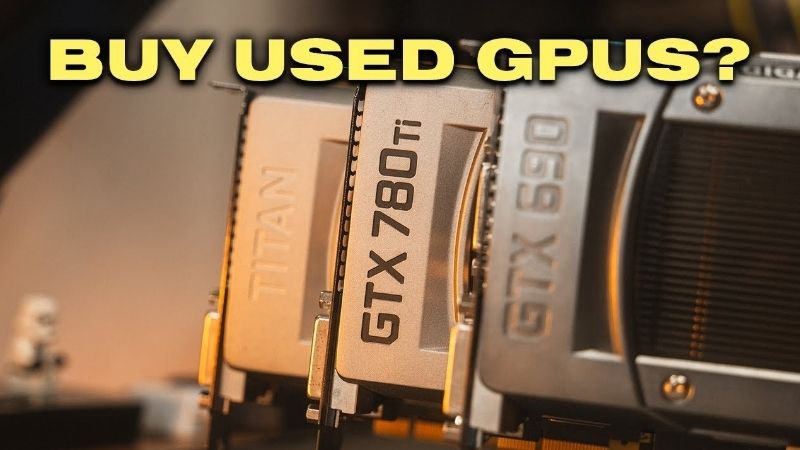
How to Buy a Used Graphics Card Safely
Buying used is not gambling if you follow a process. The goal is to confirm the card is genuine, healthy, and fairly priced before any money changes hands. That starts with understanding why used makes sense right now, then inspecting the card methodically, and finally knowing the warning signs that should end a deal on the spot.
Why Used GPUs Are Worth Considering in 2026
With new-card street prices sitting above their original launch figures, the used market has become one of the few places to get strong performance per dollar. A previous-generation card that still handles 1080p and 1440p well can cost far less than a new equivalent, and the performance gap is often smaller than the price gap.
The trade-off is the absence of a full retail warranty and the need to vet each card yourself. Done carefully, that effort is well rewarded, since the savings on a used graphics card can free up budget for a better monitor, a stronger power supply, or simply money kept in your pocket.
There is also more choice on the used market than many buyers expect. Cards that were strong two or three years ago still handle current 1080p and 1440p gaming comfortably, and because newer generations have since launched, their used prices have room to be genuinely attractive. That combination of capable hardware and softened pricing is what makes careful used buying so rewarding right now.
The Pre-Purchase Inspection Checklist
Before you pay, work through a fixed checklist so nothing important gets skipped in the excitement of a good price. A methodical look catches most problems in minutes.
Start with the physical card: check for bent fins, cracked fans, missing screws, and heavy dust or residue that hints at hard mining or heavy gaming use. Inspect the PCB and connectors for scorch marks, corrosion, or repaired solder joints, and make sure the display outputs and power connectors are intact.
Then verify identity and history. Confirm the exact model matches the listing, ask how long the seller owned it and what it was used for, and request the original box, receipt, or serial number where possible. A seller who answers these openly is usually a safer bet than one who deflects.
Where possible, ask the seller to power the card on and show it working, ideally displaying the model and basic health information on screen. A short video or a live demonstration removes a great deal of uncertainty, and a genuine seller with a healthy card rarely objects to providing one.
Red Flags That Signal a Worn or Abused Card
Certain signs should make you pause or walk away entirely, no matter how attractive the price looks. Recognizing them protects you from buying someone else’s problem.
Be wary of cards sold with no images of the actual unit, sellers who refuse to let you test before paying, prices that are far below market, and vague or evasive answers about usage history. Aggressive dust buildup combined with a suspiciously low price can point to heavy, sustained workloads that wear fans and thermal paste.
Also watch for repainted shrouds, mismatched screws, or fans that spin unevenly, all of which suggest the card has been opened and possibly repaired. When several of these appear together, the safest move is simply to find another listing.
Trust the overall picture rather than any single detail. One small blemish on an otherwise well-documented, fairly priced card is normal wear, while a cluster of warning signs alongside a price that seems too good to be true is a pattern, and patterns are what protect you. When in doubt, remember there is almost always another card for sale next week.
Testing and Pricing a Used Graphics Card
Inspection tells you the card looks healthy; testing proves it. Whenever you can test before paying, take the opportunity, and pair that with a clear sense of fair pricing so you neither overpay nor miss a genuine deal.
Stress Tests and Benchmarks to Run Before You Pay
If you can test in person or arrange a short trial, run a graphics stress test for at least 10 to 15 minutes while watching temperatures and clock behavior. Stable clocks and reasonable temperatures under sustained load are strong signs of a healthy card.
Run a quick benchmark and compare the score against typical results for that model. A result far below the norm can indicate throttling, a tired cooler, or dried thermal paste. Also look and listen for visual artifacts, black screens, or loud fan noise, any of which are reasons to reconsider.
Confirm the card is recognized correctly by the system and reports the expected memory and clocks. A mismatch here can reveal a mislabeled or tampered card before you commit any money.
If in-person testing is not possible, lean harder on the seller’s evidence and the platform’s buyer protection instead. Requesting a benchmark screenshot with the system details visible, and confirming a clear return window, gives you a fallback if the card underperforms once it arrives. Testing remotely is second best, but combined with recourse it still keeps your risk low.
How to Judge a Fair Used Price
Fair pricing is a moving target, especially now. Start by checking current new prices for the same and neighboring models, then look at what comparable used units have recently sold for, not just their asking prices, to anchor your expectation to reality.
As a rule, a used card should carry a meaningful discount over a new equivalent to compensate for the missing warranty and unknown history. When new prices rise, used prices often follow, so the same card can be worth more this month than last, which makes live comparison essential rather than optional.
Factor in condition and completeness, too. A card with its original box, all accessories, and a verifiable purchase date is worth more than a bare unit of unknown age, and a recent card still within any transferable warranty deserves a smaller discount. Price the specific card in front of you, not just the model in the abstract.
Pros and Cons of Buying Used vs New
The table below lays out the trade-off clearly so your decision matches your risk tolerance and budget.
| Buying Used — Pros | Buying Used — Cons |
|---|---|
| Significant savings over new street prices | Limited or no warranty coverage |
| Access to strong previous-gen performance | Unknown usage history and wear |
| Great value while new prices stay elevated | Requires time to inspect and test each card |
If you are comfortable following a checklist and testing before you pay, the savings usually outweigh the risks. If you want guaranteed peace of mind, a new card with warranty may justify its premium.
Where and How to Buy Used GPUs Smartly
Where you shop shapes how much risk you take on. Some channels offer buyer protection and easier recourse, while others trade safety for a lower price. Knowing the trade-offs lets you choose deliberately, and a few inexpensive tools can protect whatever you buy.
Best Places to Buy and What to Avoid
Platforms with buyer protection and clear return or dispute processes reduce your exposure if a card arrives faulty, which is worth a modest price premium for many buyers. Local in-person deals let you inspect and test before paying, which is ideal when you can arrange it safely in a public place.
Be more cautious with no-protection cash sales and listings that block testing or refuse returns. The lowest headline price is not a bargain if it comes with no recourse when something goes wrong.
Whichever channel you choose, keep a record of the listing, the conversation, and the payment. Clear documentation is your strongest tool if a dispute arises, and it costs nothing to keep. The safest used buyers are simply the most organized ones, not the luckiest ones.
How the Rising Price Market Changes the Used Calculus
Because new component and graphics-card prices have been trending upward, the value of a well-chosen used card has risen alongside them. When new options cost more, a healthy used card at a fair discount becomes an even smarter buy, which is a large part of why used demand stays strong.
The market has cooled from the steep climbs of late 2025 into a period of relative stability, though suppliers caution that volatility has not vanished. With meaningful new supply from additional memory vendors and Micron’s upcoming Idaho plants not expected until roughly 2027 to 2028, a fairly priced used card now is a reasonable move rather than something to postpone in hope of a near-term crash.
Tools and Accessories That Protect Your Purchase
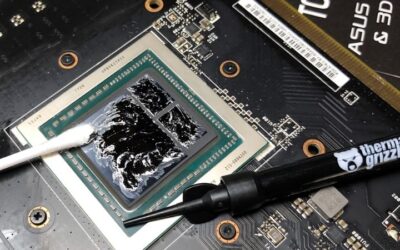
A used card benefits from a little care on arrival, and a few low-cost items make that easy. Fresh thermal paste can restore temperatures on an older card, a soft brush and compressed air clear out accumulated dust, and an anti-static wrist strap protects components while you work.
It is also worth confirming your power supply is up to the job and, if in doubt, testing it, since a tired unit can undermine even a healthy GPU. If you plan to buy a used graphics card, gathering these inexpensive tools and a suitable power supply at the same time is a small investment that safeguards a much larger one — check current options before your card arrives.
See More:
- NVIDIA
- NVIDIA DeepStream
- NVIDIA GPU driver update
- NVIDIA GeForce NOW download
- NVIDIA RTX A2000 12GB driver
Final Thoughts on How to Buy a Used Graphics Card
Choosing to buy a used graphics card is one of the best ways to fight rising prices, provided you approach it with a process rather than hope. Inspect methodically, test before you pay, anchor to real recent prices, and lean toward channels with buyer protection. With new prices elevated and broad relief still years away, a healthy, fairly priced used card today is a genuinely smart purchase that can deliver most of the performance of a new card for a fraction of the cost. Line up your research plan, favor channels with buyer protection, and gather a few protective tools before you commit, and you can buy a used graphics card with confidence rather than crossed fingers.
Frequently Asked Questions
How can I tell if a used card was used for mining?
Look for dust patterns suggesting long continuous operation, replaced thermal pads, missing display port protective caps, and a seller with many identical listings. Mining cards often ran at low core clocks with high memory load, which stresses VRAM. Ask for a photo of the card in a running system with GPU-Z open.
What tests should I run before or right after buying?
Run a graphics stress loop for at least twenty minutes watching for artifacts and thermal throttling, a memory-specific test to catch failing VRAM, and a gaming session to confirm stable frame times. Check all display outputs individually, and log temperatures; hotspot deltas above 20 degrees suggest degraded thermal interface material.
Does the warranty transfer to a second owner?
It depends on the brand. ASUS, MSI and Gigabyte typically tie the warranty to the serial and purchase date, so remaining coverage often transfers if you have the original invoice. Some brands require registration by the first owner. EVGA has exited the GPU market entirely, so its cards are effectively unsupported.
Which used cards should I avoid entirely?
Anything on Maxwell, Pascal or Volta, since those architectures now receive security updates only and no new game optimizations. Also avoid 4GB and 6GB cards for modern gaming, and be cautious with any card whose cooler has been visibly modified or whose backplate screws show tool marks.
What is a fair price for a used GPU?
Benchmark it against the cheapest new card of equal performance and subtract at least 30 to 40 percent for the absence of warranty and unknown history. Also factor in power draw, since an older card that needs 100W more to match a new one erodes the saving over a few years of use.
As an Amazon Associate we earn from qualifying purchases at no extra cost to you.


Ready to decide? Our #1 pick for 2026 is the Significant savings over new street prices.
Live price & availability on Amazon.


Write Your Review
No reviews yet. Be the first to share your experience!