
- Top Pick: NVIDIA GeForce RTX 2070 Super Founders Edition Graphics Card (Renewed)
- Best Value: EVGA 24G-P5-3975-KR GeForce RTX 3090 XC3 Ultra Gaming, 24GB GDDR6X, iCX3 Cooling, ARGB LED, Metal Backplate (Renewed)
- Premium Choice: EVGA GeForce RTX 3080 FTW3 Ultra Gaming, 10G-P5-3897-KL, 10GB GDDR6X, iCX3 Technology, ARGB LED, Metal Backplate, LHR (Renewed)
Refurbished GPU worth it? It is the first question every budget-minded buyer asks before clicking add to cart, and you want a quick, honest verdict plus a price comparison, not a ten-minute unboxing. This review weighs factory-refurbished cards against new ones on price, warranty, and real buyer reports, so you can decide in a couple of minutes whether the savings make sense for your build and your budget.
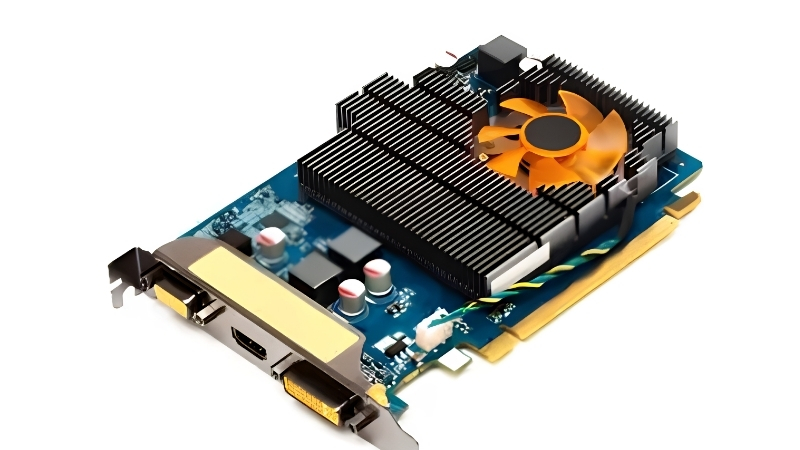
Is a Refurbished GPU Worth It Right Now?
Short answer: yes, a refurbished GPU is usually worth it, as long as it is factory-refurbished and backed by a warranty. The catch is that “refurbished” is not one thing. A card reconditioned and re-certified by the manufacturer is a very different purchase from a vague third-party “renewed” listing. With new-card prices still firm in 2026, a verified refurb can deliver near-new performance for meaningfully less, but only if you know which kind you are buying. Think of refurbished less as a single product and more as a spectrum of trust, where the price you save should scale with the certainty you give up. The rest of this review is built to place any listing you find somewhere on that spectrum in under a minute.
As an Amazon Associate we earn from qualifying purchases at no extra cost to you.

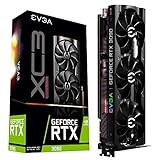


What “Refurbished” Actually Means
Refurbished is a broad label covering several conditions. At the trustworthy end, a factory-refurbished GPU was returned, tested, repaired if needed, and re-certified by the maker or an authorized partner.
At the riskier end sit generic “renewed” or seller-refurbished cards, where the testing standard is unclear and the warranty may be short or nonexistent. The word on the listing is the same; the protection behind it is not.
So the first thing to check is who did the refurbishing and what they certify. That single detail separates a smart bargain from a gamble, and it is the lens for everything below. A listing that names the certifying party and states a warranty is communicating accountability; one that hides behind a vague “renewed” tag is asking you to trust an anonymous process. The difference is not pedantic, it is the entire risk profile of your purchase.
Refurbished vs New: The Price and Risk Table
The clearest way to judge value is side by side. This table compares a factory-refurbished card to a new one on the factors that actually decide whether the discount is worth it.
| Factor | New GPU | Factory-Refurbished GPU |
|---|---|---|
| Typical price vs new | Full street price | Around 10% to 25% less |
| Warranty | Full manufacturer term | Shorter, often 90 days to 1 year |
| Condition | Untouched | Tested and re-certified |
| Risk level | Lowest | Low if factory, higher if generic |
That discount matters more than usual in 2026. Broader component prices have kept trending upward and new cards have not gotten cheaper, so a 10% to 25% saving on a verified refurb is real money rather than a rounding error. The trade you are accepting is a shorter warranty in exchange for a lower price, which is reasonable when the card is properly certified.
When the Savings Are Real
The savings are genuine when the refurb is factory-certified, carries at least some warranty, and undercuts the new price by a clear margin. A 5% discount on a generic renewed card is not worth the added risk.
The math also depends on the tier. On a mid-range card the dollar saving may be modest, while on a higher-end card the same percentage frees up real budget for the rest of your build. Run the numbers in absolute dollars, not just percentages, because a 15% discount means something very different on a $300 card than on a $1,200 one. The larger the card, the more a verified refurb tends to pay off relative to the small warranty trade-off you accept.
Put simply, a refurb is worth it when the price cut is large enough to offset a shorter warranty, and when you can confirm the card was tested by someone accountable.
The Risks and Rewards of a Refurbished GPU
Every refurbished purchase is a trade between price and certainty, and being clear-eyed about both sides keeps you from overpaying or getting burned. The reward is a lower price on capable hardware; the risk is a thinner safety net and uneven quality between sellers. Here is the balanced view, plus what real buyers consistently report after living with refurbished cards, so you can judge a listing against evidence rather than instinct.
Pros and Cons of Buying Refurbished
Before you commit, weigh the upside against the downside honestly with this quick breakdown tied directly to whether a refurb is worth it.
- Pros: a lower price than new, near-identical performance on a properly tested card, and a smaller environmental footprint by reusing working hardware.
- Cons: a shorter or thinner warranty, possible light cosmetic wear, and wildly inconsistent quality between factory-refurbished and generic “renewed” listings.
For most budget-focused buyers the pros win, provided you stick to factory-certified cards with a stated warranty rather than the cheapest unverified listing.
What Buyers Actually Report
Patterns in buyer feedback tell you more than any single review. The strongest refurbished cards earn high ratings for arriving clean, running at expected clocks, and working flawlessly out of the box.
The recurring complaints in lower ratings are revealing: short or unclear warranty terms, minor scuffs on the shroud, and the occasional dead-on-arrival unit that needed a return. Notably, the complaints cluster around generic refurbishers, not factory programs.
The takeaway is consistent. Buyers who chose a factory-certified card with a real warranty rarely regret it, while those who chased the absolute lowest “renewed” price are the ones writing the cautionary reviews. This is the most useful signal in the entire category: the complaints are not really about refurbishment as a concept, they are about a specific, avoidable choice. Steer toward accountable sources and you sidestep almost every problem documented in the negative reviews.
Warranty and Return Coverage That Protects You
Warranty is the safety net that makes a refurb worth the small added risk. Even a 90-day to one-year term covers the early-failure window when most defects appear.
Return policy matters just as much on arrival. A generous return window lets you test the card immediately and send it back if anything is wrong, no questions asked.
Treat any refurb with no warranty and no returns as a hard pass. The whole point of a verified refurbished card is that someone stands behind it.
How to Buy a Refurbished GPU Worth Keeping
Knowing a refurb can be worth it is one thing; buying the right one is another. The good news is that the buying process is short and entirely within your control once you know the steps. This section covers where to look, what to confirm before paying, and how to verify the card yourself the moment it arrives, turning a leap of faith into a routine purchase.
Where to Buy and What to Verify
Prioritize manufacturer-certified programs and reputable retailers over anonymous marketplace sellers. The source is the single biggest predictor of a good outcome.
Timing helps too. Prices have steadied rather than fallen in 2026, with makers like Framework noting a relatively stable stretch even as they warn volatility is not over, so there is no crash to wait for and a fair refurb price today is a reasonable buy.
Before paying, verify the exact model and VRAM, the refurbisher’s identity, the warranty length, and the return window. If any of those four is missing from the listing, treat the deal as unproven.
Testing Your Refurbished GPU on Arrival
Your return window is your leverage, so test immediately rather than weeks later. Install the card, update drivers, and confirm it is detected at the correct model and memory size.
Run a short stress test or benchmark and watch the clocks and temperatures hold steady under load. Stable behavior here is the clearest sign the refurb was done properly.
Finally, confirm the modern feature set works as expected, including DLSS and frame generation, since these Nvidia technologies keep improving through driver updates and are a big part of why a current-gen refurb stays valuable over time. A refurbished current-gen card is therefore not just cheaper hardware, it is hardware that keeps gaining capability after you buy it. That forward-looking value is what tips the refurb-versus-new decision in favor of a verified refurb for most budget-conscious builders.
FAQ on Refurbished GPUs
These rapid answers clear up the doubts that keep buyers hesitating, so you can decide without another search.
Do refurbished GPUs last as long as new ones? A properly factory-refurbished card that passes its early-failure window typically lasts as long as a new one, since GPUs rarely degrade with light cosmetic history.
Is mining-era refurb a problem? Heavy prior use is a fair concern, which is exactly why a tested, certified card with stable temperatures matters more than guessing about its past life. A card that passes a stress test and holds steady clocks is demonstrating its current health regardless of history, which is the only thing you can actually verify and the thing that matters for the years ahead.
See More:
Conclusion
So, is a refurbished GPU worth it? In 2026 the answer is a confident yes for factory-certified cards with a warranty, and a firm no for cheap, unverified “renewed” listings with no protection. With new prices holding firm, a verified refurb often delivers near-new performance for real savings, as long as you confirm the source, the warranty, and the return window, then test the card the moment it arrives. When you find a properly certified refurbished GPU at a fair discount, use the links in this guide to check the latest Amazon price and lock in the savings before the listing is gone.
Top-Rated Picks


| Product | Brand | Rating | Reviews | Price |
|---|---|---|---|---|
| ARCTIC MX-4 (4 g) – Premium Performance Thermal Paste… | ARCTIC | ★ 4.8 | 104k | $4.99 |
| ARCTIC MX-4 (incl. Spatula, 4 g) – Premium Performanc… | ARCTIC | ★ 4.8 | 71.9k | $5.49 |
| Crucial 8GB DDR4 RAM 3200MHz (PC4-25600), Downclockab… | Crucial | ★ 4.8 | 62.8k | $74.99 |
| AMD Ryzen 5 5600X 6-core, 12-thread unlocked desktop … | — | ★ 4.8 | 30.2k | $177.60 |
| NVIDIA Shield Remote; Voice Search, Motion-Activated,… | — | ★ 4.7 | 10.6k | $25.99 |
Frequently Asked Questions
What is the difference between refurbished and used?
A refurbished card has been through a defined process of testing, cleaning and repair, usually by the manufacturer or an authorised partner, and is sold with a stated warranty period. A used card is sold as-is by a private seller with no testing standard and typically no coverage, which is a meaningfully different risk profile.
How long is the warranty on a refurbished GPU?
It varies by seller and is usually much shorter than new, commonly somewhere between ninety days and one year rather than the two or three years a new card carries. Read the exact terms before buying, and treat any listing that does not state a warranty period as effectively an as-is sale.
What discount should I expect?
Manufacturer refurbished cards typically sell fifteen to thirty percent below new pricing for the same model. If the saving is smaller than that, buying new for the full warranty is usually the better decision, especially on cards where the remaining coverage period represents a large share of the total value.
Are refurbished cards more likely to fail?
Not dramatically. Many returns are for buyer remorse, wrong size or a cosmetic issue rather than a fault, and genuine faults are repaired and retested before resale. The realistic risks are worn fan bearings and aged thermal pads on cards that saw heavy use, both of which show up as higher temperatures under load.
What should I test as soon as it arrives?
Verify the exact model and memory configuration with GPU-Z, then run a sustained load for at least twenty minutes while watching core, hotspot and memory junction temperatures for anything unusually high. Follow with a VRAM stress test to catch failing memory, and complete all of it inside the return window.


Write Your Review
No reviews yet. Be the first to share your experience!