
- Top Pick: CUDA C++ for NVIDIA RTX Remix Development: The Complete Handbook for Creating Powerful Omniverse Extensions, Custom Compute Kernels, and Next-Level Game Remastering Tool
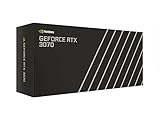
- Best Value: NVIDIA GeForce RTX 3070 8GB GDDR6 PCI Express 4.0 Graphics Card – Dark Platinum and Black
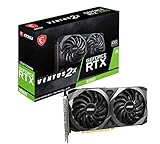
- Premium Choice: MSI GeForce RTX 3060 Ventus 2X 12G OC, Gaming Graphics Card – NVIDIA RTX 3060, 12GB GDDR6 Memory, 192-bit, 15 Gbps
NVIDIA RTX Remix is the modding platform that lets you take a beloved but dated game and rebuild it with full path tracing, DLSS, and AI-upgraded textures, turning a blurry classic into something that looks genuinely modern. For modders and technically minded players who want to remaster old favorites, it is one of the most ambitious tools NVIDIA has released. This review explains what RTX Remix actually does, which games it can transform, the hardware and skills you need, and where it shines or stumbles, based on how the modding community describes working with it.
What NVIDIA RTX Remix Is and How It Works
RTX Remix is a platform for remastering classic games, built around capturing a game’s scenes, enhancing them with modern rendering, and replacing old assets with high-quality ones. It combines real-time path tracing with AI tools to modernize games that shipped long before ray tracing existed. Understanding its two-part structure and what it can and cannot touch is essential before you invest time in it, because Remix works with a specific class of games rather than everything. Here is how the platform is built and what it does.
As an Amazon Associate we earn from qualifying purchases at no extra cost to you.



The Runtime and the Toolkit
RTX Remix has two components. The Runtime injects into a supported game as you play, capturing its scene and applying path tracing and upgraded rendering in real time, so even before any manual work the game gains modern lighting.
The Toolkit is the creator side, where modders capture scenes, replace textures and models with high-resolution versions, and fine-tune materials and lighting. This is where a remaster is actually built rather than just auto-enhanced.
The split matters: the Runtime delivers an immediate visual uplift, while the Toolkit is where dedicated modders craft full remasters. You can benefit from one without doing the deep work of the other.
Path Tracing and AI Texture Enhancement
The headline upgrade is full path tracing, the most advanced form of ray tracing, applied to games that never had any. This transforms flat, old lighting into realistic, physically based illumination with accurate shadows, reflections, and bounce light.
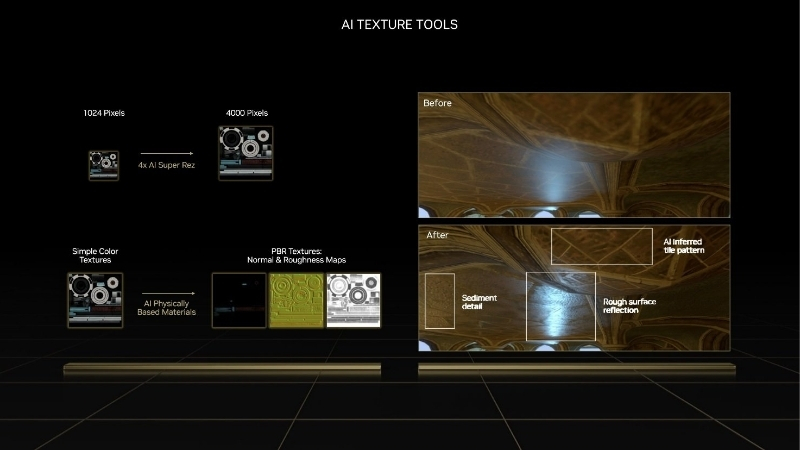
On the asset side, AI tools can upscale original textures to modern resolutions, and modders can inject entirely new high-detail materials with proper physically based rendering properties. The combination modernizes both how a game is lit and how its surfaces look.
The result, in a finished project, can be striking: a decades-old game rendered with lighting that rivals current titles, which is exactly the appeal that draws modders to the platform.
It is worth being clear about why path tracing specifically transforms old games so dramatically. Games from the fixed-function era used baked, static lighting, essentially painted into the scene, with no real shadows or reflections responding to the world. Path tracing replaces that with light that actually bounces, so a torch throws real moving shadows, a puddle reflects its surroundings accurately, and a room lit through a window gains soft, natural falloff. The original geometry stays the same, but the way it is lit changes so completely that familiar spaces look reborn, which is the effect that makes Remix showcases so eye-catching.
Which Games RTX Remix Can Remaster
This is the critical practical limit: RTX Remix works with games built on classic fixed-function DirectX 8 and 9 graphics, the era before programmable shaders became standard. It cannot remaster modern games or those using later rendering pipelines.
That means the ideal candidates are older classics from a specific technical generation, which is a large and beloved library but a defined one. Before planning a project, you must confirm the game’s rendering era is compatible.
For technically minded users, checking a game’s engine and DirectX version upfront saves wasted effort, since compatibility is determined by that architecture rather than by how popular the game is.
Using RTX Remix in Practice
The promise is exciting, but RTX Remix is a serious tool with real hardware demands and a genuine learning curve, so knowing what you are getting into matters. Whether you just want the Runtime’s automatic uplift or intend to build a full remaster changes the effort dramatically. This section covers what your system needs, what the workflow actually involves, and the honest trade-offs, so you can judge whether it fits your skills and hardware.
System Requirements and Setup
Path tracing is extremely demanding, so RTX Remix needs a capable RTX card. While it technically runs on a range of RTX GPUs, the heavy path-traced rendering means a stronger card delivers a far better experience, and DLSS is essentially mandatory to keep frame rates playable.
You install the Runtime for the target game and, if creating, the Toolkit separately. Getting a game recognized and captured can involve some technical fiddling, which is expected given the nature of the tool.
The practical takeaway is that this is not a casual, low-end feature. It rewards a strong GPU and a willingness to work through setup, which suits its technically inclined audience.
The Modding Workflow and Learning Curve
Using the Runtime for automatic path tracing is relatively approachable; building a full remaster in the Toolkit is not. Replacing assets, authoring materials, and tuning lighting is real modding work with a meaningful learning curve.
Modders describe it as powerful but demanding, requiring patience, some artistic skill, and time. A polished remaster represents significant effort, not a one-click transformation, which is worth understanding before you start a project.
For those willing to invest, the Toolkit is genuinely capable; for casual users, the Runtime’s automatic enhancement is the realistic entry point that still delivers a visible upgrade.
It is also worth setting expectations on time. Even experienced modders describe a polished remaster as a project measured in weeks or months rather than an afternoon, because authoring materials and relighting a whole game is painstaking work. Treating it as a long-term hobby project, not a quick weekend task, is the mindset that leads to finished results.
Pros and Cons Users Report
Since RTX Remix is free but demanding, the honest question is whether the payoff matches the effort and hardware. Weighing the community’s praise against the complaints gives a clear picture.
What users like: stunning path-traced results on classic games, powerful asset-replacement tools, an immediate uplift from the Runtime alone, and a genuine way to preserve and modernize old favorites. Modders call finished projects remarkable.
What users criticize: steep hardware demands from path tracing, a real learning curve for full remasters, compatibility limited to older DirectX 8 and 9 games, and setup that can be fiddly. It is a serious tool for enthusiasts, not a casual toggle.
Getting the Most from RTX Remix
RTX Remix rewards the right project and the right hardware, so choosing wisely on both fronts determines whether your experience is thrilling or frustrating. The path-traced rendering that makes it special is also what makes it hardware-hungry. This final section covers what makes a strong Remix project, the graphics power that makes it viable, and the bottom line on whether it is worth your time.
What Makes a Good Remix Project
The best candidates are older games with fixed-function rendering, strong art direction, and simpler scenes that path tracing can dramatically improve without overwhelming your GPU. A game whose original lighting was flat gains the most from realistic illumination.
Realistic scope matters too. Enhancing lighting via the Runtime is achievable for anyone; a full asset remaster is a large project best approached in stages. Picking a manageable game and clear goals prevents burnout.
Choosing wisely, a compatible game, good art, and a scope you can sustain, is what separates satisfying projects from abandoned ones, which is a lesson experienced modders emphasize.
Community also matters more than newcomers expect. Because full remasters are large undertakings, many of the most impressive projects are collaborative, with different people handling textures, models, and lighting. Even if you work alone, drawing on shared assets, tutorials, and community-tested settings dramatically shortens the learning curve. Starting by contributing to or studying an existing project is often a smarter first step than launching an ambitious solo remaster, since it lets you learn the Toolkit’s workflow on something already scoped and structured rather than from a blank capture.
Hardware That Makes RTX Remix Viable
Path tracing is one of the most demanding rendering workloads in existence, so RTX Remix genuinely needs a powerful graphics card to run well. On a weaker RTX card, even DLSS may not keep frame rates comfortable in complex scenes, which limits what you can do.
A strong, current RTX GPU with plenty of performance headroom is what turns RTX Remix from a stuttering experiment into a smooth, usable tool, both for playing remastered games and for building them. Ample VRAM also helps with high-resolution replacement textures.
If you want to run or create RTX Remix projects properly, compare current prices and specs on powerful RTX graphics cards through the links on this page.
See More:
- NVIDIA Broadcast vs OBS
- RTX HDR settings
- NVIDIA App download
- NVIDIA RTX Video Super Resolution
- GeForce Experience alternative
Final Verdict
RTX Remix is worth exploring for modders and technical enthusiasts who love classic games and have a strong RTX card, since the path-traced results it produces are genuinely impressive and unmatched for remastering old titles. For that audience, it is a remarkable tool.
It is not for casual users or weaker hardware, given the demands of path tracing and the learning curve of full remasters. Match it to a compatible game and capable GPU, and it delivers results little else can.
In the end, NVIDIA RTX Remix is a powerful platform for reviving classic DirectX 8 and 9 games with modern path tracing and AI-enhanced assets, best suited to technically inclined modders with strong hardware. Choose a compatible game, set a realistic scope, and lean on DLSS to keep it playable. Since path tracing demands serious GPU power, check the recommended RTX graphics cards through the links here to run RTX Remix the way it is meant to be experienced.
Top-Rated Picks


| Product | Brand | Rating | Reviews | Price |
|---|---|---|---|---|
| ARCTIC MX-4 (4 g) – Premium Performance Thermal Paste… | ARCTIC | ★ 4.8 | 104k | $4.99 |
| ARCTIC MX-4 (incl. Spatula, 4 g) – Premium Performanc… | ARCTIC | ★ 4.8 | 71.9k | $5.49 |
| Crucial 8GB DDR4 RAM 3200MHz (PC4-25600), Downclockab… | Crucial | ★ 4.8 | 62.8k | $74.99 |
| AMD Ryzen 5 5600X 6-core, 12-thread unlocked desktop … | — | ★ 4.8 | 30.2k | $177.60 |
| NVIDIA Shield Remote; Voice Search, Motion-Activated,… | — | ★ 4.7 | 10.6k | $25.99 |
Frequently Asked Questions
Which games can RTX Remix actually remaster?
It targets titles built on fixed-function DirectX 8 and DirectX 9 pipelines, where the runtime can intercept draw calls and reconstruct a scene graph. Games using programmable shaders heavily, or DirectX 11 and later, are largely out of scope. Community compatibility lists are the fastest way to check a specific title.
What hardware do I need to run a Remix mod?
Full path tracing is demanding, so an RTX 3080 or better is a realistic minimum for 1080p with DLSS enabled, and an RTX 4070 Ti or above is more comfortable at 1440p. RTX 20-series cards can run lighter scenes, but expect heavy reliance on upscaling and frame generation where available.
Do I need art skills to use it?
Basic mods do not require them. The toolkit can apply AI texture enhancement to generate normal, roughness and height maps from original assets automatically, giving a large visual uplift with little manual work. Replacing meshes with high-poly models and authoring proper PBR materials is where real artistic effort begins.
Is RTX Remix free and open source?
The runtime is open source and the toolkit is distributed free through NVIDIA, built on the Omniverse and OpenUSD ecosystem. That means mods can be shared as USD asset packages, and developers can inspect or extend the runtime rather than being locked into a closed pipeline.
Can I use it to remaster a game I do not own?
You still need a legitimate copy of the original game, since Remix mods only supply replacement assets and rely on the game’s own executable and data files. Distributing a full playable package containing the original game’s content would be copyright infringement regardless of how much art you replaced.



Write Your Review
No reviews yet. Be the first to share your experience!