
- Top Pick: NVIDIA GeForce RTX 5080 Founders Edition
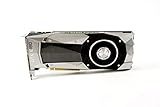
- Best Value: nVidia GeForce RTX 3090 Founders Edition Graphics Card
- Premium Choice: NVIDIA Quadro RTX 6000
Update Nvidia drivers Ubuntu-side and you unlock better performance, new features, and important bug fixes — but pick the wrong method and you risk a broken desktop or a dreaded black screen. If you run Ubuntu with an Nvidia GPU, you already know the process is more nuanced than it is on Windows. This review compares the real methods side by side, with the exact terminal commands you can copy, drawing on the patterns behind Linux users’ feedback. You’ll learn the safest way to update, how to verify it worked, and how to fix the classic problems that trip people up, all without guesswork.


Prime
Limited Time
GeForce GT 610 2G DDR3 Low Profile Graphics Card, PCI Express 1.1 x16, HDMI/VGA, Entry Level GPU for PC, SFF and HTPC, Compatible with Win11
The Best Ways to Update Nvidia Drivers on Ubuntu
Ubuntu gives you several ways to install and update the proprietary Nvidia driver, ranging from a point-and-click tool to fully command-line workflows. Each has trade-offs in simplicity, control, and how current the driver is, so the right choice depends on how comfortable you are in the terminal and how new a driver you need. Here are the three methods that Linux users rely on most.
As an Amazon Associate we earn from qualifying purchases at no extra cost to you.




Method 1: The Graphical “Additional Drivers” Tool
The easiest route is the built-in graphical tool. Open “Software & Updates,” switch to the “Additional Drivers” tab, select the recommended proprietary Nvidia driver, and click Apply Changes. It’s the friendliest option for newcomers and requires no commands at all.
This method pulls drivers from Ubuntu’s official repositories, so it’s stable and well-tested, though not always the very newest release. For most desktop users who simply want reliable graphics, that trade-off is entirely worth it.
After it finishes, reboot to load the new driver. If you prefer a graphical, low-risk path and don’t need bleeding-edge versions, this is the method to start with. It’s also the safest choice on a work or study machine you can’t afford to break, because everything comes from Ubuntu’s tested repositories and integrates cleanly with the rest of your system updates.
Method 2: The ubuntu-drivers Command Line
For those comfortable in the terminal, the ubuntu-drivers utility is fast and reliable. First, see what your system recommends, then let it install the best match automatically:
ubuntu-drivers devices
sudo ubuntu-drivers autoinstall
sudo reboot
If you want a specific driver branch instead of the automatic pick, you can install it directly with apt, replacing the version number with the current one you need:
sudo apt install nvidia-driver-550
sudo reboot
This approach is popular because it’s quick, scriptable, and still uses tested repository packages. It’s the sweet spot for many users who want control without the risk of manual installers. Because everything flows through apt, removing or changing the driver later is just as clean as installing it, which is a big reassurance if you ever need to troubleshoot or roll back.
Method 3: The Graphics Drivers PPA and Official Installer
To get newer drivers than Ubuntu ships by default, many users add the community graphics-drivers PPA, which packages fresh releases while keeping apt’s clean install-and-remove workflow:
sudo add-apt-repository ppa:graphics-drivers/ppa
sudo apt update
sudo apt install nvidia-driver-560
sudo reboot
The most advanced option is Nvidia’s official .run installer, which offers the absolute latest drivers but installs outside the package manager, making updates and removal messier. Most users should avoid it unless they have a specific reason.
The practical takeaway is a ladder of freshness versus safety: the GUI and repository drivers are safest, the PPA is a good balance for newer versions, and the .run installer is a last resort for experts who need the newest release immediately. Most users never need to climb past the first two rungs.
What Ubuntu Users Say About Each Method
To review these approaches to update Nvidia drivers Ubuntu-style, it helps to weigh the smooth experiences against the frustrating ones. The consensus is that the simpler methods are the most reliable, while the trouble almost always comes from advanced installs or specific system settings rather than the drivers themselves.
The 4-5 Star Experience: Smooth and Simple
Users who stick to the graphical tool or the ubuntu-drivers command overwhelmingly report smooth, uneventful updates. They praise how a couple of commands or clicks, followed by a reboot, simply work, delivering better performance and stability.
Many highlight how much cleaner the experience has become over the years, with the repository and PPA methods handling dependencies automatically. For everyday desktop and gaming use on Ubuntu, these methods earn consistent praise.
The common thread is restraint: users who resist the urge to hand-install the newest driver, and who reboot properly after updating, rarely run into problems. Simplicity is the reliability secret here. Many long-time Ubuntu users specifically recommend that newcomers avoid the temptation of the newest possible version, since the small performance difference is rarely worth the added risk of a broken boot.
The 2-3 Star Frustrations: Black Screens and Secure Boot
The frustrated reviews cluster around a few predictable culprits. The most common is a black screen after installing a driver, frequently caused by Secure Boot blocking the unsigned driver module or by leftover conflicts with the open-source nouveau driver.
Secure Boot in particular catches many users off guard, since it can require enrolling a key during installation. Skipping that step leaves the new driver unable to load, producing exactly the black screen people dread.
The good news is that these are known, solvable issues rather than dead ends. Nearly every black-screen story on the forums ends with a fix, usually involving Secure Boot or a clean reinstall of the driver.
Pros and Cons of Each Update Method
Here’s a balanced comparison of the main ways to update Nvidia drivers Ubuntu offers, so you can pick the one that fits your comfort level.
| Method | Pros | Cons |
|---|---|---|
| Additional Drivers (GUI) | Easiest, no commands, stable | Not the newest versions |
| ubuntu-drivers command | Fast, scriptable, tested packages | Requires basic terminal comfort |
| Graphics Drivers PPA | Newer drivers, clean apt workflow | Adds a third-party repository |
| Official .run installer | Absolute latest driver | Messy updates, expert-only |
The verdict for most users is clear: start with the GUI or ubuntu-drivers for safety, step up to the PPA only if you need newer releases, and avoid the .run installer unless you truly need it. Matching the method to your needs prevents the vast majority of problems.
Verifying, Troubleshooting, and Staying Updated
Once you’ve installed a driver, a quick verification and a few troubleshooting fundamentals keep everything running smoothly. Knowing how to confirm the update and fix common issues turns Nvidia on Ubuntu from stressful into routine.
Verifying Your Driver With nvidia-smi
After rebooting, the fastest way to confirm your update worked is the nvidia-smi command, which reports your driver version and GPU status:
nvidia-smiIf it prints a table showing your GPU and a driver version, the proprietary driver is loaded and working correctly. If the command isn’t found or errors out, the driver didn’t install properly and needs attention.
This single command is the definitive check. Making it a habit after every update means you’ll immediately know whether the process succeeded rather than discovering a problem later. The output also shows real-time GPU usage, temperature, and memory, so the same command doubles as a quick way to confirm your card is actually being used for demanding tasks like gaming or AI work.
Fixing Common Problems: Secure Boot, Nouveau, Black Screen
If you hit a black screen, Secure Boot is the usual suspect. Either enroll the MOK key when prompted during installation, or disable Secure Boot in your system firmware so the Nvidia module can load.
Conflicts with the open-source nouveau driver are another common cause, usually resolved by ensuring the proprietary driver is properly installed and nouveau is blacklisted, which the standard installation methods handle automatically.
When in doubt, a clean reinstall of the driver through ubuntu-drivers fixes most lingering issues. Booting into a recovery or lower graphics mode gives you terminal access to run the fix even if the desktop won’t load. Keeping a live USB of Ubuntu handy is also worthwhile, since it lets you reach the internet and your files to research a fix even in the rare case that the system won’t boot normally at all.
See More:
- AMD graphics driver download
- Is Nvidia American
- Nvidia 1080 Ti drivers
- Radeon graphics driver update
- Nvidia RTX 3060 drivers
Keeping Drivers Updated Safely Long-Term
You don’t need to chase every driver release. Update when a new game or application benefits, when a fix addresses a bug you’re experiencing, or periodically through your normal sudo apt update && sudo apt upgrade routine.
Sticking to repository or PPA packages keeps updates clean, because apt manages them for you and makes rollbacks straightforward if something misbehaves. This is a major advantage over manual installers. It also means your Nvidia driver stays in sync with kernel updates automatically, which prevents the frustrating situation where a system upgrade leaves your graphics driver mismatched and broken.
If your GPU is aging and updates can no longer keep pace with the software you use, it may be time to consider newer hardware. You can compare current Nvidia GPUs through the links on this page whenever an upgrade makes sense. Modern cards also bring much smoother Linux support and features that older GPUs simply can’t offer, so an upgrade often improves the whole desktop experience, not just gaming frame rates.
Ultimately, learning to update Nvidia drivers Ubuntu-side is far simpler than its reputation suggests: use the GUI or the ubuntu-drivers command for reliability, reach for the PPA only when you need newer releases, and confirm everything with nvidia-smi. Handle Secure Boot correctly and most problems never appear. And if you reach the point where your card can’t keep up no matter how current the driver, explore the recommended Nvidia GPUs linked here to upgrade with confidence.
Frequently Asked Questions
What is the easiest way to install Nvidia drivers on Ubuntu?
Use the Additional Drivers tab in Software and Updates, or run ubuntu-drivers devices in a terminal to see the recommended package and install it with sudo ubuntu-drivers autoinstall. This pulls the packaged driver from the Ubuntu repositories, which is the most stable option for desktop use.
Should I use the graphics-drivers PPA or the .run file?
The PPA gives newer versions while keeping package management intact, which is a reasonable middle ground. Avoid the .run installer from Nvidia unless you have a specific reason, because it bypasses apt, breaks on kernel updates and complicates removal. Packaged drivers integrate far better with DKMS and Secure Boot.
Why does my system boot to a black screen after installing?
The usual causes are Secure Boot rejecting the unsigned kernel module, or a conflicting nouveau driver still loaded. Enrol the MOK key when prompted during install, or disable Secure Boot in UEFI. From a recovery console you can purge the driver with sudo apt purge nvidia-* and reboot to reinstall cleanly.
Do I need anything extra for Wayland?
Recent driver branches work with Wayland on GNOME and KDE with far fewer issues than before, though some applications still perform better on Xorg. If you hit flicker or screen sharing problems, select the Xorg session at the login screen and confirm whether the issue follows the session type.
How do I check the driver is actually loaded?
Run nvidia-smi in a terminal. It should report the driver version, GPU model, temperature and running processes. If the command is missing or reports that it cannot communicate with the driver, the kernel module failed to build or load, which you can inspect with dmesg and journalctl.

Write Your Review
No reviews yet. Be the first to share your experience!