
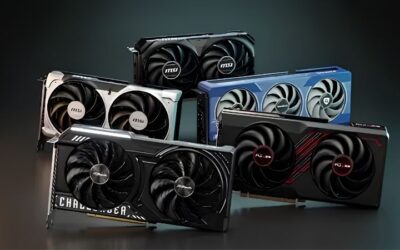
- Top Pick: ASRock Intel Arc A380 Challenger ITX 6GB OC, 2250MHz GPU, 6GB GDDR6 96-bit, PCIe 4.0, Single Fan, 0dB Silent, DP 2.0, HDMI 2.0b
- Best Value: Sparkle Intel Arc A380 ELF, 6GB GDDR6, Single Fan, SA380E-6G
- Premium Choice: ASRock Intel Arc A580 Challenger 8GB OC Graphics Card, Intel Xe HPG Architecture, 8GB GDDR6, PCIe 4.0, Dual Fans, 0dB Silent Cooling, DisplayPort 2.0
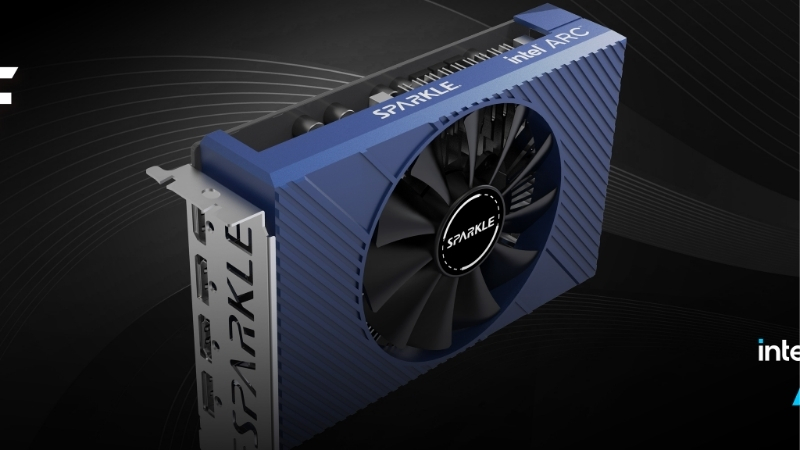
intel arc a380 is Intel’s smallest and cheapest dedicated graphics card, and while it is no gaming powerhouse, it hides one genuinely standout feature that makes it far more interesting than its price suggests. With low power draw, a compact design, and a hardware AV1 encoder rarely found this cheap, the A380 has carved out a niche as an entry-level and media card rather than a gaming one. This review examines what the A380 offers, where it makes sense, and what owners genuinely praise and criticize, so you can decide whether this tiny card has a place in your build.
What the Intel Arc A380 Is
The Intel Arc A380 is the entry-level model in Intel’s first-generation Alchemist lineup, built for light workloads rather than serious gaming. Its low price, modest power draw, and compact size define its character, but its most compelling trait is a media feature usually reserved for pricier cards. Understanding its core specifications, its standout AV1 encoder, and who it is really for is essential to judging where this small card genuinely shines.
As an Amazon Associate we earn from qualifying purchases at no extra cost to you.





An Entry-Level Alchemist Card
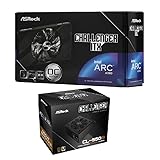
The A380 pairs 6GB of GDDR6 memory with a narrow memory bus and modest compute resources, marking it clearly as an entry-level card rather than a mainstream gaming option at roughly $139.
Its low power draw, around 75W, and small physical size make it easy to fit into compact systems and modest power supplies, which suits its role as a light-duty and media card.
For a buyer, the A380 makes sense not as a gaming card but as an affordable, efficient way to add modern display outputs, media features, and light acceleration to a system.
Framing the A380 correctly is the key to being happy with it. Judged as a budget gaming card, it will disappoint, because that is not what it was built to be. Judged as a cheap, low-power way to bring modern connectivity and media capabilities to a compact or secondary system, it fills a role that pricier cards would be wasteful in. Getting that framing right before you buy is the difference between a frustrating purchase and a genuinely useful one.
The Standout AV1 Encoder
The A380’s headline feature is its hardware AV1 encoder, which arrived on Arc earlier and more broadly than on many rivals and is genuinely rare at this rock-bottom price point.
For streamers, video creators, and anyone building a dedicated encoding or media machine, that AV1 encoder delivers efficient, high-quality output that would otherwise require a far more expensive card.
This single feature transforms the A380’s value proposition, turning what would be an unremarkable entry card into a uniquely cheap route to modern AV1 encoding for the right user.
The appeal of AV1 specifically is that it is a modern, efficient, royalty-free codec increasingly favored by streaming platforms and video services. Encoding in AV1 can deliver better quality at a given bitrate than older codecs, which benefits both streamers pushing video upstream and creators archiving footage. Having dedicated hardware to handle that encoding, rather than taxing the processor, is exactly the kind of capability that used to demand a much pricier card, which is what makes finding it on the A380 so notable.
Who the A380 Is For
The A380 is aimed at builders of home-theater PCs, light-use systems, and dedicated streaming or encoding machines, as well as anyone who needs modern outputs and AV1 encoding on a tight budget.
It suits users whose gaming ambitions are limited to older or lightweight titles, since it is not built to run demanding modern games at high settings.
Like all Arc cards, it depends on Resizable BAR being enabled to perform its best, so it is best paired with a reasonably modern platform.
The A380 also appeals to a more specialized audience: those building a dedicated encoding or capture machine separate from their main gaming PC. In that setup, a cheap, low-power card whose main job is efficient AV1 encoding is exactly what is needed, and spending more on a powerful gaming GPU would be wasted. For this kind of purpose-built system, the A380’s narrow but genuine strengths line up almost perfectly with the requirements.
Real-World Performance and User Impressions
The A380’s value depends heavily on matching it to the right task, so a fair review blends its real-world capabilities with what owners report. Combining the enthusiastic 4-5 star feedback with the more critical 2-3 star reviews shows clearly where the A380 delivers and where it disappoints. Here is the consistent pattern from both the data and the community.
Light Gaming and HTPC Use
In light gaming, the A380 can handle older titles and less demanding games at 1080p on modest settings, but it is not designed for smooth performance in demanding modern releases.
Where it excels is as a home-theater and media card, driving modern displays, handling media playback, and providing its standout AV1 encoding in a compact, low-power package.
The analytical takeaway is that the A380’s real strength lies outside gaming, and buyers who judge it as a media and encoding card rather than a gaming one come away far more satisfied.
In a home-theater or dedicated encoding build, the A380’s low power draw is a genuine asset rather than a limitation, since such systems often run quietly in compact cases where heat and noise matter. The card sips power, stays cool, and delivers its modern media features without demanding a large power supply or elaborate cooling, which makes it an almost ideal fit for the always-on, unobtrusive machines these roles call for.
What 4-5 Star Users Praise
Positive owners overwhelmingly praise the AV1 encoder, describing the A380 as an incredibly cheap way to get modern encoding for streaming, recording, and dedicated media builds.
They also appreciate the low power draw and compact size, which make it easy to slot into small or efficient systems without cooling or power concerns.
Many highlight that for its intended media and light-use roles, the A380 offers a genuinely modern feature set at a price nothing else matches, which is the core of its appeal.
Streamers on tight budgets are among the most enthusiastic, describing how the A380 let them add high-quality AV1 encoding to a build or even to a dedicated second PC for streaming without a major outlay. For that specific use, several reviewers frame it as almost a no-brainer, since the encoder alone justifies the modest cost and the rest of the card’s capabilities are simply a bonus on top.
Common Complaints from 2-3 Star Reviews
The most common criticism is gaming performance, since buyers who expect the A380 to handle demanding modern games are inevitably disappointed by its entry-level capabilities.
The Resizable BAR requirement also frustrates users on older platforms, where the card underperforms badly until it is enabled or if the system does not support it well.
A minority cite the familiar first-generation driver caution and occasional issues in specific games, though for the light and media workloads the card is best suited to, these matter far less.
In practice, most of these criticisms come from buyers who purchased the A380 expecting a capable gaming card, so they largely reflect a mismatch of expectations rather than a flaw in what the card is meant to do. For its intended media, encoding, and light-use roles on a modern platform, the complaints that dominate its lowest ratings simply do not apply.
Value, Comparison, and Buying Advice
An entry-level card must be judged against its alternatives and the current market, so this section compares the A380 with other budget options, lays out the pros and cons, and frames the decision within 2026’s GPU pricing, where its unique feature set defines its niche value.
A380 vs Other Budget Options
Against other entry-level cards and integrated graphics, the A380’s trump card is its AV1 encoder, which most cheap alternatives simply do not offer, giving it a clear purpose for media builders.
For pure light gaming, some budget alternatives may offer comparable or better frame rates, so the A380 is not the obvious pick if gaming is the only goal and encoding is irrelevant.
The practical verdict is that the A380 wins decisively for media, encoding, and HTPC use, while pure gamers on a budget are usually better served by stepping up to a more capable card like the A750 or a Battlemage option.
That distinction is worth being honest with yourself about before buying. If your goal is to play modern games at reasonable settings, the small saving the A380 offers over a more capable budget card is a false economy, since you will quickly hit its limits. But if gaming is secondary and media, encoding, or connectivity is the point, the A380 delivers exactly what those pricier cards would, without paying for gaming muscle you would never use.
Pros and Cons of the Arc A380
Here is the balanced summary drawn from the evidence and owner feedback.
Pros: a standout AV1 encoder, very low price, low power draw, compact size, and modern display outputs. Cons: weak gaming performance, only 6GB of VRAM, requires Resizable BAR, and first-generation drivers that remain younger than rivals’.
Because the A380’s value is so tied to its niche and price, if it fits your media or encoding needs, checking live pricing through the link on this page is the logical next step.
Is the A380 Worth Buying in 2026?
The A380’s niche value intersects with 2026’s market. After the steep climb at the end of 2025, graphics-card pricing has settled into a calmer stretch, but calm here means flat rather than falling, so cards across the range remain relatively firm in price.
With fresh memory supply from sources like CXMT and Micron’s two new Idaho plants not arriving until 2027–2028, meaningful price relief is still years off, so waiting is unlikely to reward a buyer with a dramatically cheaper A380.
For a media or encoding-focused buyer, a well-priced A380 makes sense now rather than as a bet on future drops. If it fits your needs, check its current price through the link on this page and secure it while the deal lasts.
See More:
Conclusion
The verdict on the intel arc a380 is that it is a niche card with one genuinely killer trick: a hardware AV1 encoder that is remarkably rare at its rock-bottom price, making it an outstanding choice for streaming, media, and home-theater builds despite its weak gaming performance. Its caveats are limited gaming ability, a small memory buffer, and the Resizable BAR requirement, but judged as the media and encoding card it truly is, it offers value nothing else quite matches. For the right buyer, this tiny GPU is a smart, efficient pick — and with prices only holding steady rather than dropping, there is little reason to wait. Use the link above to compare live pricing on the Arc A380 and secure yours today.
Top-Rated Picks


Save $16.02

| Product | Brand | Rating | Reviews | Price |
|---|---|---|---|---|
| ARCTIC MX-4 (4 g) – Premium Performance Thermal Paste… | ARCTIC | ★ 4.8 | 104k | $4.99 |
| ARCTIC MX-4 (incl. Spatula, 4 g) – Premium Performanc… | ARCTIC | ★ 4.8 | 71.9k | $5.49 |
| Crucial 8GB DDR4 RAM 3200MHz (PC4-25600), Downclockab… | Crucial | ★ 4.8 | 62.8k | $74.99 |
| AMD Ryzen 5 5600X 6-core, 12-thread unlocked desktop … | — | ★ 4.8 | 30.2k | $177.60 |
| NVIDIA Shield Remote; Voice Search, Motion-Activated,… | — | ★ 4.7 | 10.6k | $25.99 |
Frequently Asked Questions
What makes the AV1 encoder so notable?
The A380 was among the first consumer cards with hardware AV1 encoding, and it remains excellent value for that job. AV1 delivers roughly 30-40% better quality per bit than H.264, so a sub-150 dollar card can serve as a dedicated transcoding accelerator in a home server or editing rig.
Is 6GB of VRAM enough for gaming?
For 1080p at medium settings in most titles, yes, but newer releases with high-resolution texture packs will exceed it and cause stuttering. Treat the A380 as an entry-level 1080p card for esports and older games rather than a machine for maxed-out modern AAA titles.
Does it need Resizable BAR?
Effectively yes. Without Resizable BAR and Above 4G Decoding enabled in the motherboard UEFI, Arc performance can collapse by 30-50% in some games. Confirm your platform supports it, which generally means Intel 10th generation or newer, or AMD Ryzen 3000 and later with an updated BIOS.
What power connector and PSU does it need?
Most retail A380 cards sit around 75W board power and use a single six or eight-pin connector, though some low-profile variants run from the slot alone. A quality 400-450W supply is ample. Its modest draw and compact size make it a natural fit for small form factor and media builds.
How are the drivers now?
Intel has improved Arc drivers dramatically since launch, especially for DirectX 12 and Vulkan titles. DirectX 9 games now run through a translation layer with acceptable results, though older DirectX 11 titles remain the weakest area. Check recent reviews for the specific games you play before buying.



Write Your Review
No reviews yet. Be the first to share your experience!