
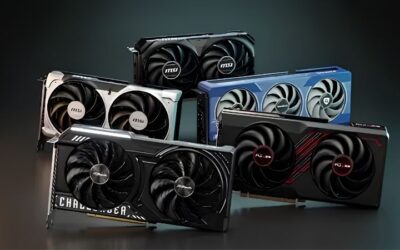
- Top Pick: msi Gaming GeForce RTX 3060 Ventus 2X 12G OC V1 Graphics Card – 15 Gbps GDRR6 Boost Clock: 1807 MHz 192-Bit HDMI/DP PCIe 4 Torx Twin Fan Ampere
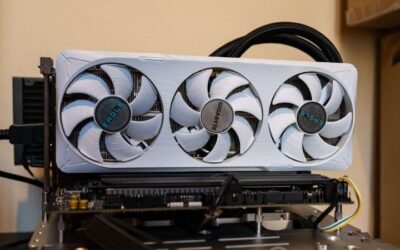
- Best Value: GIGABYTE GeForce RTX 3060 WINDFORCE OC 12G (rev. 2.0) Graphics Card, 2X WINDFORCE Fans, 12GB 192-bit GDDR6, GV-N3060WF2OC-12GD Rev2.0 Video Card
- Premium Choice: ASUS Dual GeForce RTX 3050 6GB GDDR6 OC Edition Gaming Graphics Card


Nvidia RTX 3060 is one of those cards people keep researching years after launch, and for good reason: its generous 12GB of memory, solid 1080p and entry-1440p performance, and steady used-market availability make it a perennial value pick. But in a market where component prices remain elevated in 2026, the real question is not just how the card performs — it is whether it still makes sense to buy today, new or used, and at what price. This review pulls together the card’s strengths and weaknesses, what long-term owners actually report, and how the current pricing landscape should shape your decision, so you can judge the RTX 3060 clearly rather than on nostalgia or hype.
As an Amazon Associate we earn from qualifying purchases at no extra cost to you.


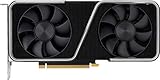
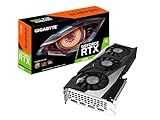
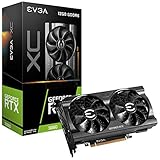
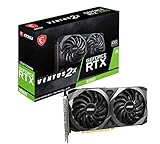
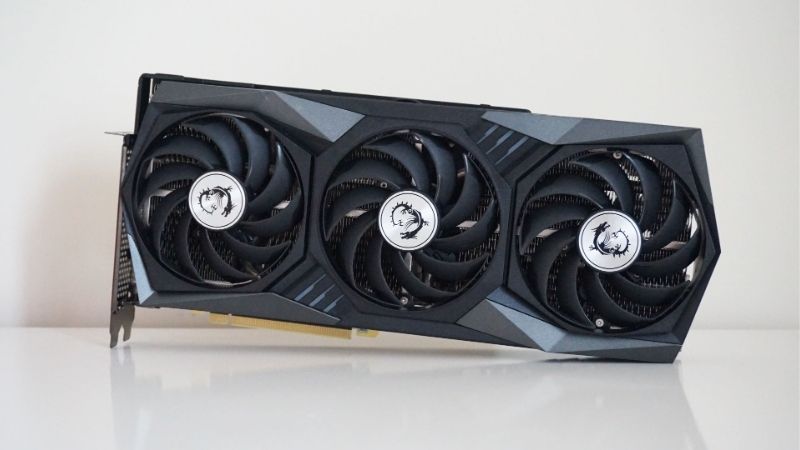
Is the RTX 3060 still worth it?
The RTX 3060 launched as a mainstream card and has aged into a value option, which changes how you should evaluate it. Instead of asking whether it is cutting-edge, the useful question is whether it delivers enough performance and features for your needs at a price that beats the alternatives. On that basis, it holds up better than many newer cards in its price band.
What the RTX 3060 offers
The headline feature is memory: the common 12GB version gives the card more video memory than several newer, pricier options, which helps in memory-hungry modern games and in creative work. It also supports DLSS, Nvidia’s upscaling technology, which can meaningfully lift frame rates in supported titles and extends the card’s useful life.
The analytical point is that the 3060’s 12GB buffer is its secret weapon in 2026. As games demand more memory, cards with too little age poorly, and the 3060 sidesteps that trap. For a buyer weighing value, that memory headroom is a genuine, lasting advantage rather than a spec-sheet footnote.
This is easy to underrate until you see it in action. A card can have plenty of raw processing power yet stutter badly when a game’s textures overflow a small memory pool, and that is precisely the failure mode that has aged some newer, smaller-buffer cards prematurely. The 3060 rarely runs into that wall at the resolutions it targets, which is a large part of why it still feels smooth in titles released years after it launched. Memory capacity is unglamorous, but it is often the difference between a card that ages gracefully and one that feels obsolete quickly.
Performance and resolution today
In practical terms, the RTX 3060 is a strong 1080p card and a capable entry-1440p one. At 1080p it handles the vast majority of modern games at good settings, and with DLSS it can stretch into 1440p or push ray tracing in titles that support it, within reason.
What it is not is a high-refresh 1440p or 4K card for the most demanding games. Setting expectations correctly is key: bought as a 1080p workhorse with 1440p reach, the 3060 satisfies; bought expecting flagship performance, it will disappoint. Match it to a 1080p or entry-1440p monitor and it delivers exactly what it should.
New versus used pricing in 2026
Here is where current market conditions matter. Component and memory costs have kept prices elevated into 2026, and that pressure reaches both new stock and the used market. When new-card prices stay high, used prices tend to follow, so a used RTX 3060 is not automatically the bargain it once was — you have to check the gap.
The practical method is to compare the used 3060 price against both new 3060 stock, where it still exists, and the next tier of newer cards. If a used 3060 is only modestly cheaper than a newer card with better features, the newer option may win; if the used discount is large, the 3060’s 12GB value shines. Because the market has flattened but not fallen, and meaningful supply relief is not expected until 2027 to 2028, waiting for prices to collapse is a weak strategy. Buying a 3060 at a fair current price makes more sense than holding out for a drop the supply chain is not promising.
It is worth understanding why the used market stays firm. The same memory and component costs lifting new-card prices also raise the value of every capable used card, and the 3060’s 12GB buffer makes it especially desirable to budget buyers who know memory is the spec that ages worst. That demand keeps used prices sticky. On the encouraging side, some hardware makers have reported a stretch of relative price stability after the sharp climb of late 2025, so the frantic bidding of that period has cooled. The takeaway for a 3060 shopper is measured optimism: prices are calmer than they were, which makes it easier to judge a fair number, but they are not falling, so a good deal today is worth taking rather than deferring.
Living with the RTX 3060
Specs describe a card; owner experience tells you how it actually feels over time. The RTX 3060 has years of real-world use behind it, and that track record — including both the praise and the complaints — is some of the most useful information for a prospective buyer.
What long-term owners report
The strongly positive feedback centers on reliability and value: owners consistently praise the 12GB memory, smooth 1080p gaming, quiet operation on many models, and how well the card has aged thanks to DLSS support. For a card at its price, satisfaction runs high among people who bought it for what it is.
The more critical feedback is honest and worth heeding. Some owners note that ray tracing at higher settings pushes the card harder than they would like, and that the most demanding recent games require dropping settings at 1440p. These are not defects so much as the natural limits of a mainstream card, but knowing them prevents mismatched expectations.
A recurring theme in the mixed reviews is expectation management rather than disappointment with the card itself. Buyers who purchased the 3060 as a 1080p card with occasional 1440p reach tend to rate it highly years later; those who hoped it would max out demanding titles at higher resolutions were the ones let down. That split is instructive: the RTX 3060 rewards a buyer who understands its class and frustrates one who does not. Reading owner feedback with that lens turns a pile of star ratings into a clear signal about whether the card fits your specific expectations.
Where it shines and where it struggles
The 3060 shines in the mainstream sweet spot: 1080p gaming, esports titles at high frame rates, memory-heavy games that punish smaller buffers, and creative workloads that appreciate the extra memory. In that territory it is comfortable and consistent.
It struggles when pushed beyond its class — maxed ray tracing, high-refresh 1440p in demanding titles, or 4K. Recognizing the boundary is what makes the card a smart buy for the right person: within its lane it is excellent value, and outside it, a stronger card is simply the better tool.
The market context in 2026
The broader pricing picture reinforces the 3060’s appeal as a value play. With prices across the GPU market elevated by memory and component costs, a card that delivers a strong experience for less money is exactly what budget-conscious buyers need. The 3060’s combination of a large memory buffer and mature, stable drivers makes it a sensible way to sidestep the premium the newest cards command.
That said, the same elevated market means you should shop deliberately. Since prices have stabilized rather than dropped, and real relief is years out, the winning move is to buy a well-priced 3060 now if it fits your needs, rather than waiting on a market shift that current supply forecasts do not support. Check the live price before committing, because the number today is the one that should decide it.
Verdict, alternatives, and getting a fair price
With performance, ownership experience, and market context on the table, the decision comes down to whether the RTX 3060 fits your resolution and budget better than the alternatives. This section weighs the trade-offs plainly and points you toward the smartest way to buy.
Pros and cons of the RTX 3060
Because this is a review, here is the honest balance sheet for the Nvidia RTX 3060.
| Pros | Cons |
|---|---|
| Generous 12GB memory ages very well | Not built for high-refresh 1440p or 4K |
| Strong, consistent 1080p performance | Ray tracing at high settings strains it |
| DLSS support extends its useful life | Used prices elevated by the tight market |
| Mature drivers and proven reliability | Newer tiers may edge it out if the discount is small |
The verdict is that the RTX 3060 remains a genuinely smart value pick for 1080p and entry-1440p gamers, especially where its 12GB buffer matters. Its weaknesses are simply the ceiling of its class, not flaws in the card.
Who should buy it, and the alternatives
Buy the RTX 3060 if you game at 1080p or entry 1440p, value a large memory buffer, and can find it at a fair price with a meaningful discount over newer cards. It is a particularly good fit for budget builds and for anyone who wants proven, hassle-free reliability.
If the used discount is thin, consider a newer mid-range card that offers more current features for a modest premium, or a higher-memory current-generation option. The right choice depends on the price gap on the day you buy, so it is worth comparing the 3060 against the nearest newer alternatives before deciding.
Locking in a fair price
Once you have confirmed the 3060 fits your resolution and the price beats the alternatives, acting promptly beats waiting. In a stabilized-but-elevated market, a fair price is unlikely to improve dramatically soon, so hesitation mostly costs you playtime rather than money.
The efficient move is to compare current listings for the RTX 3060 and its closest rivals, then buy from the seller offering the best real-world price and reliability. You can check today’s live prices on Amazon and secure a fair deal now rather than gambling on a drop the market is not offering.
See More:
- Nvidia CEO LinkedIn
- Nvidia driver rollback
- Nvidia roll back driver
- RX 9070 XT vs 5060 Ti
- Nvidia driver uninstaller
Conclusion
The Nvidia RTX 3060 endures as a value favorite because its 12GB memory, dependable 1080p performance, and DLSS support give it staying power that many pricier cards lack. In a 2026 market where prices remain elevated and real relief is still years away, buying a well-priced 3060 that fits your resolution is a smarter move than waiting for a drop that is not coming soon. Match it to a 1080p or entry-1440p setup, compare it against the nearest newer cards, and when the price is fair, take it. Check current listings on Amazon to see where the RTX 3060 stands today and lock in your card with confidence.
Frequently Asked Questions
Is the RTX 3060 12GB still worth buying in 2026?
As a used or heavily discounted card for 1080p gaming, yes. It handles high settings at 1080p in most titles and its 12GB frame buffer means it rarely runs out of memory where 8GB cards do. At full new pricing it makes no sense against an RTX 5060, which is faster and more efficient.
Why does it have more VRAM than newer cards?
The GA106 die uses a 192-bit memory bus, and the practical configurations were either 6GB or 12GB. Nvidia chose 12GB, giving the card an unusual amount of memory for its performance tier. That decision is why it has aged better than the RTX 3070 in memory limited scenarios despite being much slower overall.
Does it support DLSS 4?
It supports DLSS 4 transformer model upscaling and ray reconstruction, which Nvidia made available across all RTX generations. It does not support Frame Generation or Multi Frame Generation, which require Ada and Blackwell respectively. The improved upscaler is still worth enabling because it lets you render at a lower internal resolution with less quality loss.
What power supply does it need?
It is rated at 170W and uses a single 8-pin PCIe connector, with a 550W supply recommended. That makes it one of the easiest upgrades for an older prebuilt, provided the case has room for a dual fan card. Avoid the temptation to run it on a bundled generic 450W unit.
Is it any good for local AI work?
It is one of the cheapest ways to get 12GB of CUDA capable memory, which is enough for small language models, Stable Diffusion style image generation, and learning projects. Throughput is modest and it lacks the newer FP8 and FP4 acceleration of Blackwell, so treat it as an entry point rather than a serious inference card.

Write Your Review
No reviews yet. Be the first to share your experience!