
- Top Pick: EVGA GeForce GTX 1070 SC GAMING ACX 3.0 Black Edition, 8GB GDDR5, LED, DX12 OSD Support (PXOC) 08G-P4-5173-KR (Renewed)
- Best Value: Nvidia GeForce GTX 1080 8GB FE Founders Edition GDDR5X Video Graphics Card (Renewed)
- Premium Choice: EVGA GeForce GTX 1080 SC GAMING ACX 3.0, 8GB GDDR5X, LED, DX12 OSD Support (PXOC) Graphics Card 08G-P4-6183-KR (Renewed)
GTX 1080 remains one of the most sought-after used graphics cards years after its launch, and for good reason: it still delivers strong 1080p and capable 1440p gaming for a bargain price. But is this Pascal classic still worth buying in 2026, or has time finally caught up with it? This review breaks down the real-world performance, what owners actually report, and whether the GTX 1080 deserves a spot in your build today.
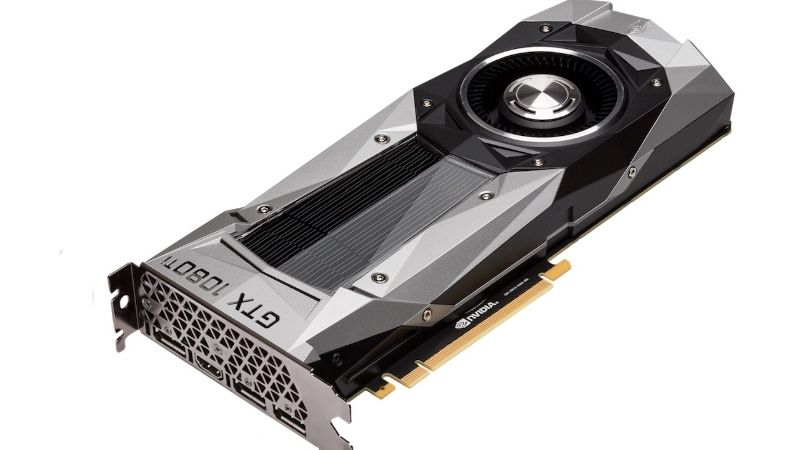
GTX 1080 in 2026: Specs and Real-World Performance
Before deciding whether to buy, it helps to understand exactly what the GTX 1080 offers and how it holds up against the demands of modern games. This card was a genuine flagship in its era, and much of that strength carries over, but its age shows in specific areas. Here is a grounded look at its specifications and the performance you can realistically expect from it now.
As an Amazon Associate we earn from qualifying purchases at no extra cost to you.


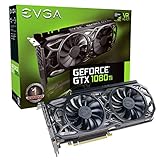


GTX 1080 Key Specs at a Glance
The GTX 1080 is built on Nvidia’s Pascal architecture and pairs a healthy amount of fast memory with an efficient design that still fits comfortably in most systems.
| Spec | GTX 1080 |
|---|---|
| Architecture | Pascal |
| VRAM | 8GB GDDR5X |
| Memory bus | 256-bit |
| CUDA cores | 2,560 |
| Board power | ~180W |
| Recommended PSU | 500W |
| Typical used price | ~$120–$170 |
The standout figures are the 8GB of fast GDDR5X memory and the wide 256-bit bus, which together give the GTX 1080 more staying power than many cards of its generation. Its ~180W draw is also reasonable, keeping it easy to power and cool in a typical build.
1080p and 1440p Gaming Performance Today
At 1080p, the GTX 1080 remains a strong performer. It handles the majority of modern games at high settings above 60 fps and pushes far higher frame rates in esports titles, making it a genuinely capable card for a high-refresh 1080p monitor.
At 1440p, it holds up better than expected. In many titles it delivers a smooth experience at medium-to-high settings, and its 8GB of VRAM helps it avoid the texture stutter that plagues smaller-buffer cards. The most demanding recent AAA games will require some settings adjustments, but the GTX 1080 still gets you comfortably into 1440p territory.
To put that in context, the GTX 1080 sits in the same broad performance class as several newer mainstream cards, which is exactly why it stays relevant so long after launch. In popular titles like GTA V, Fortnite, and older AAA favorites it runs high or ultra settings with ease, and even in more recent releases a sensible mix of high and medium settings keeps it smooth. It is only in the very newest, most graphically punishing games that you feel its age and need to pull settings back noticeably.
The clear limitation is modern features. Because it predates Nvidia’s RTX line, the GTX 1080 has no ray tracing and no DLSS, so it relies entirely on traditional rasterized performance—strong as that is—to keep up with newer titles.
What Owners Say: Reliability and Common Complaints
Long-term owner feedback on the GTX 1080 skews positive, with users repeatedly praising its durability and the fact that it still runs current games well after years of service. Many report buying one used specifically because it remains such a dependable 1080p and 1440p workhorse.
The most common complaints in critical feedback are predictable for a card of this age. Some buyers note the lack of ray tracing and DLSS as a reason it feels dated next to newer cards, and a few mention that heavily-used units can have tired fans that may need cleaning or replacement.
Taken together, the owner consensus is that the GTX 1080 is a reliable, high-value used card, provided you buy a clean unit and accept that it is a traditional-rendering GPU without modern AI features.
Is the GTX 1080 Still Worth Buying?
The specs and performance paint a clear picture, but the real question is whether the GTX 1080 makes sense for your specific needs and budget in 2026. This depends on how you play, what resolution you target, and whether modern features matter to you. Here is an honest assessment of where this card still delivers and where its age holds it back.
Where the GTX 1080 Still Shines
The GTX 1080 is at its best as a high-value 1080p and entry-level 1440p card. For gamers who play traditional, rasterized titles and want strong performance without spending much, it delivers an experience that belies its bargain used price.
It is also an excellent choice for a first serious gaming PC or a hand-me-down upgrade. Its healthy 8GB of VRAM and efficient power draw make it a low-risk, capable card that will run the vast majority of a typical game library without complaint.
For anyone who does not care about ray tracing and simply wants the most traditional gaming performance per dollar, the GTX 1080 continues to be one of the smartest bargains on the used market.
Pros and Cons of the GTX 1080 in 2026
Every used card is a set of trade-offs, and the GTX 1080 is no exception. Here is the direct breakdown to help you decide.
- Pros: Strong 1080p and capable 1440p performance, generous 8GB GDDR5X on a wide 256-bit bus, efficient ~180W power draw, proven long-term reliability, excellent value used.
- Cons: No ray tracing or DLSS, aging architecture with no new features, older units may have worn fans, struggles at maxed settings in the heaviest modern titles.
The balance tips clearly in the GTX 1080’s favor for buyers focused on traditional performance and value, and against it only if you specifically want modern AI features.
Power, Heat, and System Requirements
One of the GTX 1080’s underrated strengths is how easy it is to accommodate. Its ~180W draw is modest for a card of its performance, and a quality 500W power supply with a single power connector is enough to run it reliably.
Thermally, the card is well-behaved when its cooler is clean, though a used unit benefits from a quick dusting and a check that its fans spin smoothly. It fits standard mid-tower cases without issue, so most builds can take one with no modifications.
This easy compatibility is part of what makes the GTX 1080 such a practical used upgrade—it slots into most existing systems without demanding a new power supply or a bigger case.
Buying a Used GTX 1080: Value and Alternatives
If the GTX 1080 sounds like the right fit, the final step is buying wisely and knowing your alternatives. Because this card sells exclusively on the used market, a little care goes a long way toward getting a healthy unit at a fair price. Here is what to check, how it compares to other options, and who should ultimately buy it.
Fair Used Pricing and What to Check
The GTX 1080 typically sells in the $120–$170 range used, depending on condition and the specific model. Aim for the lower end of that range for a card without warranty, and be willing to pay a little more for a clean unit with a good cooler and documented history.
Before buying, ask the seller for photos of the actual card and, ideally, a quick benchmark or temperature screenshot. Confirm the fans spin smoothly and that the card has not been physically damaged or heavily modified.
Whenever possible, test the card in demanding games within any return window, watching for artifacts, crashes, or thermal throttling that would indicate a tired unit.
It also helps to know which versions to look for. Well-cooled models from reputable board partners tend to run quieter and last longer, so a card with a robust dual- or triple-fan cooler is worth a small premium over a basic blower design. Ultimately, buying from a seller who clearly cared for the card often matters more than chasing the absolute lowest price.
GTX 1080 vs Modern Alternatives
The GTX 1080’s closest modern rivals are cards like the RX 6600 and RTX 3060, which offer similar or better raw performance along with modern features. If ray tracing, DLSS, or lower power draw matter to you, one of those newer cards may be the better long-term buy.
However, the GTX 1080 frequently undercuts those cards on price while matching them in traditional performance, which keeps it competitive for pure rasterized gaming. Its 8GB of VRAM also remains perfectly adequate for 1080p and most 1440p gaming.
The decision comes down to features versus value: newer cards for modern extras, the GTX 1080 for maximum traditional performance per dollar.
It is worth weighing efficiency and features in that comparison too. Newer cards like the RTX 3060 draw similar or less power while adding DLSS and ray tracing, so if you value those extras the small price premium can be justified. But for a buyer who simply wants proven raster performance and a large enough VRAM buffer, the GTX 1080 still delivers most of what those newer cards offer at a lower entry price.
See More:
Final Verdict: Who Should Buy the GTX 1080
The GTX 1080 is an excellent choice for budget-minded gamers who play traditional titles at 1080p or 1440p and want strong performance without paying for modern features they will not use. For that buyer, it remains one of the best values on the used market.
It is a weaker fit for anyone who wants ray tracing, DLSS, or the longest possible future-proofing, since those buyers are better served by a newer RTX card. Knowing which camp you fall into makes the decision straightforward.
If the GTX 1080 matches how you play, it is well worth grabbing a clean unit while prices remain reasonable. You can check current listings and compare condition and pricing through the links on this page.
In summary, the GTX 1080 continues to earn its reputation as a used-market legend, delivering strong 1080p and capable 1440p gaming with a generous VRAM buffer and proven reliability at a bargain price. Its only real drawback is the absence of modern AI features, which matters only if you specifically want them. For traditional gaming value in 2026, the GTX 1080 remains a genuinely smart buy—just purchase a clean unit, check it carefully, and it will reward you with years of solid performance.
Top-Rated Picks


| Product | Brand | Rating | Reviews | Price |
|---|---|---|---|---|
| ARCTIC MX-4 (4 g) – Premium Performance Thermal Paste… | ARCTIC | ★ 4.8 | 104k | $4.99 |
| ARCTIC MX-4 (incl. Spatula, 4 g) – Premium Performanc… | ARCTIC | ★ 4.8 | 71.9k | $5.49 |
| Crucial 8GB DDR4 RAM 3200MHz (PC4-25600), Downclockab… | Crucial | ★ 4.8 | 62.8k | $74.99 |
| AMD Ryzen 5 5600X 6-core, 12-thread unlocked desktop … | — | ★ 4.8 | 30.2k | $177.60 |
| NVIDIA Shield Remote; Voice Search, Motion-Activated,… | — | ★ 4.7 | 10.6k | $25.99 |
Frequently Asked Questions
How does the GTX 1080 compare to current budget cards?
It sits close to modern entry to lower mid-range cards in rasterized performance, roughly in the RTX 3050 to RTX 2060 neighbourhood depending on the title. Its 8GB of GDDR5X on a 256-bit bus provides about 320GB/s of bandwidth, which still holds up for 1080p and light 1440p.
What are the power requirements for a GTX 1080?
The reference card is rated at 180W using a single 8-pin PCIe connector, while factory overclocked partner models often use 8-pin plus 6-pin and draw more. A good 550W to 600W supply is recommended, especially when pairing an older card with an aging power supply.
Is driver support still active for the GTX 1080?
Pascal cards are now on a legacy driver branch with security and critical fixes only, not new game-ready optimizations. Everything currently installed will keep working, but future titles may ship without tuning. Factor this into any purchase intended to last several more years.
Does the GTX 1080 support DLSS or ray tracing?
Neither in a usable way. Pascal has no tensor cores for DLSS and no RT cores for hardware ray tracing. FSR and XeSS work fine because they run on general shaders, and FSR is the practical route to higher frame rates in newer demanding games.
Is 8GB of VRAM still enough?
For 1080p and most 1440p gaming, yes, 8GB remains workable, though a growing number of 2024 and later titles want more at ultra textures. Dropping textures one notch is usually enough. Capacity is less of a concern here than the aging shader architecture.




Write Your Review
No reviews yet. Be the first to share your experience!