
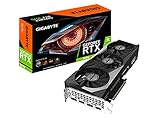
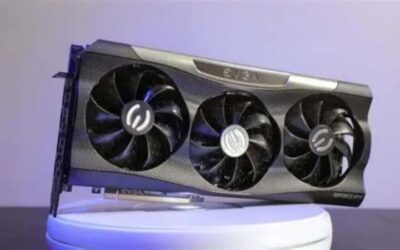
- Top Pick: EVGA GeForce RTX 3070 XC3 Ultra Gaming, 08G-P5-3755-KL, 8GB GDDR6, iCX3 Cooling, ARGB LED, Metal Backplate, LHR (Renewed)
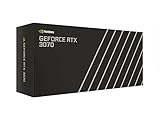
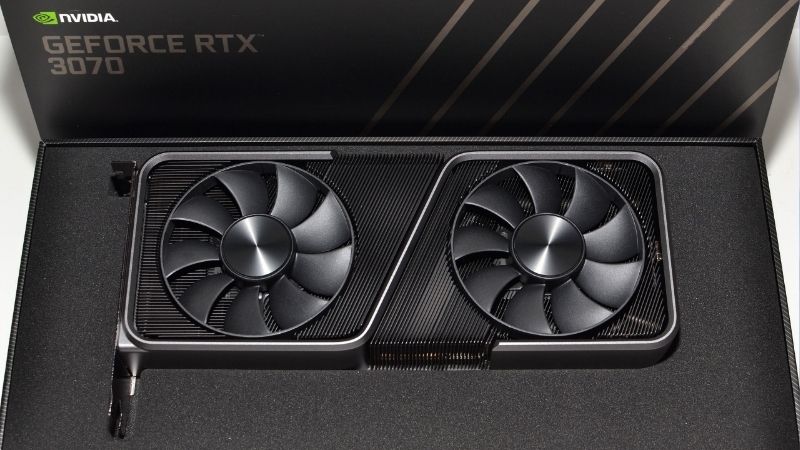
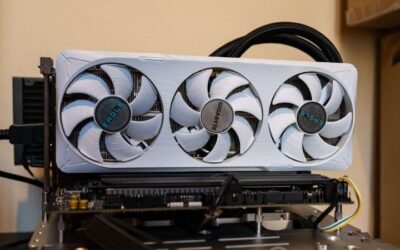
- Best Value: NVDIA GeForce RTX 3070 8GB GDDR6 PCI Express 4.0 Graphics Card – Dark Platinum and Black (Renewed)
- Premium Choice: MSI Gaming GeForce RTX 3070 8GB GDRR6 256-Bit HDMI/DP TORX Fan 3.0 Ampere Architecture OC Graphics Card (RTX 3070 Ventus 3X OC) (Renewed)
Top Rtx 3070 Graphics Card Still Picks for 2026
Here are our current top rtx 3070 graphics card still picks, compared on real Amazon owner reviews, price, and features. Live prices update below.


Limited Time
NVDIA GeForce RTX 3070 8GB GDDR6 PCI Express 4.0 Graphics Card – Dark Platinum and Black (Renewed)


As an Amazon Associate we earn from qualifying purchases at no extra cost to you.





What the RTX 3070 Graphics Card Delivers
The 3070’s appeal rests on strong rasterization, a full modern feature set, and efficiency that has aged well. Understanding the hardware and the performance it produces sets a fair baseline before weighing its one notable limitation. The specifications explain why it remains a popular used pick.
The Specs That Define It
The RTX 3070 is built on NVIDIA’s Ampere architecture using the GA104 die, with 5,888 CUDA cores and 8GB of GDDR6 memory on a 256-bit bus, boosting to around 1.73GHz. It launched in October 2020 at a $499 MSRP.
Its headline achievement was performance per dollar. At launch it matched the previous flagship RTX 2080 Ti, and that raw rasterization power still feels snappy and capable across modern titles in 2026.
It draws around 220 watts and includes second-generation RT cores and third-generation Tensor cores. That brings hardware ray tracing, DLSS, and NVIDIA Reflex, the modern features that separate it from older value cards.
Real 1440p Performance
At 1440p the RTX 3070 is genuinely strong. In testing it averages around 79 frames per second at native 1440p high settings in Cyberpunk 2077, a demanding benchmark, with smooth 1 percent lows that keep the experience fluid.
DLSS widens that lead substantially. Enabling it pushes the same scene past 110 frames per second, and across many games DLSS turns borderline settings into comfortably high-refresh play, which is central to the card’s value.
At 1080p the 3070 crushes nearly everything, and it can dabble in 4K with DLSS in lighter titles. Its natural home is high-refresh 1440p, where it remains a capable performer years after release.
DLSS, Reflex, and Positioning
The modern feature set is the 3070’s edge over cheaper older cards. DLSS upscaling and Reflex latency reduction meaningfully improve real-world performance and responsiveness, and ray tracing is viable at 1080p and lighter 1440p workloads.
Against newer budget cards the picture favors the 3070 on raw speed. It outpaces the RTX 4060 in pure rasterization, and although the 4060 adds DLSS 3 frame generation and better efficiency, the 3070 often wins on outright frames at similar used money.
The catch is what the 3070 lacks: DLSS frame generation, an Ada-generation feature. It has the upscaling and Reflex parts of the modern toolkit, but not the newest frame-multiplying technology.
Buying an RTX 3070 in 2026: Value and Verdict
The decision comes down to price, the memory question, and the overall balance of strengths and weaknesses. The 3070 is a proven performer, but its 8GB buffer and used-only status shape the verdict. This section sets the value case for the card today.
Used Pricing and Condition
On the used market the RTX 3070 typically sells for between $220 and $270, with the sweet spot around $226 for a card in good condition. That is strong value for RTX 2080 Ti-class performance with modern features.
Condition is the variable to watch. Many used cards benefit from a repaste, which can cure high temperatures and loud fans, so factor a little maintenance into the purchase and favor sellers who describe the card’s history clearly.
As a target, paying close to $226 for a tested, well-cooled unit is a fair deal, and the value softens as prices push toward $270 where more memory-rich alternatives appear.
The 8GB VRAM Question
The 3070’s 8GB of memory is its clearest limitation in 2026. While ample at launch, newer titles can fill that buffer at 1440p with ultra textures or ray tracing, occasionally forcing stutters or a notch down in settings.
In practice the impact is manageable. Most current games run well at 1440p high, and dropping textures slightly or enabling DLSS keeps memory pressure in check, so the limitation rarely ruins the experience at sensible settings.
For buyers who keep a card for several years, the 8GB buffer is the strongest argument for considering a more memory-rich alternative. For mainstream 1440p gaming today, it remains workable rather than crippling.
Pros and Cons of the RTX 3070 Graphics Card
On the positive side, the RTX 3070 graphics card offers strong 1440p performance, RTX 2080 Ti-class rasterization, the full DLSS and Reflex feature set, capable ray tracing, reasonable efficiency at 220 watts, and excellent value near $226 on the used market.
On the negative side, the 8GB VRAM can bottleneck at 1440p ultra or with heavy ray tracing, it lacks DLSS frame generation, and as a used card it carries wear and no warranty, so condition and price must both be right.
The verdict is positive at a fair price. The RTX 3070 graphics card is a smart, capable 1440p buy for someone who finds a clean unit near its sweet-spot price, and a weaker pick for buyers who need maximum VRAM headroom for years to come.
Market Forces and Who Should Buy
The wider 2026 market has pushed new prices upward, which directly strengthens demand for proven used cards like the 3070. Understanding why, and what it means for a buyer, clarifies the timing. Compatibility then confirms whether the card fits your system.
Why New GPU Prices Climbed in 2026
The 2026 market is defined by a severe structural memory shortage. DRAM contract prices have risen more than 170 percent year over year, and because video memory can account for up to 80 percent of a graphics card’s bill of materials, new GPU prices have climbed sharply, with current-generation cards up an estimated 15 to 23 percent and some models jumping 16 to 17 percent almost overnight.
AI demand is the engine behind the squeeze. With the United States approving sales of NVIDIA’s powerful H200 accelerators to major Chinese firms, memory and fabrication capacity is being pulled toward data-center silicon, and reports indicate NVIDIA has trimmed mid-range consumer output by a significant margin. Memory suppliers have warned the shortage could persist into 2027.
Crucially, the latest RTX 50-series cards launched with high MSRPs into this environment, which has kept demand strong for capable previous-generation cards. AMD raised prices around ten percent early in the year and NVIDIA followed soon after, so the inflation spans the whole market and shows little sign of easing while the shortage continues.
What This Means for an RTX 3070 Buyer
For a 3070 shopper, the squeeze works in your favor on value. With new cards inflated and the RTX 50-series carrying steep pricing, a used 3070 near $226 delivers high-refresh 1440p performance without paying 2026’s new-card premium, and lead times of several months on some new models make an in-stock used card even more appealing.
That dynamic has also stabilized used 3070 prices, since strong demand for affordable performance keeps the card from getting cheaper quickly. It holds its value precisely because the new alternatives are so expensive, and reports that NVIDIA trimmed mid-range output only tighten the supply of fresh competition at this performance level.
The timing logic is clear. While the shortage and high new MSRPs persist, a fairly priced used 3070 is a sensible buy, provided you secure it near its sweet spot rather than at the top of its range, and a tested card with a known history is worth a small premium over a cheaper unknown.
Compatibility and Who Should Buy
The 3070 is straightforward to run. NVIDIA recommends a 650-watt power supply for its roughly 220-watt draw, and the card fits comfortably in most standard cases without special cooling.
Pair it with a capable modern CPU to avoid bottlenecks at 1440p, and consider a repaste on an older unit to keep temperatures and noise in check. No oversized PSU is required.
The ideal buyer is a high-refresh 1440p gamer who values DLSS and Reflex and can buy a clean card near $226. Anyone who needs large VRAM headroom for several years of ultra-texture gaming should weigh a more memory-rich used alternative instead.
Frequently Asked Questions
A few questions recur from buyers evaluating the RTX 3070 graphics card in 2026. The concise answers below cover performance, memory, and power needs.
Is the RTX 3070 graphics card good for 1440p in 2026?
Yes. It averages around 79 fps at native 1440p high in Cyberpunk 2077 and well over 110 with DLSS, making it a strong high-refresh 1440p card for most modern titles.
Is 8GB of VRAM enough on the RTX 3070?
For 1440p high it is generally workable, though 8GB can bottleneck with ultra textures or heavy ray tracing. Dropping textures slightly or using DLSS keeps memory pressure manageable.
What power supply does the RTX 3070 need?
NVIDIA recommends a 650-watt PSU for the card’s roughly 220-watt draw, which leaves comfortable headroom for a typical gaming system.
See more:
Recommended Products
ASUS
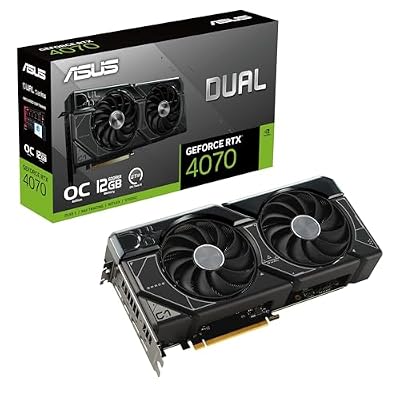
ASUS Dual GeForce RTX 4070 OC Edition 12GB GDDR6X, IP5X, Auto-Extreme Technology, 144-Hour Validation Program, HDMI 2.1a, DP 1.4a, 3 Year Warranty

Prime
MSI Gaming GeForce RTX 4070 12GB GDRR6X Extreme Clock: 2625 MHz 192-Bit HDMI/DP Nvlink TORX Fan 4.0 Ada Lovelace Architecture Graphics Card (RTX 4070 Gaming X Trio 12G)

GIGABYTE
GIGABYTE GeForce RTX 4070 WINDFORCE OC 12G Graphics Card, 3X WINDFORCE Fans, 12GB 192-bit GDDR6X, GV-N4070WF3OC-12GD Video Card
As an Amazon Associate we earn from qualifying purchases. Product prices and availability are accurate as of the date/time indicated.
Conclusion
The RTX 3070 graphics card remains one of the smartest used buys of 2026 for high-refresh 1440p gaming. Its RTX 2080 Ti-class rasterization, full DLSS and Reflex support, and roughly 79 fps native showing in a demanding benchmark like Cyberpunk 2077 prove it has aged well, and a used price near $226 makes it excellent value. The honest caveat is the 8GB frame buffer, which can tighten at 1440p ultra or with heavy ray tracing, so buyers planning years of maxed-out gaming should weigh a more memory-rich option. With 2026’s memory shortage and high RTX 50-series pricing keeping new cards expensive, a clean, fairly priced RTX 3070 graphics card is a genuinely sensible choice for capable, affordable 1440p performance.

Write Your Review
No reviews yet. Be the first to share your experience!