
- Top Pick: EVGA GeForce GTX 980 Ti 6GB FTW GAMING ACX 2.0+, Whisper Silent Cooling w/ Free Installed Backplate Graphics Card 06G-P4-4996-KR (Renewed)
- Best Value: EVGA GeForce GTX 980 Ti Super Clocked Gaming ACX 2.0 6GB GDDR5 384bit PCI-E Graphic Card (06G-P4-4995-KR) (Renewed)
- Premium Choice: EVGA GeForce GTX 980 Ti 6GB HYBRID GAMING, "All in One" No Hassle Water Cooling, Just Plug and Play Graphics Card 06G-P4-1996-KR
GTX 980 Ti was a true flagship in its prime, and even today this Maxwell-era beast can still handle plenty of modern games at 1080p for a rock-bottom used price. For nostalgic builders and bargain hunters alike, it remains a tempting pickup. But does the GTX 980 Ti still hold up in 2026, or has its age and power appetite finally caught up with it? This review breaks down the real performance, what long-time owners report, and whether this legacy card still deserves a place in your build.
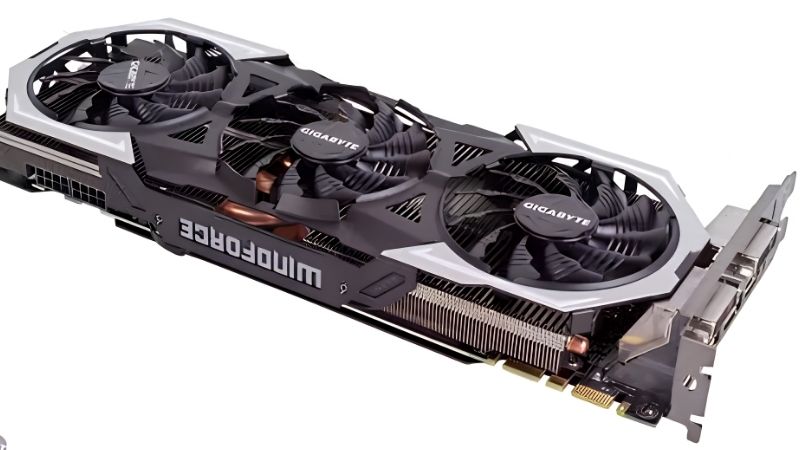
GTX 980 Ti in 2026: Specs and Real-World Performance
Before deciding whether to buy, it helps to understand exactly what the GTX 980 Ti offers and how it copes with today’s games. This card was the fastest of its generation, and a surprising amount of that muscle carries over, though its Maxwell roots show in efficiency and features. Here is a grounded look at its specifications and the performance you can realistically expect from it now.
As an Amazon Associate we earn from qualifying purchases at no extra cost to you.




GTX 980 Ti Key Specs at a Glance
The GTX 980 Ti is built on Nvidia’s Maxwell architecture and pairs a large core count with an extremely wide memory bus, which is exactly why it punched so hard as a flagship in its day.
| Spec | GTX 980 Ti |
|---|---|
| Architecture | Maxwell |
| VRAM | 6GB GDDR5 |
| Memory bus | 384-bit |
| CUDA cores | 2,816 |
| Board power | ~250W |
| Recommended PSU | 600W |
| Typical used price | ~$70–$110 |
The standout GTX 980 Ti specs are the 2,816 cores and the huge 384-bit memory bus, which give it real bandwidth even by today’s standards. The catch is the 6GB VRAM buffer and the hefty ~250W power draw, both of which reveal the card’s age against more efficient modern designs.
These numbers tell the whole story of the card: enormous raw horsepower for its era, held back now by a memory buffer that is merely adequate and a power appetite that runs hot. It is a classic case of a former flagship that still hits hard but no longer sips power.
1080p Gaming Performance Today
At 1080p, the GTX 980 Ti is still a capable performer in 2026. It runs many modern games at high settings around or above 60 fps, and in esports and older titles it delivers frame rates high enough to satisfy most players comfortably.
Its wide memory bus helps it stay competitive in bandwidth-heavy scenes, but the 6GB VRAM buffer is the limiting factor in the newest titles. Where 8GB cards hold high textures, the GTX 980 Ti sometimes has to step down a notch to avoid stutter, which is the clearest sign of its age.
The bigger limitation is the lack of modern features. With no ray tracing and no DLSS, the GTX 980 Ti relies purely on traditional rasterized performance, so it cannot lean on AI upscaling to claw back frames the way newer cards can in demanding games.
What Owners Say: Reliability and Common Complaints
Long-time owners tend to speak fondly of the GTX 980 Ti, praising its build quality and the way it kept pace with games for years beyond its launch. Many still run one as a secondary or budget card and report that it handles their libraries at 1080p without drama.
The common complaints are exactly what you would expect from a card of this age. Owners frequently cite the high power draw and the heat it produces, and some note that older units can have worn fans or aging thermal paste that benefit from a refresh to keep temperatures in check.
The overall consensus is that the GTX 980 Ti is a durable, still-useful card for the right buyer, as long as you accept its power appetite and lack of modern features. Its reputation as a well-engineered flagship is a big reason it remains a nostalgic favorite.
Is the GTX 980 Ti Still Worth Buying?
The specs and performance tell one side of the story, but whether the GTX 980 Ti makes sense in 2026 depends on your priorities, your system, and your budget. This is a card with clear strengths and equally clear compromises. Here is an honest assessment of where it still delivers and where its age holds it back.
Where the GTX 980 Ti Still Shines
The GTX 980 Ti is at its best as an ultra-cheap 1080p card for traditional games. For a bargain build or a nostalgic project, it offers a surprising amount of raw performance for very little money, especially in titles that do not demand modern features.
It is also a reasonable choice for someone who already has a strong power supply and good case airflow and simply wants maximum raster performance per dollar. In that scenario, its high power draw is less of a concern and its flagship-era muscle becomes pure value.
For buyers who value the card’s history and want a capable, no-frills GPU for classic and mid-weight modern games, the GTX 980 Ti delivers a lot of nostalgia and performance at a price that is hard to argue with.
Pros and Cons of the GTX 980 Ti in 2026
Every legacy card is a set of trade-offs, and the GTX 980 Ti wears its age openly. Here is the direct breakdown to help you decide.
- Pros: Strong raw performance for its price, very wide 384-bit memory bus, capable 1080p gaming, excellent nostalgia value, extremely cheap used.
- Cons: High ~250W power draw and heat, only 6GB VRAM, no ray tracing or DLSS, aging fans on older units, needs a strong power supply.
The balance favors the GTX 980 Ti only for bargain and nostalgia-driven builds where its power appetite is not a dealbreaker, and against it for anyone who values efficiency or modern features.
Power, Heat, and System Requirements
The GTX 980 Ti’s biggest practical hurdle is its power and thermal profile. At ~250W it runs hot and demands a solid 600W power supply, so you need a system that can feed it and a case with decent airflow to keep temperatures in check.
It is also a larger card, so confirm your case has the length to fit it and that your power supply has the right connectors before buying. On an older or bare-bones system, you may need a power supply upgrade first, which adds to the true cost.
For a build that already has headroom, none of this is a problem, but for a weak prebuilt the GTX 980 Ti asks more of your system than a modern efficient card would. That practical reality is worth weighing before you commit.
Buying a Used GTX 980 Ti: Value and Alternatives
If the GTX 980 Ti still appeals, the final step is buying carefully and knowing your alternatives. Because this card is old and sold exclusively second-hand, condition matters more than ever. Here is what to check, how it compares to other options, and who should ultimately buy it.
Fair Used Pricing and What to Check
The GTX 980 Ti typically sells in the $70–$110 range used, making it one of the cheapest ways into flagship-era performance. Aim for the lower end for a basic unit, and pay a little more only for a card with a strong cooler and clear evidence of careful use.
Given the card’s age, inspecting condition is essential. Ask for photos and, if possible, a benchmark or temperature screenshot, and confirm the fans spin smoothly and the cooler is intact, since a tired unit on a hot, power-hungry card is more likely to have thermal issues.
Whenever possible, test the card under load within a return window, watching closely for artifacts, crashes, or high temperatures that signal a unit near the end of its life.
GTX 980 Ti vs Modern Alternatives
Against modern cards, the GTX 980 Ti trades efficiency and features for a lower price. A used GTX 1070 or RX 6600 offers similar or better performance with far lower power draw and, in the RX 6600’s case, modern features, so both are worth pricing out before you buy.
Where the GTX 980 Ti wins is pure cost. If it is dramatically cheaper than those alternatives and you already have the power supply to run it, its flagship-era raster performance can still represent real value for traditional gaming.
The decision comes down to efficiency and features versus rock-bottom price: newer cards for a cooler, more modern experience, the GTX 980 Ti for maximum raw performance at the lowest possible cost.
See More:
Final Verdict: Who Should Buy the GTX 980 Ti
The GTX 980 Ti is a smart pick for bargain and nostalgia-driven builders who play traditional titles at 1080p, already have a capable power supply, and want maximum raw performance for very little money. For that specific buyer, it remains a compelling value.
It is a poor fit for anyone who prioritizes efficiency, low heat, or modern features like ray tracing and DLSS, since a newer card will serve them far better. Knowing which camp you fall into makes the choice straightforward.
If the GTX 980 Ti matches how you play and your system can handle its power draw, it is worth grabbing a clean unit while prices stay low. You can compare current listings and condition through the links on this page.
In summary, the GTX 980 Ti remains a fascinating slice of flagship history that still delivers capable 1080p gaming at an incredibly low used price. Its drawbacks—high power draw, a modest 6GB buffer, and no modern features—are real, but for a bargain or nostalgia build with the power headroom to feed it, the GTX 980 Ti can still put up a genuinely good fight. Buy a clean unit, make sure your system can support it, and this old flagship will reward you with a surprising amount of performance for the money.
Top-Rated Picks


Best Seller
EVGA GeForce GTX TITAN X 12GB GAMING, Play 4k with Ease Graphics Card 12G-P4-2990-KR (Renewed)


| Product | Brand | Rating | Reviews | Price |
|---|---|---|---|---|
| ARCTIC MX-4 (4 g) – Premium Performance Thermal Paste… | ARCTIC | ★ 4.8 | 104k | $4.99 |
| ARCTIC MX-4 (incl. Spatula, 4 g) – Premium Performanc… | ARCTIC | ★ 4.8 | 71.9k | $5.49 |
| Crucial 8GB DDR4 RAM 3200MHz (PC4-25600), Downclockab… | Crucial | ★ 4.8 | 62.8k | $74.99 |
| AMD Ryzen 5 5600X 6-core, 12-thread unlocked desktop … | — | ★ 4.8 | 30.2k | $177.60 |
| NVIDIA Shield Remote; Voice Search, Motion-Activated,… | — | ★ 4.7 | 10.6k | $25.99 |
Frequently Asked Questions
Does the GTX 980 Ti still receive driver updates?
No. Nvidia moved Maxwell, Pascal and Volta GeForce cards to a legacy driver branch, meaning no new game-ready optimizations and only limited security fixes. Existing games generally run fine, but new releases may launch with bugs or missing support that will never be patched on this hardware.
How does its performance compare to modern cards?
The GTX 980 Ti lands roughly in the neighbourhood of a GTX 1070 in rasterized workloads, which puts it near modern entry-level cards. The difference is that it consumes about 250W to get there, versus far less for a contemporary card with the same or better output.
Is 6GB of VRAM enough today?
It is borderline. The 6GB of GDDR5 on a 384-bit bus gives good bandwidth around 336GB/s, but capacity is the constraint. Several recent titles exceed 6GB at 1080p high textures, so you will need to drop texture settings to avoid frame time spikes.
What power supply does it require?
Board power is around 250W with 8-pin plus 6-pin PCIe connectors on reference designs, and factory overclocked cards can pull more. A quality 600W to 650W supply is advisable, particularly since a used unit paired with an aged card is a common source of instability.
Does it support modern features like DLSS or ray tracing?
No. Maxwell has no RT cores or tensor cores, so ray tracing and DLSS are unavailable, and it also lacks modern codec support such as AV1 decode. FSR works since it is shader-based, and it remains the main way to stretch this card in newer titles.




Write Your Review
No reviews yet. Be the first to share your experience!