
Best DDR4 CPU for gaming is a more relevant question in 2026 than it was two years ago, because DDR5 pricing has climbed sharply this year while DDR4 kits and boards have stayed comparatively cheap. If you already own memory, the right processor lets you keep that kit and put the savings into the graphics card instead.
As an Amazon Associate we earn from qualifying purchases at no extra cost to you. Product prices and availability are accurate as of the date shown and are subject to change.



As an Amazon Associate we earn from qualifying purchases at no extra cost to you. Product prices and availability are accurate as of the date shown and are subject to change.
By Ryan Cole
How to Choose the Best DDR4 CPU for Gaming
Only two platforms still support DDR4 in any meaningful way, and each carries different trade-offs. These four checks point to the best DDR4 CPU for gaming in your particular situation.
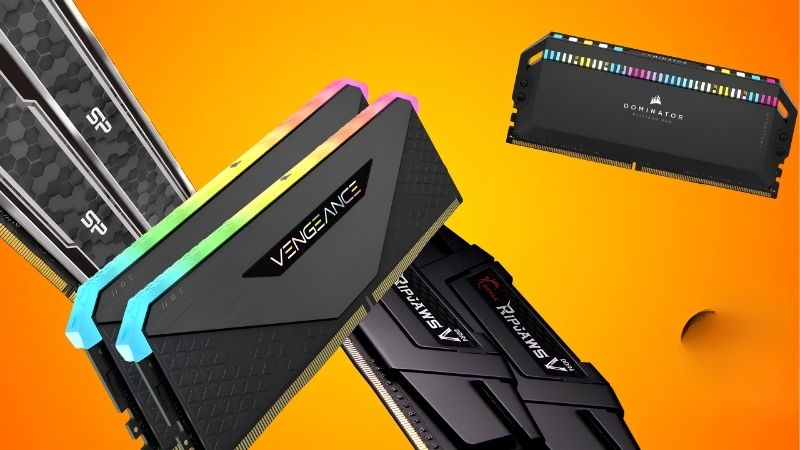
Know Which Platforms Still Take DDR4
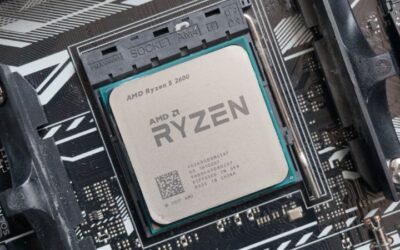
AMD’s AM4 socket is DDR4 only and covers every Ryzen 3000 and 5000 chip. It is a finished platform with no new processors coming, but the parts are cheap and widely available.
Intel’s LGA 1700 supports both memory types depending on the board, so a 12th, 13th or 14th generation chip on a DDR4 board is entirely valid. That flexibility is unique to this generation.
Everything newer is DDR5 only. AM5 and Intel’s current socket do not accept DDR4 at all, so choosing DDR4 means committing to one of these two mature platforms.
That is not a problem in itself. Both have years of firmware maturity behind them, and compatibility issues that plagued their early days have long since been resolved.
Count the Whole Build, Not Just the Processor
The saving comes from memory, so it only exists if you already own a DDR4 kit or can buy one cheaply. Price the chip, board and memory together before deciding this route is cheaper.
A DDR4 build is a fixed configuration. Neither platform receives new processors, so treat the chip you buy as the one you will keep for the life of the machine.
Check the board’s BIOS revision as well, particularly on AM4. Older stock sometimes ships with firmware predating Ryzen 5000, and a board with USB Flashback removes that risk entirely.
Understand the Real Performance Gap
DDR5 offers higher bandwidth, but at 1440p and above the graphics card sets the frame rate in most titles. The gap between a well-tuned DDR4 kit and a DDR5 one is smaller than benchmark charts suggest.
Latency matters as much as raw speed. A DDR4-3600 CL16 kit performs closer to entry DDR5 than the specification numbers imply, because timings offset part of the bandwidth advantage.
On AM4 specifically, running memory at 3600 MT/s with the Infinity Fabric in sync produces most of the platform’s available performance. Faster kits deliver diminishing returns beyond that point.
Match Core Count to How You Play
Six cores handle gaming comfortably in virtually every current title. Extra cores help with streaming or background work but rarely change frame rates on their own at this level of hardware.
The cache-heavy X3D parts are the exception, delivering noticeably better gaming performance than their core count suggests. On AM4 that makes the 5700X3D the standout option.
Intel has no equivalent on this platform, so its case rests on price and productivity performance instead. Choose based on which of those matters more to the way you actually use the machine day to day.
Top Picks: Best DDR4 CPU for Gaming
The best DDR4 CPU for gaming depends on which platform you pick, so these six span both DDR4-capable sockets and are ranked on total build cost rather than raw specifications. Pricing shifts frequently, so compare current listings before committing.
| CPU | Cores / Threads | Platform | Memory | Best For |
|---|---|---|---|---|
| AMD Ryzen 7 5700X3D | 8 / 16 | AM4 | DDR4 only | Best gaming performance |
| AMD Ryzen 5 5600 | 6 / 12 | AM4 | DDR4 only | Best value overall |
| AMD Ryzen 7 5800X3D | 8 / 16 | AM4 | DDR4 only | Unlocked X3D option |
| Intel Core i5-12400F | 6 / 12 | LGA 1700 | DDR4 or DDR5 | Cheapest Intel route |
| Intel Core i5-13400F | 10 / 16 | LGA 1700 | DDR4 or DDR5 | Extra cores for streaming |
| Intel Core i5-12600KF | 10 / 16 | LGA 1700 | DDR4 or DDR5 | Tuning on a budget |
AMD Ryzen 7 5700X3D
The 3D V-Cache design gives this chip gaming performance well above what its clock speeds imply, and it draws modest power while doing it. On a cheap B550 board it builds a strong 1080p and 1440p machine.
It is locked, so there is no tuning headroom, and productivity performance trails newer chips considerably. Availability has also tightened as the platform ages, so pricing varies quite a bit between retailers.
AMD Ryzen 5 5600
Six cores, low power draw and a genuinely low price make this the value anchor of the whole AM4 range. Paired with a B450 or B550 board and an existing DDR4 kit, the whole platform cost is minimal.
It sits clearly behind the X3D parts in gaming and has no upgrade path beyond the 5700X3D. For a budget build paired with a mid-range graphics card, none of that matters much in practice.
AMD Ryzen 7 5800X3D
The original 3D V-Cache chip remains a strong gaming performer and is unlocked for memory tuning, unlike the 5700X3D. It suits people who want to squeeze the platform properly.
It runs hotter and draws more power than the 5700X3D for a small gaming gain, and usually costs more. Unless the price difference is minimal, the newer chip is the better buy.
Intel Core i5-12400F
Six performance cores and modest power draw, with the option of a cheap DDR4 B660 or B760 board. It is the least expensive route into an Intel build that reuses existing memory.
Productivity performance trails newer chips and the platform receives no further processors. For gaming with a mid-range card, the difference against newer i5 parts is small.
Intel Core i5-13400F
Ten cores including four efficiency cores give extra headroom for streaming or background applications, while still working on DDR4 boards at a price close to the 12400F when discounted.
Gaming performance is only modestly ahead of the cheaper chip and it runs warmer under load. Buy it only when the price gap against the 12400F is genuinely small.
Intel Core i5-12600KF
An unlocked chip with ten cores that supports memory tuning on a Z-series DDR4 board. It is the option for someone who wants to adjust settings rather than run everything at stock.
The Z-board requirement adds cost, and it needs a proper aftermarket cooler rather than the stock unit. If you have no interest in tuning memory or power limits, the locked i5 chips make more sense.
Why DDR4 Makes Sense Again in 2026
This decision is driven almost entirely by memory pricing, so the current market context matters more than usual.
DRAM Contracts Have Pushed DDR5 Up Sharply
DRAM contract pricing rose through both Q3 and Q4 of 2026, with new manufacturing capacity not arriving before late 2027. DDR5 kits now represent a much larger share of a build budget.
That is the whole argument for the best DDR4 CPU for gaming right now. Reusing an existing kit, or buying a cheap one, sidesteps the largest single price increase in the current market.
DDR4 Has Not Escaped Entirely
Older memory types have followed the trend upward, just less steeply than DDR5. If you are buying a DDR4 kit from scratch, price it carefully rather than assuming it is still as cheap as it was two years ago.
Used memory is worth considering here, since DDR4 has been in circulation long enough for a healthy secondhand supply. Test any used kit thoroughly with a memory checker before trusting it in a build.
The advantage is clearest when you already own memory from a previous build. Starting completely fresh narrows the gap enough that a current-generation platform becomes worth comparing again.
No New Hardware Arrives Before 2027
Zen 6, Intel Nova Lake and refreshed graphics cards have all moved to CES in January 2027. Nothing launching before then affects either DDR4 platform or makes waiting worthwhile.
AM5 remains the choice if you want a future upgrade path, since AMD supports that socket with new chips through 2029. DDR4 is for builds you intend to leave alone.
Frequently Asked Questions
These four questions settle most decisions about the best DDR4 CPU for gaming, and the answers depend on what you already own.
Is DDR4 much slower than DDR5 for gaming?
At 1440p and 4K the graphics card is the limit in most titles, so the gap is small. At 1080p with a high-end card the difference becomes visible, but that combination is unusual on a budget build.
Which is better on DDR4, AM4 or LGA 1700?
AM4 offers the 5700X3D, which is the strongest gaming chip available on DDR4. LGA 1700 offers better productivity performance per dollar and the option to move to DDR5 later with a board change.
What memory speed should I run?
On AM4, 3600 MT/s with the fabric in sync is the practical sweet spot. On Intel DDR4 boards, 3200 to 3600 covers it, with faster kits offering diminishing returns for gaming.
Can I move my DDR4 kit to a new build later?
Only to another DDR4 platform. Current AMD and Intel sockets are DDR5 only, so the memory stays with this generation of hardware rather than carrying into a future upgrade.
See More:
Final Thoughts
The best DDR4 CPU for gaming is the Ryzen 7 5700X3D if gaming performance is the priority, or an i5-12400F if you want the cheapest working platform. Both let you keep an existing memory kit at a time when DDR5 pricing is the largest variable in a new build. Treat the result as a fixed configuration, and spend the savings on the graphics card instead.

Write Your Review
No reviews yet. Be the first to share your experience!