
- Top Pick: Laptop Cooling Fan for FX505 FX705G DFX95D FX86 FX505GE FX505GD, 4 Pin Power Connector Fast Heat Dissipation CPU GPU Cooling Fan, Light Weight Connection Simple(GPU)
- Best Value: Laptop Cooling Fan for FX505 FX705G DFX95D FX86 FX505GE FX505GD, 4 Pin Power Connector Fast Heat Dissipation CPU GPU Cooling Fan, Light Weight Connection Simple(CPU)
- Premium Choice: NIMO 17.3" AI Laptop for Business & Productivity, AMD Ryzen 5 6600H
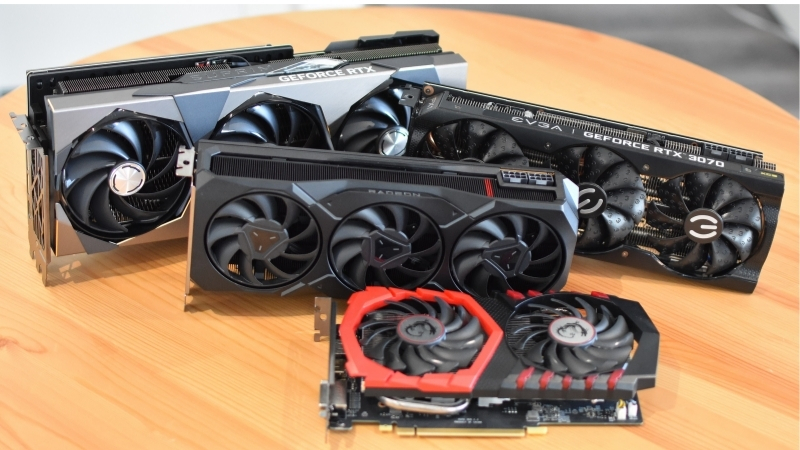
How to sell a used GPU the right way can be the difference between a quick, top-dollar sale and a card that sits unsold for weeks. If you are upgrading and want cash back fast, this step-by-step guide walks you through cleaning, testing, pricing, listing, and shipping safely, with no fluff and no ten-minute video to sit through. Follow the steps in order and you can have a clean listing live today.
Why Now Is a Smart Time to Sell a Used GPU
Timing affects how much you get, and 2026 is shaping up to favor sellers. Broader component prices have kept trending upward, and although the steep climb of late 2025 has eased into a more stable stretch, new cards are still not cheap. That combination keeps demand for good second-hand GPUs healthy, which means a well-prepared listing can move quickly and at a strong price.
As an Amazon Associate we earn from qualifying purchases at no extra cost to you.







What Today’s Prices Mean for Your Resale Value
When new cards stay expensive, used cards become more attractive, and your resale value rises with them. Buyers who balk at full retail actively hunt the second-hand market.
Prices have steadied rather than fallen, so there is no urgent reason to dump your card at a loss to beat a crash. You can price with confidence instead of fear.
The practical takeaway: a clean, accurately described card priced just under comparable listings tends to sell fast in this climate, often within days. The flip side is that buyers in a firm market are also more cautious, because they are spending real money on second-hand hardware. That is exactly why proof of working condition and honest photos matter so much: they convert a hesitant browser into a confident buyer, and a confident buyer rarely haggles hard or asks for a discount.
- Pros of selling now: firm new-card prices keep used demand high, your card holds strong resale value, and a clean listing tends to sell within days rather than weeks.
- Cons of selling now: prices have only steadied rather than fallen, so there is no crash to race ahead of, and if your card still handles your games well you lose your only GPU before the next upgrade is in hand.
For most upgraders the math favors selling promptly, but only after your replacement is secured so you are never left without a working card.
What You Will Need Before You List
A handful of inexpensive tools make your card look better, test cleanly, and arrive safely. Each one directly protects your sale price.
- Microfiber cloths and compressed air to remove dust before photos. A clean card photographs as well-maintained, and a quality microfiber set avoids scratching the shroud and fans.
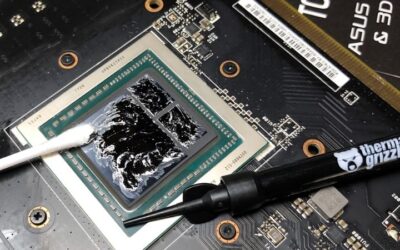
- Fresh thermal paste if you plan to note that the card was re-pasted. A trusted thermal compound is a cheap way to advertise healthy temperatures honestly.
- An anti-static bag or mat to handle and store the card safely while you photograph and pack it, protecting it from accidental damage that could tank your refund-free sale.
- A padded shipping box with foam inserts so the card survives transit. A proper double-box kit prevents bent brackets and cracked PCBs that lead to disputes.
You do not need all of these, but the cleaning and shipping items pay for themselves by protecting both your price and your reputation as a seller.
Setting a Price Buyers Will Actually Pay
Pricing is where most sellers leave money on the table or scare buyers off. The fix is data, not guessing.
Check completed sales for your exact model, then position your price slightly below the lowest comparable active listing in similar condition. Undercutting by a small margin moves cards quickly without underselling.
Be honest about condition tiers. A card with the original box, low usage, and a transferable warranty justifies a premium, while a mining-era card should be priced and described accordingly to avoid disputes later. Quantify condition wherever you can: note the purchase date, whether it was ever overclocked, and the idle and load temperatures you measured. Concrete numbers do more to justify your price than any adjective, and they protect you if a buyer later claims the card was not as described.
How to Sell a Used GPU Step by Step
With your tools and target price ready, the actual process is straightforward and fast. The secret is sequencing: doing things in the right order means you never have to redo a step or scramble to answer a buyer’s question after the listing is live. Work through these six steps in order and you will have a trustworthy listing that closes quickly and ships without drama, even if this is your first time selling hardware online.
Steps 1-2: Clean, Test, and Photograph
First impressions decide clicks, and a clean card with proof it works sells faster and for more.
- Clean the card. Use compressed air on the fans and heatsink, then wipe the shroud with microfiber. Dust signals neglect to buyers, so this step alone can lift your price.
- Test and document it. Run a short stress or benchmark pass and capture a screenshot of stable temperatures and clocks. This proof preempts the “does it actually work?” question that stalls sales.
Then photograph the card in good light from multiple angles, including the connectors, backplate, and any original packaging. Honest, detailed photos cut down on lowball offers and returns. Include a shot of the card installed and running if you can, since a photo of it powering a display is the clearest possible proof that it works. Avoid stock images entirely; buyers trust real photos of the exact unit far more, and listings with genuine images consistently sell faster.
Steps 3-4: Write the Listing and Pick a Platform
A clear listing and the right marketplace do most of the selling for you.
- Write an accurate listing. State the exact model, VRAM, purchase date, usage history, warranty status, and what is included. Specifics build trust and reduce questions.
- Choose the platform that fits your priority. Marketplaces with buyer protection reach the widest audience for a fee; local sales avoid shipping risk and fees but reach fewer buyers.
Match the platform to what you value most. If speed and reach matter, a large protected marketplace wins; if you want to skip shipping entirely, local handoff is simpler and safer. Factor the fees into your price rather than absorbing them: a marketplace that takes a cut should be priced slightly higher to net the same amount. For local sales, meet in a safe public place and test the card in front of the buyer when practical, which removes almost all post-sale disputes before they can start.
Steps 5-6: Ship Safely and Get Paid
The sale is not done until the card arrives intact and the money clears.
- Pack it properly. Anti-static bag, foam or bubble wrap on all sides, and ideally a box-in-box. Most shipping disputes come from weak packing, not bad cards.
- Use tracked, insured shipping and confirm payment first. Never ship before funds clear, and keep the tracking number to protect yourself if a dispute arises.
Done in this order, you remove the two biggest risks in any used-GPU sale: transit damage and payment fraud. One extra habit pays off: photograph the card and the sealed package just before handing it to the carrier. That timestamped evidence is your protection if a buyer claims the item arrived damaged or different from what was sold, and it costs you nothing but a few seconds.
Pro Tips and Mistakes to Avoid When Selling a GPU
A few habits separate sellers who get top dollar from those who get stuck. These tips smooth the process and the mistake list shows you exactly where money and time tend to leak away.
Pro Tips for a Faster, Safer Sale
Small touches build buyer confidence, and confident buyers pay more and haggle less.
Mention if the card is below its warranty period and whether coverage transfers, since that is a genuine value-add many buyers will pay extra for. List during evenings or weekends when buyer traffic peaks.
Keep your original box and accessories if you still have them. A complete package consistently sells faster and at a higher price than a bare card with no extras. Bundling the original power adapter, mounting bracket, and any included cables removes friction for the buyer, who then does not have to source missing parts. Small completeness signals like these are often what tip a wavering buyer toward your listing over an identical card sold bare.
Common Mistakes That Cost You Money
Most failed or slow sales trace back to a short list of avoidable errors.
Overpricing against active rather than completed listings is the top one; it leaves your card sitting while cheaper, identical cards sell. Vague descriptions and dusty photos are close behind, inviting lowball offers and returns.
The most expensive mistake is poor packaging. A card damaged in transit can mean a full refund and a lost card, wiping out the entire sale, so never cut corners on the box.
Quick FAQ on Selling a Used GPU
These rapid answers cover the questions that come up most, so you can finish your listing without a second search.
Should I reset or re-paste before selling? Re-pasting is optional but a clean, cool-running card with proof of temperatures sells faster and justifies a slightly higher price.
How fast will it sell? In the current market, an accurately priced, well-photographed card with clear condition notes often sells within a few days.
See More:
- Are GPU prices dropping
- Refurbished GPU worth it
- Open box GPU risk
- GPU warranty transfer
- Microcenter GPU deals
Conclusion
Knowing how to sell a used GPU is mostly about preparation: clean and test the card, price it against real completed sales, write an honest listing, and ship it safely. None of these steps are hard, but skipping any one of them is where sellers lose money or get stuck with a card that will not move. In a 2026 market where new-card prices remain firm and demand for good second-hand cards stays healthy, a well-prepared listing moves quickly and at a strong price. Get your tools and shipping supplies ready first so you are not improvising at the last minute, and when you are set to pack and ship with confidence, use the links in this guide to grab the cleaning and packaging gear that protects your sale and your final payout.
Top-Rated Picks


| Product | Brand | Rating | Reviews | Price |
|---|---|---|---|---|
| ARCTIC MX-4 (4 g) – Premium Performance Thermal Paste… | ARCTIC | ★ 4.8 | 104k | $4.99 |
| ARCTIC MX-4 (incl. Spatula, 4 g) – Premium Performanc… | ARCTIC | ★ 4.8 | 71.9k | under $10 |
| Crucial 8GB DDR4 RAM 3200MHz (PC4-25600), Downclockab… | Crucial | ★ 4.8 | 62.8k | under $80 |
| AMD Ryzen 5 5600X 6-core, 12-thread unlocked desktop … | — | ★ 4.8 | 30.2k | under $200 |
| NVIDIA Shield Remote; Voice Search, Motion-Activated,… | — | ★ 4.7 | 10.6k | under $30 |
Frequently Asked Questions
How do I set a price that sells quickly without losing money?
Look at completed sold listings for your exact model, not current asking prices, then position slightly below the median if you want a fast sale. Include the box, invoice and accessories in your listing description, because those raise perceived value enough to defend a price at or above the middle of the range.
What should my listing include to attract buyers?
Clear photographs of every angle including the power connector and the serial sticker, the exact model number, a statement of how the card was used, temperature results from a recent stress test, and what is included in the box. Honest disclosure of any cosmetic wear prevents disputes and speeds up negotiation considerably.
How do I prepare the card before selling?
Reset any overclock or custom BIOS to factory settings, blow dust out of the fins and fans, clean the shroud and backplate, and confirm the card posts and benchmarks cleanly. Note the serial number and photograph it so you can prove the card you sent is the card you shipped.
Should I ship or sell locally?
Local cash sales eliminate shipping damage and chargeback risk and are the fastest path to payment, so use them when your area has enough demand. Shipping reaches far more buyers and generally realises a higher price, but requires careful packing, tracking and insurance to be worth the extra exposure.
How do I protect myself from swap and chargeback scams?
Record video of the card serial and the entire packing process, ship only to the address on the payment record, and always use tracked and insured delivery. Refuse requests to complete the sale off-platform or to accept wire transfers, gift cards or cheques, which are the payment methods with no seller protection.
Ready to decide? Our #1 pick for 2026 is the ARCTIC MX-4 (4 g) – Premium Performance Thermal Paste….
Live price & availability on Amazon.





Write Your Review
No reviews yet. Be the first to share your experience!