
Display driver stopped responding and has recovered is the notification that flashes up after the screen flickers, goes black for a second, and then returns to normal. It looks alarming, but it usually means Windows caught a momentary stall in the graphics driver and restarted it automatically rather than letting the whole system crash. The causes range from driver conflicts to heat, an unstable overclock, or power problems. This guide explains what the message means and walks through the fixes in a sensible order, drawing on patterns reported across many systems.
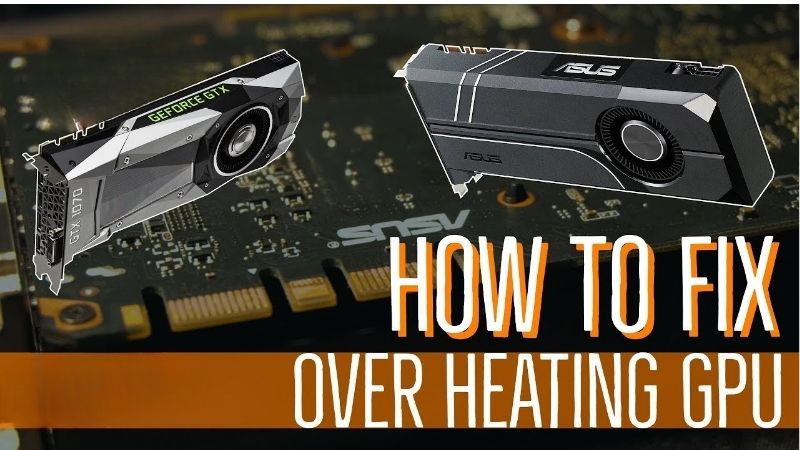
Worked through methodically, the display driver stopped responding and has recovered error is almost always fixable without new hardware.
As an Amazon Associate we earn from qualifying purchases at no extra cost to you.


What the Display Driver Stopped Responding Error Means
The message is the visible result of a Windows safety feature doing its job. Understanding the mechanism behind it, the things that trigger it, and whether your case is a one-off or a pattern all shape how you should respond. Here is what is actually happening.
Understanding TDR (Timeout Detection and Recovery)
Windows includes a feature called Timeout Detection and Recovery, or TDR, that watches the graphics driver. If the driver fails to respond within a set window, usually a couple of seconds, Windows assumes it has stalled and restarts it rather than letting the system freeze.
That restart is what you see as the brief black screen and flicker, followed by the recovery notification. In other words, the message is the system protecting you from a full crash, not a crash in itself.
Knowing this reframes the error: it is a symptom of a momentary stall, and the goal is to find what caused the stall.
The recovery itself is usually a good sign. If Windows successfully restarts the driver and you continue working or playing, the protective mechanism is functioning as intended and the system avoided a hard freeze. A driver that stops responding without recovering, by contrast, points to a more serious stall and deserves closer attention.
Common Triggers for the Error
Several things can make the driver stall long enough to trigger TDR. A corrupted or conflicting driver is the most frequent cause, often after an update that left old and new files mixed together.
Overheating, an unstable overclock, and inadequate power are the other common triggers, since each can cause the GPU to hang briefly under load. Demanding games and certain applications are where the error tends to surface most.
Identifying which of these applies to your system is the key to choosing the right fix from the steps below.
The timing of the error narrows the field considerably. A stall that strikes only in one demanding game suggests that title or its settings, one that appears across many games points to drivers or hardware, and one that occurs on the desktop or during video hints at a hardware-acceleration issue. Noting where it happens shortens the diagnosis.
When It Is a One-Off vs Recurring
Context matters. A single occurrence after a long session, or right after a driver update, is often harmless and may never return, especially if a clean driver install follows.
A recurring error that strikes repeatedly during gaming, or even on the desktop, points to a deeper cause such as heat, an unstable overclock, or failing hardware. The frequency and timing tell you how aggressively to pursue the cause.
Treat a one-off as a nuisance to monitor, and a repeating error as a problem to solve methodically.
Keeping a simple log helps with a recurring case. Noting the time, the application, and what you were doing each time the error appears reveals patterns that are otherwise easy to miss, such as the stall always following a particular game or a certain temperature. That record makes the underlying trigger far easier to identify.
How to Fix the Display Driver Error
With the cause in mind, the fixes run from a clean driver reinstall to heat and overclock checks. Most cases of this error are resolved at this stage, so work through the steps in order before suspecting hardware or power.
Clean Reinstall or Roll Back the Driver
Start with the driver, since it is the most common cause. Boot into safe mode, remove the existing driver completely with a dedicated uninstaller, then install the latest version fresh to clear any corrupted or conflicting files.
If the error began right after a recent driver update, rolling back to the previous stable version can be just as effective. Not every new release suits every card, and reverting is a quick, reversible test.
Between a clean install and a rollback, you address the large majority of driver-related cases of this error.
Address Overheating and Overclocks
If the driver is clean and the error persists under load, look at heat and stability. Monitor temperatures during gaming; if the card runs very hot just before the error appears, cooling is the issue, and cleaning dust or improving airflow helps.
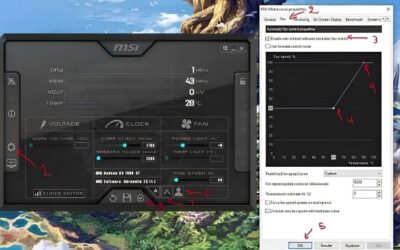
Reset any overclock to stock, including factory-tuned profiles, to rule out instability. If the error stops at stock clocks, dial back your settings to a conservative, stable margin.
These two checks resolve the heat and stability causes that a driver reinstall alone cannot fix.
Disabling hardware acceleration in browsers and similar apps is worth trying if the error appears outside games. That feature hands video and rendering work to the GPU, and a conflict there can trigger the same stall on the desktop. Turning it off temporarily is a quick way to rule the cause in or out.
Pros and Cons of the Registry TDR Tweak
A commonly suggested fix is to increase the TDR timeout value in the Windows registry, giving the driver longer to respond before Windows restarts it. It has clear trade-offs worth understanding.
Pros
- Can stop the notification appearing for borderline stalls.
- Sometimes helps with demanding professional or compute workloads.
- Reversible if it does not help.
Cons
- It masks the symptom rather than fixing the underlying cause.
- Editing the registry carries risk if done carelessly.
- A longer timeout means a real hang freezes the system for longer.
When Hardware or Power Is the Cause
If a clean driver, good temperatures, and stock clocks still leave the error appearing, the cause may be power delivery or failing hardware. Recognizing that lets you confirm it and respond appropriately. Here is how to proceed.
Power Supply and Cable Checks
Inadequate or unstable power can cause the brief hangs that trigger TDR, especially under sudden load. Confirm your power supply comfortably exceeds the card’s needs and is a quality unit, since transient spikes can stall a card even when average draw looks fine.
Reseat every PCIe power connector firmly, and use the correct cables for your supply rather than mismatched leads. A loose or marginal connection is a common and easily missed contributor.
Solid, stable power removes one of the harder-to-spot causes of this error.
Watch for the error coinciding with sudden load. A stall that appears the instant a game ramps up, or when the card jumps from idle to full power, is a classic signature of a supply that cannot keep up with the transient demand. Matching the timing to load behavior is a strong clue that power is involved.
Testing for a Failing GPU
If everything else checks out and the error keeps returning, the card itself may be struggling. Artifacts or crashes alongside the recovery message strengthen that suspicion, as does the error appearing even at idle or during boot.
Testing the card in a second, known-good system helps confirm it. If the error follows the card to another machine with a clean driver, the hardware is the likely cause.
This test separates a stubborn software issue from a genuine hardware fault.
If you cannot access a second machine, look at consistency instead. An error that appears only occasionally under heavy load is far more likely to be software or heat than a card that throws it constantly, even at idle. The more relentless and setting-independent the error, the stronger the case for hardware.
Preventing the Error Returning
Most recurrences are prevented by clean drivers, good cooling, and stable settings. Reinstall drivers cleanly when you update, keep the card cool with healthy airflow, and avoid aggressive overclocks if reliability matters to you.
A background monitoring tool helps you catch rising temperatures or instability before they cause another stall. Keeping the system free of conflicting tuning utilities also reduces the chance of the error returning.
These habits make the error far less likely to come back. If a replacement does prove necessary, check the current price and choose a card that suits your system.
Keeping the operating system itself healthy matters too. Periodically running the built-in Windows file checks repairs corruption that can quietly destabilize the driver, and installing major updates carefully, rather than alongside a driver change, avoids stacking two potential causes at once.
See More:
- GPU for Valorant 240fps
- GPU for Fortnite 240fps
- GPU for CS2 high fps
- GPU for Apex Legends
- RTX 4070 Cyberpunk FPS
Conclusion
The display driver stopped responding and has recovered message is Windows restarting a momentarily stalled graphics driver, and it is usually fixable rather than a sign of disaster. Reinstall or roll back the driver cleanly, address heat and overclocks, and verify power before suspecting the card. Treat the registry TDR tweak as a last resort that masks the symptom rather than solving it. If the error follows the card to a second system, the hardware is likely at fault. Keep your drivers clean and your card cool to prevent a repeat, and if you do need a new GPU, check the current price and choose one that fits your system and games. More often than not, though, a clean driver and a cool, well-powered card put a stop to the error entirely.
Top-Rated Picks


| Product | Brand | Rating | Reviews | Price |
|---|---|---|---|---|
| ARCTIC MX-4 (4 g) – Premium Performance Thermal Paste… | ARCTIC | ★ 4.8 | 104k | $4.99 |
| ARCTIC MX-4 (incl. Spatula, 4 g) – Premium Performanc… | ARCTIC | ★ 4.8 | 71.9k | $5.49 |
| Crucial 8GB DDR4 RAM 3200MHz (PC4-25600), Downclockab… | Crucial | ★ 4.8 | 62.8k | $74.99 |
| AMD Ryzen 5 5600X 6-core, 12-thread unlocked desktop … | — | ★ 4.8 | 30.2k | $177.60 |
| NVIDIA Shield Remote; Voice Search, Motion-Activated,… | — | ★ 4.7 | 10.6k | $25.99 |
Frequently Asked Questions
What does this message actually mean?
Windows Timeout Detection and Recovery watches the GPU, and if it fails to respond within roughly two seconds it resets the driver rather than blue-screening. The message means the reset succeeded. The underlying cause is a GPU hang from instability, overheating, insufficient power, or a driver defect.
Should I edit the TdrDelay registry value?
Only as a temporary measure. Raising the delay from two to eight seconds masks brief hangs but does not address why the GPU stalled, and it can make genuine freezes last longer. Treat it as a diagnostic aid while you investigate temperature, power delivery, memory stability, and driver version.
Could this be caused by a second monitor or high refresh rate?
Sometimes. Mixed refresh rates across displays and marginal DisplayPort cables at 4K 144 Hz can trigger link training failures that present as driver timeouts. Test with a single monitor at 60 Hz for a session. If the errors stop, replace the cable with a certified one or lower the refresh rate.
Do overclocks on the CPU or RAM contribute?
Yes. An unstable XMP or EXPO profile, or a Curve Optimizer setting on Ryzen that is too aggressive, will surface as display driver timeouts because the GPU driver moves large amounts of data. Return everything to stock, confirm stability, then re-apply tuning one variable at a time.
Is a clean driver reinstall the most reliable fix?
It resolves the largest share of cases. Use Display Driver Uninstaller in Safe Mode to strip every Nvidia or AMD component, reboot, and install the current stable driver with the clean install option ticked. Follow that with a temperature check and a PSU review if the message returns.



Write Your Review
No reviews yet. Be the first to share your experience!