
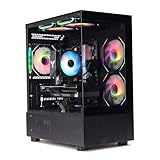
- Top Pick: MXZ Intel Core i7 12700F 5.2GHz,GeForce RTX 4070, Gaming PC,16G DDR4, M.2 SSD 1T, B760, 6RGB Fans,Windows 11 Pro, Gamer Desktop Computer(I7 12700F| RTX 4070)
- Best Value: GIGABYTE GeForce RTX 4070 WINDFORCE OC 12G Graphics Card, 3X WINDFORCE Fans, 12GB 192-bit GDDR6X, GV-N4070WF3OC-12GD Video Card
- Premium Choice: NVIDIA GeForce RTX 4070 Founder's Edition (FE) Graphics Card – Titanium and Black (900-1G141-2544-000)
Top Zephyr Rtx 4070 Pink Gpu Picks for 2026
Here are our current top zephyr rtx 4070 pink gpu picks, compared on real Amazon owner reviews, price, and features. Live prices update below.


Prime
Editor's Pick
NVIDIA GeForce RTX 4070 Founder's Edition (FE) Graphics Card – Titanium and Black (900-1G141-2544-000)

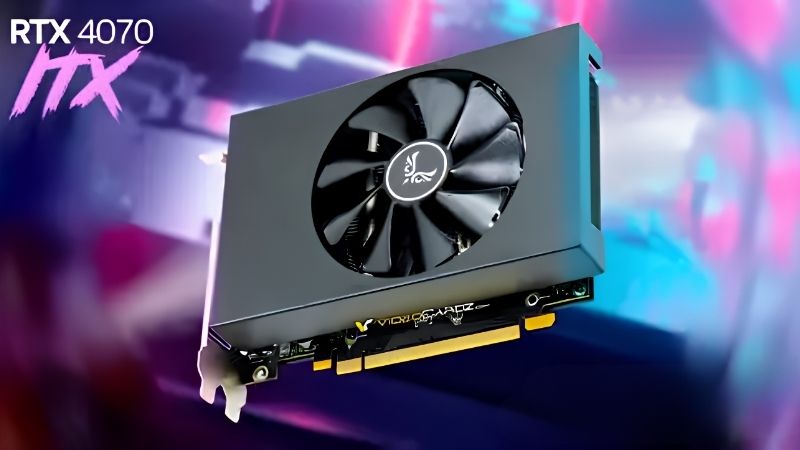
Zephyr RTX 4070 is what happens when a graphics card becomes a centerpiece instead of a component. ZEPHYR — the boutique board partner behind the Sakura series — wrapped Nvidia’s most sensible mid-range silicon in pastel pink and white shrouds with paw-print fan details, and accidentally created one of the most photographed GPUs of its generation. Underneath the aesthetics sits a completely standard RTX 4070, which makes this review a two-part question: does the card perform like the 4070 it is, and is the design premium plus the import-buying reality worth it for the builds this card was made for? Both halves get honest answers below.
As an Amazon Associate we earn from qualifying purchases at no extra cost to you. Product prices and availability are accurate as of the date shown and are subject to change.


What the Zephyr RTX 4070 Actually Is
Boutique cards invite confusion, so the foundation first: this is reference RTX 4070 silicon in custom clothing, sold primarily through import channels, in variants that suit two very different kinds of build. The details decide whether it belongs in yours.
The Silicon: A Standard RTX 4070 Underneath
Every Zephyr RTX 4070 carries Nvidia’s stock recipe: 5,888 Ada Lovelace CUDA cores, 12GB of GDDR6X at 504 GB/s, a 200W board power, and the full DLSS 3 feature set including Frame Generation. Clocks sit at or near reference depending on variant, which means performance is the known quantity of this review — the 4070’s well-documented 1440p excellence, unchanged.
That sameness is a feature, not a disappointment: the 4070 platform’s 200W efficiency and cool-running behavior are precisely what make it safe to dress in compact, design-first coolers. A 320W card could not wear these clothes; this one can.
The Design: Sakura Aesthetics and the Variants
The reason this card has fans in both senses: the Sakura treatment pairs soft pink or white-and-pink shrouds with paw-print detailing on the fan hubs and a backplate finished like a product render. ZEPHYR ships the look in a conventional dual-fan format for standard cases and compact ITX-class variants for the small-form-factor builds where this card’s following actually lives.
The design integrates rather than shouts: no aggressive RGB strips, just consistent pastel theming that anchors white-and-pink builds — the aesthetic that dominates a visible corner of the PC-building community. For builders assembling around that palette, alternatives from mainstream brands are scarce to nonexistent, which is the entire commercial logic of this card’s existence.
Availability and the Import Reality
The practical caveat that frames every other section: ZEPHYR distributes primarily in Asian markets, so most Western buyers acquire the card through import listings and marketplace sellers rather than domestic retail. Expect a price premium over standard 4070s, longer shipping, and — critically — warranty support that depends on the seller rather than a regional service network.
That reality shapes the buying advice later in this review: purchase through marketplaces with buyer protection and returns, such as Amazon’s marketplace listings when they appear, and treat private-import deals without recourse as the risk they are.
Performance and Thermals Review: Does the Pretty Card Deliver?
Boutique designs earn skepticism about substance, so this section holds the Sakura to the same standards as any partner card: frames, temperatures, acoustics, and the synthesis of what owners actually report.
Gaming Performance: Exactly a 4070, Confirmed
Benchmarks land where reference silicon predicts: 80 to 110 fps at 1440p high settings in demanding AAA titles, well past 144 fps in esports staples, and 55 to 70 fps at 4K with DLSS doing honest work. Frame Generation lifts supported titles 60 to 90 percent in presented frames — the standard Ada experience, delivered without deviation.
The number worth emphasizing for this card’s audience: at 200W, it is among the most efficient ways to put real 1440p performance inside a compact, design-led build — the exact use case the ITX variant exists for. Nothing about the aesthetics taxes the performance, and nothing about the performance compromises the aesthetics.
Thermals and Acoustics: Good, Not Class-Leading
Honest measurement keeps the review credible: the Sakura coolers are competent rather than exceptional. The dual-fan variant holds the 200W load in the comfortable low-to-mid 70s Celsius range with moderate fan noise; the compact ITX version runs predictably warmer and more audible under sustained load, the universal physics of small coolers on real wattage.
Against the segment’s thermal champions — the oversized triple-fan designs from major partners — the Zephyr gives up several degrees and a few decibels. Owners report the trade as fully acceptable in practice, because the 4070’s modest heat makes “good enough” genuinely good; just know that this card’s premium buys design, not cooling headroom.
What Owners Praise and What They Warn About
The enthusiastic reports cluster exactly where expected: the finish quality exceeds product photos, the paw details survive scrutiny, and finished builds photograph like showcases. Owners consistently describe it as the card that completed an aesthetic they could not achieve otherwise — the highest praise a design-first product can earn.
The warnings are equally consistent and worth weighing: import lead times stretch patience, seller-dependent warranties make dead-on-arrival scenarios stressful, pricing fluctuates with availability, and counterfeit-adjacent listings exist in the import channel. The complaint pattern indicts the buying channel far more than the card — a distinction the buying section below turns into protection.
Verdict: Pros, Cons, and Who Should Buy One
A design-first card on proven silicon produces an unusually clean verdict structure: the trade-offs are explicit, and the right buyer is easy to describe precisely.
Pros and Cons of the Zephyr RTX 4070
Pros: the definitive card for pink and white themed builds, with near-zero mainstream competition; full standard RTX 4070 performance and DLSS 3 feature set; 200W efficiency suits compact cases and modest power supplies; ITX variant serves small-form-factor builds the segment underserves; finish quality that owners verify exceeds the photos.
Cons: import-channel buying with seller-dependent warranty; price premium over identical-performing standard 4070s; cooling that is adequate rather than excellent, especially on the ITX variant; availability swings; the underlying 4070 platform lacks DLSS 4 Multi Frame Generation that newer cards carry.
The balance: an easy recommendation for its intended audience and an illogical purchase for anyone outside it.
Buy It If — Skip It If
Buy the Zephyr if your build’s theme is the point: pink, white, pastel, or compact-showcase builds where this card is functionally the only option that completes the vision, and the premium prices the aesthetics you actually want.
Skip it if performance per dollar is your metric — a standard RTX 4070 delivers identical frames for less through domestic retail with a real warranty, and the new RTX 5060 Ti 16GB at $429 adds DLSS 4 and more memory for similar money. Buying this card for any reason other than its design is paying for art you do not plan to look at.
How to Buy One Safely
Channel discipline is most of the risk management: prefer marketplace listings with platform buyer protection and return windows — Amazon marketplace availability, when present, beats forum deals and direct imports precisely because recourse exists. Verify the exact variant in the listing, since dual-fan and ITX models price differently and photos get reused.
Test completely within the protection window: a full stress test, every display output, and fan behavior under load. Boutique import purchases reward buyers who treat the first week as the warranty, because functionally it is.
The 2026 Market Context for a Boutique Buy
Even a design-led purchase sits inside the broader GPU market, and two current forces shape both this card’s pricing and the wisdom of its timing — briefly, because they affect every card, but concretely, because they hit import channels hardest.
The H200 China Approval and Import-Channel Pricing
The United States has approved Nvidia selling the H200 — one of its most powerful AI accelerators — to China, releasing data-center demand that tightens GeForce supply across every tier and channel. Import and boutique channels feel squeezes amplified: thinner allocation, faster sellouts, and premiums that stack atop the design premium already in this card’s price.
For Zephyr shoppers the read is specific: when a fairly priced listing with buyer protection appears, it is the opportunity — this channel does not hold inventory the way domestic retail does.
Rising Component Prices and the Timing Call
Simultaneously, laptop and PC component prices are climbing industry-wide, led by memory costs, and the pressure reaches boutique cards through both their silicon and their shipping economics. The Ada platform underneath this card has also stopped depreciating — used and remaining-new 4070 stock has traded flat for consecutive quarters — which means the patient-buyer discount is as absent here as everywhere else.
The practical conclusion: builders committed to the aesthetic should buy at the next clean listing rather than betting on softer prices, and builders on the fence should price the standard alternatives on Amazon the same day — the gap between the channels is the true cost of the pink, and it should be paid knowingly or not at all.
The Bottom Line on Timing
Decide the build’s theme first; the card decision follows automatically. Theme-committed buyers act on availability, value-focused buyers redirect to mainstream listings, and nobody should split the difference into a premium they only half-wanted.
Alerts set, variant verified, protection confirmed — the boutique market rewards exactly that preparation.
See More:
Conclusion
The Zephyr RTX 4070 review resolves into a rare clean split: as hardware, it is a faithful, efficient RTX 4070 with competent cooling and the platform’s known 1440p excellence; as a product, it is a design purchase — the definitive card for pink and pastel builds, priced and distributed accordingly through channels that demand buyer-protection discipline. Its premium buys aesthetics that mainstream partners simply do not offer, and nothing else. If your build’s vision needs this card, buy it through protected listings at the next fair price; if it does not, the standard 4070 and newer alternatives on Amazon deliver the same frames for less. Either way, the Zephyr RTX 4070 earns its unusual place: a component that became a centerpiece, reviewed honestly as both.
Frequently Asked Questions
What is the best zephyr rtx 4070 in 2026?
The best zephyr rtx 4070 depends on your budget and how you plan to use it. The options compared above are our top-rated picks based on real customer ratings, build quality, and overall value — start with the highest-rated model that fits your budget.
How much should I expect to spend on a zephyr rtx 4070?
Prices vary by brand and features. Budget options cover the essentials, while mid-range and premium models add durability, performance, and extra features. Compare the prices in the list above to find the best value for your needs.
What should I look for when buying a zephyr rtx 4070?
Focus on what matters most for your use case — build quality, compatibility, performance, warranty, and verified customer reviews. Every pick above is selected to balance these factors.
Are budget zephyr rtx 4070 options worth it?
Yes. For most people a well-reviewed budget or mid-range zephyr rtx 4070 delivers excellent value. You only need to spend more if you specifically require premium materials or top-tier performance.
How did we choose these zephyr rtx 4070 picks?
We compare current Amazon ratings, review counts, key features, and price to surface the options with the best real-world value. The list is refreshed as ratings and availability change.



Write Your Review
No reviews yet. Be the first to share your experience!