
- Top Pick: Intel® Core™ i7-14700K New Gaming Desktop Processor 20 cores (8 P-cores + 12 E-cores) with Integrated Graphics – Unlocked
- Best Value: Intel® Core™ i7-14700KF New Gaming Desktop Processor 20 cores (8 P-cores + 12 E-cores) – Unlocked
- Premium Choice: iBUYPOWER Slate MESH Gaming PC Desktop Computer Intel Core i7 14700F CPU, NVIDIA GeForce RTX 4060 8GB GPU, 32GB DDR5 RGB 5200MHz RAM, 1TB SSD, Windows 11 Home, Gamer Keyboard and Mouse -SMI7N4601
Best Intel i7 CPU for gaming now spans two incompatible sockets, which makes the decision more about platform than about the chip itself. This guide covers what separates Core Ultra 7 from the 14th generation parts, where the extra cores actually help, and which option makes sense if you are building today rather than upgrading.
As an Amazon Associate we earn from qualifying purchases at no extra cost to you. Product prices and availability are accurate as of the date shown and are subject to change.




As an Amazon Associate we earn from qualifying purchases at no extra cost to you. Product prices and availability are accurate as of the date shown and are subject to change.
By Ryan Cole
How to Choose the Best Intel i7 CPU for Gaming
Picking the best intel i7 cpu for gaming starts with deciding which socket you are committing to, because that choice locks in your memory, cooler bracket and any future upgrade path for the life of the build.
Socket LGA 1700 Versus LGA 1851
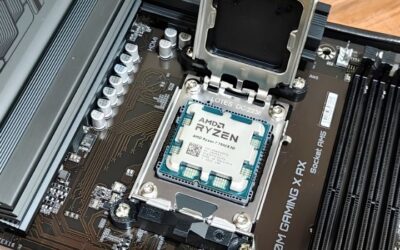
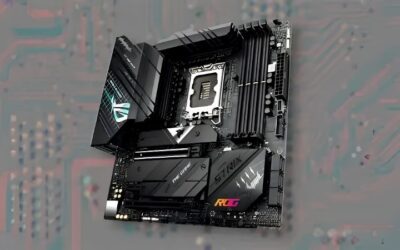
The 12th, 13th and 14th generation i7 parts all use LGA 1700 and can run either DDR4 or DDR5 depending on the board. Core Ultra 7 moves to LGA 1851 with the Z890 and B860 chipsets and requires DDR5 only.
Neither socket has much of a future. LGA 1700 is finished, and Intel’s next architecture moves to LGA 1954, so a Core Ultra build is effectively a single generation platform too. Treat either as a complete system rather than a foundation.
Core Counts, E-Cores and What Games Use
A Core i7-14700K offers 20 cores split into eight performance cores and twelve efficiency cores. Games rarely engage more than eight threads meaningfully, so the E-cores mostly matter for background tasks and content work.
That is why an i7 and an i5 often land within a few percent of each other in gaming benchmarks. The i7 earns its price when you stream, compile, render or run several demanding applications at once alongside the game.
Cache, Clock Speed and Memory Support
Boost clocks in this range run from 5.0GHz on older parts up to 5.6GHz on the 14700K, with L3 cache between 25MB and 33MB. Higher clocks and more cache both help in simulation and strategy titles that are sensitive to latency.
Memory support is the quiet differentiator. LGA 1851 boards handle DDR5-9000 and beyond on paper, while LGA 1700 tops out lower, and DDR4 boards give up bandwidth in exchange for a much cheaper memory kit.
Power Draw and Cooling Requirements
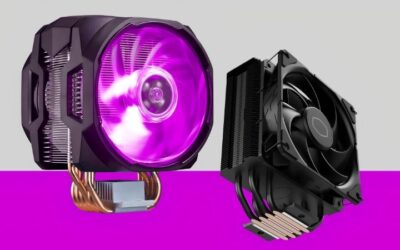
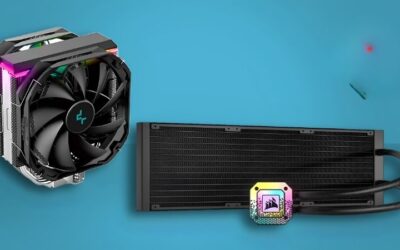
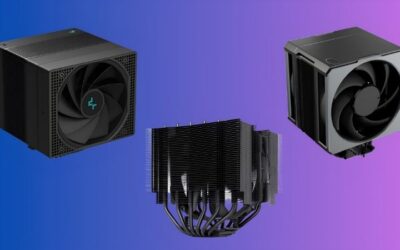
The K-series parts carry a 125W base rating with turbo power up to 253W, which needs a substantial dual-tower air cooler or a 280mm radiator to keep in check during long all-core loads.
Non-K models drop base power to 65W with a lower turbo ceiling and run comfortably on a mid-range cooler. For a pure gaming build where you will never load all twenty cores, that is often the more sensible choice.
Gaming loads alone rarely approach those turbo figures, since only a handful of threads are active. The cooler still needs headroom for shader compilation and background tasks, but a 250W sustained rating is not what a game will demand.
Top Picks: Best Intel i7 CPU for Gaming Right Now
These six span both sockets and cover new builds as well as drop-in upgrades for existing LGA 1700 systems. Specifications are Intel-published as of August 2026.
| Processor | Socket | Cores / Threads | Max Boost | L3 Cache |
|---|---|---|---|---|
| Core Ultra 7 265K | LGA 1851 | 20 / 20 | 5.5 GHz | 30 MB |
| Core i7-14700K | LGA 1700 | 20 / 28 | 5.6 GHz | 33 MB |
| Core i7-14700KF | LGA 1700 | 20 / 28 | 5.6 GHz | 33 MB |
| Core i7-14700 | LGA 1700 | 20 / 28 | 5.4 GHz | 33 MB |
| Core i7-13700K | LGA 1700 | 16 / 24 | 5.4 GHz | 30 MB |
| Core i7-12700K | LGA 1700 | 12 / 20 | 5.0 GHz | 25 MB |
Core i7-14700K – Best Gaming Performance
The 14700K is the best intel i7 cpu for gaming that Intel currently sells, combining a 5.6GHz boost with 33MB of L3 cache and 28 threads. For a build that games and streams on the same machine, it has ample headroom for both jobs.
It draws heavily under load, with turbo power reaching 253W, so budget for a serious cooler. The platform is also at the end of its life, meaning this is the last processor the board will ever accept.
Core Ultra 7 265K – Best Efficiency and Newest Platform
Core Ultra 7 delivers a substantial drop in power consumption and heat compared with the 14th generation while landing close in gaming performance. It also brings the newest memory support and a modern chipset with Thunderbolt 4.
Gaming gains over the 14700K are minimal and in some titles it trails, because the architecture prioritised efficiency over peak gaming throughput. The board and memory requirements also push total build cost noticeably higher.
Core i7-14700KF – Same Chip, Lower Price
Identical to the 14700K in every respect except the removal of integrated graphics, the KF version typically sells for meaningfully less. If you are pairing it with a discrete card, that saving is free money.
The absence of an iGPU removes your fallback if the graphics card fails, and it rules out using Quick Sync for video encoding. For most gaming builds neither is a real loss, but they are worth knowing about.
Core i7-14700 – Best for Quiet Builds
The non-K model keeps all twenty cores and 33MB of cache while dropping base power to 65W with a lower turbo ceiling. Gaming performance sits within a few percent of the K version because games never load all cores anyway.
You lose the ability to overclock and give up around 200MHz of boost clock. For anyone who values a quiet system over benchmark numbers, that is a straightforward trade in the right direction.
Core i7-13700K – Best Value on LGA 1700
With sixteen cores, 30MB of cache and a 5.4GHz boost, the 13700K trails the 14700K by a small margin in gaming while frequently selling for considerably less as stock clears.
It shares the same high power draw and cooling demands as its successor, and availability has become inconsistent as retailers run down remaining inventory. Check pricing against the 14700K rather than assuming the older part is cheaper.
Core i7-12700K – Cheapest Sensible Entry
Twelve cores and a 5.0GHz boost still deliver strong 1440p gaming, and this is the i7 most likely to be found at a genuine discount. It also works on DDR4 boards, which cuts total build cost substantially.
It has the smallest cache in the group at 25MB and falls furthest behind in processor-limited scenarios at 1080p. As the oldest part here, it is best treated as a budget play rather than a long-term purchase.
What the 2026 Platform Market Means for Intel Buyers
Two developments outside the chip itself should shape how you approach the best intel i7 cpu for gaming question, because both affect total cost and how long the build stays current.
Nothing New Arrives Before CES 2027
Intel’s Nova Lake architecture has slipped to January 2027 alongside refreshed lineups from other vendors. If you are asking whether to wait for something better, the answer is that you would be waiting the better part of a year.
Nova Lake also requires the new LGA 1954 socket, so neither current Intel platform gains anything from that launch. Anything you buy now is a complete system rather than a stepping stone toward the next generation.
Memory Pricing Changes the Total Build Cost
DDR5 contract prices rose sharply through 2026 with forecasts pointing to further increases into Q4, and new manufacturing capacity is not expected before late 2027. That has shifted a meaningful slice of build budget toward memory.
This is where the older LGA 1700 parts gain an unexpected advantage, since DDR4 boards remain available for the 12700K and 13700K. The memory saving can fund a better graphics card, which affects gaming far more than the processor does.
Compare the Whole Platform, Not Just the Chip
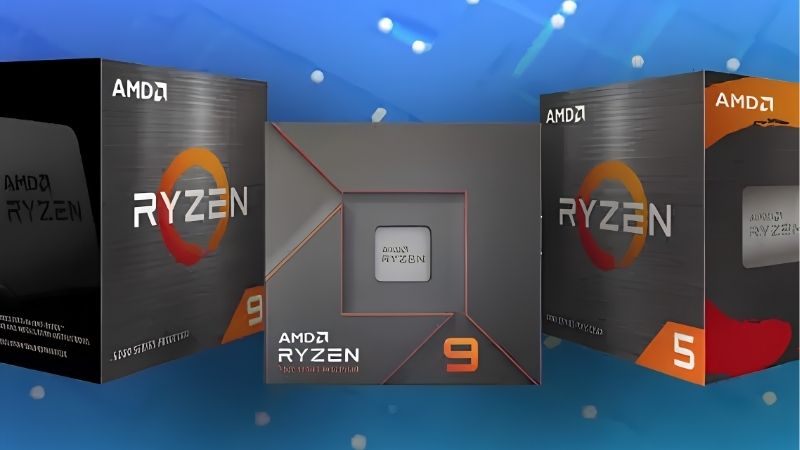
AMD confirmed that its AM5 socket will keep receiving processors through 2029, which is the strongest argument against either Intel option if you expect to upgrade the processor without replacing the board.
That does not make Intel a poor choice – it makes it a choice you should enter deliberately. If you build complete systems and keep them for years, socket longevity matters far less than the price and performance available today.
Frequently Asked Questions
The best intel i7 cpu for gaming decision usually produces these follow-ups, from builders weighing an i7 against the cheaper and more expensive options either side of it.
Is the best intel i7 cpu for gaming worth it over an i5?
For gaming alone, the gap is usually a few percent because games rarely use more than eight threads. The i7 justifies its price when you stream, record, compile or run demanding background applications alongside the game.
Do E-cores help or hurt gaming performance?
They mostly help by keeping background processes off the performance cores. Early scheduling problems have largely been resolved on current Windows builds, and disabling them rarely produces a measurable gain in modern titles.
What cooler does a 14700K need?
A large dual-tower air cooler or a 280mm radiator at minimum, because turbo power reaches 253W under sustained all-core load. Gaming alone is less demanding, but the cooler still needs headroom for the occasional heavy task.
Should I buy Intel or AMD for gaming in 2026?
AMD’s X3D parts lead in pure gaming frame rates, while Intel offers stronger mixed-workload performance at similar prices and often cheaper boards. The deciding factor for many builders is that AM5 has processors coming through 2029.
See More:
- Best 4TB NVMe SSD
- Best thermal grizzly paste
- Best thermal paste for 7800X3D
- Best CPU case fans
- Best motherboard for gaming computer
Final Thoughts
The best intel i7 cpu for gaming today is the Core i7-14700K if you want the highest frame rates, with the KF version making more sense when you already have a graphics card, and the non-K model suiting quieter builds. Core Ultra 7 265K is the efficiency pick on a newer chipset that also has no future. With nothing arriving before CES 2027 and memory pricing still climbing, buy the platform that fits your budget today rather than waiting for a better moment.

Write Your Review
No reviews yet. Be the first to share your experience!