
- Top Pick: VIPERA NVIDIA GeForce RTX 4090 Founders Edition Graphic Card
- Best Value: ASUS TUF Gaming GeForce RTX™ 5080 16GB GDDR7 OC Edition Graphics Card
- Premium Choice: ASUS TUF Gaming NVIDIA GeForce RTX 4090 OC Edition Gaming Graphics Card (24GB GDDR6X, PCIe 4.0, HDMI 2.1a, DisplayPort 1.4a, Dual Ball Bearing Axial Fans)
Nvidia GeForce RTX 4090 graphics card was the undisputed king when it launched, and years later it is still one of the fastest cards you can put in a desktop. What has changed is the buying context: the flagship has been succeeded, production has wound down, and a 2026 supply squeeze has kept prices stubbornly high. This review looks at what the 4090 still delivers at 4K and in creative work, why it remains expensive and scarce, and whether it is a smart purchase today or a card whose moment has passed.


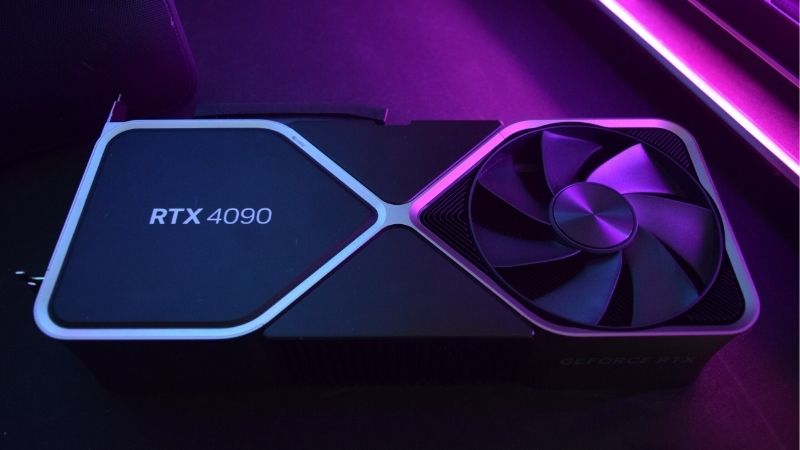
Nvidia GeForce RTX 4090 Graphics Card Specs and 4K Power
The 4090 earned its reputation through sheer scale: a huge GPU, a generous memory pool and enough raw throughput to brute-force games that bring lesser cards to their knees. Even against newer hardware it holds up, and its specification tells you exactly why it remains relevant rather than obsolete. The headline numbers matter here more than any marketing language.
As an Amazon Associate we earn from qualifying purchases at no extra cost to you.


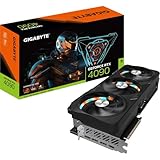


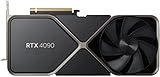

Core Specs and the 24GB Advantage
The card pairs 16,384 CUDA cores with 24GB of GDDR6X memory on a 384-bit bus, backed by a 450-watt power budget. That memory figure is the single most future-proof thing about it, because 24GB comfortably clears every current game and most creative workloads.
Where mid-range cards stumble on 8GB or 12GB frame buffers, the 4090 simply does not run out of room. That headroom is why it aged so gracefully: raw speed can be matched, but the large memory pool keeps it viable for demanding textures, high resolutions and heavy content work long after launch. Newer mid-tier cards may post similar numbers in a benchmark, yet hit a wall the moment a workload needs more memory than they physically carry, and that is a wall the 4090 rarely meets in normal use.
It is a physically large, power-hungry card, and those practical realities matter for anyone planning a build around it, a point covered in detail further down. A buyer coming from a mainstream mid-range card is often surprised by just how much case space and power headroom the 4090 expects, so the flagship performance comes with flagship demands on the rest of the system.
4K Gaming Performance in 2026
At 4K the 4090 remains a monster, delivering high frame rates in the vast majority of titles at maximum settings. This is the resolution it was built for, and it still handles it with room to spare in most games.
In the heaviest path-traced titles, native 4K can dip, but this is exactly where DLSS earns its place, using AI upscaling and frame generation to restore smooth performance with minimal visible cost. Owners consistently report that the card makes 4K high-refresh gaming genuinely comfortable rather than a compromise. In practice that means holding triple-digit frame rates in many titles and staying well clear of the stutter that a smaller frame buffer introduces at maximum textures, which is the kind of consistency that a raw average benchmark figure alone never fully captures.
AI, Creative and Productivity Workloads
Beyond gaming, the 24GB buffer makes the 4090 a favourite for creators and AI hobbyists. Video editors, 3D artists and anyone running local AI models benefit from the memory capacity as much as the compute, since large projects and models simply need the room.
This dual identity is a big part of why demand for the card never fully cooled. For a user who both games at 4K and does serious creative or AI work on one machine, it remains a compelling single-card solution that few cheaper options can match. A creator who would otherwise juggle a gaming card and a separate compute solution can often collapse both needs into this one part, and that versatility is a large part of why used demand has stayed so stubbornly high rather than fading the way older gaming-only cards usually do.
Buying the RTX 4090 in 2026: Price, Scarcity and Alternatives
The hardware is easy to praise; the purchase is where it gets complicated. The 4090 no longer sits on shelves at a fixed price, and the wider 2026 market has pushed its cost in the wrong direction for buyers. Understanding why is essential before you decide whether to hunt one down or look elsewhere, because the economics have shifted as much as the technology has moved on.
Why the RTX 4090 Is Still Expensive and Scarce
Two forces keep this card pricey. First, production has wound down now that a newer flagship exists, so new stock is limited and increasingly a used-market affair. Second, a broad component squeeze has hit the whole market, with memory prices climbing sharply as AI workloads compete for the same supply chains.
That pressure has pushed graphics card prices up across the board rather than letting older flagships fall in value the way they normally would. The 4090’s large, fast memory makes it especially exposed, and its ongoing appeal to AI users adds a second source of demand on top of gamers. Where a normal outgoing flagship would drop steadily in value once its successor arrived, this card has been held aloft by two currents at once, gaming demand and AI demand, meeting a supply that is shrinking rather than growing.
The wider signal is that appetite for high-end Nvidia silicon remains intense, reinforced by moves such as the United States clearing Nvidia to sell its powerful H200 AI chip into China. When top-tier compute stays in heavy demand everywhere, cards like the 4090 hold their value far longer than a normal generational hand-me-down, which is good for sellers and frustrating for buyers.
New Versus Used and the Newer Flagship Question
With new stock thin, most 4090 purchases now happen on the used market, so condition, warranty and seller reputation matter enormously. A card that spent its life mining or running hot in a cramped case is a different proposition from a lightly used gaming card, and the price should reflect that.
The honest alternative to weigh is a current-generation card. A newer flagship offers more features and active support, while a newer high-tier card can approach 4090 gaming performance for a potentially better price and warranty. The 4090 makes the most sense when its 24GB and proven creative chops specifically match your needs and you find one at a fair price. If your use is purely gaming, it is worth pricing a current high-tier card side by side, because the newer part may deliver comparable frames with a fresh warranty and lower power draw; if your use leans on memory-hungry creative or AI work, the 4090’s buffer can still justify choosing it over a faster but smaller-memory alternative.
RTX 4090 Graphics Card Pros and Cons
Balancing its enduring strengths against the realities of buying one in 2026 gives the clearest picture.
| Pros | Cons |
|---|---|
| Elite 4K gaming performance, still top tier | Expensive and scarce due to the 2026 squeeze |
| Huge 24GB buffer future-proofs games and AI | Mostly a used-market buy now |
| Excellent for creative and local AI workloads | Large size and 450-watt draw demand a strong build |
| DLSS keeps demanding path-traced games smooth | Newer cards offer active support and features |
The verdict: still a phenomenal performer, but only a smart buy at a fair used price and when its memory and versatility genuinely fit your work.
Who Should Buy the RTX 4090 Graphics Card Today
The card is not for everyone in 2026, and matching it to the right buyer is what separates a great purchase from an overpriced one. It rewards a specific profile of user and asks for a capable system in return, so being clear about both saves money and disappointment.
Ideal Buyer Profile
The perfect owner games at 4K high refresh and also does creative or AI work that leans on the 24GB buffer. For that person the 4090 remains a genuinely excellent one-card solution that justifies hunting down a good example. The value calculation flips entirely for a pure 1080p or 1440p gamer, who is paying a heavy premium for 4K and creative headroom they will never touch, and who is almost always better served by a more modest current card.
It is also a fair pick for an enthusiast who finds a well-priced, lightly used card and wants proven, no-compromise 4K performance today rather than waiting on shifting stock and pricing for newer options.
System Requirements and Compatibility
This is a big, thirsty card, so the build around it matters. Plan for a quality power supply of at least 850 watts, confirm your case has the length and slot clearance for a large triple-slot cooler, and ensure your processor is strong enough not to bottleneck it at your resolution.
Skipping these checks is the most common way a 4090 purchase goes wrong. Get them right and the card drops into a capable system cleanly; get them wrong and you face instability, thermal issues or a second round of upgrades you did not budget for. The power connector deserves particular attention, since the card uses a high-wattage design that expects a proper supply and correctly seated cabling, and a marginal or poorly connected supply is a common source of crashes that owners initially blame on the card itself.
See More:
Making the Purchase
Because pricing swings with a volatile market and most stock is used, timing and diligence matter more than usual. Compare current listings carefully, prioritise reputable sellers and any remaining warranty, and be ready to move when a fair price appears, since good examples do not linger. It also pays to set a firm ceiling before you shop, because a volatile market makes it easy to talk yourself into overpaying in the moment; deciding in advance what the card is worth to you keeps the purchase rational rather than driven by scarcity.
Once you have confirmed your system can handle it and settled on a fair figure, you can check current pricing and availability on the RTX 4090 and its closest current-generation alternatives through the links on this page, and choose the option that best fits your performance needs and budget.
In summary, the Nvidia GeForce RTX 4090 graphics card is still an elite performer whose huge 24GB buffer keeps it relevant for 4K gaming, creative work and local AI well into 2026. The catch is entirely about buying: a wound-down supply and a market-wide price squeeze keep it scarce and costly, so it only makes sense at a fair used price and when its memory and versatility match what you actually do. If they do, few cards deliver more; if they do not, a current-generation option with active support may serve you better.
Frequently Asked Questions
Does the RTX 4090 still make sense to buy in 2026?
For 4K gaming and local AI work it remains formidable, with 16384 CUDA cores and 24GB of GDDR6X delivering roughly a terabyte per second of bandwidth. The complication is price, since production ended and AI demand keeps used values high. Judge it against current generation alternatives on cost per frame rather than on prestige.
How does its 24GB buffer help beyond gaming?
It is the reason the card retains such strong demand. Twenty four gigabytes accommodates large quantised language models, high resolution diffusion workloads, complex Blender scenes and long video timelines that smaller buffers cannot hold. For anyone mixing gaming with creative or AI work, capacity often matters more than raw shader count.
What are the real risks with the power connector?
Reported failures trace almost entirely to partially inserted connectors concentrating current through fewer contacts. Seat the plug fully until it clicks, keep the first 35mm of cable straight, prefer a native 12V-2×6 cable from an ATX 3.x supply over the multi-headed adapter, and re-check the connection after moving the case.
Can the RTX 4090 use DLSS 4 multi frame generation?
It supports DLSS 4 super resolution and ray reconstruction, which arrived for RTX 20 series and later, but multi frame generation is restricted to the newer Blackwell generation. In practice the 4090’s raw performance is high enough that single frame generation and the improved transformer upscaling already deliver very high frame rates.
What system does it need to avoid bottlenecking?
Pair it with a recent high performance CPU and a fast memory kit, since at 1440p and below it is easy to CPU limit. Budget an 850 to 1000 watt ATX 3.x power supply, verify at least 360mm of case clearance for most partner models, and ensure Resizable BAR is enabled in firmware.

Write Your Review
No reviews yet. Be the first to share your experience!