
- Top Pick: ASUS GeForce GTX 1080 TI 11GB Turbo Edition VR Ready 5K HD Gaming HDMI DisplayPort PC GDDR5X Graphics Card TURBO-GTX1080TI-11G (Renewed)
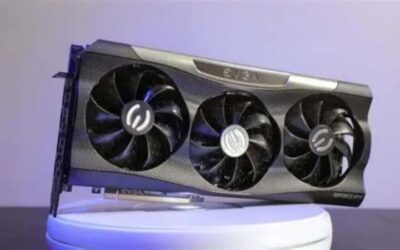
- Best Value: EVGA GeForce GTX 1080 Ti FTW3 Gaming, 11GB GDDR5X, iCX Technology – 9 Thermal Sensors & RGB LED G/P/M, 3X Async Fan Control, Optimized Airflow Design Graphics Card 11G-P4-6696-KR (Renewed)
- Premium Choice: EVGA GeForce GTX 1080 Ti SC Black Edition Gaming, 11GB GDDR5X, iCX Cooler & LED, Optimized Airflow Design, Interlaced Pin Fin Graphics Card 11G-P4-6393-KR (Renewed)

Prime
Best Seller
MSI GAMING GeFroce GTX 1080 Ti 11GB GDRR5X DirectX 12 352-bit VR Ready Graphics Card (GTX 1080 TI GAMING X 11G) (Renewed)

GTX 1080 Ti is a card people still ask about years after launch, and for good reason: it was a legendary flagship, and its generous memory means it has aged better than almost any card of its era. But in 2026, with GPU prices elevated and the card firmly in the used market, the real question is whether it is still worth buying or keeping, and at what price. This review pulls together what the GTX 1080 Ti still delivers, what long-term owners report, how it holds up against modern needs, and how the current market should shape your decision, so you can judge this classic clearly rather than on nostalgia alone.
As an Amazon Associate we earn from qualifying purchases at no extra cost to you.
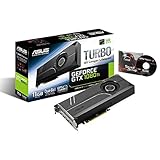
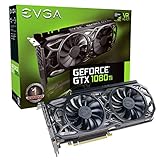


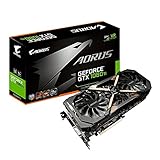
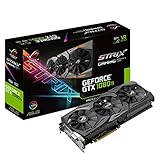
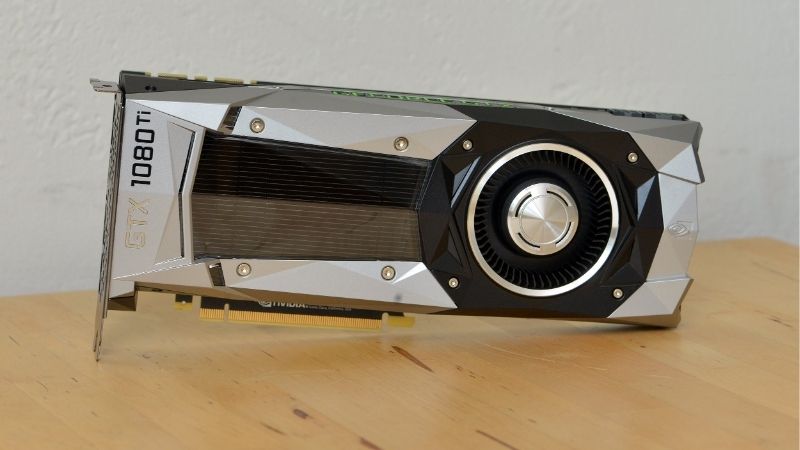
Is the GTX 1080 Ti still worth it?
The GTX 1080 Ti was a flagship in its day, and its combination of strong performance and a large memory buffer has given it remarkable longevity. Evaluating it now means asking whether it still delivers enough for your needs at a fair used price, and on that basis it holds up better than many cards its age.
What the GTX 1080 Ti still offers
The 1080 Ti’s enduring strength is its large 11GB memory buffer paired with strong rasterized performance, which together let it handle many modern games at 1080p and even 1440p with sensible settings. That generous memory is a big part of why it has stayed relevant when smaller-buffer cards aged faster.
The analytical point is that memory capacity has been the 1080 Ti’s secret to longevity. As games demanded more memory, cards with too little struggled, while the 1080 Ti’s ample buffer kept it viable. For a used card of its generation, that combination of memory and raw performance is genuinely rare.
This is worth dwelling on because it explains why the 1080 Ti is talked about differently from other cards of its era. Many contemporaries have aged into obsolescence not because their processing power collapsed but because their small memory buffers could no longer hold modern games’ assets, causing stutters and forced compromises. The 1080 Ti sidestepped that fate. Its 11GB was generous even by standards years later, so it rarely hits the memory wall at the resolutions it targets, and its raw rendering strength was high enough at launch that even a generational gap has not left it behind for 1080p and much 1440p gaming. That is an unusual combination for a card of its vintage, and it is precisely why it retains a following and holds its value on the used market when lesser cards of the same age are nearly given away.
Performance and resolution today
In practice, the GTX 1080 Ti remains a capable 1080p card and a serviceable 1440p one in many titles with adjusted settings. Its strong rasterized performance means it can still deliver smooth gameplay in a wide range of games, which is impressive for a card of its age.
What it lacks is modern features — it does not support the newest upscaling and ray-tracing technologies that current cards use to extend performance. Setting expectations correctly is key: as a strong rasterization card without modern features, the 1080 Ti satisfies for many games, but it cannot match a modern card’s feature-assisted performance.
New versus used reality in 2026
The GTX 1080 Ti is only available used now, and its price depends on the secondhand market. Because GPU prices have stayed elevated into 2026, used prices — including for sought-after cards like the 1080 Ti — have held firm, so it is not always the bargain its age might suggest.
The practical method is to compare a used 1080 Ti against modern budget and mid-range cards that offer current features. If the 1080 Ti is cheap and its memory and performance suit your needs, it can be a great value; if a modern card with new features costs only a little more, that may be the smarter spend. Because prices have flattened but not fallen, with real relief not expected until 2027 to 2028, buying at a fair price now beats waiting for a market drop that is not coming.
It helps to understand why a sought-after used card like this holds its price. When new-card prices stay high, demand spills into the used market, and desirable, well-regarded cards are exactly the ones buyers seek out, which keeps their prices firm. Some hardware makers have reported a stretch of relative stability after the sharp climb of late 2025, which cools the frantic bidding of that period and makes it easier to judge a fair number, but that stability is not a decline, and the same sources keep warning that volatility could return. For a 1080 Ti shopper, the practical reading is that the market has handed you a period of more predictable used pricing, which is the right time to act on a genuinely good deal rather than to hold out for a collapse that the supply chain is not signaling. The most important discipline remains comparing the 1080 Ti against what a modern card of similar price would offer, since in a firm market the newer card’s features sometimes tip the balance.
Living with the GTX 1080 Ti
Specs describe the card; years of owner experience reveal how it actually feels to use. The 1080 Ti has one of the longest and most celebrated track records of any card, and that feedback is invaluable for anyone considering one now.
What long-term owners report
The strongly positive feedback is remarkably consistent: owners praise the card’s longevity, its ample memory, and how well it has held up years after release. Many have used a 1080 Ti as their main card far longer than expected, a testament to how capable it was and remains.
The more critical feedback centers on age and features. Owners note that the newest games at high settings push the card harder, and that it lacks the modern upscaling and ray-tracing features that current titles increasingly use. These are the natural limits of an older card, not defects, but they matter as games evolve. The absence of modern upscaling is the most consequential gap, because that technology is increasingly how current cards stretch their performance, and a card without it leans entirely on raw power that, however strong for its age, is now a generation or more behind.
Where it still shines and where it struggles
The 1080 Ti shines in 1080p gaming, many 1440p titles with adjusted settings, esports games at high frame rates, and any game that benefits from its large memory buffer. In that territory it remains genuinely capable, which is why it is still fondly regarded.
It struggles with the newest, most demanding titles at high settings, and it cannot use modern feature-based performance boosts. Recognizing this boundary is what makes it a smart buy for the right person: excellent value within its lane, but outmatched by modern cards where the latest features matter.
The 2026 market context
The broader pricing picture affects how appealing the 1080 Ti is as a used pick. With GPU prices across the market elevated by memory and component costs, a capable used card at a fair price answers a real need for budget-conscious buyers, and the 1080 Ti’s memory and performance make it a reasonable option.
That said, the same elevated market means shopping deliberately. Since used prices have held firm and modern budget cards offer current features, compare carefully: if the 1080 Ti is priced well below a modern alternative, it is a strong value; if the gap is small, a newer card’s features may win. Check the live price before deciding, since today’s number should drive the choice.
Verdict, alternatives, and getting a fair price
With performance, ownership experience, and market context on the table, the decision comes down to whether the 1080 Ti’s memory and performance at a fair used price beat a modern card with current features. Here is the honest bottom line.
Pros and cons of the GTX 1080 Ti
Because this is a review, here is the straight balance sheet for the GTX 1080 Ti today.
| Pros | Cons |
|---|---|
| Large 11GB memory has aged very well | No modern upscaling or ray-tracing features |
| Strong rasterized performance for its age | Newest games at high settings strain it |
| Capable at 1080p and many 1440p games | Used-only, with firm prices in this market |
| Legendary longevity and reliability | Modern budget cards may offer more for a little more |
The verdict is that the GTX 1080 Ti remains a genuinely capable card whose large memory and strong performance give it lasting value, especially at a fair used price. Its weaknesses are its age and lack of modern features, which matter more as games adopt them.
Who should buy it, and the alternatives
Buy or keep a GTX 1080 Ti if you game at 1080p or 1440p with sensible settings, value its large memory, and can get it at a fair used price that undercuts modern alternatives. It is a great fit for budget builds and for anyone who wants proven, capable performance without modern features.
If modern features like advanced upscaling and ray tracing matter to you, or the used 1080 Ti price is close to a modern card, a current budget or mid-range GPU is the better choice, offering those features and ongoing support. The right pick depends on the price gap and how much you value modern features.
Locking in a fair price
Once you have decided the 1080 Ti fits your needs and found one at a fair price that beats modern alternatives, acting promptly beats waiting. In a market where used prices are firm and modern cards are elevated, a fair deal is unlikely to improve dramatically soon.
The efficient move is to compare the used 1080 Ti against modern budget and mid-range cards, factoring in features and price, then buy the best real-world value. You can compare current GPUs and prices on Amazon to weigh a modern card against a used 1080 Ti and secure the best value for your needs.
See More:
- Nvidia CEO LinkedIn
- Nvidia driver rollback
- Nvidia roll back driver
- RX 9070 XT vs 5060 Ti
- Nvidia driver uninstaller
Conclusion
The GTX 1080 Ti earns its legendary status with a large 11GB memory buffer and strong performance that have kept it capable years after launch, making it a solid 1080p and 1440p card at a fair used price. In a 2026 market where used prices are firm and real relief is years away, the smart move is to compare it against modern budget cards with current features and buy the best value for your needs. If you value its memory and performance and the price is right, it remains a great pick; if modern features matter more, a current card may win. Compare current GPUs and prices on Amazon and choose the best value with confidence.
Frequently Asked Questions
Is the GTX 1080 Ti still fast enough for 1440p gaming in 2026?
In pure rasterization it still lands roughly in RTX 3060 to RTX 4060 territory, which is enough for 1440p at high settings in most esports and older AAA titles. Newer engines that lean on ray tracing or mesh shaders will run poorly or refuse to launch, so expect to drop to 1080p in the heaviest 2025 and 2026 releases.
Does the GTX 1080 Ti support DLSS or ray tracing?
No. Pascal has no tensor cores and no RT cores, so DLSS in every form and hardware ray tracing are unavailable. Nvidia enabled a software DXR fallback years ago, but frame rates collapse when you use it. Your only practical upscalers are AMD FSR and Intel XeSS in their DP4a or shader paths, both of which run vendor agnostic.
Are drivers still being updated for Pascal cards?
Nvidia moved Maxwell, Pascal and Volta to legacy status after the 580 driver branch, so Game Ready optimizations for new games have stopped. The cards now receive only periodic security updates, currently planned into 2028. Existing games keep working, but you will not get day one profiles, new feature support, or fixes for bugs in brand new titles.
What power supply and connectors does it need?
The reference card is rated at 250W and uses one 8-pin plus one 6-pin PCIe connector, while many partner cards use dual 8-pin. Nvidia recommends a 600W supply, and because most surviving 1080 Ti units are paired with older PSUs, a quality 650W unit is the safer choice given aging capacitors and transient spikes.
Is 11GB of VRAM still enough today?
Yes, and it is one of the card’s biggest remaining strengths. Eleven gigabytes of GDDR5X on a 352-bit bus gives it more headroom than an 8GB RTX 4060 or RTX 5060 at high texture settings. Memory bandwidth of roughly 484GB/s also helps at 1440p, so texture quality is rarely what forces you to compromise.


Write Your Review
No reviews yet. Be the first to share your experience!