
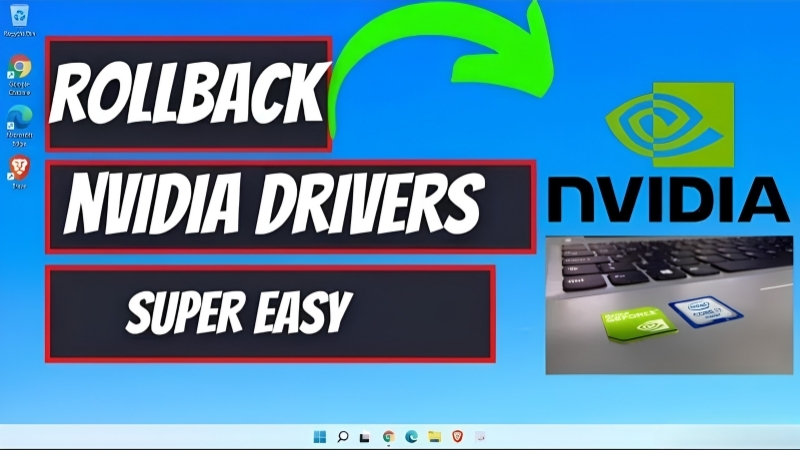
How to roll back Nvidia drivers is the most effective way to address sudden instability, game crashes, or performance dips that often follow a new graphics card update. Many PC users assume that the “latest” driver is always the “greatest,” but that is not always the case. Sometimes, a new update introduces bugs that clash with specific software configurations or older hardware, leading to screen flickering, low frame rates, or even the dreaded Blue Screen of Death. If you are experiencing these frustrations, you don’t need to panic or start looking for expensive hardware replacements just yet. In this comprehensive guide, we will walk you through the process of reverting your GPU drivers to a stable state, ensuring your gaming or workstation setup returns to peak performance.
- Understanding the Importance of Driver Rollbacks
- Preparing Your System for a Successful Rollback
- Comprehensive Steps to Revert Nvidia Drivers
- The Broader Landscape: Industry News and Hardware Longevity
- Pros and Cons of Rolling Back Drivers
- Recommended Products
- Conclusion
- Related Guides
- Frequently Asked Questions
- Related Articles
- Related Guides
Understanding the Importance of Driver Rollbacks
Drivers act as the critical bridge between your Operating System and your Graphics Processing Unit (GPU). When this bridge is stable, your system operates seamlessly. However, when an update disrupts this connection, your computer may become sluggish or completely unresponsive. Understanding the nuances of driver management is a skill every PC enthusiast should possess to ensure system longevity.
As an Amazon Associate we earn from qualifying purchases at no extra cost to you. Product prices and availability are accurate as of the date shown and are subject to change.




![nvidia geforce has a new graphics driver update [Explicit]](https://m.media-amazon.com/images/I/61mtLzL1Z1L._SL160_.jpg)

The Role of Graphics Drivers in System Stability
Graphics drivers are complex pieces of software that translate the commands from your operating system into visual data that your GPU can process. When you update to a new version, the manufacturer, Nvidia, includes optimizations for the latest games and patches for known security vulnerabilities. However, the testing environment for these drivers is finite. Nvidia cannot test their drivers on every possible combination of CPU, motherboard, RAM, and monitor available in the market. Consequently, a “perfect” driver for one user might be a catastrophic failure for another, resulting in severe system instability or graphical artifacts.
Identifying When a Driver Update Has Gone Wrong
It is essential to recognize the signs of a problematic driver update immediately. Common symptoms include a sudden drop in FPS (frames per second) during gaming, texture flickering in high-demand applications, or the computer crashing when transitioning between desktop and full-screen applications. If you notice these symptoms appearing immediately after an update, it is a clear indicator that the new software package is the culprit. Identifying these issues quickly saves you hours of troubleshooting unrelated components like your RAM or power supply.
Risks Associated with Maintaining Outdated or Corrupt Drivers
Leaving a corrupt driver installed on your system does more than just cause minor annoyances. Prolonged use of unstable drivers can lead to GPU overheating because the communication between the hardware and software is inefficient. In rare cases, continuous crashes can lead to file system corruption, as the operating system is forced to shut down unexpectedly. By failing to perform a rollback when necessary, you are effectively reducing the lifespan of your expensive components. Proactive maintenance is always better than reactive repair.
Preparing Your System for a Successful Rollback
Before you dive into the technical process of rolling back your drivers, you need to ensure your environment is set up correctly. A hasty approach can sometimes lead to more issues, such as leftover registry files from old drivers conflicting with the new ones. Taking a few minutes to prepare will guarantee a smooth process.
Checking Your System Specs and Current Driver Version
The first step in any maintenance task is documentation. You should know exactly which GPU model you are using and which driver version is currently installed. Right-click on your desktop, select “Nvidia Control Panel,” and then click “System Information” in the bottom-left corner. This will give you the precise version number of the driver. Writing this down or taking a screenshot is vital because you need to compare it against the version you plan to roll back to. Having a clean workspace, perhaps supported by a comfortable mouse pad or an ergonomic setup, can make this documentation process much more enjoyable. If your current desk setup is uncomfortable, you might want to look into an adjustable desk organizer or a high-quality desk mat like those available on Amazon, which can significantly improve your focus during these technical tasks.
Essential Tools and Utilities
To perform a professional-grade rollback, you should not rely solely on Windows’ built-in tools. While the Device Manager is useful, it often leaves “ghost” files behind. Serious users prefer using software like DDU (Display Driver Uninstaller). This utility clears out every trace of the existing driver, ensuring a “clean slate” for the previous version to install properly. If you find yourself frequently dealing with driver issues or hardware maintenance, having reliable storage solutions is important. Investing in a fast, reliable external SSD for your backups—something like the portable drives found in the computer accessories section on Amazon—can save your precious data if anything goes wrong during a system-level change.
The Necessity of a Data Backup Strategy
Never initiate a significant system change without a backup. While driver rollbacks are generally safe, there is always a non-zero chance of a Windows crash during the uninstall or reinstall process. Use a cloud service or an external hard drive to back up your critical documents, save files, and game configuration settings. Being prepared with a reliable backup drive is a non-negotiable step for any serious PC user. If your current backup solution is outdated, browsing for a high-capacity external hard drive on Amazon is a great way to ensure you never lose your work to a driver-induced error.
Comprehensive Steps to Revert Nvidia Drivers
Now that you are prepared, we will move to the actual “how-to” part of the process. Follow these steps meticulously, and remember that patience is your best friend when dealing with system drivers.
Executing a Simple Rollback via Device Manager
Windows has a built-in feature designed for this specific scenario. First, right-click the Start button and select “Device Manager.” Expand the “Display adapters” section, right-click on your Nvidia graphics card, and select “Properties.” Navigate to the “Driver” tab. If the “Roll Back Driver” button is clickable, simply click it and follow the on-screen prompts. This is the fastest method, but it is not always available if you have performed a clean installation previously. If this option is grayed out, do not be discouraged; the following steps provide a more robust alternative.
Performing a Clean Driver Installation Using DDU
For users who want the absolute cleanest experience, DDU is the industry standard. First, download your target driver from the Nvidia website, but do not install it yet. Disconnect your internet to prevent Windows from automatically installing a generic driver. Restart your computer in Safe Mode. Run the DDU application, select “GPU” and “Nvidia,” and click “Clean and Restart.” Once your PC reboots in standard mode, your screen resolution might look low, which is normal. Now, install the driver you downloaded earlier. This ensures that no remnants of the problematic driver interfere with the older, stable version, guaranteeing optimal performance.
Manually Downloading and Installing Legacy Nvidia Drivers
If you cannot find the driver you need through standard update channels, you must visit the Nvidia website’s advanced driver search page. Enter your GPU series and specific model accurately. When selecting the “Download Type,” choose “Game Ready Driver” or “Studio Driver” based on your needs. Once the installer is downloaded, run the executable file and select “Custom (Advanced)” installation. Check the box labeled “Perform a clean installation.” This built-in Nvidia feature is a great middle-ground if you are hesitant about using third-party software like DDU. Following these manual steps ensures that you have full control over exactly which version of the software is running your hardware.
The Broader Landscape: Industry News and Hardware Longevity
It is impossible to discuss driver maintenance without acknowledging the current state of the hardware market. As a PC user, you are not just managing software; you are managing a valuable asset that is becoming increasingly expensive to replace.
Evaluating the Impact of H200 AI Chip Availability
The recent news that the U.S. has allowed Nvidia to sell the H200 chip—one of the company’s most powerful AI processors—to China is a major development in the global semiconductor landscape. Why does this matter to you? It signifies that Nvidia is operating under intense regulatory scrutiny and massive global demand. While the H200 is primarily for enterprise-level AI workloads, the massive allocation of wafer production toward these high-end data center chips can potentially strain supply chains for consumer-grade gaming GPUs. When production focuses on high-margin enterprise chips, the availability of consumer cards can fluctuate, making it harder to find a replacement if your current GPU dies from neglect.
Understanding Rising Component Costs and Your Wallet
Coupled with the high demand for AI-focused hardware, we are seeing a trend where laptop and component prices continue to rise. Supply chain complexities and the shift in manufacturing priorities mean that replacing a mid-range or high-end graphics card is becoming a significant financial commitment. This economic reality transforms driver maintenance from a simple “fix” into a long-term financial strategy. If you cannot easily upgrade, you must preserve what you have. Rolling back drivers is no longer just about fixing a crash; it is about extending the utility of the hardware you already own, protecting your wallet from the current market inflation.
Why Maximizing Your Current GPU Life is a Smart Strategy
Given that component prices are climbing and the market is prioritizing AI-class hardware over gaming components, the most rational approach is to maximize the life of your existing rig. Every time you successfully roll back a driver instead of forcing your GPU to run on unstable software, you are preventing hardware stress. Taking care of your PC—keeping it dust-free, ensuring good airflow, and managing drivers—effectively saves you hundreds of dollars in the long run. When you treat your PC as a long-term investment, you naturally become more careful with maintenance, which is why learning these skills now is so important.
Pros and Cons of Rolling Back Drivers
Every technical solution has its trade-offs. While rolling back is often the fix, it is important to understand the landscape so you can make informed decisions.
The Clear Advantages of Reverting to Stable Drivers
The most significant advantage is immediate system stability. If you are experiencing crashes, reverting to a known-stable driver fixes the problem instantly. Furthermore, you regain compatibility with specific software or games that may have been broken by the latest update. There is a sense of peace that comes with a stable system. You stop worrying about your screen cutting to black during a crucial moment in a game or a work presentation. Additionally, for users who rely on niche or older applications, staying on a stable, older driver can prevent compatibility issues that newer drivers often introduce as they optimize for the latest, most demanding titles.
Potential Drawbacks and Limitations
The main drawback of rolling back is that you miss out on “Day 1” optimizations for brand-new game releases. Nvidia often releases drivers specifically timed for the launch of major AAA titles to ensure maximum performance. By using an older driver, you might see lower frame rates in the newest games. Also, you might miss out on critical security patches included in the newest updates. This is why rolling back should be treated as a temporary measure until Nvidia releases a hotfix or a newer, more stable version of the driver.
Expert Tips to Avoid Future Driver Conflicts
To avoid having to roll back constantly, always read the patch notes before hitting “Update.” Check forums like Reddit or the Nvidia support community to see if other users with your hardware configuration are reporting issues. If a new driver is released, wait a few days to see if any widespread bugs are reported. Finally, keep your Windows OS updated as well. Often, what appears to be a driver issue is actually an incompatibility between the latest driver and an outdated version of Windows. Maintaining a balanced software environment is the key to minimizing conflict. If you find your current system setup requires frequent adjustments, considering a better cooling pad for your laptop or improved case fans for your desktop can also help maintain the thermal stability necessary for a smooth driver experience.
See more:
Recommended Products

msi Gaming GeForce RTX 4060 8GB GDRR6 Extreme Clock: 2505 MHz 128-Bit HDMI/DP Nvlink TORX Fan 4.0 Ada Lovelace Architecture Graphics Card (RTX 4060 Ventus 2X Black 8G OC)
View on Amazon
July 18, 2026

PowerColor
PowerColor Red Devil AMD Radeon RX 7900 XTX Graphics Card
View on Amazon
5 hours ago

Sapphire
Sapphire 11330-01-20G Nitro+ AMD Radeon RX 7800 XT Gaming Graphics Card with 16GB GDDR6, AMD RDNA 3
View on Amazon
6 days ago
As an Amazon Associate we earn from qualifying purchases. Product prices and availability are accurate as of the date/time indicated.
Conclusion
Rolling back your Nvidia drivers is a powerful skill that every PC user should have in their toolkit. By understanding how to manage your GPU software, you not only solve immediate performance issues but also extend the life of your hardware during a time when component prices are on the rise. We hope this guide has helped you resolve your instability issues. Remember, your PC is a valuable investment—treat it with care, keep your drivers in check, and you will enjoy top-tier performance for years to come. If you are looking to upgrade your maintenance tools or perhaps start saving for future hardware, consider looking into the latest accessories on Amazon to keep your current rig running perfectly.
Frequently Asked Questions
What is the fastest way to roll back an NVIDIA driver?
Press Windows+X, open Device Manager, expand Display adapters, right-click your GPU and choose Properties, then the Driver tab, then Roll Back Driver. Pick a reason when prompted and reboot. This restores the exact previous driver Windows replaced, and it is the cleanest option because no manual download is involved.
Why is the Roll Back Driver button greyed out?
Windows only keeps one previous driver package, and it discards that backup after a disk cleanup, a major Windows feature update, or if you installed the current driver with a clean installation option that wiped prior versions. When it is greyed out you must download the older driver from NVIDIA and install it manually.
Where do I download older NVIDIA drivers?
Use the Advanced Driver Search on NVIDIA’s official download pages, where you select product series, model, operating system and then browse the full historical list including Studio and Game Ready branches. Avoid third-party driver mirrors and driver updater utilities entirely, since those are a common vector for bundled adware and tampered installers.
Do I need to use DDU when rolling back?
Not for a simple one-version step back, where the standard installer’s clean installation checkbox is sufficient. Use Display Driver Uninstaller in Safe Mode when you are dropping several versions, switching between Studio and Game Ready branches, or troubleshooting persistent crashes, black screens and corrupted profiles that a normal reinstall does not clear.
How do I stop Windows Update from reinstalling the new driver?
After rolling back, open Advanced system settings, go to Hardware, then Device Installation Settings, and set automatic driver downloads to No. On Windows Pro editions you can also use Group Policy to exclude driver updates from Windows Update. Otherwise Windows will silently push the newest WHQL package back on the next update cycle.


Write Your Review
No reviews yet. Be the first to share your experience!