
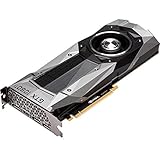
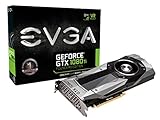
- Top Pick: NVIDIA GEFORCE GTX 1080 Ti – FE Founders Edition (Renewed)
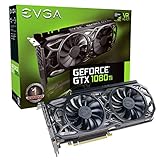
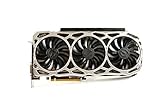
- Best Value: EVGA GeForce GTX 1080 Ti SC Black Edition Gaming, 11GB GDDR5X, iCX Cooler & LED, Optimized Airflow Design, Interlaced Pin Fin Graphics Card 11G-P4-6393-KR (Renewed)
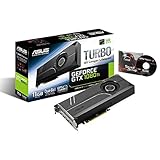
- Premium Choice: ASUS GeForce GTX 1080 TI 11GB Turbo Edition VR Ready 5K HD Gaming HDMI DisplayPort PC GDDR5X Graphics Card TURBO-GTX1080TI-11G (Renewed)
Nvidia 1080 Ti drivers are still a hot search in 2026, and that alone tells a story: this Pascal-era card refuses to die. If you own a GTX 1080 Ti, you’re probably here because a game stutters, a new title just launched, or you’re wondering whether it’s even worth updating a card this old. This review answers all three. Drawing on what long-term owners report in their 4 and 5-star praise and their 2 and 3-star gripes, you’ll learn which driver to install, how to do it cleanly, how to squeeze more life out of the card, and the honest signals that it’s finally time to move on. No fluff — just what a 1080 Ti owner actually needs.


Editor's Pick
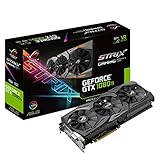
ASUS ROG STRIX GeForce GTX 1080 TI 11GB VR Ready 5K HD Gaming Graphics Card (ROG-STRIX-GTX1080TI-11G-GAMING) (Renewed)
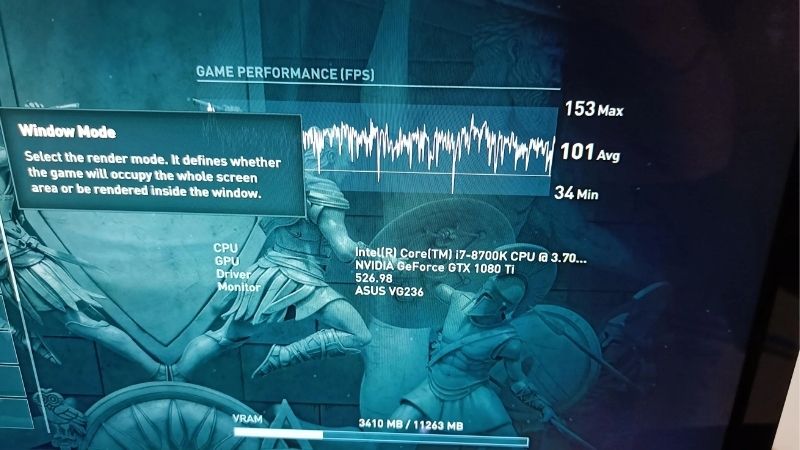
Choosing the Right Nvidia 1080 Ti Drivers Today
The GTX 1080 Ti is a Pascal card with 11GB of GDDR5X, and while it launched back in 2017, Nvidia has kept it supported far longer than most owners expected. The key in 2026 is picking the correct driver branch and installing it cleanly, because a wrong or messy driver is the number-one cause of the stutters people blame on the aging hardware.
As an Amazon Associate we earn from qualifying purchases at no extra cost to you.


| GTX 1080 Ti at a Glance | Detail |
|---|---|
| Architecture | Pascal (2017) |
| Memory | 11GB GDDR5X |
| Ray tracing / DLSS | Not supported (no tensor or RT cores) |
| Realistic resolution in 2026 | Strong at 1080p, capable in many 1440p titles |
| Driver branches | Game Ready and Studio |
| Support outlook | Moving toward legacy, less-frequent updates |
Game Ready vs Studio: Which Driver Fits Your 1080 Ti
Nvidia offers two driver flavors for the 1080 Ti: Game Ready and Studio. Game Ready drivers are tuned for day-one support of the latest games, so if you play new releases, this is your default choice.
Studio drivers, by contrast, prioritize stability in creative apps like video editors and 3D software. They update less often, which means fewer surprises — a real advantage if your 1080 Ti is doing content work rather than chasing launch-day game patches.
For most owners the practical answer is simple: pick Game Ready if you game, Studio if you create. You can switch between them with a clean install if your needs change, so the decision isn’t permanent.
Where to Download and How to Verify Your Version
Always pull your 1080 Ti driver straight from Nvidia’s official source or through the GeForce Experience app, never from random driver-pack sites that bundle unwanted extras. The official route guarantees a signed, uncorrupted package.
Before and after installing, check your active driver version so you know exactly what you’re running. On Windows you can read it in the Nvidia Control Panel under System Information, which lists the driver number and your GPU details.
Knowing your version matters for troubleshooting. If a new driver introduces a problem, you’ll want the exact number of the last stable one so you can roll back to it with confidence. It’s worth jotting that number down somewhere, because the GeForce Experience and Nvidia App update histories don’t always make it easy to identify which specific build was the last one that behaved perfectly on your setup.
Why a Clean Install Still Matters on Pascal Cards
A clean install wipes every trace of the previous driver before adding the new one, and on a card that has accumulated years of updates, this is genuinely valuable. Layered leftovers are exactly what produce the random crashes older cards get blamed for.
The reliable method is to use Display Driver Uninstaller (DDU) in Safe Mode, then install your freshly downloaded package. Owners who do this regularly report noticeably fewer stutters and error messages than those who simply install over the top. The difference is most obvious on a card like the 1080 Ti that may have been carried through several Windows versions and dozens of driver revisions over the years.
Think of it as spring cleaning for your GPU. Ten minutes of clean-install effort can restore the smooth behavior you remember from when the card was new.
What Owners Really Say About 1080 Ti Driver Performance
To judge the current state of Nvidia 1080 Ti drivers fairly, it helps to weigh the enthusiastic long-term reviews against the frustrated ones, because both reveal what to expect. The consensus is remarkably positive for hardware this old — with a few caveats worth knowing.
The 4-5 Star Verdict: Rock-Solid Longevity
Happy owners repeatedly praise the 1080 Ti’s staying power. With current drivers, many still play modern titles at 1080p and even 1440p with sensible settings, and they credit Nvidia’s continued driver optimization for keeping performance steady year after year.
The 11GB frame buffer earns special mention. That generous VRAM, unusual for its era, means the card rarely runs out of memory in newer games, which is a big reason it has aged better than cards with less onboard memory. Modern titles at high texture settings routinely demand more than 8GB, so many newer mid-range cards choke where the 1080 Ti simply keeps loading — a quiet advantage that its original buyers didn’t fully appreciate at launch.
For these users, the takeaway is that a clean, current driver keeps a well-cooled 1080 Ti feeling dependable — a rare compliment for a card approaching a decade of service.
The 2-3 Star Complaints: Stutters and Legacy Worries
The critical reviews cluster around two themes. The first is occasional stutter or crashes after a driver update, which — as noted earlier — usually trace back to a messy install rather than a broken driver.
The second is anxiety about the future. Nvidia has signaled that Pascal-era cards are gradually moving toward less frequent, legacy-style driver support, and some owners worry that day-one game optimization will thin out over time.
Both concerns are manageable. Clean installs solve most stability complaints, and even as updates slow, existing drivers keep working — the card doesn’t stop functioning just because releases become less frequent.
Pros and Cons of Sticking With the 1080 Ti in 2026
Here’s an honest, balanced look at what you’re getting if you keep running Nvidia 1080 Ti drivers on this veteran card rather than upgrading.
| Pros | Cons |
|---|---|
| Huge 11GB VRAM ages gracefully in modern games | No DLSS or hardware ray tracing (Pascal limitation) |
| Still capable at 1080p and many 1440p titles | Driver support is trending toward legacy cadence |
| Mature, stable drivers after years of tuning | Higher power draw than modern equivalents |
| Zero upgrade cost if it still meets your needs | Falls behind in the newest, most demanding games |
The verdict is nuanced: the 1080 Ti remains a genuinely usable card in 2026 if your expectations are realistic, but it can’t unlock the AI-driven features that define newer GPUs. Whether that trade-off is acceptable depends entirely on the games you play.
Getting the Most From Your 1080 Ti Before You Upgrade
Even a card this mature has room to give a little more, and understanding the current market helps you decide whether to optimize or replace it. This section covers both squeezing extra life from the 1080 Ti and reading the 2026 GPU price climate before you spend.
Tuning and Optimization That Extends Its Life
A modest overclock and a good fan curve can recover meaningful performance from a 1080 Ti, and because the card is so well understood, the community has mapped out safe, repeatable tuning settings you can apply in minutes. Many owners actually prefer a light undervolt over an aggressive overclock, trimming power draw and heat while holding clocks steady — a smart move on a card whose higher power appetite is one of its few real drawbacks.
Just as important is thermal health. After years of use, dust buildup and dried-out thermal paste quietly rob performance; a clean and a repaste can drop temperatures and stop the throttling that many owners mistake for a driver fault.
Pair that with a current driver and sensible in-game settings — dropping shadows and volumetric effects first — and a healthy 1080 Ti can stay playable far longer than its age suggests.
Reading the 2026 GPU Price Climate
If you’re weighing an upgrade, the pricing backdrop matters, because it’s not encouraging for bargain hunters. Component and graphics-card prices have trended upward, and while the steep climb seen in late 2025 has cooled into relative stability, suppliers still warn that the market remains volatile rather than truly settled.
New supply is on the way — memory makers including CXMT can feed DDR5 into the market, and Micron is building two new plants in Idaho — but those facilities aren’t expected to come online until roughly 2027 to 2028. In plain terms, prices have plateaued rather than fallen, and meaningful relief is still years out.
For a 1080 Ti owner, the analytical read is clear: don’t sit on a stuttering setup waiting for a big 2026 price crash that the supply data says isn’t coming. If the card still serves you, holding is reasonable; if it doesn’t, buying at today’s plateau is more sensible than gambling on a drop. The used market can look tempting, but prices there tend to track new-card pricing, so a bargain often isn’t the saving it appears to be once you factor in warranty and unknown wear.
See More:
- AMD graphics driver download
- Is Nvidia American
- Radeon graphics driver update
- Nvidia RTX 3060 drivers
When Driver Updates Aren’t Enough: The Upgrade Path
There’s a point where no driver can close the gap. If you’re regularly hitting VRAM-friendly but compute-limited walls, or you want the modern features Pascal simply lacks, an upgrade becomes the rational move.
The biggest experimental leap is Nvidia’s AI feature stack. Moving to a modern RTX card unlocks DLSS upscaling and, on the latest generation, frame generation — technologies that can multiply effective frame rates in supported games, something a 1080 Ti can never do no matter how current its drivers are. In practice, DLSS alone can lift frame rates by a large margin at 1440p, effectively giving a newer card a performance cushion that raw silicon comparisons understate.
If that’s the direction you’re leaning, you can compare current RTX options through the links on this page to find a card that matches your resolution and budget without overspending at today’s prices.
In the end, Nvidia 1080 Ti drivers still do an impressive job of keeping a nearly decade-old card relevant, and a clean install plus basic maintenance is often all it takes to fix the issues owners complain about. Keep your driver current, tune the card sensibly, and be realistic about the 2026 pricing climate before you upgrade. When the day comes that drivers alone can’t keep up, explore the recommended RTX cards linked here to step up to DLSS and modern performance on your own terms.
Frequently Asked Questions
Is the GTX 1080 Ti still getting driver updates?
Pascal has moved into legacy status. NVIDIA confirmed that the 580 driver branch is the last to deliver new Game Ready optimisations for Maxwell, Pascal and Volta, with security-only updates continuing for roughly three years after that transition. The card keeps working normally, but you should not expect per-game tuning for titles released after the cutoff, so pin a known-good driver version.
What power supply and connectors does a 1080 Ti need?
The Founders Edition is rated at 250W and uses one 8-pin plus one 6-pin PCIe connector; many partner cards use dual 8-pin. NVIDIA recommended a 600W supply, and that is still sensible advice given the card is old enough that many owners pair it with an aging PSU whose capacitors have degraded. Use separate native cables, not one daisy-chained lead.
Can the 1080 Ti use DLSS or frame generation?
No. Pascal has no tensor cores, so DLSS Super Resolution, Ray Reconstruction and Frame Generation are unavailable. You can use NVIDIA Image Scaling from the driver, and in supported games AMD FSR or Intel XeSS in its DP4a mode, which run on any modern GPU. Those give a similar performance lift with somewhat softer image quality than DLSS produces.
Is 11GB of VRAM still enough in 2026?
For 1080p and most 1440p raster gaming, yes. The 1080 Ti aged unusually well because 11GB of GDDR5X on a 352-bit bus gives 484 GB/s of bandwidth, more than several newer mid-range cards. The limits you hit now are compute and missing features such as mesh shaders and hardware ray tracing, not capacity, so newer titles requiring those may refuse to launch.
How do I fix black screens or crashes after a driver update?
Boot into Safe Mode, run Display Driver Uninstaller to strip every NVIDIA component, then install a driver from the 5xx branch known to work with Pascal. Also check that the card is seated properly, the PCIe cables are native, and Windows is not reinstalling an older driver automatically. On a card this old, thermal paste and pad degradation is a common non-driver cause.
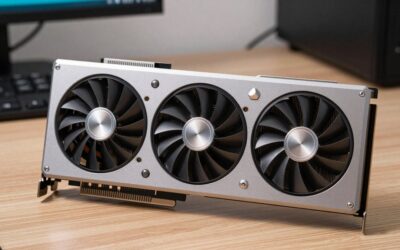
Ready to decide? Our #1 pick for 2026 is the GTX 1080 Ti at a Glance.
Live price & availability on Amazon.







Write Your Review
No reviews yet. Be the first to share your experience!