
- Top Pick: ASUS TUF Gaming Radeon RX 7900 GRE OC Edition 16GB GDDR6 Graphics Card (PCIe 4.0, HDMI 2.1, DisplayPort 2.1), 3 Year Warranty
- Best Value: ASRock Radeon RX 9070 Challenger 16GB OC Graphics Card, RDNA 4, 2520MHz Boost, 16GB GDDR6 256-bit, PCIe 5.0, Triple Fans, 0dB Silent, LED Indicator
- Premium Choice: PowerColor Red Devil AMD Radeon 7900 GRE 16GB GDDR6 Graphics Card
RX 7900 GRE is one of those cards that flies under the radar, and that is precisely why value hunters keep circling back to it. Sitting between the 7800 XT and the 7900 XT with 16GB of VRAM, it delivers excellent high-refresh 1440p performance and a genuinely useful trick: unusually strong memory overclocking headroom. If you want flagship-adjacent 1440p without flagship pricing, and you are willing to consider a less-hyped card, this review breaks down the frame rates, the practical build details, and the value case that makes the 7900 GRE a quiet standout.
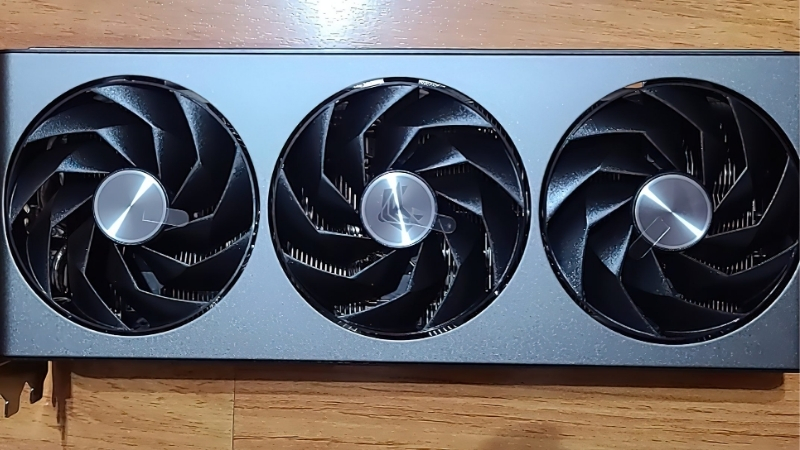
RX 7900 GRE Performance: A Hidden 1440p Standout
The 7900 GRE uses a cut-down version of AMD’s RDNA 3 flagship silicon, with 16GB of GDDR6 on a 256-bit bus and a board power around 260W. It slots neatly above the 7800 XT and below the 7900 XT, which makes it an excellent high-refresh 1440p card with enough muscle for entry-level 4K. Below, the performance is broken down the way a value-focused buyer evaluates an under-the-radar card.
As an Amazon Associate we earn from qualifying purchases at no extra cost to you.





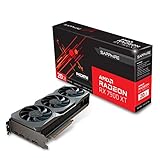
1440p and Entry 4K Frame Rates
At 1440p the 7900 GRE is a genuinely strong performer, pushing high frame rates at maxed settings across most modern titles and comfortably feeding fast 1440p panels. This is its sweet spot, sitting a clear step above the 7800 XT in many games.
At 4K it becomes a capable high-settings card, especially with FSR enabled, making it a reasonable choice for a 4K screen where you are willing to lean on upscaling. The 16GB buffer is the right amount for both resolutions and provides solid longevity.
The practical read: you get performance close to the more expensive 7900 XT at 1440p, for less money, which is the core of the GRE’s quiet appeal.
Memory Overclocking and FSR Upscaling
The experimental highlight of the 7900 GRE is its memory. The card shipped with comparatively conservative memory settings, and many owners find significant performance gains from memory overclocking and tuning, more so than on most other cards. For a tinkerer, that is genuine free performance left on the table.
On upscaling it uses FSR, including FSR 3 Frame Generation, which is widely supported and effective though a step behind DLSS in image quality. As with the rest of RDNA 3, the newer FSR 4 is an RDNA 4 feature and is not available here. Ray tracing follows the family pattern, fine for light to moderate use but behind comparable NVIDIA cards in the heaviest titles.
The upside is that the GRE’s combination of solid raster, ample VRAM, and tuning headroom means you are rarely left wanting at 1440p, even if ray tracing is not its strength. For the buyer who prioritises smooth high-refresh rasterized gaming over showcase ray-tracing effects, that balance is exactly right.
What Owners Praise and Criticize
Owner sentiment is enthusiastic among those who found it, with praise centered on value, strong 1440p performance, the 16GB of VRAM, and the memory-overclocking headroom that lets the card punch above its price. Many describe it as a hidden gem that outperforms its reputation.
The criticisms are mostly about awareness and availability rather than the card itself: it is less visible than the 7800 XT and 7900 XT, stock and pricing have varied by region, and it carries the usual RDNA 3 notes on ray tracing and FSR image quality. For buyers who track it down at a good price, the complaints are minor.
The overall impression is of a card that quietly over-delivers, rewarding the buyer who does a little homework with performance and value that its modest profile does not advertise.
| Strengths | Trade-offs |
|---|---|
| Strong 1440p, close to the pricier 7900 XT | Less visible; availability varies by region |
| 16GB VRAM with good longevity | Ray tracing trails comparable NVIDIA cards |
| Notable memory-overclocking headroom | No FSR 4; FSR behind DLSS in quality |
| Excellent value when found at a good price | Driver polish slightly behind NVIDIA |
RX 7900 GRE Build Fit: Power, Size and Cooling
The 7900 GRE is straightforward to build around, but a clean install still depends on three things: the power draw and PSU needs, the physical size for your case, and how it handles heat and noise. Each is covered below so your 1440p build comes together cleanly.
Power Draw and PSU Requirements
With a board power around 260W, the 7900 GRE is moderate in its demands, and a quality 700W power supply is a sensible choice for most builds. It uses standard 8-pin connectors, keeping the install simple.
That sensible draw makes it an easy upgrade for many existing systems without a PSU swap, and it keeps case heat and noise reasonable compared with the bigger flagship Radeon cards. If you plan to push a memory overclock, a little extra PSU headroom is worthwhile.
This is another point in the GRE’s value column: it delivers near-7900-XT performance without the higher power and heat of the flagship cards, so the surrounding build, power supply and cooling included, can stay modest. For a 1440p machine, that balance of performance and efficiency is close to ideal.
Card Size and Case Compatibility
Partner 7900 GRE cards are generally moderate in size, with many 2.5 to 3-slot designs that fit standard mid-towers comfortably. Dimensions vary by brand, so check the exact length against your case before buying.
For tighter builds, more compact models are available, and the card’s reasonable power draw means a modest cooler keeps it happy. You are not forced into a giant design to manage temperatures.
Because the GRE is less hyped than its siblings, partner availability can vary, so the specific model you find may dictate the size more than your preference does. Even so, the range generally fits standard mid-towers without difficulty, and the moderate cooler requirements give you flexibility.
Cooling, Noise and Temperatures
Thanks to its moderate power draw, the 7900 GRE runs cool and quiet on most partner coolers, with fan-stop keeping it silent at idle. Under sustained gaming it stays comfortably within thermal limits without excessive fan noise.
For those chasing the memory-overclock gains, keeping an eye on temperatures while tuning is worthwhile, but the card has comfortable thermal headroom on a decent cooler. A mild undervolt can further improve noise and temperatures if desired.
The card’s moderate heat output also means it does not demand an elaborate cooling setup to behave well, which keeps the surrounding build simple and affordable. A standard well-ventilated mid-tower is more than enough to let the GRE run quietly at its best.
RX 7900 GRE Pricing, Value and When to Buy
The 7900 GRE’s appeal is value, so price is central to the verdict, and the current component market is part of the picture. This section covers where prices stand, how the card compares to its siblings and rivals, and which buyer it suits.
Where Prices Stand Right Now
For a value card, the market backdrop matters. PC component prices have broadly trended upward, driven mainly by memory costs, and that pressure reaches graphics cards and the rest of a build. The encouraging side is real but limited: the steep climb of late 2025 has cooled, and some makers, Framework included, have reported a relatively stable recent stretch while still warning of further movement.
New supply is on the way but not soon, with OEMs now able to source DDR5 from suppliers like CXMT and Micron building two fabs in Idaho, though those plants are not expected to run until 2027–2028. In short, prices have stopped spiking rather than started falling, so genuine relief is still some distance out.
For a 7900 GRE buyer, the key is how its price sits relative to the 7800 XT below it and the 7900 XT above it. When it is priced closer to the 7800 XT than the 7900 XT, it is one of the best value cards in the lineup.
RX 7900 GRE vs the Competition
Against its own siblings, the GRE typically beats the 7800 XT in performance while costing less than the 7900 XT, which is the gap it is designed to fill. With a memory overclock, it can close much of the distance to the 7900 XT, sharpening its value further.
Against NVIDIA’s comparable cards such as the RTX 4070 Super, it generally leads on raster and VRAM while trailing on ray tracing and DLSS. For a 1440p gamer focused on value, the GRE is frequently the smarter rasterized buy when priced well.
The memory-overclocking angle sharpens that value further. A buyer willing to spend a few minutes tuning can often claw back a noticeable chunk of the gap to pricier cards, effectively getting free performance the spec sheet does not advertise. That makes the GRE especially appealing to the kind of hands-on buyer who enjoys optimising a build rather than just plugging it in.
Who Should Buy the RX 7900 GRE
Buy it if you game at high-refresh 1440p, want 16GB of VRAM and performance close to the 7900 XT for less, and especially if you enjoy squeezing free performance from a memory overclock. For the value-minded 1440p buyer, it is a genuine hidden gem.
Look elsewhere if ray tracing and the newest upscaling drive your decision, or if you cannot find the card at a competitive price in your region. If the 7900 GRE is priced well relative to its siblings, check the current price and availability through the link here before you buy, since the best deals on a lower-profile card can be fleeting.
It is also worth comparing the GRE directly against both the 7800 XT and the 7900 XT when you shop, since its value is defined by where it lands between them. When it sits closer to the cheaper card’s price while offering more performance, it is at its most compelling.
See More:
- Colorful iGame RTX 4090
- Founders Edition vs AIB
- Best RTX 4080 Super card
- Best RTX 5080 AIB
- Best RTX 5070 Ti card
Conclusion: Is the RX 7900 GRE Worth It?
The RX 7900 GRE is one of the most underrated 1440p cards in AMD’s lineup, offering performance close to the pricier 7900 XT, a generous 16GB of VRAM, and standout memory-overclocking headroom that lets it punch above its price. Its trade-offs, weaker ray tracing and no FSR 4, are the familiar RDNA 3 ones, and its biggest real-world hurdle is simply visibility and availability. With component prices stabilizing rather than falling, there is little reason to wait, so if you can find the RX 7900 GRE at a price near the 7800 XT, it is one of the smartest value buys for a high-refresh 1440p build, rewarding the buyer who is willing to look past the hype with real performance for the money.
Top-Rated Picks


| Product | Brand | Rating | Reviews | Price |
|---|---|---|---|---|
| ARCTIC MX-4 (4 g) – Premium Performance Thermal Paste… | ARCTIC | ★ 4.8 | 104k | $4.99 |
| ARCTIC MX-4 (incl. Spatula, 4 g) – Premium Performanc… | ARCTIC | ★ 4.8 | 71.9k | $5.49 |
| Crucial 8GB DDR4 RAM 3200MHz (PC4-25600), Downclockab… | Crucial | ★ 4.8 | 62.8k | $74.99 |
| AMD Ryzen 5 5600X 6-core, 12-thread unlocked desktop … | — | ★ 4.8 | 30.2k | $177.60 |
| NVIDIA Shield Remote; Voice Search, Motion-Activated,… | — | ★ 4.7 | 10.6k | $25.99 |
Frequently Asked Questions
Is 16GB of VRAM on the RX 7900 GRE enough for 1440p gaming?
Yes, comfortably. The RX 7900 GRE carries 16GB of GDDR6 on a 256-bit bus, which is well beyond what current 1440p titles request even with ultra textures, ray tracing and high-resolution texture packs enabled. Games like Hogwarts Legacy and The Last of Us Part I that punish 8GB cards run without the stutter or texture pop-in you see on smaller frame buffers.
What power supply does the RX 7900 GRE need?
AMD rates the card at roughly 260W board power, and most partner models use two 8-pin PCIe connectors. A quality 700W unit is the sensible target for a typical Ryzen or Core i5/i7 build, though a strong 650W supply with genuine amperage on the 12V rail will run it fine. Avoid cheap no-name units, since transient spikes can trip weak overcurrent protection.
How does the RX 7900 GRE compare to the RX 7800 XT?
The GRE uses a cut-down Navi 31 die with 80 compute units against the 7800 XT’s 60 on Navi 32, so raw shader throughput is higher, but its memory runs slower out of the box. In practice the GRE lands modestly ahead at 1440p, and the gap widens once you enable memory overclocking, which these cards respond to unusually well.
Can the RX 7900 GRE handle 4K gaming?
It is capable at 4K in esports and older titles, and playable in modern AAA games once you enable FSR quality upscaling and drop a few settings from ultra to high. Native 4K with maxed ray tracing is asking too much; the GRE is fundamentally a 1440p high-refresh card that stretches to 4K rather than a dedicated 4K flagship.
How is ray tracing and driver support on this card?
RDNA 3 ray tracing is a generation behind NVIDIA, so heavy path-traced titles like Cyberpunk 2077 overdrive mode are not realistic targets. Lighter implementations such as Resident Evil 4 or Far Cry 6 run well. Adrenalin drivers are mature now, include FSR 3 frame generation and Anti-Lag, and add HYPR-RX one-click tuning for older games.



Write Your Review
No reviews yet. Be the first to share your experience!