
- Top Pick: GIGABYTE GeForce RTX 5080 Gaming OC 16G Graphics Card, WINDFORCE Cooling System, 16GB 256-bit GDDR7, GV-N5080GAMING OC-16GD Video Card
- Best Value: ASUS TUF Gaming GeForce RTX™ 5080 16GB GDDR7 OC Edition Graphics Card
- Premium Choice: ASUS ROG Astral GeForce RTX 5080 16GB GDDR7 White OC Edition Graphics Card
Best RTX 5080 AIB shoppers have already settled the big question: you want a 5080 for high-refresh 1440p and serious 4K gaming. What is left is choosing which partner card to buy, and because every model shares the same GPU, the differences that matter are cooling, noise, size, and price, not raw speed. This guide ranks the AIB cards worth your attention, with a quick pick for the impatient, a comparison table, detailed reviews with honest pros and cons, a buying checklist, and answers to the questions that usually send buyers back to Google.
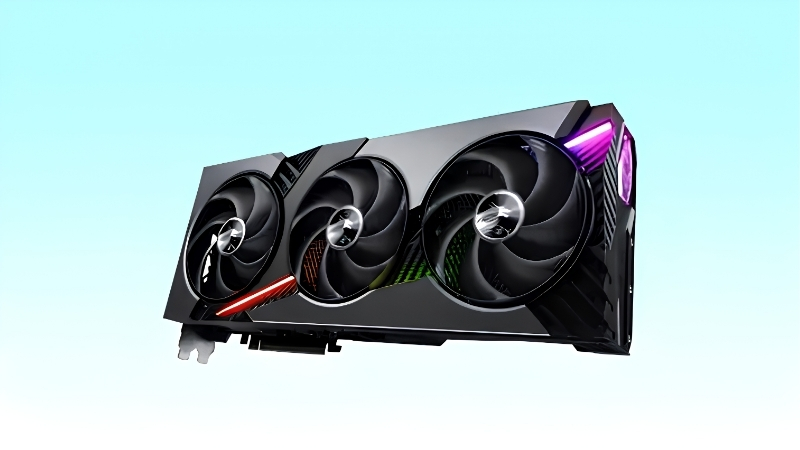
The Best RTX 5080 AIB Card at a Glance: Quick Picks
Every RTX 5080 delivers essentially the same frame rates because they all use the same Blackwell GPU with 16GB of GDDR7. That means this list is built around the things that actually differ between partner cards. If you do not want the full breakdown, the quick picks below cover the three buyer types that matter most: the balanced all-rounder, the premium silence build, and the value pick that gets you the same performance for less.
As an Amazon Associate we earn from qualifying purchases at no extra cost to you.


- Best Overall: MSI RTX 5080 Gaming Trio OC — the balance of cooling, noise, size, and price.
- Best Premium: ASUS ROG Astral RTX 5080 — top-tier cooler and build for enthusiasts who want the best.
- Best Value: Gigabyte RTX 5080 Gaming OC — the same GPU, strong cooling, lower price.
RTX 5080 AIB Comparison Table
The table highlights the differentiators rather than the shared specs, since every card here is a 16GB GDDR7 Blackwell card with a board power around 360W. Focus on the cooler tier and size, because those decide whether a card fits your case and how quiet it runs in daily use.
| Card | Best for | Cooler | Size | Price tier |
|---|---|---|---|---|
| MSI Gaming Trio OC | Overall balance | Triple-fan, large | 3-slot | Mid-high |
| ASUS ROG Astral | Premium / quietest | Quad-fan, oversized | 3.5-4 slot | Highest |
| Gigabyte Gaming OC | Value | Triple-fan | 3-slot | Lower |
| Zotac / PNY models | Compact / lowest cost | Triple-fan | 2.5-3 slot | Lowest |
What Makes a Great RTX 5080 AIB Card
Because performance is essentially fixed across models, a good 5080 AIB card is defined by four things. Cooling quality determines sustained clocks and noise. Physical size determines whether it fits your case and blocks adjacent slots. Acoustics under load determine whether you hear it during long sessions. And price determines whether you are paying for engineering or just a brand badge.
A useful rule of thumb: the most expensive card is rarely worth the premium for performance, but it can be worth it for noise and build quality if those genuinely matter to you. Most buyers are best served by a mid-tier triple-fan model that runs cool and quiet without the flagship price.
How We Ranked These 5080 Cards
The ranking weighs cooling and acoustics first, since those are the real, repeatable differences between cards, then factors in size compatibility and price-to-value. Factory overclocks are a minor consideration, because the out-of-box clock differences between models translate to only a couple of percent in games, well within what a manual undervolt or overclock can change.
NVIDIA’s feature stack applies equally across every card here: DLSS 4 with Multi Frame Generation, the strong Blackwell ray-tracing hardware, and ongoing driver and DLSS improvements are the same on every 5080. You are choosing a chassis for the same engine, so the engine’s future-facing software is a constant rather than a tiebreaker, and every dollar above the cheapest competent model buys cooling and quiet, not frames.
That framing helps avoid a common and expensive mistake: assuming the priciest card is “the best” and therefore the safest buy. It is not. The premium models are quieter and better built, which is worth real money to some people, but they do not run games any faster. Deciding how much silence and build quality are worth to you, rather than defaulting to the top of the range, is how you avoid overpaying for this tier.
Detailed Reviews of the Top RTX 5080 AIB Models
Below, each pick is reviewed with the same structure so you can compare them fairly: who it suits, how it cools and sounds, and its honest pros and cons. Remember the performance is the same across all of them, so read these as a comparison of the package around the GPU rather than of speed.
Best Overall: MSI RTX 5080 Gaming Trio OC
The Gaming Trio OC is the card most buyers should land on. Its large triple-fan cooler keeps the Blackwell GPU comfortably cool and stays quiet under sustained gaming load, and MSI’s build quality is reassuringly solid without pushing into the highest price bracket. As a 3-slot card it fits standard mid-towers without the extreme dimensions of the flagship models.
Owner sentiment skews strongly positive on temperatures and noise, with the most common praise being how quiet it stays during long sessions. The main trade-offs: it is still a sizeable card that benefits from a support bracket, and the RGB lighting, while attractive, adds a little to the cost over the most basic models. For the buyer who wants the best blend of everything, this is the safe, smart pick.
Best Premium: ASUS ROG Astral RTX 5080
The ROG Astral is the choice when you simply want the best cooler and the quietest experience and are willing to pay for it. Its oversized quad-fan design runs the GPU cooler than nearly anything else, which means the lowest fan speeds, the quietest acoustics under load, and the most overclocking headroom if you choose to chase it.
Praise from owners centers on near-silent operation and premium build feel. The drawbacks are predictable: it is the largest card here, so case clearance must be checked carefully, it is the heaviest and most in need of a support bracket, and it carries the highest price of the group for performance you can match with cheaper cards. It is the right card for a premium, silence-focused build, and overkill for anyone else.
Best Value: Gigabyte RTX 5080 Gaming OC
The Gaming OC is where value buyers should look. It pairs a capable triple-fan cooler with a noticeably lower price than the premium models, delivering the same frame rates while keeping temperatures and noise well within comfortable limits. For most people, the gap to a flagship card in real use is small enough that the money saved is the better deal.
Feedback from owners is largely positive on cooling and value, with the typical caveats: it can be a touch louder than the premium cards at full tilt, and fit and finish, while good, is a step below the ROG Astral tier. If you want 5080 performance without paying for badge and silence, this is the value sweet spot.
Pricing, Timing and FAQs for the RTX 5080
With the cards chosen, the last questions are about money and timing, plus the practical doubts that tend to linger. This section covers whether now is a good time to buy given the component market, answers the most common questions directly, and closes with a final recommendation so you can act with confidence.
Should You Buy Now? Pricing and Component Trends
Pricing context matters for a purchase this size. PC component prices have broadly trended upward, driven mainly by memory costs, and that pressure touches graphics cards and the rest of a build alike. The encouraging side is real but limited: the steep climb seen at the end of 2025 has cooled, and some makers, Framework among them, have reported a relatively stable recent stretch while still warning of further movement.
New supply is on the horizon but not imminent. OEMs can now source DDR5 from suppliers like CXMT, and Micron is building two fabs in Idaho, yet those plants are not expected to come online until 2027–2028. In short, prices have stopped spiking rather than started falling, and genuine relief is still some way off.
The takeaway for a 5080 buyer: there is little advantage in waiting for a near-term price drop, so if you are ready, buy the AIB model that fits your case at a price you are comfortable with, and factor the whole build cost into your budget since memory and other parts are caught in the same trend.
Frequently Asked Questions
Does the AIB brand affect gaming performance? Barely. Every RTX 5080 uses the same GPU and 16GB of GDDR7, so frame-rate differences between models are within a couple of percent. You are choosing cooling, noise, size, and price, not speed.
Do I need the most expensive model? No. A mid-tier triple-fan card cools and performs well for the vast majority of builds. The premium cards mainly buy you lower noise and better build feel.
What power supply do I need? With a board power around 360W, a quality 850W PSU is the sensible floor, and 1000W is the comfortable choice for a high-core-count CPU. Prioritize stable rails and a proper 12V-2×6 or native cable over simply chasing the highest wattage.
Final Recommendation and How to Choose
For most people, the MSI Gaming Trio OC is the card to buy: it nails the balance of cooling, quiet, size, and price. Step up to the ASUS ROG Astral only if near-silent operation and premium build are worth the premium to you, and drop to the Gigabyte Gaming OC if you want identical performance for less money.
Whichever you choose, confirm the live price and stock for each AIB model through the links in this guide before deciding, since partner pricing shifts and the best value often comes down to which card happens to be discounted on the day you buy. Match the cooler and size to your case, and you cannot go far wrong. As a final sanity check, measure your case clearance and confirm your power supply has the headroom before you order, because those two practical details cause more returns at this tier than any difference in the cards themselves.
See More:
Conclusion: Choosing the Best RTX 5080 AIB Card
The best RTX 5080 AIB card is the one whose cooler, size, and price fit your build, because the performance is the same across the board. The MSI Gaming Trio OC is the all-round winner, the ASUS ROG Astral is the premium silence pick, and the Gigabyte Gaming OC is the value choice that gives up almost nothing that matters. With component prices stabilizing rather than falling, there is no reason to wait, so pick the AIB model that suits your case and budget and enjoy years of high-end 1440p and 4K gaming.
Top-Rated Picks


Editor's Pick
GIGABYTE GeForce RTX 3060 Gaming OC 12G (REV2.0) Graphics Card, 3X WINDFORCE Fans, 12GB 192-bit GDDR6, GV-N3060 Video Card


| Product | Brand | Rating | Reviews | Price |
|---|---|---|---|---|
| MSI GeForce RTX 3060 Ventus 2X 12G OC, Gaming Graphic… | — | ★ 4.7 | 4.5k | $635.00 |
| GIGABYTE GeForce RTX 3060 Gaming OC 12G (REV2.0) Grap… | — | ★ 4.7 | 3.2k | $479.00 |
| EVGA GeForce GTX 1060 3GB GAMING, ACX 2.0 (Single Fan… | EVGA | ★ 4.6 | 3.4k | $247.79 |
| MSI Gaming GeForce GTX 1660 Super 192-bit HDMI/DP 6GB… | — | ★ 4.7 | 2.2k | $232.60 |
| MSI GeForce RTX 4060 Ti Ventus 3X 8G OC (8GB GDDR6/PC… | — | ★ 4.7 | 1.3k | $998.00 |



Write Your Review
No reviews yet. Be the first to share your experience!