
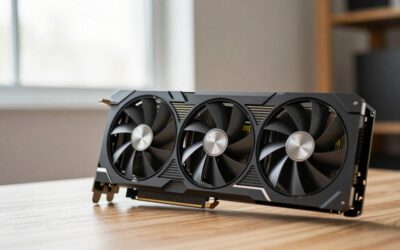
- Top Pick: ASUS TUF Gaming NVIDIA GeForce RTX 3090 OC Edition Graphics Card- PCIe 4.0, 24GB GDDR6X, HDMI 2.1, DisplayPort 1.4a, Dual Ball Fan Bearings (Renewed)
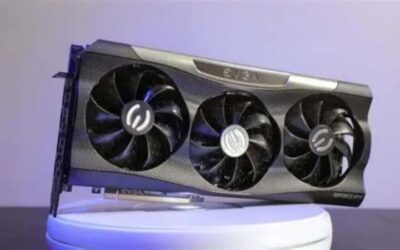
- Best Value: EVGA GeForce RTX 3090 FTW3 Ultra Gaming, 24GB GDDR6X, 10496 CUDA Cores, 1800MHz Boost Clock, 3x Fans, ARGB LED, Metal Backplate, PCIe 4, HDMI, DisplayPort, Desktop Compatible
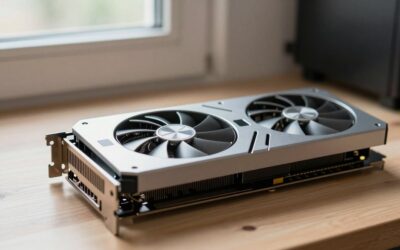
- Premium Choice: NVIDIA GeForce RTX 3090 Founders Edition Graphics Card (Renewed)
RTX 3090 24GB sits in an unusual spot: a former flagship, now a used-market target for two very different buyers — 4K gamers hunting a bargain and creators or AI hobbyists who need that huge 24GB frame buffer. If you are weighing whether this aging powerhouse still earns your money, this review skips the fluff and gives you the specs, real-world performance, and honest owner feedback so you can judge the value fast and decide with your budget in mind.


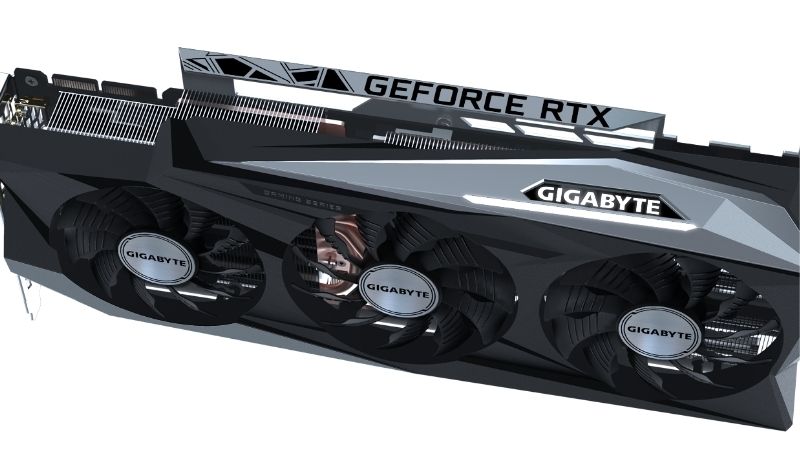
What the RTX 3090 24GB Brings to the Table
The RTX 3090 launched as Nvidia’s Ampere halo card, and its defining trait — 24GB of GDDR6X memory — is exactly why it stays relevant when other 2020-era GPUs have faded. This section covers the memory advantage, the raw gaming muscle, and the architecture that shapes what this card can and cannot do today.
As an Amazon Associate we earn from qualifying purchases at no extra cost to you.




The 24GB VRAM Advantage
The standout feature is that enormous 24GB of GDDR6X memory on a 384-bit bus, delivering roughly 936 GB/s of bandwidth. In 2026, most gaming cards ship with 8–16GB, so the 3090’s capacity remains genuinely rare at its used price point.
For gamers this means the card never runs out of VRAM at 4K, even in the most texture-heavy titles or with heavy modding. That headroom is a real buffer against the stutter that chokes lower-memory cards.
For creators and AI users the story is bigger: 24GB is enough to load sizable local AI models, run Stable Diffusion comfortably, and handle large video-editing and 3D projects that smaller cards simply cannot fit. This is the primary reason the 3090 holds strong resale value.
This dual appeal — gaming plus serious memory-heavy work — is unusual at the used price point, and it is why the 3090 attracts buyers that a pure gaming card of the same era does not.
4K Gaming Performance in 2026
On raw gaming, the RTX 3090 24GB still performs like a high-end 4K card. Aggregated benchmarks place it in the ballpark of a current-gen upper-midrange GPU, comfortably driving 4K at high settings in most titles, often in the 60–90 fps range depending on the game.
Paired with DLSS Super Resolution, it extends that 4K capability further in supported games, keeping frame rates smooth without dropping visual quality much. For a card several years old, that is a strong showing.
The practical takeaway is that 4K gaming is very much within reach — you are not buying a compromised experience, you are buying last-gen flagship performance at a used-market discount.
For high-refresh 1440p gaming the card has ample headroom, comfortably driving fast displays in most titles. It is genuinely a versatile performer across resolutions, not just a 4K specialist.
Ampere Architecture and Feature Support
The 3090 runs on Ampere, with second-generation RT cores and third-generation Tensor cores. Ray tracing is capable but a clear step behind the newest architectures, and the card lacks the hardware frame generation found in later RTX generations.
This defines its ceiling honestly: excellent rasterization and strong general compute, but not the cutting edge on ray-traced showcases or the latest AI upscaling features. For most buyers of a used card, that is an acceptable trade.
The Tensor cores remain a meaningful asset, though — they accelerate AI workloads and DLSS, which is part of why the AI and creator crowd still values this GPU well beyond pure gaming.
Creator and AI Use, Power, and Practical Ownership
The 3090 24GB is bought as often for work as for play, so its non-gaming value and its real ownership costs deserve a close look. This section examines the local AI and content-creation angle, the significant power and heat considerations, and how the card fits into a real system.
Local AI and Content Creation Power
For AI hobbyists, the 3090 has become something of a cult favorite. Its 24GB of VRAM lets you run local large language models, image generators, and other workloads that would exceed the memory of cheaper cards — and it does so at a fraction of the cost of workstation GPUs with similar capacity.
Content creators get the same benefit. Video editors working in 4K timelines, 3D artists rendering complex scenes, and photographers batch-processing large files all lean on that memory headroom and the card’s strong compute.
The experimental appeal here is real: for tinkerers building a home AI or rendering rig on a budget, the 3090 24GB offers capability that newer consumer cards restrict behind higher prices and smaller memory pools.
Power Draw, Cooling, and PSU Requirements
Now the practical warnings. The RTX 3090 draws a hefty 350W, and Nvidia recommends a robust power supply — plan for an 850W PSU to be safe, especially in a system with a strong CPU. This is not a card for a modest build.
It also runs hot and physically large. Most 3090 models are triple-fan, chunky cards, and the GDDR6X memory in particular is known to reach high temperatures, so good case airflow is not optional. Owners frequently stress the importance of a well-ventilated case.
Before buying, confirm your case can fit a long, thick card and that your PSU has the wattage and connectors. These compatibility checks are the most common reason a great deal turns into a headache.
Pros and Cons of the RTX 3090 24GB
The strengths are consistent in positive owner reviews: unmatched 24GB VRAM at the price, strong 4K gaming, excellent AI and creator capability, DLSS support, and high bandwidth. For memory-hungry workloads it is arguably the best value on the used market.
The criticisms are just as consistent in 2–3 star feedback: high 350W power draw and running costs, significant heat especially from the GDDR6X memory, large physical size, aging ray-tracing performance, and — as a used product — variable condition depending on the seller. Some buyers also note fan wear on heavily used mining or workstation units.
The pattern is clear: the complaints are about power, heat, and used-market risk, not capability. If you can supply the power and cooling, the drawbacks are manageable; if your build is small or your PSU is weak, they matter a lot.
Value, Buyer Fit, and the Final Verdict
With performance and ownership costs on the table, the last question is whether the price makes sense for you specifically, and when to buy. This section covers the pricing climate, who the card is really for, and the final recommendation.
Is Now a Smart Time to Buy?
Because the 3090 is a used, memory-heavy card, the current market touches it directly. Component prices have been trending upward, with memory a major driver — and strong demand for high-VRAM cards from the AI crowd keeps used 3090 prices firmer than a five-year-old GPU would normally hold. Bargains exist, but they are not falling fast.
The positive news is real but weak and distant. Prices have stopped climbing as steeply as in late 2025, and the market has entered relative stability, though volatility warnings remain. New supply is coming — OEMs can source DDR5 from suppliers like CXMT, and Micron is building two Idaho fabs — but those plants are not expected online until 2027–2028. Meaningful relief is years away, so waiting out the used 3090 market for a big 2026 price crash is a weak strategy. If a well-priced, good-condition unit appears now, acting is more rational than holding out. It is worth checking current listings before demand pushes prices up again.
Who Should Buy the RTX 3090 24GB
This card is ideal for two buyers. First, the value-focused 4K gamer who finds a good used unit and wants flagship-tier gaming without paying new-card prices. Second — and most compellingly — the AI hobbyist or content creator who needs 24GB of VRAM on a budget and has the PSU and cooling to support it.
It is not the right pick if you have a small case, a weak power supply, or you mainly want the newest ray tracing and frame-generation features. In those cases a modern midrange card is the better fit.
Matching the card to your workload and your build is the whole decision — for the memory-hungry buyer, little else at this price competes.
Final Verdict and Recommendation
Weighing everything, the RTX 3090 24GB remains a compelling used buy in 2026 for the right person. Its 24GB frame buffer gives it a second life in local AI and content creation that most 2020-era cards never got, while still delivering strong 4K gaming on the side.
If you can feed its power and cooling needs and you value that memory headroom, it is a smart, cost-effective purchase. Check the current used listings and condition details to see whether a good deal is available for your build.
For the buyer who needs its capacity, few alternatives at this price come close, which is exactly why it has held its value so well. That rare combination of huge VRAM and strong performance on the used market is the whole reason to consider it.
See More:
Conclusion
After a full review, the RTX 3090 24GB proves it still has a clear purpose in 2026 — not as the fastest card, but as a rare, affordable route to 24GB of VRAM. It handles 4K gaming with ease and shines in local AI and creator workloads that smaller cards cannot touch, though its 350W draw, heat, and used-market variability demand a capable build and a careful buyer. With component prices stable but real relief years off, a good deal today is worth acting on rather than waiting out. If that huge memory buffer matches your needs, the RTX 3090 24GB is worth buying — check today’s listings and find a unit that fits your system.
Frequently Asked Questions
Is the RTX 3090 still capable for gaming in 2026?
Yes, it remains a strong 1440p and capable 4K card, with 10496 Ampere cores and a 384-bit GDDR6X bus delivering around 936GB per second. Its handicap is the lack of frame generation, so it loses ground in benchmarks against newer mid-range cards that lean heavily on DLSS 4 generated frames.
Is 24GB of VRAM genuinely useful?
For gaming it is far more than needed, but for local AI inference, large Blender scenes, high resolution video work and running multiple quantised language models it is the card main attraction. That capacity is why used 3090 prices have held up better than pure gaming performance alone would suggest.
What power supply does it need?
It is rated at 350W with two or three eight-pin connectors depending on the model, and NVIDIA recommends 750W to 850W. Ampere flagships are notorious for short transient spikes well above the rated figure, which have tripped over-current protection on marginal units, so a quality supply with genuine headroom is essential.
Should I worry about GDDR6X memory temperatures?
Yes, particularly on Founders Edition and models with memory chips on the rear of the board. GDDR6X runs hot and can throttle in poorly ventilated cases. Monitor memory junction temperature with a tool that reports it, improve case airflow, and consider replacing the thermal pads on an older card that has never been serviced.
What should I check when buying used?
Ask about mining history and hours, run a stress test with memory temperature monitoring, check for coil whine and fan bearing noise, and inspect the power connectors and PCB for heat discolouration. Confirm whether any warranty remains and is transferable. Given the age, budget for a repaste and pad replacement as routine maintenance.


Write Your Review
No reviews yet. Be the first to share your experience!