
- Top Pick: GIGABYTE B550 Eagle WIFI6 AMD AM4 ATX Motherboard, Supports Ryzen 5000/4000/3000 Processors, DDR4, 10+3 Power Phase, 2X M.2, PCIe 4.0, USB-C, WIFI6, GbE LAN, PCIe EZ-Latch, EZ-Latch, RGB Fusion
- Best Value: Asus ROG Strix B550-F Gaming WiFi II AMD AM4 (3rd Gen Ryzen) ATX Gaming Motherboard (PCIe 4.0,WiFi 6E, 2.5Gb LAN, BIOS Flashback, HDMI 2.1, Addressable Gen 2 RGB Header and Aura Sync)
- Premium Choice: ASUS Prime B550M-A WiFi II AMD Micro ATX Motherboard with PCIe 4.0, WiFi 6, ECC Memory, HDMI 2.1, RGB Header
Best computer motherboard manufacturers is a shorter list than the retail shelves suggest, because four companies account for the overwhelming majority of boards sold and several familiar badges are made by someone else entirely. This guide covers who builds what, and where the smaller names fit.
As an Amazon Associate we earn from qualifying purchases at no extra cost to you. Product prices and availability are accurate as of the date shown and are subject to change.


As an Amazon Associate we earn from qualifying purchases at no extra cost to you. Product prices and availability are accurate as of the date shown and are subject to change.
By Ryan Cole
How to Rank the Best Computer Motherboard Manufacturers
Manufacturer and brand are not the same thing in this industry, and the difference matters when something goes wrong. Four criteria separate the best computer motherboard manufacturers, meaning the companies that actually engineer boards, from those that simply put a name on one.
Who Designs and Who Only Badges
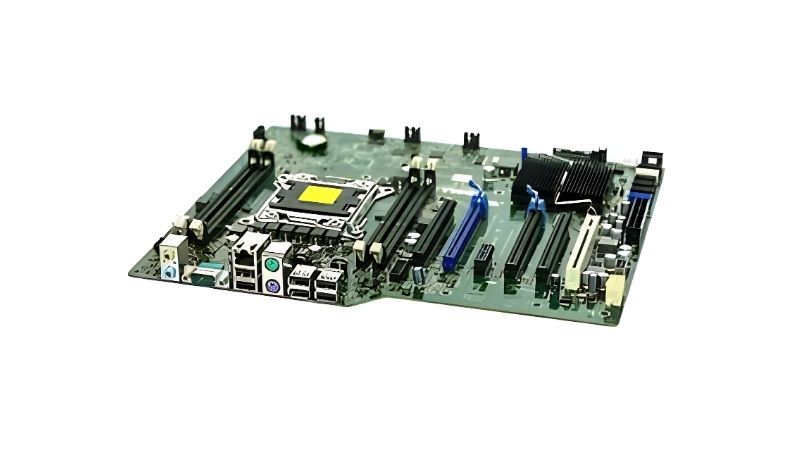
ASUS, GIGABYTE, MSI and ASRock design their own boards and operate manufacturing capacity for higher-tier models. Entry-level SKUs across all four are frequently produced by contract manufacturers to their designs and specifications, which is normal practice rather than a shortcut and does not affect quality.
Several enthusiast brands do not manufacture at all. They commission boards from an established maker and apply their own styling and software, which is a legitimate model but means support quality depends on the underlying partner rather than on the name printed across the heatsink.
Firmware Support Length
The most useful signal of a manufacturer’s seriousness is how long it kept updating its previous generation. A company that abandoned a chipset two years after launch will do the same to the board you are buying now.
Check the support pages for boards from three or four years ago before you commit. On AM5 in particular, where the socket receives new processors until 2029, firmware cadence determines whether a future upgrade actually works or leaves you with a machine that will not POST.
Warranty Terms and RMA Handling
GIGABYTE ships a five-year warranty on most AORUS models, while ASUS, MSI and ASRock generally sit at three years in the US. On a socket with a long life, those extra two years cover the period when boards most often fail.
Ask how each company handles advance replacement, who pays return shipping and how long turnaround runs. A three-year warranty with a fast RMA beats a five-year one that leaves the machine dead for a month, and those policies vary by region as well as by brand.
Scale Affects Availability and Support
The four large manufacturers produce enough volume that boards stay in stock and replacement parts remain available for years. Smaller companies can offer excellent value while being harder to buy from and slower to support.
That matters more in 2026 than usual, because motherboard unit sales have fallen sharply and smaller brands have been squeezed hardest. Availability is a real criterion rather than a footnote, particularly if you need a warranty replacement three years from now.
What the 2026 Market Means for Board Buyers
Three developments have reshaped the landscape this year, and they affect which of the best computer motherboard manufacturers are genuinely safe to buy from over a five-year ownership period.
The Market Has Contracted Sharply
Motherboard unit sales have fallen more than 25 percent, and every manufacturer has responded by concentrating on the mid and upper tiers. Promotional pricing policies were withdrawn in February 2026, which removed the cheapest end of several ranges.
Smaller manufacturers feel that contraction first. Buying from a company with limited scale is more of a gamble than it was two years ago, particularly if you need support several years into ownership or a replacement for a discontinued model.
AM5 Support Through 2029 Raises the Stakes
AMD confirmed at Computex 2026 that the socket keeps receiving new processors until the end of 2029. That turns firmware cadence from a nice-to-have into the single most important manufacturer criterion for an AMD build.
A board from a manufacturer with a poor update record will physically accept a 2028 processor and refuse to boot it. On Intel’s LGA 1851 the question barely arises, since Nova Lake moves to a new socket.
Nothing New Arrives Before CES 2027
Zen 6, Nova Lake and the RTX 50 Super refresh have all moved to January 2027. Current chipsets have mature firmware across every manufacturer, and early compatibility quirks have long been resolved.
For a build happening now, that stability works in your favour. It also means any manufacturer still shipping firmware updates today is doing so for a platform that will remain current for at least another year.
Top Picks: Boards From the Best Computer Motherboard Manufacturers
Each entry represents what that maker does best rather than its most expensive product, so the best computer motherboard manufacturers are judged here on their strongest tier. Verify current pricing and availability before ordering.
| Manufacturer | Representative Board | Socket | Warranty | Known For |
|---|---|---|---|---|
| ASUS | ROG Strix Z890-E Gaming WiFi | LGA 1851 | 3 years | High-end engineering |
| MSI | MAG B850 Tomahawk MAX WiFi | AM5 | 3 years | Features per dollar |
| GIGABYTE | B850 AORUS Elite WIFI7 | AM5 | 5 years | Warranty and firmware |
| ASRock | X870E Taichi | AM5 | 3 years | Over-built enthusiast |
| ASUS | TUF Gaming B850-Plus WiFi | AM5 | 3 years | Mainstream reliability |
| GIGABYTE | B650M Gaming Plus WiFi | AM5 | 3 years | Budget entry |
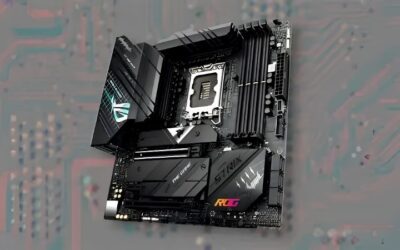
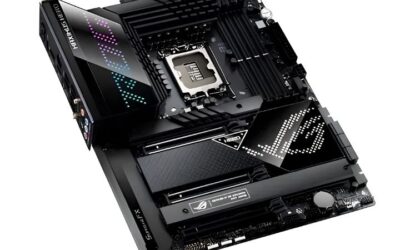
ASUS ROG Strix Z890-E Gaming WiFi
ASUS builds the most complete boards short of a flagship, and the Strix Z890-E shows it with an 18+2+1+2 power stage design, up to seven M.2 slots, Wi-Fi 7 and dual USB4 ports.
Much of the advertised AI functionality depends on Armoury Crate, which many builders decline to install. LGA 1851 also has no future CPU path once Nova Lake moves to LGA 1954, so treat it as a complete five-year machine.
MSI MAG B850 Tomahawk MAX WiFi
MSI consistently lands the most complete feature set at its price, and the Tomahawk is the clearest example. A 14+2+1 VRM with 80A stages, 5GbE, Wi-Fi 7 and two PCIe 5.0 M.2 slots cover any mainstream AM5 build.
MSI offers three years of warranty against GIGABYTE’s five, and skips USB4 entirely at this tier. If you own a Thunderbolt dock that omission matters; otherwise this is the most sensible AM5 board on sale.
GIGABYTE B850 AORUS Elite WIFI7
GIGABYTE wins on the two criteria that age best: a five-year warranty and a strong record of prompt AGESA updates after each AMD microcode release. The board itself pairs a 14+2+2 power stage arrangement with three M.2 slots and Wi-Fi 7 at a mid-range price.
Its weakness is software. Gigabyte Control Center remains clumsy, and several AORUS boards use Marvell network controllers that have needed driver attention. Install the chipset package, skip the rest, and the hardware is hard to fault.
ASRock X870E Taichi
ASRock has quietly over-engineered the Taichi for several generations. A 20+2+2 power stage layout, dual 40Gbps USB4 ports and full PCIe 5.0 provision give it more headroom than a Ryzen 9 can realistically use.
Most buyers will never need what they are paying for, and an X870 Tomahawk delivers the same gaming result for less. ASRock’s RMA process is also the least polished among the four large manufacturers.
ASUS TUF Gaming B850-Plus WiFi
The TUF line is where ASUS stops charging an ROG premium while keeping the same BIOS and memory tuning menus. A 14+2+1 VRM, 2.5GbE and Wi-Fi 7 make it a dependable mainstream AM5 base.
It economises on storage, with fewer M.2 slots and thinner heatsinks than the Tomahawk, and there is no Q-code display. Diagnosing a failed POST means reading LEDs, which is a real irritation if you tinker often.
GIGABYTE B650M Gaming Plus WiFi
At roughly $109 this microATX board is the cheapest sensible entry to AM5 from a major manufacturer. It supplies PCIe 5.0 to the graphics slot, 2.5GbE, Wi-Fi 6E and enough power delivery for a Ryzen 5 or Ryzen 7.
The 8+2+1 VRM will thermally limit a 16-core processor, and Wi-Fi 6E dates it slightly against newer boards. Treat it as a platform ticket rather than a long-term host for a Ryzen 9, and it is excellent value.
Frequently Asked Questions
These questions come up whenever builders look past the badge on the box and start comparing the best computer motherboard manufacturers on how they actually behave after the sale.
Do the big four actually manufacture their own boards?
Partly. ASUS, GIGABYTE and MSI operate their own capacity for higher-tier models, while entry-level SKUs across all four brands are often produced by contract manufacturers. The design, firmware and component choices remain the vendor’s own.
Are smaller motherboard brands worth considering?
Sometimes, on price. The risk is support and availability rather than the hardware, and the market contraction of 2026 has squeezed smaller companies hardest. For a board you expect to keep five years, scale is a real advantage.
Which manufacturer has the best firmware support?
GIGABYTE has historically shipped AGESA updates fastest after an AMD microcode release, and its five-year warranty reinforces that. ASUS provides the deepest BIOS options, while MSI offers the most approachable interface for a first build.
Does the manufacturer affect gaming performance?
Not measurably at stock settings. Two boards with adequate power delivery and the same processor land within run-to-run variance. Manufacturer choice affects memory compatibility, boost stability under sustained load and firmware longevity instead.
See More:
- Who makes the best motherboard
- Best budget AM5 CPU for gaming
- What is the best thermal paste pattern
- Best mini ITX computer case
- Best desktop RAM for gaming
Final Thoughts
The best computer motherboard manufacturers list still comes down to four companies, and the right one depends on your tier. MSI leads the mid-range on features per dollar, GIGABYTE wins on warranty and firmware cadence, ASUS takes the high end on both platforms, and ASRock covers the over-built enthusiast slot. Smaller brands can offer value, but scale matters more in a contracting market than it did two years ago. Figures reflect August 2026 and should be verified before purchase.

Write Your Review
No reviews yet. Be the first to share your experience!