


Prime
Limited Time
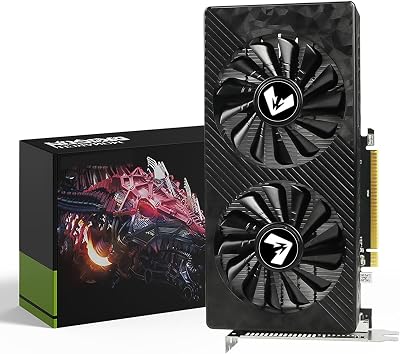
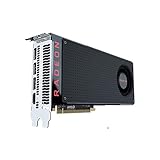
XFX Radeon RX 580 GTS XXX Edition 1386MHz OC+, 8GB GDDR5, VR Ready, Dual BIOS, 3xDP HDMI DVI, AMD Graphics Card (RX-580P8DFD6) (Renewed)
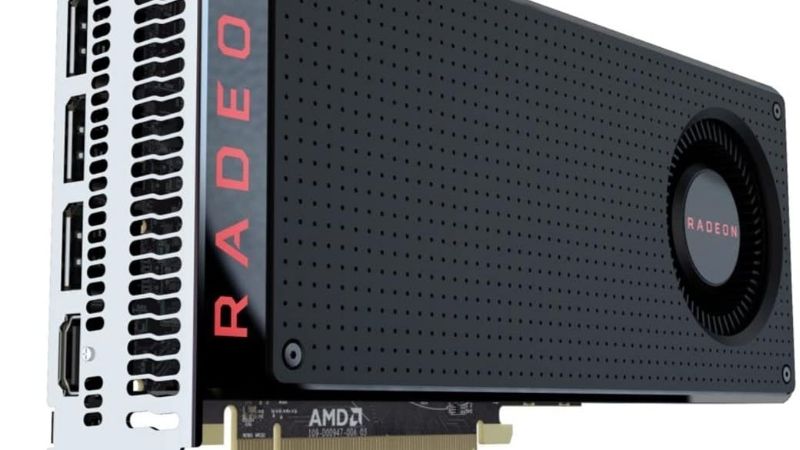
AMD RX 580 drivers are the key to keeping this popular budget card running smoothly in 2026, whether you are setting up a fresh install, fixing a crash, or simply choosing the most stable version. On an older Polaris card like the RX 580, the right driver matters as much as any tweak you can make. This review explains what the current Adrenalin drivers offer, which version to run, what owners report, and how to install and fix them, so you can get the most from your RX 580 with confidence. On a card this affordable, small gains matter, and knowing how to keep the driver healthy is often the difference between a frustrating experience and a smooth one.
RX 580 Drivers Overview and Who Needs Them
Before the fixes, it helps to understand what AMD’s software does for an older card and which version suits it best. On a mature GPU like the RX 580, a stable driver is one of the few free levers left to protect performance, so choosing well genuinely matters. Unlike a hardware change, it costs nothing but a few minutes, which makes the driver the smartest first thing to get right on an ageing budget card.
As an Amazon Associate we earn from qualifying purchases at no extra cost to you.





What the Latest Adrenalin Drivers Offer for the RX 580
The RX 580 is supported through AMD’s Adrenalin software, which bundles the driver with performance tools, tuning and features like FSR. As a Polaris-era card, it now sees less frequent updates than newer RDNA models, but its driver support is mature and stable. That maturity is actually a positive on an old card, because the driver situation is settled rather than a moving target you have to keep chasing.
For a 2,304 stream-processor, 8GB card, those drivers focus on stability and broad game compatibility rather than chasing day-one optimisation for every new title. For an older card that mostly runs older and mid-weight games, that emphasis on stability is actually a better fit than a constant stream of cutting-edge releases.
Keeping a good Adrenalin driver installed is one of the simplest ways to keep the RX 580 dependable, since a clean, stable driver avoids most of the problems owners of older cards run into.
Which Driver Version to Run on an RX 580
On a mature card, the newest driver is not always the best choice. Many RX 580 owners find that a recent, well-tested Adrenalin release offers the smoothest experience. Rather than installing the very newest driver on release day, waiting a little for a version to prove itself is a sensible approach on hardware this established.
If a very new driver introduces a bug on your system, there is no harm in staying on a known-good version that runs your games reliably.
The practical rule is to prioritise stability over being on the absolute latest release, since the RX 580 gains little from bleeding-edge drivers and more from a version you know works. This is a key mindset shift from newer cards: on Polaris, the goal is reliability rather than being first to every update.
What Users Say: Driver Ratings Round-Up
Across owner feedback, the positive pattern is consistent: praise for stable, reliable performance once installed, FSR support that extends the card’s life, and the feature-rich Adrenalin app. Owners frequently note that the card still just works for their favourite games once a stable driver is in place, which is high praise for such an old GPU.
The complaints focus on the occasional problematic release, the need for a DDU clean install after a bad update, and the higher chance of a worn, ex-mining card causing driver-like symptoms.
The balanced read is that a clean install on a healthy card solves most issues, and owners who install carefully report a smooth experience, while trouble usually comes from messy installs or a tired card. That distinction matters, because it means most negative stories trace back to how the driver was installed or the condition of a used card rather than to the driver itself.
How the RX 580 Performs With the Right Drivers
Drivers matter for what they do in real use. Here is how the RX 580 behaves on a good Adrenalin driver, the issues owners most often meet, and how to keep the card stable over time.
1080p Gaming and FSR on Current Drivers
With a solid driver installed, the RX 580 remains a capable 1080p card, handling esports titles at high frame rates and many AAA games at medium settings. For the enormous back catalogue of older and mid-weight titles, a well-driven RX 580 still provides a genuinely pleasant 1080p experience.
FSR, available through Adrenalin in supported games, reclaims meaningful frames by upscaling from a lower resolution, which helps this older card stay viable at 1080p.
Practical takeaway: a stable driver plus FSR is exactly what keeps the RX 580 enjoyable in 2026, so the driver you choose has a real effect on the experience. Treat the driver as part of the card’s setup rather than an afterthought, and the RX 580 will reward you with steadier performance across the games it can handle.
Common RX 580 Driver Issues and Fixes
The most common problems are black screens after an update, stutter, and games failing to launch, and nearly all trace back to a corrupted or conflicting driver install rather than the hardware.
The reliable fix is a clean reinstall using DDU in Safe Mode to remove the old driver completely before installing a good Adrenalin version, which resolves the large majority of these issues.
Because so many RX 580s spent time in mining rigs, it is also worth ruling out a failing card if problems persist after a genuinely clean driver install. If a spotless reinstall still leaves you with artefacts or crashes, the driver has been eliminated as the cause and the hardware deserves a closer look.
Keeping Your RX 580 Drivers Stable
Stability comes from good habits. Install from AMD’s official site or the Adrenalin app rather than third-party tools, and do not feel obliged to chase every new release.
Once a driver runs your games well, leaving it in place is perfectly sensible on a card this mature, updating only if a specific game needs it. Chasing every release rarely helps and occasionally introduces a new bug, so a measured approach usually gives the smoothest long-term experience.
Keep a known-good driver saved offline so you can roll back quickly if an update causes trouble, a simple safeguard on a card you rely on for daily gaming.
Getting the Most From Your RX 580 in 2026
Good drivers keep an old card healthy, but they cannot rewrite its limits. This section weighs the pros and cons, shows the cleanest way to install, and explains when the honest answer is an upgrade rather than another driver.
Pros and Cons of the RX 580 and Its Driver Support
The honest balance sheet, based on the card’s capabilities and the recurring themes in driver feedback, so you can weigh what still holds up against the limits worth knowing before you rely on it.
| Pros | Cons |
|---|---|
| Mature, stable Adrenalin driver support | Less frequent updates as a Polaris card |
| FSR support extends the card’s usefulness | No ray tracing; entry-level ceiling |
| Reliable once cleanly installed | Higher ex-mining risk on the used market |
| Feature-rich Adrenalin app for tuning | Drivers cannot add raw performance |
With a good, stable driver, the RX 580 remains a dependable 1080p card for undemanding budgets. For a first build or a spare machine, that reliability is exactly what most owners want from a card in this class.
How to Install and Fix RX 580 Drivers Cleanly
For a fresh install, download the Adrenalin package from AMD’s site and install it directly, which suits most systems.
For persistent problems, run DDU in Safe Mode to remove the old driver, then install a good Adrenalin version fresh, which is the professional approach that clears stubborn issues. It removes any leftover files from earlier installs, which is why it succeeds where a simple update over the top often does not.
Always download the driver before removing the old one, so you are never left without working graphics part-way through the process. This one habit prevents the most stressful scenario of all, sitting at a blank screen with no simple way to fetch the driver you now need.
When Drivers Can’t Help: Time to Upgrade?
Drivers can optimise and stabilise, but they cannot add raw power or ray tracing. If the RX 580 is struggling at your target settings even on a good driver, the card itself is the limit rather than the software.
For newer, more demanding games or a move beyond 1080p, a modern budget card delivers gains no driver update can match, along with support for the latest features.
If you have a stable driver and still want more performance, comparing modern GPU prices is the logical next step, and you can check current options through the links on this page.
See More:
Conclusion
Choosing and installing the right AMD RX 580 drivers is the simplest way to keep this budget classic running smoothly, and it solves the crashes, black screens and stutters that catch out so many owners of older cards. Prioritise a stable, well-tested Adrenalin release over the absolute newest, lean on FSR, and reach for a clean DDU reinstall whenever trouble strikes. When even a good AMD RX 580 driver cannot deliver the performance you want, that is the signal to consider an upgrade. Compare current GPU prices through the links on this page, and decide whether a more capable card is the better long-term choice.
Frequently Asked Questions
What is the best RX 580 driver version to use now?
There is no single answer, but the safest approach is the latest release AMD lists for the Radeon RX 500 legacy branch. If that build causes issues, roll back to the last mainstream Adrenalin package that predates the legacy split, since those still carried full game optimisation profiles for Polaris and are widely reported as stable in older DirectX 11 titles.
How do I fix the black screen or driver timeout crash?
Driver timeouts on Polaris usually trace back to unstable memory clocks, aggressive undervolts, or a tired power supply. Reset the tuning tab to defaults, then lower the memory clock by about 50 to 100 MHz and raise the power limit slightly. Also confirm the 8-pin PCIe cable is a real cable rather than a daisy-chained splitter from a weak unit.
Do I need to clean install every time?
Not for every routine update, but a clean install solves most odd behaviour. Use DDU in Safe Mode when you are switching between the legacy and mainstream branches, moving from an NVIDIA card, or chasing a bug that survived a normal upgrade. For simple version bumps inside the same branch, the built-in factory reset checkbox is usually enough.
Does the RX 580 support Vulkan and DirectX 12 properly?
Yes. Polaris is a full DirectX 12 feature level 12_0 part with solid Vulkan support, which is why the card still runs modern engines and emulators reasonably well at 1080p. It lacks hardware ray tracing and mesh shaders, so a handful of newer titles that demand DirectX 12 Ultimate features will refuse to launch entirely.
What settings should I configure after installing?
Turn on Radeon Anti-Lag and Enhanced Sync or FreeSync if your monitor supports it, leave Radeon Image Sharpening at a modest value, and set the texture filtering quality to standard. Disable the instant replay recording overlay if you want maximum frames, and create a per-game profile rather than forcing global overrides that hurt other titles.





Write Your Review
No reviews yet. Be the first to share your experience!