
The GeForce RTX 3090 was announced on September 1, 2020 and went on sale on September 24, 2020. It was the flagship of the first RTX 30 Series wave, launching about a week after the RTX 3080 and about a month before the RTX 3070.
NVIDIA marketed the card with the “BFGPU” nickname and a focus on 8K gaming and heavy creative workloads, and its 24 GB of video memory was unprecedented for a GeForce product at the time. This guide covers the launch timeline, the specs that defined it, the Ti refresh that followed, what replaced it, and how it fits a buyer’s plans as of late 2026.
RTX 3090 Launch Timeline
NVIDIA revealed the 3090 during its September 2020 presentation alongside the 3080 and 3070. The 3080 shipped first in mid-September, with the 3090 following at the end of the month. As with every card in the family, stock sold out quickly and shortages persisted for a long time. Confirm exact dates on NVIDIA’s announcement archive if you need them for a record.
| Milestone | Timing | Notes |
|---|---|---|
| Announcement | September 2020 | With the RTX 3080 and RTX 3070 |
| Retail launch | Late September 2020 | 24 GB flagship, Founders Edition and partner boards |
| RTX 3080 Ti | June 2021 | 12 GB card positioned below the 3090 |
| RTX 3090 Ti | Spring 2022 | Faster refresh with a much higher power target |
| RTX 4090 | Autumn 2022 | Ada Lovelace successor |
| RTX 5090 | Early 2025 | Blackwell successor |
What the RTX 3090 Replaced
NVIDIA positioned the 3090 as the successor to the Titan RTX tier rather than to the RTX 2080 Ti. It carried the Ampere GA102 chip nearly in full, and it brought a huge jump in memory capacity over the 11 GB of the 2080 Ti. That is why the card appealed to people who rendered 3D scenes, edited high-resolution video, or trained models on their own machines.
It was a gaming card as well, and at launch it was the fastest GeForce you could buy. The performance gap over the RTX 3080 was real but smaller than the gap in launch positioning, which led many gamers to see the 3080 as the better value and the 3090 as the specialist’s tool.
The 8K Marketing and What It Meant
NVIDIA’s launch presentation leaned on the idea of 8K gaming, and the card could output an 8K signal using DLSS upscaling in supported titles. In practice, almost no buyers owned an 8K display, and the claim worked mainly as a statement about headroom. What the 3090 really offered was a strong 4K experience with room to spare, plus a memory pool aimed at content creation.
The launch also marked a change in how NVIDIA used the Titan name. Rather than a separate Titan card for this generation, the 3090 absorbed that role, which is why many professional and research buyers considered it from day one. Studio drivers and broad CUDA support made it a natural workstation GPU for people who did not need certified professional hardware.
Specs That Defined the Card
- CUDA cores: 10,496
- Memory: 24 GB GDDR6X on a 384-bit bus
- Board power: about 350 watts
- Recommended PSU: NVIDIA suggested roughly 750 watts for a typical build
- Interface: PCIe 4.0 x16
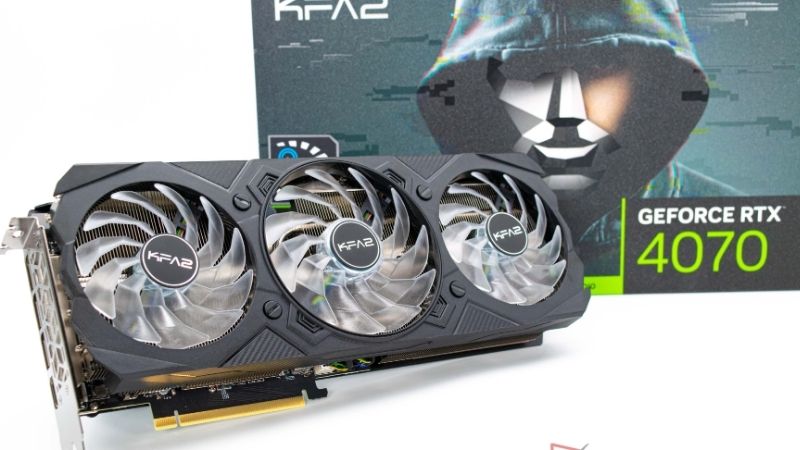
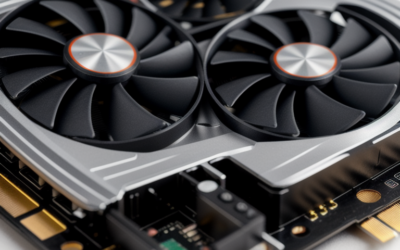
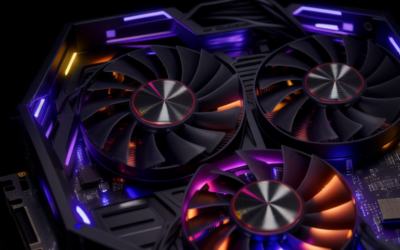
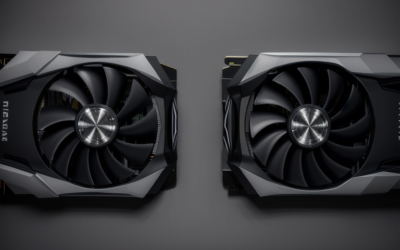
- Cooler: a very large triple-slot design on the Founders Edition, with many partner boards just as bulky
The size of the cooler was one of the card’s defining physical traits. Some partner models are among the largest consumer GPUs ever made, so check case clearance before buying one.
A Memory Design Quirk
The 3090 placed GDDR6X chips on both sides of the circuit board to reach 24 GB. That meant the memory on the back of the board relied on the backplate and airflow for cooling. Over years of heavy loads, especially in mining or rendering rigs, some owners reported high memory temperatures. This is a known characteristic of the design, and it is why condition and cooling history matter on a used example.
The later 3090 Ti moved to a denser memory arrangement with chips on one side, which eased the issue.
What Came Next
The RTX 3090 Ti arrived in spring 2022 with more cores, faster memory, and a much higher power target. It was the last top-tier Ampere card, and it launched shortly before the Ada Lovelace generation began to roll out. The RTX 4090 took over the flagship role in autumn 2022 with a major efficiency and performance jump plus DLSS 3 frame generation. In early 2025 the RTX 5090 continued that line.
None of these successors reduced the value of 24 GB of VRAM. It remains a reason people still hunt for used 3090 cards, particularly for local AI inference and large rendering projects.
Is the RTX 3090 Still Relevant?
Today the 3090 is a used-market option with a specific audience. It still plays modern games at 1440p and 4K with tuned settings, and its 24 GB buffer means it never runs out of memory in ordinary gaming. It supports ray tracing and DLSS upscaling but not frame generation, and it continues to receive current drivers as far as NVIDIA’s published release notes show.
The trade-offs are power draw, heat, and physical size. It needs a strong power supply, good airflow, and a case with room for a long, thick card.
For buyers who want to confirm a card’s identity, the launch history helps. The original 3090 has no Ti in its name, was available from late September 2020, and carries 10,496 CUDA cores. If a listing claims a 3090 Ti but describes a 350-watt board with two 8-pin connectors, or the reverse, something does not match, and the seller should be asked to explain before you pay.
Who Should Buy or Skip It
The local AI or rendering enthusiast
This is the buyer the 3090 serves best today. A large VRAM pool lets you load bigger models and scenes than most newer mid-range cards can, and used pricing can make it attractive compared with new high-memory cards.
The 4K gamer who wants no memory limits
It is capable, but you pay in power and heat for performance that a newer, more efficient card may match. If you find a clear discount, it is still a fine choice, otherwise compare it with current-generation alternatives.
The compact-build or quiet-PC owner
Skip it. The size, the power requirements, and the fan noise under load make it a hard fit for small cases and silent builds.
Used Buying Checklist
- Ask about mining or heavy compute history and request memory temperature readings under load.
- Confirm the exact model name, since 3090 and 3090 Ti are different cards.
- Check that your power supply has enough wattage and the correct connectors.
- Measure your case for length, thickness, and cable clearance.
- Look for a seller with a return policy or an active warranty.
Frequently Asked Questions
When did the RTX 3090 come out?
It was announced on September 1, 2020 and went on sale on September 24, 2020. It followed the RTX 3080 by about a week.
Is the RTX 3090 the same as the RTX 3090 Ti?
No. The Ti, released in spring 2022, has more cores, faster memory, and a much higher power draw. Both have 24 GB of VRAM.
What replaced the RTX 3090?
The RTX 4090 became the flagship in autumn 2022, and the RTX 5090 followed in early 2025. The 3090 Ti was a refresh within the same generation.
Is the RTX 3090 still a good card today?
It is still capable, especially for tasks that need a lot of memory. Gamers should weigh its power draw and the lack of frame generation against newer options.
Related Guides
- Nvidia GeForce RTX 3090 Review Is It Still Worth Buying
- RTX 3090 Ti Review: Is This GPU Still Worth Buying in 2026?
- RTX 3090 24GB Review: Is It Still Worth Buying in 2026?
- RTX 3090 Price in 2026: Is the 24GB Ampere Card Worth It?
Write Your Review
No reviews yet. Be the first to share your experience!