
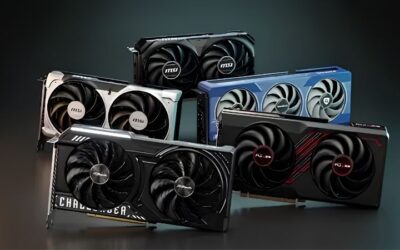
- Top Pick: ASRock Intel Arc B580 Challenger 12GB OC Graphics Card, 2740 MHz GPU Clock, 12GB GDDR6, DisplayPort 2.1, HDMI 2.1a, Dual Fan Cooling, 0dB Silent Operation
- Best Value: ASRock Intel Arc B580 Steel Legend 12GB OC Graphics Card, 2800 MHz GPU Clock, 12GB GDDR6, DisplayPort 2.1, HDMI 2.1a, Triple Fan Cooling, Polychrome SYNC
- Premium Choice: ASRock Intel Arc A580 Challenger 8GB OC Graphics Card, Intel Xe HPG Architecture, 8GB GDDR6, PCIe 4.0, Dual Fans, 0dB Silent Cooling, DisplayPort 2.0
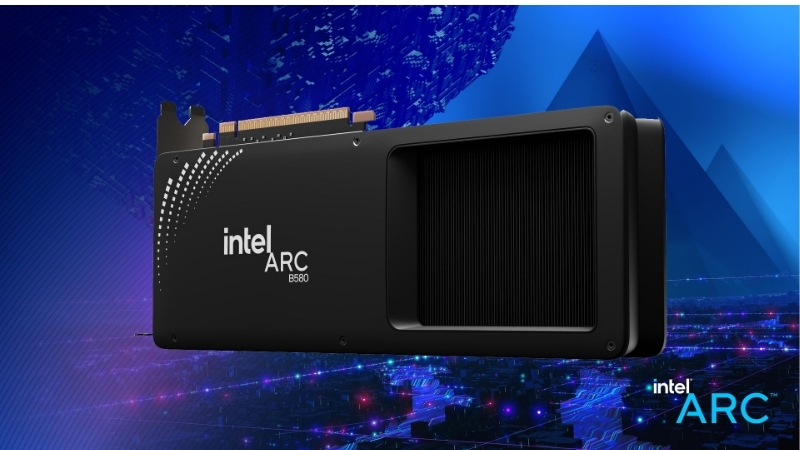
intel arc b580 arrived as the card that finally made Intel a serious contender in the budget graphics market, pairing 12GB of VRAM with an aggressive price that undercuts its rivals. Built on the Battlemage architecture, it targets 1080p and 1440p gamers who want generous memory and modern features without spending a fortune. This review examines what the B580 offers, how it performs in real games, and what owners genuinely praise and criticize, so you can decide whether it deserves the “budget king” reputation it has been earning.
What the Intel Arc B580 Is
The Intel Arc B580 is a budget graphics card built on Intel’s second-generation Battlemage architecture, designed to deliver strong 1080p and capable 1440p gaming at a low price. Its defining traits are a generous memory pool and a competitive feature set that includes Intel’s XeSS upscaler. Understanding its core specifications, what sets it apart from cheaper rivals, and who it is really built for lays the groundwork for judging its value.
As an Amazon Associate we earn from qualifying purchases at no extra cost to you.



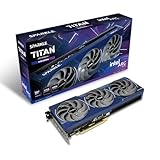


A 12GB Battlemage Budget Card
The headline feature of the B580 is its 12GB of GDDR6 memory on a 192-bit bus, which is unusually generous for a card at its roughly $249 price. That extra memory keeps textures loaded and helps the card avoid the stutter that 8GB budget rivals can hit in modern titles.
Built on Battlemage, the B580 marks a significant maturation for Intel’s graphics effort, delivering solid performance and much-improved efficiency compared with the first Arc generation.
For a buyer, that combination of low price and large memory is the single most compelling reason to consider the B580, especially with an eye toward longevity as games grow more memory-hungry.
The way an 8GB card fails is worth understanding, because it explains why the B580’s buffer matters so much. When a game exceeds a card’s memory, the result is not a gentle slowdown but sudden texture pop-in, frame-time spikes, and stutter that disrupt the experience far more than a slightly lower average frame rate would. The B580’s 12GB removes that whole category of problem, letting you set textures high and simply play, which is a level of confidence budget buyers rarely used to get at this price.
Key Specs and the XeSS Advantage
Beyond its memory, the B580 offers respectable ray-tracing capability for a budget card and support for Intel’s XeSS upscaler, which runs at its highest quality on Arc’s dedicated hardware for a strong frame-rate boost.
The wider 192-bit memory bus gives it more bandwidth than many similarly priced competitors, which helps in memory-intensive scenes and at higher resolutions where bandwidth becomes a limiting factor.
Together, the generous memory, capable ray tracing, and native XeSS support make the B580 a genuinely modern budget package rather than a stripped-down entry card, which is a large part of its appeal.
Who the B580 Is For
The B580 is aimed at budget gamers who play at 1080p and want the option to push into 1440p, as well as first-time builders seeking the most memory and features for their money.
It is a particularly strong fit for buyers who intend to keep their card for several years, since the 12GB buffer provides headroom that cheaper 8GB cards lack as games become more demanding.
The one practical requirement to know is that, like all Arc cards, the B580 needs Resizable BAR enabled to reach full performance, so it suits a reasonably modern platform best.
It also appeals to a specific type of value-minded buyer: someone who wants to future-proof modestly without overspending. The B580 will not compete with far pricier cards, but its memory and feature set mean it should handle games comfortably for years rather than needing replacement at the next VRAM-heavy release. For a buyer who upgrades infrequently and hates overpaying, that longevity-per-dollar is exactly the pitch.
Real-World Performance and User Impressions
Specifications matter less than how the card performs in practice, so a fair review blends measured results with what owners report after living with it. Combining the enthusiastic 4-5 star feedback with the more critical 2-3 star reviews gives a balanced picture of where the B580 delivers and where it still frustrates. Here is the consistent pattern from both the data and the community.
1080p and 1440p Performance
At 1080p, the B580 handles modern games comfortably on high settings, delivering smooth frame rates that satisfy its target audience and clearing high refresh rates in lighter esports titles.
Its 12GB buffer and wide bus let it stretch into 1440p more gracefully than many budget rivals, holding up in demanding scenes where 8GB cards begin to stumble on texture-heavy settings.
The analytical takeaway is that the B580 punches above its price, and its memory advantage becomes increasingly valuable the more demanding the game and the higher the resolution you target.
It is worth pairing the card sensibly to get the most from it. Because the B580 is capable enough to be limited by a weak processor at 1080p, matching it with a competent mid-range CPU ensures the GPU is the star rather than being held back. Do that, and the B580 comfortably drives a 1080p high-refresh monitor or a 1440p display at sensible settings, which is a lot of capability for a card at this price point.
What 4-5 Star Users Praise
Positive owners consistently highlight the value, praising the combination of 12GB of memory and a low price as a genuine breakthrough for budget gaming. Many describe it as the card that made them take Intel seriously.
They also appreciate the ray-tracing capability and native XeSS support, features that budget cards often lack or handle poorly, which lets the B580 run modern titles with modern effects enabled.
The sense that Intel keeps improving the card through driver updates earns goodwill too, with owners noting performance gains over time that make the purchase feel increasingly worthwhile.
Reviewers coming from older cards are often the most enthusiastic, describing the B580 as a large, affordable leap that lets them enable settings and effects they previously had to disable. For a gamer upgrading from an aging budget GPU, the jump in both raw performance and memory can feel transformative, which is a recurring theme in the most positive reviews and a big part of why word of mouth around the card has been so strong.
Common Complaints from 2-3 Star Reviews
The most common criticism concerns the Resizable BAR requirement, which can catch out buyers on older platforms whose systems do not support it well, leaving the card underperforming until it is enabled.
A second theme is power draw, since the B580 pulls more than some equivalent competitors, requiring a bit more PSU headroom that budget builders should account for.
A minority also mention lingering caution about Intel’s drivers, and occasional issues in specific older games, though the situation is far better than Arc’s early reputation suggests and continues to improve.
It is worth reading these complaints in proportion. None of them dispute the B580’s core value; they are about setup requirements and the tail end of game compatibility rather than the card’s fundamental capability. For a buyer on a modern platform who plays mostly current, popular titles, most of these concerns simply do not apply in day-to-day use.
Value, Comparison, and Buying Advice
A budget card lives or dies on value, so it must be judged against its direct rivals and the current market. This section compares the B580 with the competition, lays out the pros and cons, and sets the decision against 2026’s GPU pricing, so you can time your purchase well in a market that has been anything but predictable.
B580 vs the Budget Competition
Against similarly priced rivals from AMD and Nvidia, the B580’s trump cards are its memory and price, offering 12GB where many competitors provide only 8GB at the same or higher cost.
The competition counters with more mature drivers and, in Nvidia’s case, broader DLSS support and lower power draw, which remain genuine advantages for buyers who value them.
The practical verdict is that the B580 wins decisively on raw value and longevity for 1440p, while rivals appeal to those prioritizing driver maturity or ecosystem, making the choice a matter of what you weigh most.
For most budget buyers, that trade increasingly favors the B580. The driver gap that once made Intel a risky choice has narrowed dramatically through updates, so the practical downside of choosing Intel is smaller than it used to be, while the memory and price advantages are concrete and immediate. Unless you specifically need a feature only a rival offers, the B580’s value is hard to argue against at its price.
Pros and Cons of the Arc B580
Here is the balanced summary drawn from the evidence and owner feedback.
Pros: excellent value, 12GB of VRAM, capable ray tracing for the class, native XeSS support, and strong 1440p longevity. Cons: requires Resizable BAR, draws more power than some rivals, and Intel’s drivers, though much improved, remain younger than the competition’s.
Because the B580’s appeal is so tied to its value, if it fits your needs, checking current pricing through the link on this page is the logical next step before stock or prices shift.
Is the B580 Worth Buying in 2026?
The B580’s value proposition intersects with 2026’s market conditions. After the steep price climb at the close of 2025, graphics-card pricing has eased into a calmer stretch, but calm here means flat rather than falling, and the market remains somewhat volatile.
New memory supply is on the way, with OEMs able to source DDR5 from makers such as CXMT and Micron building two plants in Idaho, yet that capacity will not be online until 2027–2028, so meaningful price relief is still years off.
For a budget buyer, waiting through 2026 for a dramatic drop is therefore a weak strategy. If the B580 fits your budget and resolution today, check its current price through the link on this page and secure it while the market holds steady.
See More:
Conclusion
The verdict on the intel arc b580 is that it has genuinely earned its budget-king reputation, pairing 12GB of VRAM, capable ray tracing, and native XeSS with a price that undercuts the competition, making it a standout choice for 1080p and 1440p gamers who value memory and longevity. Its main caveats are the Resizable BAR requirement and Intel’s still-maturing drivers, both manageable on a modern platform. For value-focused buyers, it is one of the most compelling budget cards available — and with prices only holding steady rather than dropping, there is little reason to wait. Use the link above to compare live pricing on the Arc B580 and secure yours today.
Top-Rated Picks


Editor's Pick
GIGABYTE GeForce RTX 3060 Gaming OC 12G (REV2.0) Graphics Card, 3X WINDFORCE Fans, 12GB 192-bit GDDR6, GV-N3060 Video Card


| Product | Brand | Rating | Reviews | Price |
|---|---|---|---|---|
| MSI GeForce RTX 3060 Ventus 2X 12G OC, Gaming Graphic… | — | ★ 4.7 | 4.5k | $635.00 |
| GIGABYTE GeForce RTX 3060 Gaming OC 12G (REV2.0) Grap… | — | ★ 4.7 | 3.2k | $479.00 |
| EVGA GeForce GTX 1060 3GB GAMING, ACX 2.0 (Single Fan… | EVGA | ★ 4.6 | 3.4k | $247.79 |
| MSI Gaming GeForce GTX 1660 Super 192-bit HDMI/DP 6GB… | — | ★ 4.7 | 2.2k | $232.60 |
| MSI GeForce RTX 4060 Ti Ventus 3X 8G OC (8GB GDDR6/PC… | — | ★ 4.7 | 1.3k | $998.00 |
Frequently Asked Questions
Why does the B580 ship with 12GB when rivals have 8GB?
Intel used a 192-bit memory bus, which naturally supports 12GB of GDDR6 at around 456GB/s. That extra capacity is the card key advantage: at 1440p with high textures and ray tracing, 8GB cards like the RTX 4060 hit the buffer ceiling and stutter, while the B580 keeps delivering smooth frame times.
What PSU do I need for the Arc B580?
Total board power is 190W and the Limited Edition uses a single 8-pin PCIe connector. Intel recommends 600W, though a good 550W unit is fine with a mainstream CPU. There is no 12VHPWR adapter involved, so you avoid the cable seating concerns that come with newer Nvidia high-end cards.
Is the B580 a 1080p or a 1440p card?
It is a strong 1080p card that stretches to 1440p in most titles. At 1440p high settings it typically sits near the RTX 4060 Ti in modern engines and pulls ahead when VRAM matters. Add XeSS 2 quality upscaling and 1440p60 is comfortable in nearly everything outside path traced showcase titles.
Does the CPU overhead issue affect the B580?
Yes. Independent testing showed the B580 losing a large chunk of its lead when paired with older processors such as the Ryzen 5 3600, because Intel drivers do more work on the CPU. On a Ryzen 5 7600 or Core i5-13400 the card performs as reviewed. Budget accordingly.
How reliable are the drivers now?
Much better than the Alchemist launch. Intel ships regular Game On drivers for major releases, DirectX 11 performance has been substantially rewritten, and DirectX 9 runs through a translation layer. You will still occasionally meet a small release with a day-one bug, so keep the driver current and expect faster fixes than in 2023.



Write Your Review
No reviews yet. Be the first to share your experience!