
The price of an RTX 3050 depends mostly on which version you are looking at, whether it is new, used or refurbished, and how much older-generation stock is left in the channel. Because there are 8GB and 6GB models with different hardware underneath, two cards with the same name can sit in quite different price tiers, and the cheaper one is not always the better deal.
This guide explains what moves RTX 3050 pricing, how to judge whether a listing is fair without relying on a specific number, and what to check to avoid scams and bad used cards. No figures are quoted here because prices shift constantly by region and retailer. The goal is to give you a method that still works when you open a store page or a marketplace listing as of late 2026.
Know Which RTX 3050 You Are Pricing
The RTX 3050 family is not a single product. The original version launched in early 2022 with 8GB of GDDR6 on a 128-bit bus and a board power around 130 watts. A later 6GB version arrived in 2024 with a smaller chip, a narrower memory bus and a much lower power rating, and many of those cards need no extra power connector at all. NVIDIA’s specification page lists the details for each.
The 6GB card is often cheaper, but it has fewer CUDA cores and less memory bandwidth, so it is slower. A listing that just says “RTX 3050” without a memory size can hide this difference. If you see two prices for apparently the same card, compare memory size first. A lower price on the 6GB version may simply reflect lower performance.
| Factor | 8GB model | 6GB model |
|---|---|---|
| Launch period | Early 2022 | 2024 |
| Memory bus | 128-bit | 96-bit |
| Typical power approach | Needs an 8-pin connector on many models | Often powered by the slot alone |
| Best use | 1080p gaming with medium to high settings | Low-power builds and esports |
| Price position | Higher within the family | Lower within the family |
What Drives the Price Up or Down
Launch Positioning
The RTX 3050 was designed as an entry-level RTX card, so its price has always been tied to the cards around it. Newer entry-level cards, such as the RTX 5050, put pressure on older stock, while the lack of another budget RTX option sometimes keeps the 3050 from falling as far as buyers expect.
Supply and Generation Age
New old-stock cards eventually sell out, and when a retailer’s remaining stock thins, the price can stop dropping or even rise. The reverse happens when a new generation lands and retailers clear inventory. Watching a few stores over several weeks tells you more than a single snapshot.
VRAM and Features
Memory size has become a bigger price factor as games demand more of it. A card with 8GB will usually hold its value better than a 6GB card. Support for DLSS upscaling also gives the card some value over non-RTX alternatives at similar prices.
Brand, Cooler and Form Factor
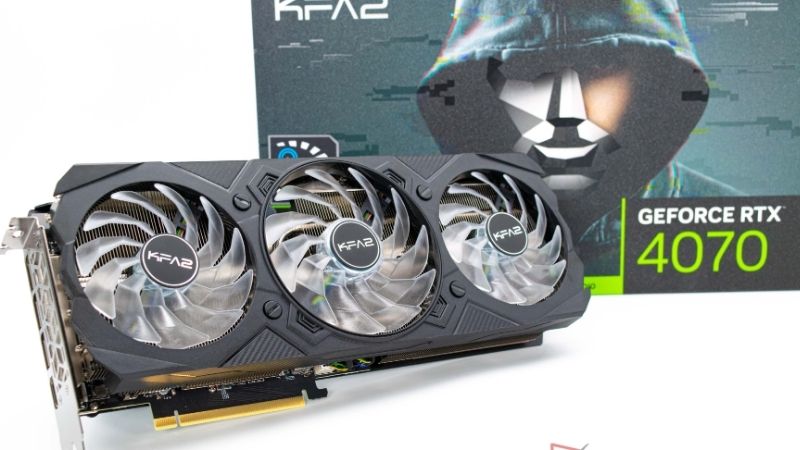
Partner cards differ in cooler size, fan count and factory clocks. Compact single-fan or low-profile models cost more per unit of performance because they serve small cases. A basic dual-fan model is usually the baseline price, and a premium cooler adds a small premium that may not buy any real speed.
New, Used or Refurbished: Pros and Cons
- New: full warranty, clean history, current stock, the highest price within the family.
- Used: lowest cost, but no guarantee of condition or warranty, and a real risk of mining use or heat damage.
- Refurbished: a middle path when it comes from a reputable seller with a stated warranty, but check who did the refurbishing.
An RTX 3050 does not draw much power, so a used one is less likely to have been pushed hard than a high-end mining card. Even so, inspect it carefully. Fans wear, thermal paste dries, and some cards are sold with the wrong cooler or a swapped BIOS.
How to Judge a Deal Without a Price Number
- Compare the same memory size across at least three sellers.
- Compare against a cheaper tier in the same generation and a stronger tier one step up. If the gap to the stronger card is small, the 3050 is probably not a deal.
- Check what the listing includes: original box, accessories, warranty length and return policy.
- Look at the seller’s history, location and return terms for used items.
- Compare to current entry-level alternatives, including newer cards that may offer better efficiency or features at a similar level.
- Consider total system cost: if your PSU lacks an 8-pin connector, a low-power 6GB version may save you an upgrade.
A good deal is one where you pay a clear discount compared with a comparable new card, you get a return window, and the card fits your system without extra purchases.
Scam and Used-Card Red Flags
Used GPU listings attract fraud, and the RTX 3050 is no exception. Be cautious if you see any of these.
- A price far below every other listing for the same model.
- Stock photos instead of pictures of the actual card.
- A seller who will not provide a photo with a handwritten note or a short video of the card running.
- Requests to pay outside the platform or by methods without buyer protection.
- Listings that label a 6GB card as an 8GB card, or mislabel a laptop GPU as a desktop one.
- Cards with missing screws, damaged PCIe connectors or signs of liquid damage.
Whenever possible, use a platform with buyer protection and keep all communication on the platform. When the card arrives, install it right away and run a stability check to catch faults inside the return window.
Timing, Region and Bundle Effects
Where and when you shop changes what you see. Regional taxes, import costs and local retailer margins mean the same card can sit in noticeably different tiers from one country to another. Seasonal sales, clearance periods and the arrival of a new generation also shift prices. A card that looks expensive one month may look reasonable after a new entry-level model pushes older stock down.
Bundles can blur the picture. A card sold together with a game code, a cable kit or a prebuilt system may look cheaper than it is, since the extras might not be worth anything to you. Compare the card alone against comparable listings, and treat bundle extras as a bonus only if you would use them. When a prebuilt PC includes a 3050, check which memory version it contains, since system listings often leave that detail out.
Who Should Buy or Skip It
The Small-Form-Factor Builder
If your case is tight or your PSU is a basic unit, a low-power 3050 model is a practical fit. Confirm the connector and cooler size before ordering.
The Casual 1080p Gamer
If you play esports and older games at 1080p and want to keep spending low, an 8GB card at a fair price can do the job. Compare with other entry-level options first.
The Buyer Who Wants Longevity
If you want a card to last many years of new releases, skip it. Look at higher tiers with more memory, even if the initial cost is higher.
Pre-Purchase Checklist
- Confirm 8GB or 6GB and match it to your needs.
- Check the power connector requirement against your PSU.
- Measure the card length and slot width against your case.
- Read the warranty and return terms.
- Compare against nearby tiers and newer entry-level cards.
- Verify the seller’s reputation and payment protection.
Frequently Asked Questions
Why is the RTX 3050 price so different between listings?
Differences come from 8GB versus 6GB versions, new versus used condition, cooler design and seller. Always compare the same memory size first.
Is a cheaper 6GB RTX 3050 a good deal?
It can be if you need low power draw and only play lighter games. It is slower than the 8GB card, so the lower price reflects real differences.
Is it safe to buy a used RTX 3050?
It can be safe when you use a platform with buyer protection and inspect the card promptly. Avoid sellers who refuse to show the real card.
Should I wait for prices to drop?
Prices tend to follow stock levels and new releases. Watch several retailers for a few weeks, and buy when a deal clearly beats nearby tiers.
Related Guides
- NVIDIA GeForce RTX 3050 Review: Is It Still Worth Buying Now?
- NVIDIA RTX 3050 Review: Is It Still Worth Buying in 2026?
- RTX 5050 vs 3050: Is the Upgrade Worth It in 2026?
- RTX 3050 Drivers 2026: Best Setup, Fixes and Performance
Write Your Review
No reviews yet. Be the first to share your experience!