
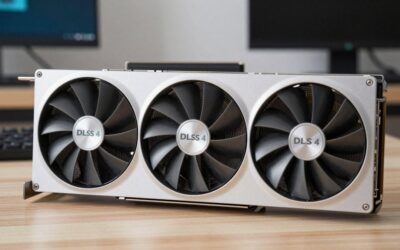
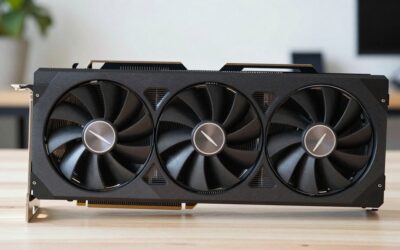
- Top Pick: ZER-LON GeForce GTX 1660 Super 6GB Graphics Cards, GDRR6 192Bit PCIE 3.0X16 Computer Gaming Gpu, Dual Freeze Fans Video Card with HDMI/DP/DVI Ports Support 4K and 8K HD
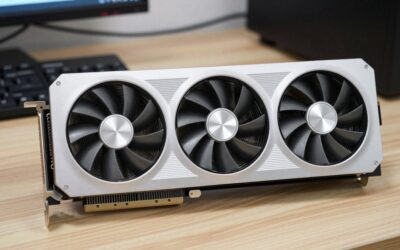
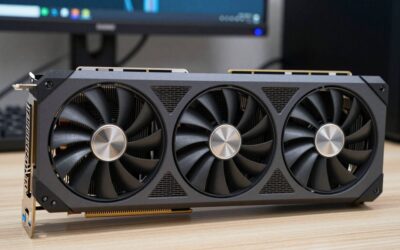
- Best Value: ZOTAC Gaming GeForce GTX 1660 Ti 6GB GDDR6 192-bit Gaming Graphics Card Super Compact – ZT-T16610F-10L
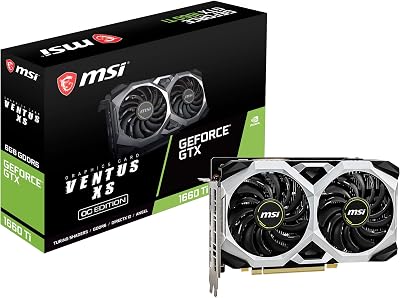
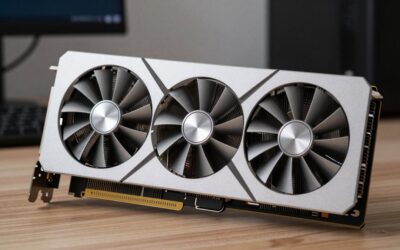
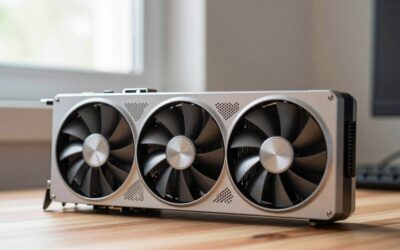
- Premium Choice: msi Gaming GeForce GTX 1660 Ti 192-bit HDMI/DP 6GB GDRR6 HDCP Support DirectX 12 Dual Fan VR Ready OC Graphics Card (GTX 1660 TI Ventus XS 6G OC)


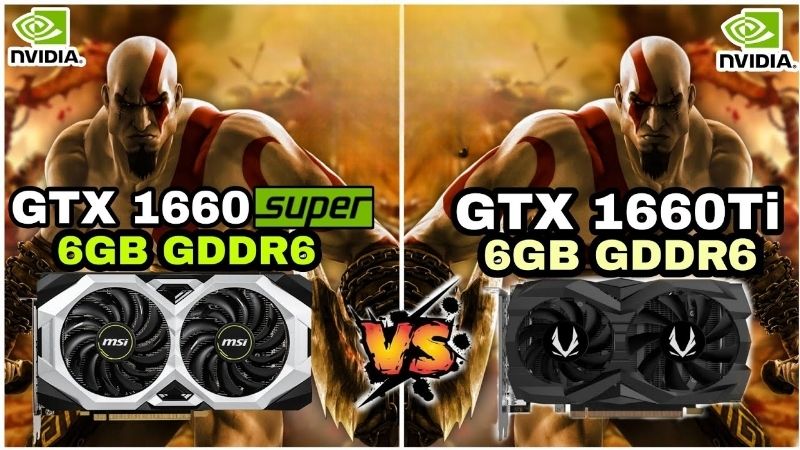
GTX 1660 Super vs GTX 1660 Ti is one of the closest budget GPU matchups you will ever compare, and in 2026 it usually comes down to price rather than raw power. Both are capable 1080p cards on the used market, separated by a difference so small most players never feel it. This comparison lays out the specs, explains the memory-versus-cores trade-off, looks at real performance and used prices, and gives a clear verdict on which cheap Turing card is the smarter buy.
As an Amazon Associate we earn from qualifying purchases at no extra cost to you.



The Quick Verdict: 1660 Super vs 1660 Ti
For readers who want the answer first, these two cards perform almost identically, so the GTX 1660 Super is usually the better buy simply because it typically costs less. The GTX 1660 Ti holds a razor-thin performance edge that rarely justifies a higher price.
If You Want the Best Value
The GTX 1660 Super is the value champion of this pairing. It delivers performance within a few percent of the 1660 Ti while usually selling for less on the used market.
For budget builders, that makes the Super the sensible default. You get essentially the same gaming experience for less money, which is exactly the kind of trade value buyers should take.
Because these cards are so close, the value argument is unusually clean here. You are not trading away meaningful performance for the lower price, which makes the Super an easy recommendation whenever it is the cheaper of the two.
If You Want a Bit More Performance
The GTX 1660 Ti is the marginally faster card thanks to its extra shader cores. In some titles it edges ahead by a small margin that benchmarks can measure but eyes rarely notice.
If you find a 1660 Ti at the same price as a Super, taking the slightly faster card makes sense. But paying a meaningful premium for that tiny gap is hard to justify for most players.
The Ti made more sense at launch when it sat a tier above, but on today’s used market the two have effectively converged. That convergence is why the decision now rests almost entirely on which listing is cheaper.
The Short Answer for Budget Buyers
Buy whichever card is cheaper, because the performance difference is too small to matter for most gamers. In practice that usually means the 1660 Super, though prices on the used market shift.
The sections below explain why these two are so close, so you can shop on price with confidence rather than overthinking a difference you will not feel in games.
Think of them as two nearly identical cards wearing different badges. Once you accept that, shopping becomes refreshingly simple: find the lower price, check the seller, and buy with confidence that you are not missing out on real performance.
For most budget builders, that certainty is worth as much as the savings, since it means you can stop researching and simply buy the cheaper card without second-guessing the decision.
GTX 1660 Super vs 1660 Ti Spec Comparison
Specs frame this unusually close debate, so here are the core numbers side by side. Both cards share the same Turing generation and 6 GB of GDDR6, and the interesting twist is that each has a different strength, one in cores and one in memory speed, which is why they end up so evenly matched.
| Specification | GTX 1660 Super | GTX 1660 Ti |
|---|---|---|
| Architecture | Turing | Turing |
| CUDA cores | 1408 | 1536 |
| VRAM | 6 GB GDDR6 | 6 GB GDDR6 |
| Memory speed | Faster (higher bandwidth) | Slower |
| Ray tracing | No | No |
| Typical board power | ~125 W | ~120 W |
| Relative performance | Near-identical | Near-identical, slight edge |
| Best target | 1080p value | 1080p value |
Reading the Spec Table
The fascinating part is how the two cards balance out. The 1660 Ti has more CUDA cores, which usually means more raw power, but the 1660 Super pairs fewer cores with faster memory that delivers higher bandwidth.
These two advantages roughly cancel each other out. The Ti’s extra cores give it a slight edge in some scenarios, while the Super’s faster memory helps in others, leaving overall performance nearly identical.
It is a neat illustration of how GPU performance is never about a single number. Cores and memory bandwidth both feed the result, and a card can trade one for the other and still land in essentially the same place.
Memory: GDDR6 Speeds Compared
Both cards carry 6 GB of GDDR6, so capacity is identical, but the Super uses faster memory that provides noticeably higher bandwidth. That speed is the Super’s main technical advantage.
Higher bandwidth helps feed the GPU more quickly, offsetting the Super’s smaller core count. It is the reason a card with fewer shaders can keep pace with, and sometimes match, one that has more.
For a budget buyer, the takeaway is reassuring: you do not need to memorize the trade-off to make a good choice. Because it evens out in real games, you can safely ignore the cores-versus-bandwidth debate and focus on price.
Power and Efficiency
Power draw is nearly identical, with both cards sipping around 120 to 125 W. Neither will strain a modest power supply, and both run cool and quiet in typical builds.
This shared efficiency means neither card has a meaningful advantage in heat, noise, or power requirements. For a small or budget build, either fits comfortably without special consideration.
This shared modesty is part of what makes both cards appealing for compact or budget systems. A basic power supply and a small case handle either without fuss, keeping the whole build simple and affordable.
Deep Dive Face-Off: Performance and Features
Because the specs are so evenly matched, the real question is whether that translates into any felt difference in games. Looking at actual performance and the practical experience settles just how close these two truly are for a budget gamer.
1080p Gaming Performance
Both cards are 1080p specialists, and both handle the resolution well across a wide range of titles. In most games they deliver frame rates within a few percent of each other, a gap that falls within normal run-to-run variation.
The 1660 Ti’s extra cores give it a tiny lead in certain titles, while the Super’s faster memory closes or reverses that gap in others. The net result is two cards that trade blows and finish in a virtual tie.
For competitive and everyday gaming at 1080p, either card delivers a smooth experience, and no player would identify which one they were using from performance alone.
This near-parity is unusual and genuinely useful for buyers, because it removes performance from the equation entirely. With that variable off the table, you are free to choose on the factors that actually differ, chiefly price and the specific card’s condition.
The Small Real-World Gap
The difference these cards show in benchmarks is real but tiny, typically a low single-digit percentage. In actual gameplay, that translates to a frame or two here and there, which is imperceptible in practice.
This is why the comparison ultimately hinges on price rather than performance. When two cards are this close, spending extra for the marginally faster one delivers no meaningful benefit you will notice.
The practical lesson is to treat them as effectively equal performers and let the price tag break the tie, since that is the only factor that will actually affect your experience.
It is a rare case where the smart-shopper advice is almost boringly simple. There is no hidden catch, no scenario where the pricier card suddenly pulls ahead in a way you would notice, so the cheaper listing is reliably the right answer.
Pros and Cons of Each Card
The GTX 1660 Super’s strengths are its typically lower price, faster memory, and excellent 1080p value. Its only real con is slightly fewer cores, which the fast memory more than compensates for in practice.
The GTX 1660 Ti’s pros are a marginally higher core count and a tiny performance edge in some titles. Its con is that it often costs more for a difference you will not feel, and like the Super, it lacks ray tracing and shares the 6 GB ceiling that newer games are beginning to test. Value goes to the Super; the Ti only wins when the prices are equal.
Framed plainly, there is no bad choice here, only a smarter-priced one. Whichever card carries the lower sticker at the moment you shop is the one to take, since the gameplay experience will be indistinguishable either way.
Value, Alternatives, and Buying in 2026
Both of these are older cards, so buying smart in 2026 means understanding the used market and knowing when a newer card is the better call. The wider GPU pricing picture shapes that decision, so it is worth a quick look before you commit.
Used Market Prices Today
Since both cards are discontinued, you will find them used, where prices for the two are usually very close. The Super often edges out the Ti as the better value, but listings vary, so compare current prices rather than assuming.
When buying used, favor a card from a reputable seller with clear photos and some return protection. A well-kept 1660 Super or Ti can serve reliably for years, while a cheap card from a poor listing is a false economy.
It is also worth a quick check that the card was not run hard for years, since worn fans or dried thermal paste can shorten its remaining life. A glance at the seller’s history and the card’s photos protects a budget purchase.
The Alternative: A Modern Budget Card
Before committing to either older card, weigh a newer budget GPU. A current-generation entry card brings more VRAM, better efficiency, and modern features like upscaling, which matter as games grow more demanding.
The wider market makes this worth considering. GPU prices have stabilized after the steep climb of late 2025, but they have paused rather than fallen, and real supply relief from new fabs is not expected until roughly 2027 to 2028. A newer budget card holds its value well and may be the smarter long-term buy, so compare the recommended modern budget GPUs linked here against used prices before deciding.
Which Should You Buy?
Between these two, buy whichever is cheaper, which usually means the GTX 1660 Super. The performance gap is too small to pay extra for, so let price be your guide.
That said, if a modern budget card sits close in price, its extra VRAM and features often make it the wiser long-term choice. Compare all three options through the links in this guide to see which lands best in your budget right now.
Whatever you pick, buy from a source you trust and confirm the condition if it is used. At this price level, a careful purchase is what turns a small spend into years of dependable 1080p gaming rather than a short-lived gamble.
See More:
Final Verdict: GTX 1660 Super vs GTX 1660 Ti
The GTX 1660 Super vs GTX 1660 Ti decision is refreshingly simple: they perform almost identically, so buy whichever is cheaper, and that is usually the Super. The 1660 Ti’s tiny performance edge rarely justifies a higher price, and neither card offers ray tracing or more than the shared 6 GB of memory.
Keep the bigger picture in mind too: with both sharing a 6 GB ceiling that the newest games are starting to test, and prices stable rather than falling, a modern budget card can be the smarter long-term investment. Compare the GTX 1660 Super, the GTX 1660 Ti, and a current budget alternative through the links in this comparison to lock in the best value for your needs.
Frequently Asked Questions
What is the actual difference between them?
Both use the TU116 chip with 1536 CUDA cores, so the shader count is identical. The Super pairs it with 14Gbps GDDR6 for around 336GB/s of bandwidth, while the Ti uses 12Gbps GDDR6 for roughly 288GB/s. The Ti has slightly higher clocks; the Super has the bandwidth advantage.
Which one is faster in games?
They land within a few percent of each other, with the Super generally ahead in bandwidth-sensitive titles at 1080p and the Ti occasionally edging out in shader-bound scenes. In practice the difference is small enough that price should decide, not benchmarks.
Is 6GB of VRAM still enough?
At 1080p with medium to high settings, yes for most titles, but several recent releases exceed 6GB with high texture packs and start stuttering. Dropping textures one notch usually resolves it. For 1440p or any modern AAA game at high settings, 6GB is now the limiting factor.
Do they support ray tracing or DLSS?
Neither has RT cores or Tensor cores, so hardware ray tracing and DLSS are unavailable despite both being Turing chips. You can use FSR or XeSS in compatibility mode for upscaling. They do include the modern Turing NVENC encoder, which is genuinely good for streaming.
What power supply do they need?
Both draw around 120 to 125W through a single 8-pin PCIe connector, so a quality 450W to 500W supply is ample. That low draw makes either card a straightforward drop-in upgrade for older prebuilt systems that lack the headroom for something like an RTX 5060 Ti.
Ready to decide? Our #1 pick for 2026 is the Architecture.
Live price & availability on Amazon.

Write Your Review
No reviews yet. Be the first to share your experience!