
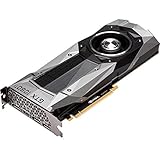
- Top Pick: ASUS GeForce GTX 1080 TI 11GB Turbo Edition VR Ready 5K HD Gaming HDMI DisplayPort PC GDDR5X Graphics Card TURBO-GTX1080TI-11G (Renewed)
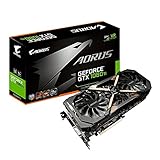
- Best Value: EVGA GeForce GTX 1080 Ti FTW3 Gaming, 11GB GDDR5X, iCX Technology – 9 Thermal Sensors & RGB LED G/P/M, 3X Async Fan Control, Optimized Airflow Design Graphics Card 11G-P4-6696-KR (Renewed)
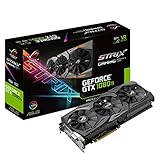
- Premium Choice: EVGA GeForce GTX 1080 Ti SC Black Edition Gaming, 11GB GDDR5X, iCX Cooler & LED, Optimized Airflow Design, Interlaced Pin Fin Graphics Card 11G-P4-6393-KR (Renewed)


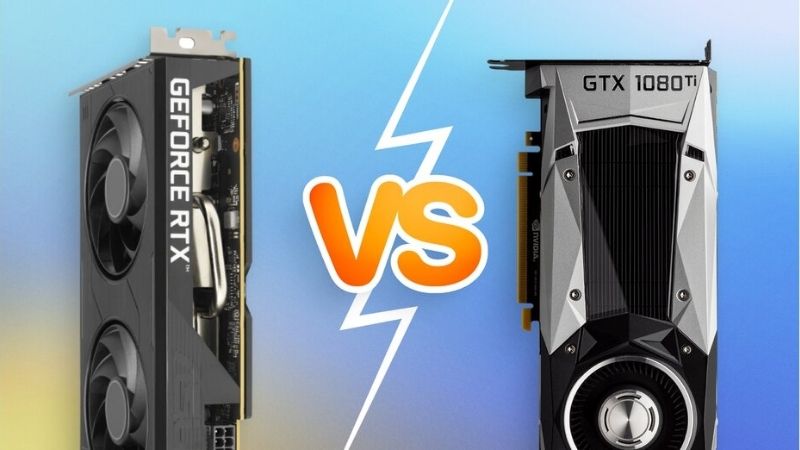
RTX 5050 vs GTX 1080 Ti is a fascinating matchup that pits a brand-new budget card against a legendary old flagship, and the answer is not as obvious as their price tags suggest. The GTX 1080 Ti was a monster in its day and still has real raw power, while the RTX 5050 brings modern features and efficiency to the entry level. This comparison breaks down how they stack up on performance, features, memory, and value in today’s shifting GPU market, so you can decide which one actually makes sense for your gaming needs.
Quick Verdict and Overview
Before the detailed breakdown, here is the short version for those who want an answer fast, along with a snapshot of each card. Understanding what each one represents makes the head-to-head that follows much easier to interpret.
As an Amazon Associate we earn from qualifying purchases at no extra cost to you.


The Short Answer
For most people buying today, the RTX 5050 is the smarter choice, thanks to its modern features, strong efficiency, and access to the latest upscaling and frame generation technology, which lets it perform beyond its raw specifications in supported games. It also enjoys current driver support and modern conveniences the older card lacks.
The GTX 1080 Ti, however, remains genuinely impressive for its age, offering strong raw rasterization performance and a large memory buffer that can still handle many games well. If you already own one, it is far from obsolete, but as a new purchase in today’s market, the RTX 5050 is the more sensible and future-proof pick for the majority of gamers.
The reason the answer favors the newer card is not that the old flagship is weak, but that gaming has changed. Modern titles increasingly lean on features like upscaling, frame generation, and ray tracing that the GTX 1080 Ti cannot access at all, so even where its raw power holds up, it misses out on the technologies that now shape how games look and perform. That gap only widens as more games adopt these features.
RTX 5050 at a Glance
The RTX 5050 is a modern entry-level card built on NVIDIA’s latest architecture, designed for efficient 1080p gaming. Its headline strengths are modern features, including the newest upscaling and frame generation technology, ray tracing support, efficient power use, and up-to-date encoding and driver support.
While its raw specifications are modest as befits a budget card, those modern features let it deliver a strong experience in supported games that its numbers alone would not suggest. It is aimed squarely at gamers who want an affordable, current, and efficient card for mainstream gaming.
Its efficiency deserves particular mention, since it sips power compared with the older flagship, running cooler and quieter and fitting easily into modest systems without a demanding power supply. For anyone building or upgrading a compact or budget-conscious PC, that low power draw is a practical advantage that goes beyond raw frame rates and makes the card easy to live with day to day.
GTX 1080 Ti at a Glance
The GTX 1080 Ti was NVIDIA’s flagship several generations ago, a powerhouse that dominated its era with strong performance and a generous memory buffer. Even today, its raw rasterization performance remains respectable, and its large memory capacity is notable for its class.
However, it lacks modern features entirely, with no ray tracing, no access to the latest upscaling and frame generation technology, older encoding, and an aging architecture whose driver support is winding down. It is a strong raw performer held back by the absence of the modern capabilities that increasingly define the gaming experience.
It is also worth remembering that, as a used-only card now, every GTX 1080 Ti on the market is years old, meaning it may have seen heavy use and carries no warranty. Its high power draw also makes it run hotter and demand a stronger power supply than the modern card, adding running costs and system requirements that a new efficient card avoids, which factors into any honest assessment of what the old flagship really offers today.
Specifications Compared
The table below summarizes how the two cards line up at a glance before the detailed face-off.
| Feature | RTX 5050 | GTX 1080 Ti |
|---|---|---|
| Generation | Latest architecture | Older flagship (Pascal) |
| Ray tracing | Yes | No |
| Latest upscaling and frame gen | Yes | No |
| Memory | Modern, smaller buffer | Large, older buffer |
| Power efficiency | Excellent | Power-hungry |
| Driver support | Current | Winding down |
| Availability | New | Used only |
The pattern is clear: the 1080 Ti leads on raw memory and raster heritage, while the 5050 wins on features, efficiency, and support.
RTX 5050 vs GTX 1080 Ti Face-Off
With the overview set, this is where the two cards go head to head across the criteria that matter most. Each round names a winner so you can see exactly where each card pulls ahead.
Raw Performance and Memory
In pure rasterization, the GTX 1080 Ti’s flagship heritage shows, as it can still match or even exceed the entry-level RTX 5050 in some traditional workloads, and its larger memory buffer helps in memory-heavy games and higher-resolution textures. For raw, feature-free performance, the old flagship remains genuinely strong.
The RTX 5050, however, closes and often overturns that gap once its modern upscaling and frame generation technology is enabled, boosting frame rates well beyond what its raw specifications suggest in supported titles. Its newer architecture is also more efficient at the work it does.
In practice, this means the outcome of this round depends heavily on the specific game. In an older or unoptimized title with no upscaling support, the 1080 Ti’s raw muscle and memory can shine, while in a modern game that supports the RTX 5050’s features, the newer card can pull comfortably ahead despite its humbler specifications. The trend, however, clearly favors the modern card as more games adopt these technologies.
Winner: GTX 1080 Ti for pure raw rasterization and memory capacity, though the RTX 5050 narrows or reverses this in the many modern games that support its upscaling features.
Features: Ray Tracing, DLSS, and Efficiency
This is where the two cards diverge dramatically. The RTX 5050 supports ray tracing, the latest upscaling and frame generation technology, modern encoding, and current features, all of which meaningfully enhance the gaming experience in supported titles and are increasingly standard expectations.
The GTX 1080 Ti has none of these, lacking ray tracing and the modern upscaling that has become central to how newer cards deliver performance and image quality. It also draws far more power for its performance, making it much less efficient than the modern card.
The gap here is not a minor one but a generational leap, since these features are not mere extras but increasingly the foundation of how modern cards deliver performance and image quality. A card without them is effectively locked out of a growing share of the experience newer games are built around, which is why this category weighs so heavily in favor of the RTX 5050 despite its modest raw numbers.
Winner: RTX 5050 decisively, since its modern feature set, efficiency, and access to the latest technologies represent a generational advantage the old flagship simply cannot match.
Value and the Current GPU Market
Value is where today’s market context becomes crucial. The RTX 5050 is available new, while the GTX 1080 Ti can only be found used, and pricing on both is shaped by broader market conditions that have been unusually turbulent lately.
Component prices, and memory in particular, have been trending upward, which puts pressure on the cost of new graphics cards and their overall value proposition. While prices have shown signs of relative stabilization after steep climbs, the situation remains volatile, so confirming current pricing rather than assuming figures will fall is essential before buying either option.
Relief on the supply side is coming but slowly, with additional memory suppliers and new fabrication plants not expected to be running until roughly 2027 to 2028, meaning dramatic price drops are unlikely in the near term. For the used GTX 1080 Ti, its value depends heavily on finding a good deal on a card that has no warranty and unknown history, while the new RTX 5050 offers current support and a warranty at its retail price.
Winner: RTX 5050 on overall value for a new purchase, since it combines modern support, a warranty, and efficiency, though a very cheap used 1080 Ti can appeal to bargain hunters willing to accept the risks.
Making Your Choice
With the face-off complete, a clear picture emerges, but a third option and a summary of trade-offs help you finalize your decision based on your specific needs and budget.
The Alternative: RTX 5060
If neither card feels quite right, the RTX 5060 is a compelling middle path worth considering. It offers more raw performance than the RTX 5050 while keeping all the modern features, efficiency, and current support, bridging the gap between entry-level and mainstream gaming.
For those who find the RTX 5050 a little modest but want the modern capabilities the GTX 1080 Ti lacks, stepping up to the RTX 5060 delivers a stronger, more future-proof experience for a reasonable increase in cost. It is often the sweet spot for buyers who want lasting performance with all the current technologies.
Of course, the RTX 5060 costs more than the RTX 5050, so it only makes sense if your budget allows and you want the extra headroom for higher settings or more demanding games. For buyers stretching to get the most longevity from their purchase, though, that modest step up often pays off, delivering noticeably stronger performance while retaining every modern feature, which can make it the more satisfying long-term choice of the three.
Pros and Cons at a Glance
The table below distills the key trade-offs of each card to help you weigh them quickly.
| Card | Pros | Cons |
|---|---|---|
| RTX 5050 | Modern features, efficient, current support, new with warranty | Modest raw specs, smaller memory buffer |
| GTX 1080 Ti | Strong raw raster, large memory, potential bargain used | No modern features, power-hungry, aging support, used-only risks |
In short, the RTX 5050 suits buyers wanting a modern, supported card, while the GTX 1080 Ti appeals mainly to those chasing raw raster value on the used market.
Frequently Asked Questions
These quick answers resolve the questions that most often come up in the RTX 5050 vs GTX 1080 Ti debate.
Is the GTX 1080 Ti still good in 2026? For raw performance it holds up well, but it lacks modern features like ray tracing and the latest upscaling, and its driver support is winding down.
Which should I buy new? The RTX 5050, since the 1080 Ti is only available used, and the newer card brings modern features, efficiency, current support, and a warranty.
See More:
- NVIDIA
- NVIDIA DeepStream
- NVIDIA GPU driver update
- NVIDIA GeForce NOW download
- NVIDIA RTX A2000 12GB driver
Final Verdict: RTX 5050 vs GTX 1080 Ti
In the RTX 5050 vs GTX 1080 Ti matchup, the answer depends on what you value, but for most buyers today the RTX 5050 is the wiser choice. Its modern features, excellent efficiency, current driver support, and access to the latest upscaling and frame generation let it deliver a better overall experience and greater longevity, even though the venerable GTX 1080 Ti still impresses with raw rasterization and its large memory buffer. With the GPU market remaining volatile and meaningful price relief still years away, buying a new, supported, warrantied card makes strong sense for most people. So in the RTX 5050 vs GTX 1080 Ti decision, the RTX 5050 is the pick for the majority, the used GTX 1080 Ti suits bargain hunters chasing raw raster value, and the RTX 5060 is an excellent step up for anyone who wants more headroom with all the modern features intact.
Ready to decide? Our #1 pick for 2026 is the Generation.
Live price & availability on Amazon.

Write Your Review
No reviews yet. Be the first to share your experience!