
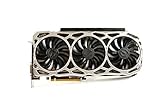
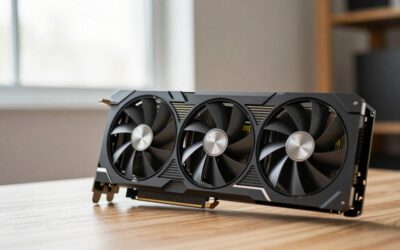
- Top Pick: EVGA GeForce GTX 1080 Ti SC Black Edition Gaming, 11GB GDDR5X, iCX Cooler & LED, Optimized Airflow Design, Interlaced Pin Fin Graphics Card 11G-P4-6393-KR (Renewed)
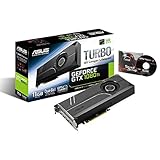
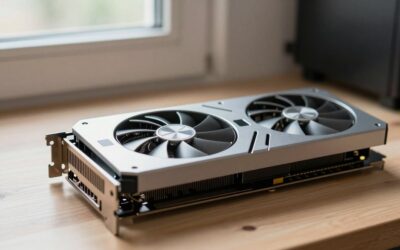
- Best Value: NVIDIA GEFORCE GTX 1080 Ti – FE Founders Edition (Renewed)
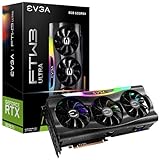
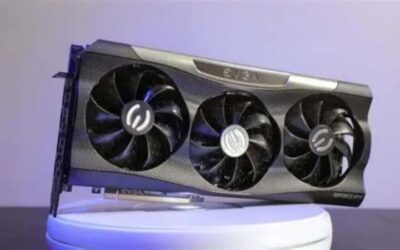
- Premium Choice: EVGA GeForce GTX 1080 Ti FTW3 Gaming, 11GB GDDR5X, iCX Technology – 9 Thermal Sensors & RGB LED G/P/M, 3X Async Fan Control, Optimized Airflow Design Graphics Card 11G-P4-6696-KR (Renewed)
RTX 5050 vs 1080 Ti is a classic new-versus-old showdown: a modern entry-level card against one of the most legendary flagships Nvidia ever made. The 1080 Ti earned a cult following for its raw power and generous memory, while the RTX 5050 brings modern features and efficiency at a budget price. The question is whether new technology beats old brute force. This comparison gives a clear verdict, a side-by-side spec table, a feature-by-feature breakdown and honest buying advice, so you can see which card actually makes sense for you in 2026. It is a genuinely close call in raw terms, which is what makes the decision interesting rather than obvious, and why the little differences end up carrying so much weight.

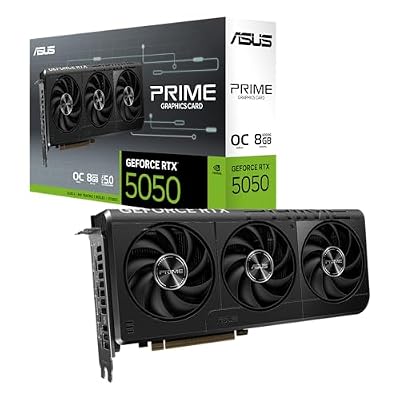
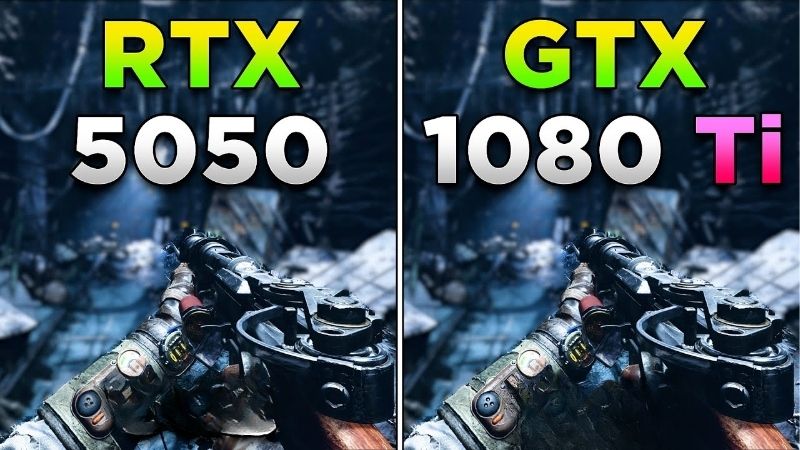
RTX 5050 vs 1080 Ti: Quick Verdict and Specs
For readers who want the answer fast, this section delivers the bottom line and the raw numbers together. These two cards come from completely different eras, so the comparison is less about which is objectively better and more about which set of trade-offs suits you, modern features and efficiency versus proven raw power and memory. Once you see where each leads, the choice becomes clearer.
As an Amazon Associate we earn from qualifying purchases at no extra cost to you.


The Quick Verdict
The RTX 5050 is the smarter buy for most people today, because it brings modern features the 1080 Ti simply cannot match, chiefly DLSS upscaling and ray tracing, plus far better efficiency. For anyone buying now, the modern card is the more sensible foundation. For a buyer starting fresh in 2026, building around modern features rather than raw legacy power simply makes more sense, since the software landscape increasingly rewards cards that support the latest technologies.
The GTX 1080 Ti still impresses with raw rasterized power and a generous 11GB of memory, and in pure brute-force terms it can trade blows with the newer card. But it is an old, power-hungry card with no modern features and no warranty when bought used.
In short: the RTX 5050 wins on features, efficiency and being new, while the 1080 Ti wins on raw memory and legend status, and for most buyers the modern card is the right call. That verdict is not a knock on the 1080 Ti, which remains genuinely impressive, but a recognition that buying new hardware today means buying into the features and support that define current gaming.
Comparison Table
Here are the core specifications side by side so the generational contrast is clear at a glance.
| Spec | RTX 5050 | GTX 1080 Ti |
|---|---|---|
| Generation | Modern entry-level | 2017 flagship |
| Memory | 8GB modern GDDR | 11GB GDDR5X |
| Upscaling | DLSS supported | None |
| Ray tracing | Supported | None |
| Power draw | Low and efficient | High, around 250 watts |
| Warranty | New, full warranty | None, used only |
The table shows the real story: the 1080 Ti leads on raw memory, but the RTX 5050 wins on every modern metric, from features to efficiency to buying it new with a warranty.
Price and Value in 2026
Value is where this matchup is really decided, and 2026’s market shapes it heavily. The RTX 5050 is sold new at an entry price, while the 1080 Ti exists only on the used market, where prices for this still-popular card have stayed surprisingly firm for its age. The 1080 Ti’s cult status keeps demand high on the used market, which cuts both ways for buyers: it speaks to how good the card was, but it also means the bargain you might expect from a card this old often does not materialise.
Component costs feed into both. Prices on PC parts have trended upward, with memory a particular pressure point, which keeps a floor under new card prices and props up desirable used cards like the 1080 Ti. There is cautious good news that prices have stopped climbing as steeply, but new supply from plants being built now only arrives around 2027 to 2028, so real relief is years away.
The practical effect is that the price gap between a new RTX 5050 and a used 1080 Ti is often smaller than you would expect, which strengthens the case for the new card, since paying similar money for old, warranty-free hardware is hard to justify when modern features are on the table. When the numbers are close, the tie-breakers, a warranty, lower running costs and features that keep improving, all fall on the side of the new card, which is why the price comparison matters so much here.
Deep Dive: Performance, Features and Efficiency
With the verdict and numbers set, this section compares the two cards on the criteria that shape real use rather than reviewing each in isolation. Looking at raw performance, features and efficiency in turn reveals exactly where the old flagship still holds up and where the modern card pulls decisively ahead. This is where the generational gap becomes concrete.
Raw Gaming Performance
In pure rasterized performance the two are closer than the years between them suggest, since the 1080 Ti was a genuine powerhouse that still holds up in raw terms. At native resolution without modern features, the old flagship can match or even edge the entry-level newcomer in some titles.
The RTX 5050, however, is no slouch and delivers strong 1080p performance, the resolution both cards suit best. For straightforward gaming without ray tracing, both provide a smooth experience, which is why the 1080 Ti retained its following for so long. That raw capability is genuinely why so many owners held onto the card for years, and it is the strongest argument for buying one today, provided you can find it cheaply enough to justify the compromises.
The gap widens once modern features enter the picture, because raw power alone is no longer the whole story in 2026, as the next section makes clear. It is precisely because both cards can post similar raw numbers that the feature comparison, rather than the frame-rate one, ends up deciding this matchup for the majority of buyers.
Features: DLSS and Ray Tracing Versus Raw Power
This is where the RTX 5050 pulls decisively ahead. It supports DLSS, Nvidia’s AI upscaling, which boosts frame rates in supported games while maintaining image quality, and it can do hardware ray tracing, neither of which the 1080 Ti can manage.
DLSS in particular changes the equation, letting the modern card punch above its raw weight in the growing number of games that support it. As more titles lean on upscaling to hit high frame rates, the 1080 Ti increasingly relies on brute force alone, which is a growing disadvantage. As upscaling becomes a standard expectation rather than a bonus, the absence of DLSS shifts from a minor gap to a meaningful limitation, which is worth weighing if you plan to keep the card for several years.
The forward-looking angle matters too: these features keep improving through software updates, so the RTX 5050 gains value over time in a way the feature-less 1080 Ti never will.
Power Efficiency and System Fit
Efficiency is a clear win for the modern card. The RTX 5050 draws far less power than the 1080 Ti, which ran hot and demanded around 250 watts, making the new card cheaper to run, cooler and easier to fit into modest systems. For many budget builders, that lower running cost and easier fit quietly tips the balance toward the modern card before raw performance even enters the conversation.
The 1080 Ti’s high power draw and large size mean it needs a stronger supply and good airflow, which can add hidden cost to a used purchase if your system is modest. The RTX 5050, by contrast, slots easily into most builds, which is a real practical advantage for budget buyers upgrading an older machine. For someone breathing new life into an ageing prebuilt with a modest power supply, that efficiency can be the deciding factor, since the 1080 Ti might demand a supply upgrade the RTX 5050 does not.
Verdict: Which Should You Buy
Bringing it together, the choice comes down to modern features and efficiency versus proven raw power, with value and warranty tilting the balance, and there is a sensible alternative if neither quite fits. This final section lays out the pros and cons, an alternative, and a plain recommendation for each type of buyer. By this point the pattern is clear, and the recommendation mostly comes down to whether you are buying fresh for the years ahead or squeezing value from proven older hardware.
The Alternative if Neither Fits
If the RTX 5050 feels a touch too entry-level but you want modern features, a slightly higher current mid-range card is worth considering, offering more performance and memory while keeping DLSS and ray tracing. It resolves the main compromise of the newer card at a modest extra cost. For buyers who find the entry-level card just short of their needs, that small step up often delivers the headroom that makes a purchase feel comfortably future-proof rather than merely adequate.
Equally, if you already own a 1080 Ti and it still runs your games well, there may be no need to change at all until it genuinely struggles. Once you have weighed the options, you can compare current prices on these cards through the links on this page and pick whichever lands best for your budget.
RTX 5050 vs 1080 Ti Pros and Cons
Here is the honest balance for each card, side by side, to anchor your decision.
| Pros | Cons | |
|---|---|---|
| RTX 5050 | DLSS, ray tracing, efficient, new with warranty | Only 8GB; entry-level raw power |
| GTX 1080 Ti | Strong raw power; 11GB memory | No modern features; power-hungry; used only |
Neither card is a bad choice, but they suit different priorities, and for a buyer purchasing today the modern card’s features and warranty usually win out. The exception is the buyer who prizes raw power and memory above all and can source the older card cheaply, but for the broad majority the modern option is simply the safer and more sensible choice.
See More:
Who Should Buy Which
Buy the RTX 5050 if you are purchasing now, want modern features like DLSS and ray tracing, value efficiency and a warranty, and game mainly at 1080p. For most new buyers, it is the sensible, future-friendly pick. It is the choice that will still make sense two or three game launches from now, which is exactly what you want from a card bought new today rather than one already behind the curve.
Stick with or buy a GTX 1080 Ti only if you can get it very cheaply, prize raw power and its 11GB memory, and do not care about ray tracing or upscaling. Once you know which fits, you can check current pricing on both through the links on this page and buy the one that matches your priorities.
To conclude, the RTX 5050 vs 1080 Ti battle is a fascinating clash of eras, and for most buyers in 2026 the modern card wins. The 1080 Ti remains a legend with impressive raw power and memory, but the RTX 5050’s DLSS, ray tracing, efficiency and warranty make it the smarter foundation for a new purchase, especially as the price gap between new and used narrows. Buy the 1080 Ti only if it is genuinely cheap and you value brute force; otherwise, the modern card is the better long-term choice. Time has been kind to the 1080 Ti’s reputation, but it has also moved the goalposts, and for most buyers in 2026 those goalposts now favour the newer card.
Frequently Asked Questions
Can a new RTX 5050 beat a GTX 1080 Ti in raw performance?
In pure rasterisation the two are surprisingly close, and the 1080 Ti can still edge ahead in some older titles thanks to its wide 352-bit bus and 484GB/s of bandwidth. Where the 5050 wins decisively is in modern engines using mesh shaders, ray tracing and DLSS, where the Pascal card has no hardware acceleration at all.
Is 11GB on the 1080 Ti better than 8GB on the RTX 5050?
Capacity wise yes, and it genuinely matters in texture heavy games at 1440p where the 5050 can run short. However the 1080 Ti cannot use DLSS to reduce its render resolution, so it needs that extra memory more. In practice the 5050 offsets the deficit with upscaling, but the 8GB buffer remains its weakest specification.
How different is power consumption between them?
Dramatically. The 1080 Ti carries a 250 watt board power rating and typically needs an 8-pin plus a 6-pin connector with a 600 watt supply. The RTX 5050 sits near 130 watts on a single 8-pin, so it runs cooler, quieter and cheaper to operate. Over years of use that gap alone can offset part of the purchase price.
What features does the 1080 Ti lack entirely?
It has no RT cores, no tensor cores and therefore no DLSS super resolution, ray reconstruction or frame generation. It also lacks AV1 encoding and decoding, which matters for modern streaming and video work, and it does not support the newest DirectX 12 Ultimate feature levels that a growing number of releases now require.
Should I buy a used 1080 Ti to save money?
Used examples are now eight to nine years old, often with degraded thermal paste and pads, no warranty, and an uncertain mining history. Pascal has also moved to legacy driver status with security fixes rather than game optimisations. Unless the price is very low, a new card with a warranty and current feature support is the safer purchase.


Write Your Review
No reviews yet. Be the first to share your experience!