
- Top Pick: GIGABYTE GeForce RTX 5070 Ti Gaming OC 16G Graphics Card, 16GB 256-bit GDDR7, PCIe 5.0, WINDFORCE Cooling System, GV-N507TGAMING OC-16GD Video Card
- Best Value: Geforce RTX 3080 Ti 12GB GDDR6X PCI Express 4.0 Graphics Card Titanium and Black (Renewed)
- Premium Choice: GIGABYTE GeForce RTX 5080 Gaming OC 16G Graphics Card, WINDFORCE Cooling System, 16GB 256-bit GDDR7, GV-N5080GAMING OC-16GD Video Card
Top Rtx 5080 Rtx 3080 Big Picks for 2026
Here are our current top rtx 5080 rtx 3080 big picks, compared on real Amazon owner reviews, price, and features. Live prices update below.


Save $210.02
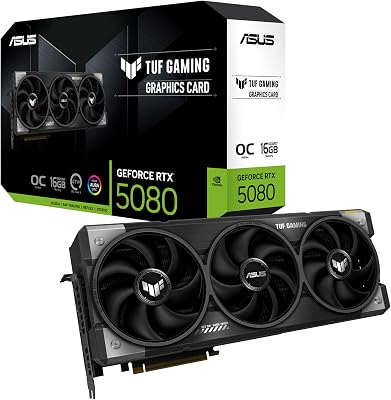


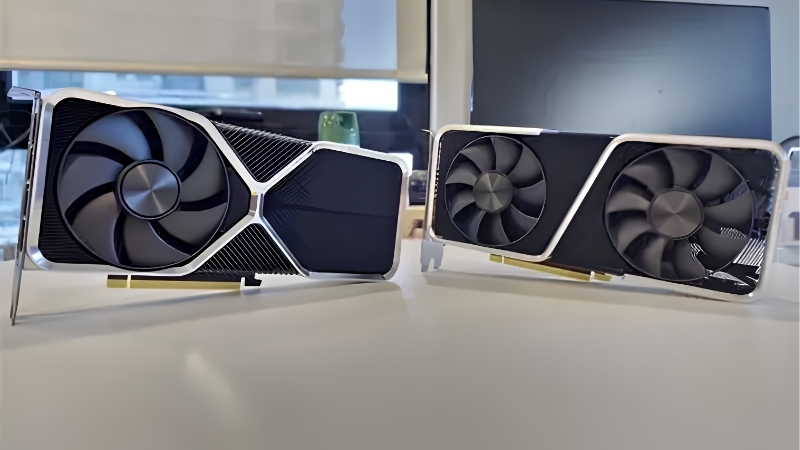
RTX 5080 vs RTX 3080 Ti measures exactly how much two generations of progress deliver at the high end, pitting Blackwell’s mainstream flagship against Ampere’s former champion. The 5080 brings 16 GB of GDDR7 and DLSS 4, while the 3080 Ti counters with a wide 384-bit bus and strong raster value on the used market. This 2026 comparison breaks down the specs, the real frame rates, the power and value picture, and whether upgrading from a 3080 Ti to a 5080 is worth it before component prices climb further.
As an Amazon Associate we earn from qualifying purchases at no extra cost to you.



Quick Verdict: RTX 5080 vs RTX 3080 Ti
Two generations apart, the 5080 wins on nearly every metric, so the real question is whether the jump justifies the cost for your use case. The fast answer, the spec sheet, and the honest pros and cons are below to help you decide before reading further.
The Fast Answer
The RTX 5080 is the clear winner, typically delivering 70 to 90 percent more performance than the 3080 Ti at 4K, with a larger 16 GB buffer and exclusive DLSS 4 Multi Frame Generation. For anyone chasing higher frame rates, 4K gaming, or modern features, it is a major step up.
The RTX 3080 Ti remains a competent 1440p card in 2026, but its 12 GB buffer and Ampere-era ray tracing are starting to show their age in the newest titles, especially with heavy effects enabled.
The short version for skimmers: if you own a 3080 Ti and game at 4K or want DLSS 4, the 5080 is a worthwhile upgrade; if you are content at 1440p, the jump is less urgent. Checking current 5080 pricing below is wise given the tightening market.
Specs Comparison
The generational gap shows most clearly in bandwidth, efficiency, and the move to GDDR7 and DLSS 4.
| Specification | RTX 5080 | RTX 3080 Ti |
|---|---|---|
| Architecture | Blackwell (GB203) | Ampere (GA102) |
| CUDA Cores | 10,752 | 10,240 |
| Memory | 16 GB GDDR7 | 12 GB GDDR6X |
| Memory Bus | 256-bit | 384-bit |
| Bandwidth | ~960 GB/s | ~912 GB/s |
| Board Power (TGP) | 360 W | 350 W |
| DLSS Support | DLSS 4 (Multi Frame Gen) | DLSS 2 (no Frame Gen) |
| Launch MSRP | $999 | $1,199 |
Pros and Cons of Each Card
The 5080 vs 3080 Ti trade-offs come down to modernity versus maturity. The 5080 brings architectural and feature advances the older card cannot match, while the 3080 Ti offers a known quantity at used-market prices.
RTX 5080 — Pros: 16 GB GDDR7, DLSS 4 Multi Frame Generation, far better efficiency per frame, confident 4K performance, PCIe 5.0. Cons: higher current price and exposure to steeper 2026 Blackwell price increases.
RTX 3080 Ti — Pros: still strong at 1440p, wide 384-bit bus, often available cheaper on the used market. Cons: only 12 GB VRAM, no Frame Generation, weaker ray tracing, higher relative power for its output.
It is worth noting that the 5080’s 16 GB buffer and modern feature set address the exact weaknesses that limit the 3080 Ti today, which is why the upgrade feels generational rather than incremental for buyers pushing 4K or ray tracing.
For skimmers, the short version is simple: the 5080 is the better card on essentially every metric except used-market price, so upgrade if you game at 4K or want DLSS 4, and keep the 3080 Ti only if 1440p at current settings already satisfies you. The decision is less about which is faster, the 5080 plainly is, and more about whether your resolution and ambitions justify the spend.
Deep Dive Face-Off: RTX 5080 vs RTX 3080 Ti
The headline numbers favour the 5080, but the everyday experience depends on how that gap translates across gaming, setup, and features. The face-off below compares the cards by the criteria that matter most to an upgrade decision.
It is worth setting expectations first: with two generations between them, the 5080 is expected to win clearly, so the criteria below focus less on whether it is faster and more on how large the gap is in each area and whether it justifies the upgrade for your resolution and budget. That framing is more useful than a simple verdict, since the answer depends heavily on how you play.
Gaming Performance and Benchmarks
At 1440p, the 3080 Ti still posts playable frame rates, but the 5080 roughly doubles them in demanding titles, leaving enormous headroom for high-refresh play. In a demanding AAA title the 3080 Ti often runs 70 to 95 FPS while the 5080 surges to 130 to 170 FPS.
At 4K, the difference is decisive. The 5080’s modern architecture and GDDR7 bandwidth keep frame rates high with ray tracing on, typically holding 80 to 105 FPS, while the 3080 Ti’s 12 GB buffer becomes a genuine bottleneck in texture-heavy games, dropping it into the 40 to 55 FPS range.
The analytical takeaway is that the 5080 is not just faster but a different tier of experience at 4K, where the 3080 Ti now struggles to maintain a consistent 60 FPS in the heaviest workloads. With DLSS 4 active, the gap widens further, since the 3080 Ti cannot use Frame Generation at all.
It helps to frame this as an upgrade rather than a close contest. A 3080 Ti owner moving to a 5080 is jumping two generations at once, which is why the performance leap is so large and why it feels transformative at 4K. For a 1440p player the difference is real but less urgent, since the 3080 Ti still delivers playable frame rates there; the 5080’s advantage is most worth paying for when you push 4K, ray tracing, or high-refresh play the older card cannot sustain.
Power, Efficiency, and Real-World Setup
On paper the power figures are similar, 360 W versus 350 W, but the efficiency gap is wide. The 5080 produces far more performance for nearly the same wattage, meaning more frames per watt and less heat per frame.
Practically, a system already running a 3080 Ti almost certainly has adequate power and cooling for a 5080, so the swap is usually a drop-in. The main items to verify are the physical length of modern 5080 partner cards against your case and the presence of the correct 12V power connector or adapter.
For owners upgrading in place, the transition is straightforward, but the newer card rewards good case airflow to keep its higher performance sustained and quiet over long sessions.
There is also a cost-of-ownership angle. Because the 5080 delivers vastly more performance for nearly identical power, its frames-per-watt efficiency is far better, meaning less wasted heat over years of use. An Ampere system already tuned around the 3080 Ti’s 350 W will handle the 5080 comfortably, so the upgrade rarely adds to running costs while substantially raising the experience.
Features and Future-Proofing
This is the most one-sided category. The 3080 Ti predates Frame Generation entirely, so it is limited to DLSS 2 super resolution, while the 5080 supports DLSS 4 with Multi Frame Generation, which can multiply frame rates in supported games well beyond what raw shaders allow.
The experimental angle worth testing is how that feature gap plays out as DLSS 4 adoption grows. A 5080 can reach frame counts the 3080 Ti cannot approach, and its 16 GB buffer leaves more room for high-resolution assets and local AI models, where the 3080 Ti’s 12 GB is increasingly tight.
For anyone keeping a card three or more years, the 5080’s modern feature set is a significant long-term advantage, while the 3080 Ti is reaching the end of its forward-looking relevance.
The encoder and AI side reinforce the gap. The 5080’s updated media engine benefits streamers and video creators, and its tensor throughput accelerates AI-assisted tools and local model inference that the 3080 Ti handles slowly if at all. For a machine that does more than game, the 5080’s modern feature set extends its useful life well beyond what the 3080 Ti can offer.
Pricing, Alternatives, and Final Recommendation
As with every GPU decision in 2026, the market context is as important as the spec sheet, since rising component costs and supply allocation directly affect when and what to buy.
How the 2026 Price Surge and H200 News Change the Math
GPU prices are rising in 2026 because of a memory shortage that has made GDDR and DRAM a dominant share of a card’s cost. Blackwell cards like the 5080 are reportedly seeing larger increases, around 15 to 23 percent, while supply remains tight and lead times stretch for months.
The H200 export approval adds to the pressure. With the U.S. clearing capped H200 shipments to China in January 2026, large volumes of advanced HBM3E memory are being directed to AI accelerators, squeezing the same supply chain that produces consumer GDDR7 and keeping current-generation cards scarce and firmly priced.
For the 5080 vs 3080 Ti decision, the takeaway is that the 5080 is unlikely to get cheaper soon, and the used 3080 Ti may stay propped up by overall market scarcity. If an upgrade is on your radar, acting while a 5080 is in stock near MSRP is the safer financial move.
The launch prices underline the point. The 3080 Ti debuted at $1,199 and the 5080 at $999, so the newer, far faster card actually undercut the older flagship’s original price. With the whole stack trending upward, that makes a near-MSRP 5080 look like strong value, while the used 3080 Ti’s price is held up more by scarcity than by merit, removing much of the incentive to wait.
The Alternative if Both Are Too Expensive
If the 5080 is beyond budget but you want a real upgrade over the 3080 Ti, the RTX 5070 Ti is the obvious alternative, offering 16 GB of GDDR7 and DLSS 4 at a lower price.
Buyers who simply want more VRAM than the 3080 Ti on a tighter budget might also consider a used RTX 4070 Ti Super, which adds a 16 GB buffer and Ada efficiency while staying cheaper than current Blackwell cards.
A third route suits patient shoppers: because new 5080 and used 3080 Ti prices move independently with supply, watching both and buying whichever offers clearer value protects you from overpaying in a volatile market.
Final Verdict: Who Should Buy Which
Keep or buy the RTX 3080 Ti if you game at 1440p, are happy with current frame rates, and do not need Frame Generation. It remains a serviceable card for mainstream gaming at a used-market price.
Buy the RTX 5080 if you game at 4K, want DLSS 4 Multi Frame Generation, or your 3080 Ti is bottlenecking the experience you want. The upgrade delivers a large, lasting performance and feature improvement that justifies the cost for the right user.
Once you have decided where you stand on the RTX 5080 vs RTX 3080 Ti question, check the latest price and availability below before the next round of increases.
See More:
- Graphics cards RTX 4090
- RTX 4070 Ti vs 5080
- 4090 vs 4070 Ti Super
- RTX 3080 Ti vs RTX 5080
- Nvidia RTX 4090 vs 5090
Conclusion
The RTX 5080 vs RTX 3080 Ti comparison shows just how much two generations deliver: the 3080 Ti is a fading 1440p performer, while the 5080 is a modern 4K card with DLSS 4 and a larger, faster memory pool. With the 2026 memory shortage and the H200 export shift keeping prices elevated, the practical path for anyone ready to upgrade is to secure a 5080 at today’s price rather than waiting for a discount the market is unlikely to deliver.
Frequently Asked Questions
What is the best rtx 5080 rtx 3080 ti in 2026?
The best rtx 5080 rtx 3080 ti depends on your budget and how you plan to use it. The options compared above are our top-rated picks based on real customer ratings, build quality, and overall value — start with the highest-rated model that fits your budget.
How much should I expect to spend on a rtx 5080 rtx 3080 ti?
Prices vary by brand and features. Budget options cover the essentials, while mid-range and premium models add durability, performance, and extra features. Compare the prices in the list above to find the best value for your needs.
What should I look for when buying a rtx 5080 rtx 3080 ti?
Focus on what matters most for your use case — build quality, compatibility, performance, warranty, and verified customer reviews. Every pick above is selected to balance these factors.
Are budget rtx 5080 rtx 3080 ti options worth it?
Yes. For most people a well-reviewed budget or mid-range rtx 5080 rtx 3080 ti delivers excellent value. You only need to spend more if you specifically require premium materials or top-tier performance.
How did we choose these rtx 5080 rtx 3080 ti picks?
We compare current Amazon ratings, review counts, key features, and price to surface the options with the best real-world value. The list is refreshed as ratings and availability change.





Write Your Review
No reviews yet. Be the first to share your experience!