
- Top Pick: ASUS ROG Strix G16 (2025) Gaming Laptop, 16” FHD+ 16:10 165Hz/3ms, NVIDIA® GeForce RTX™ 5060, Intel® Core™ i7 Processor 14650HX, 16GB DDR5, 1TB Gen 4 SSD, Wi-Fi 7, Windows 11 Home, G615JMR-AS74
- Best Value: Lenovo LOQ 15.6" IPS FHD 144Hz AMD Ryzen 7 250 NVIDIA GeForce RTX 5060 AI Gaming Laptop 16GB RAM 512GB Luna Grey
- Premium Choice: GIGABYTE – Gaming A16 Gaming Laptop – 165Hz 1920×1200 WUXGA – NVIDIA GeForce RTX 5060 – AMD Ryzen 7 260-1TB SSD with 16GB DDR5 RAM – Windows 11 Home AD Gaming A16 3VHK3US894SH
RTX 5060 laptop is Nvidia’s mainstream Blackwell GPU, and it carries a headline feature its Ada predecessor cannot match: DLSS 4 with Multi Frame Generation. With 3,328 CUDA cores, 8GB of GDDR7, and fifth-generation Tensor cores, it aims to redefine value for 1080p gamers. This review leans on early owner feedback and benchmark data to assess whether the upgrade is real or mostly software-driven.



What The Blackwell-Based RTX 5060 Laptop Offers
Blackwell is the story here, and the 5060’s specifications reveal where the generation’s gains come from. Examining the hardware separates genuine architectural progress from marketing, which is essential at this price point.
As an Amazon Associate we earn from qualifying purchases at no extra cost to you.





Core Specs And The GDDR7 Upgrade
The RTX 5060 laptop features 3,328 CUDA cores, 8GB of faster GDDR7 memory, and a TGP from 45W to 100W. The move to GDDR7 is the most consequential change, lifting memory bandwidth over the GDDR6 used in the 4060 and helping mitigate the persistent 8GB capacity question.
Fifth-generation Tensor cores and fourth-generation RT cores power DLSS 4, the headline addition. Multi Frame Generation can insert multiple AI frames between rendered ones, a capability exclusive to the 50 series.
1080p Benchmarks With DLSS 4
In raw rasterization, the RTX 5060 laptop posts a modest gain over the 4060, comfortably exceeding 100 FPS in esports titles and holding 60-plus FPS in AAA games at 1080p high. The transformation arrives with DLSS 4, where Multi Frame Generation can multiply frame rates dramatically in supported titles.
The nuance owners raise is latency. Multi Frame Generation boosts the frame counter impressively, but it introduces a responsiveness tradeoff that competitive players should weigh against the smoother visuals.
Thermals And Efficiency
Blackwell efficiency shines on this chip. With a maximum 100W draw, it runs cool and quiet even in slim chassis, and higher-TGP versions sustain clocks comfortably during extended sessions.
As with every mobile GPU, configuration matters: verify the rated wattage, since a 100W version meaningfully outperforms a power-limited 45W one. This remains the key pre-purchase check.
The Real-World RTX 5060 Laptop Experience
New-generation silicon still has to fit real routines, and daily ownership reveals how the 5060 behaves beyond benchmark charts. It is shaping up as the practical mainstream default for the Blackwell era.
Available Laptops And Recommended Pairings
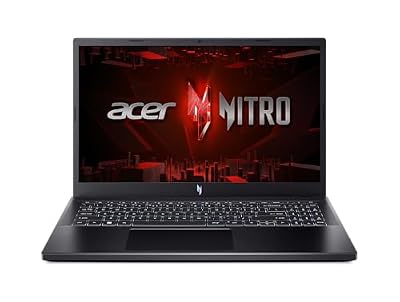
The 5060 is landing in refreshed mainstream lines like the Lenovo LOQ, Acer Nitro, and ASUS TUF, with configurations generally starting around $1,099 to $1,299. Broad availability keeps prices competitive, much like the 4060 before it.
Owners recommend a current Ryzen 7 or Core i7 and 16GB of RAM as a baseline, with 32GB advised for creators and heavy multitaskers. Balanced pairings let the GPU stretch its legs.
Battery Life And Daily Practicality
Strong efficiency translates into respectable endurance, with light-use battery life often reaching 6 to 8 hours thanks to Blackwell power management and Advanced Optimus. That makes it a practical everyday machine.
For students and hybrid users who game in the evening, the 5060 behaves like a normal ultrabook until you launch a title. That versatility is a real selling point.
Who Should Buy This GPU
The RTX 5060 laptop targets the 1080p high-refresh gamer who wants the latest features without a flagship budget. DLSS 4 access and GDDR7 make it a forward-looking mainstream pick.
Buyers chasing native 1440p or maxed ray tracing should look to the 5070 Ti or above, where extra cores and VRAM provide more durable headroom.
Pros, Cons And Buying In 2026
A new generation invites fresh value scrutiny. Weighing the 5060’s genuine advantages against its limits, and against today’s pricing, decides whether it is the right mainstream choice right now.
The Pros And Cons That Stand Out
The pros are clear: DLSS 4 with Multi Frame Generation, faster GDDR7 memory, excellent efficiency, and cool, quiet operation. Early owners praise the smoothness Multi Frame Generation brings to demanding single-player games.
The cons echo the previous generation. The 8GB VRAM remains the loudest complaint for a forward-looking chip, the raw rasterization gain over the 4060 is modest, and Multi Frame Generation’s latency tradeoff frustrates competitive players. The upgrade is real but partly software-led, which is the honest framing.
How Memory Prices Shape Timing
The pricing climate rewards decisiveness. Gaming laptops have kept trending more expensive under a tight memory supply, and that pressure reaches mainstream machines directly. The good news is the harsh late-2025 climb has cooled, with some makers reporting a window of relative stability, while still cautioning that prices may swing again.
Lasting relief is far off. Fresh DDR5 capacity is emerging from suppliers like CXMT, and Micron is building two plants in Idaho, but neither will ramp until 2027 to 2028. The practical reading is that prices have plateaued rather than fallen, so delaying an RTX 5060 laptop purchase through 2026 offers little benefit.
Future-Proofing With DLSS 4 And The Verdict
This is where Blackwell’s bet pays off. As more games adopt DLSS 4, the 5060’s effective performance should keep rising, giving it a software-driven longevity the 4060 cannot fully match. Each new integration widens its advantage.
If you want the newest features at a mainstream price, this GPU delivers. Ready to step into Blackwell while pricing holds steady? Compare current RTX 5060 laptop configurations through the links on this page and choose a higher-TGP, 16GB-RAM build.
Frequently Asked Questions
As Nvidia’s mainstream Blackwell chip, the RTX 5060 laptop prompts these frequent questions about its upgrades and value.
What is new about the RTX 5060 laptop versus the 4060?
The RTX 5060 laptop adopts the Blackwell architecture with faster GDDR7 memory and adds DLSS 4 Multi Frame Generation.
Raw core counts are similar, so the gains come mainly from memory bandwidth and the exclusive AI feature set.
Does the RTX 5060 laptop support DLSS 4?
Yes, the RTX 5060 laptop supports DLSS 4, including Multi Frame Generation that can produce several AI frames per rendered frame.
This is its standout advantage over the Ada-based 4060, lifting smoothness considerably in supported titles.
How much VRAM does the RTX 5060 laptop have?
It carries 8GB of GDDR7, matching the 4060’s capacity but with higher bandwidth.
The faster memory helps in texture-heavy scenes, though the 8GB ceiling remains the main long-term consideration.
Is the RTX 5060 laptop worth it in 2026?
For 1080p gamers who want the newest features and longer software support, it is a smart, future-ready pick.
Its DLSS 4 support gives it an edge in longevity over the older 4060 at a comparable tier.
Real-World Performance Expectations
Understanding what the RTX 5060 laptop delivers in practice shows how Blackwell modernizes the mainstream tier. This breakdown sets expectations across gaming and creative use.
Esports And High-Refresh 1080p
In competitive titles the 5060 pushes well beyond 200 frames per second at 1080p, fully exploiting high-refresh gaming panels. Its GDDR7 memory helps maintain consistency in busy scenes.
For esports players the card offers ample headroom, making it a strong match for fast 1080p displays.
AAA Gaming With DLSS 4
In demanding single-player titles, the 5060 targets a smooth 1080p experience at high settings, and DLSS 4 Multi Frame Generation extends that considerably in supported games. Ray tracing is feasible at 1080p with upscaling.
The exclusive DLSS 4 feature is the card’s defining advantage, lifting frame rates beyond what the older 4060 achieves with DLSS 3.
Creative Work And Future Optimization
For creators, the 5060’s Blackwell architecture and faster memory accelerate editing and GPU compute, suiting hobbyist and semi-professional projects at 1080p. The 8GB buffer fits these workloads well.
On the experimental front, the 5060 stands to gain the most from Nvidia’s newest driver optimizations and expanding DLSS 4 adoption, improving its longevity over time.
See More:
The Bottom Line
The RTX 5060 laptop modernizes the mainstream tier with DLSS 4, GDDR7 memory, and excellent efficiency, even if its raw gains over the 4060 are modest and the 8GB buffer persists. For 1080p gamers who want the latest software advantages at a sensible price, it is a compelling choice in 2026, especially while laptop prices remain flat rather than rising.




Write Your Review
No reviews yet. Be the first to share your experience!