
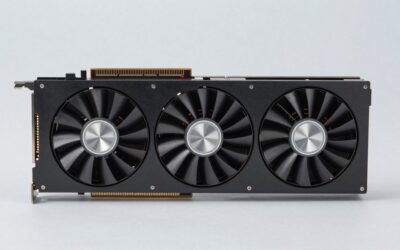
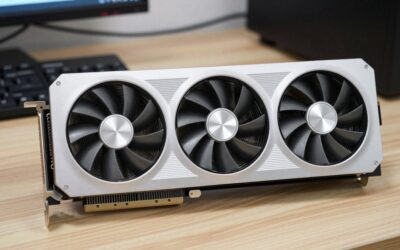
- Top Pick: ASRock Intel Arc B580 Steel Legend 12GB OC Graphics Card, 2800 MHz GPU Clock, 12GB GDDR6, DisplayPort 2.1, HDMI 2.1a, Triple Fan Cooling, Polychrome SYNC
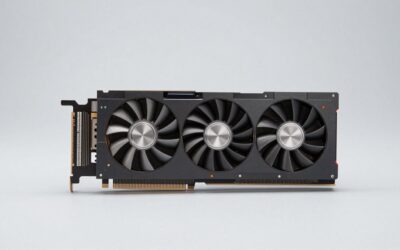
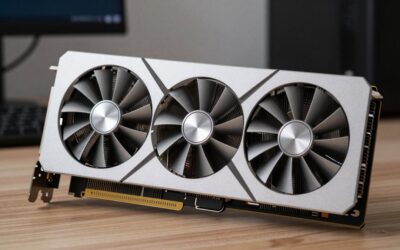
- Best Value: ASRock Intel Arc B580 Challenger 12GB OC Graphics Card, 2740 MHz GPU Clock, 12GB GDDR6, DisplayPort 2.1, HDMI 2.1a, Dual Fan Cooling, 0dB Silent Operation
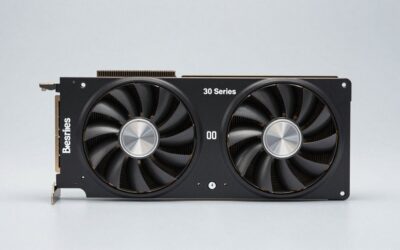
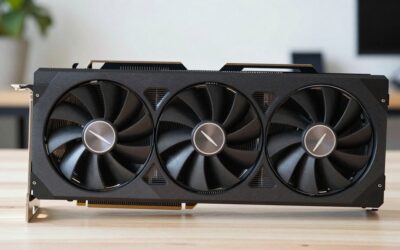
- Premium Choice: Sparkle Intel Arc B580 Titan OC, 12GB GDDR6, Torn Cooling 2.0, Axial Fan, Breathing Light, Metal Backplate, SB580T-12GOC

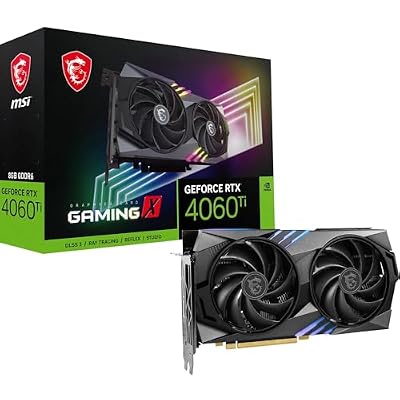


The RTX 4060 vs Arc B580 debate has become the defining budget GPU question of 2026, and for good reason. Intel’s Arc B580 undercuts NVIDIA on price while handing you more memory, yet the RTX 4060 answers with lower power draw, years of driver polish, and the DLSS features gamers rely on. Choosing wrong means either overpaying or living with quirks you did not expect. In this comparison we break down the raw specifications, real gaming performance at 1080p and 1440p, upscaling and driver maturity, power and compatibility, and honest price-to-value math. We also suggest a smart alternative and explain what today’s rising component prices mean for buying now. If you want the fast answer, start with the quick verdict below.
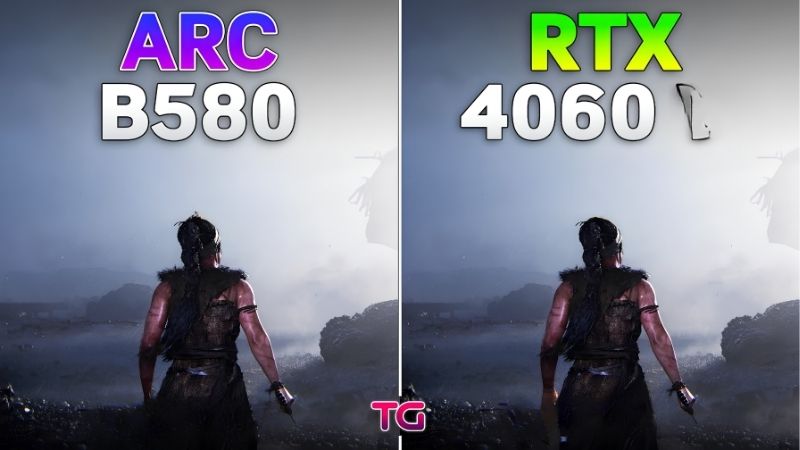
RTX 4060 vs Arc B580: The Quick Verdict
These two cards chase the same budget buyer from opposite directions. The Arc B580 leans on value and memory, while the RTX 4060 leans on efficiency and a mature ecosystem. The right pick depends on your resolution, your tolerance for occasional driver quirks, and how much you care about power and DLSS. Here is the short answer, then who each card actually suits.
As an Amazon Associate we earn from qualifying purchases at no extra cost to you.




The One-Line Answer for Busy Buyers
The Arc B580 usually wins on pure value, offering more VRAM and strong 1440p performance for less money. The RTX 4060 wins on efficiency, driver stability, and DLSS support.
So if you want the most raw performance per dollar and a bit of future headroom, the B580 is the value champion. If you want a quiet, low-power card that “just works” with the widest game support, the RTX 4060 is the safer choice. Both are capable 1080p cards; the gap opens up around memory and 1440p.
Who Should Pick the RTX 4060
Choose the RTX 4060 if you value low power draw, a compact and cool build, and the reassurance of NVIDIA’s long-refined drivers. It sips little electricity and fits almost any case or modest power supply.
It is also the better pick if you rely on DLSS in the games you play, or if you want a card that has been tested against thousands of titles over years. For plug-and-play simplicity at 1080p, the RTX 4060 remains hard to beat.
Who Should Pick the Arc B580
Choose the Arc B580 if you want the most performance for your money and plan to play at 1440p, where its extra memory and wider bus stretch its legs. The 12 GB frame buffer is a real advantage as modern games demand more VRAM.
It is the smart buy for value-focused builders who do not mind that Intel’s drivers, while vastly improved, are younger than NVIDIA’s. If your budget is tight and you want headroom, the B580 delivers more card for the price.
Specifications and Performance Face-Off
Specs explain why these cards trade blows. The RTX 4060 is a tightly efficient 1080p specialist, while the Arc B580 brings more memory and bandwidth to the fight, which is exactly what helps it punch above its price at higher resolutions. The numbers set the stage for the real gaming results.
Core Specs Side by Side
Here are the key specifications that shape real performance:
| Spec | RTX 4060 | Arc B580 |
|---|---|---|
| Architecture | Ada Lovelace | Battlemage |
| Memory | 8 GB GDDR6 | 12 GB GDDR6 |
| Memory bus | 128-bit | 192-bit |
| Typical power draw | ~115 W | ~190 W |
| Upscaling | DLSS + frame generation | XeSS |
| Best resolution | 1080p | 1080p / 1440p |
The story is in the memory. The B580’s 12 GB and wider 192-bit bus give it an edge in memory-hungry games, while the RTX 4060’s tiny 115 W draw is the efficiency headline.
Gaming Performance at 1080p and 1440p
At 1080p, the two cards are closely matched in many titles, and either delivers a smooth experience at high settings. The RTX 4060 sometimes edges ahead in older or lighter games, helped by its mature drivers and DLSS.
At 1440p, the picture shifts toward the B580. Its extra memory and bandwidth keep it steadier in demanding, texture-heavy games where the 8 GB RTX 4060 can start to stutter as its frame buffer fills. If you intend to game at 1440p, the B580’s headroom is a meaningful, measurable advantage rather than a spec-sheet footnote.
Esports and older titles are the exception. In competitive games that run on almost anything, both cards push very high framerates and the choice barely matters. It is the newest, most demanding single-player games at 1440p that expose the 8 GB limit, where textures and effects fill the frame buffer and the RTX 4060 must dial settings back sooner than the roomier B580.
Upscaling, Drivers, and NVIDIA’s AI Features
Upscaling is where NVIDIA’s software lead shows. DLSS is widely supported and its AI frame generation can lift smoothness in supported titles, letting the RTX 4060 feel faster than its raw numbers suggest. Intel’s XeSS has improved a great deal and looks good, but DLSS still enjoys broader game support.
Drivers are the other half of this story. NVIDIA’s are famously stable across a huge library, which matters if you play older or niche games. Intel has made enormous strides, and the modern Arc experience is far smoother than early Arc, yet occasional title-specific quirks can still appear. For buyers who value NVIDIA’s forward-looking AI upscaling and years of tuning, the RTX 4060 is the more predictable long-term companion.
There is a practical wrinkle worth flagging. Intel’s Arc cards benefit from Resizable BAR being enabled in your motherboard BIOS, and performance can suffer noticeably without it. On most modern systems this is a simple toggle, but on older boards it is one more thing to check. The RTX 4060 is less sensitive here, which reinforces its reputation as the fuss-free option for a first build.
Value, Power, and Real-World Fit
Beyond frames, the decision comes down to what you pay, what your system can handle, and how each card behaves day to day. This is where the B580’s value and the RTX 4060’s efficiency become concrete, and where the honest pros and cons emerge.
Price-to-Performance: What You Really Pay For
The Arc B580 typically launched around $249, undercutting the RTX 4060, which has generally sat a little higher. When you factor in the B580’s extra 4 GB of memory, its frames-per-dollar advantage is clear for value hunters.
The RTX 4060 asks you to pay a small premium for efficiency, driver maturity, and DLSS. Whether that premium is worth it depends on you. A power-conscious 1080p gamer may happily pay it; a value-focused 1440p builder will likely lean toward the B580. Measured purely in performance per dollar, the B580 is usually the stronger value.
Put the math simply. If the B580 costs less yet carries 50 percent more memory and matches or beats the RTX 4060 at 1440p, its value lead is not close for a pure gamer. The RTX 4060 only reclaims the argument when you weigh electricity, heat, noise, and DLSS support into the total cost of ownership over years, which is a real consideration for some buyers but not most.
Power Draw, PSU, and Case Compatibility
Practical fit favors the RTX 4060. At roughly 115 W, it runs cool and quiet and is happy on a modest 450 W to 550 W power supply, making it ideal for small cases and prebuilt upgrades where you do not want to swap the power unit.
The Arc B580 draws closer to 190 W, so it runs warmer and wants a bit more headroom, typically a 550 W to 600 W supply. It still fits most builds comfortably, but if you are upgrading an older prebuilt with a small power supply, check your wattage first. This is a real-world detail that catches budget builders off guard.
Cooling and case size matter too. The RTX 4060 is often a compact dual-fan card that fits tight builds and stays quiet, which is ideal for small-form-factor systems. The B580 runs a bit warmer and, depending on the model, can be a touch larger, so confirm both your power supply wattage and the physical clearance in your case before you buy. A returned card is a wasted week.
Pros and Cons of Each Card
Here is the honest balance sheet for this RTX 4060 vs Arc B580 decision:
| RTX 4060 | Arc B580 | |
|---|---|---|
| Pros | Very efficient; mature drivers; DLSS + frame gen; easy fit | More VRAM; strong 1440p value; wider bus; lower price |
| Cons | Only 8 GB; higher price per frame; narrow 128-bit bus | Higher power; younger drivers; occasional game quirks |
Notice the 8 GB warning on the RTX 4060. In newer games at higher settings, that limited memory is its main weakness, and it is exactly where the B580 answers back.
The Smart Alternative and What Today’s Prices Mean
Sometimes the best move is a slightly different card, or a well-timed purchase. If neither of these perfectly fits your needs, an alternative may, and today’s unusual market makes timing worth a serious thought before you buy.
A Third Option Worth Considering
If your budget can stretch a little, an RTX 4060 Ti 16 GB solves the memory problem while keeping NVIDIA’s ecosystem, and it is a natural step up for 1440p. On the value end, a used RTX 3060 12 GB can also be a bargain with plenty of VRAM, though you lose warranty and the newest features.
These options are worth pricing before you commit, because the right alternative can deliver the balance both cards here only partly offer. If one interests you, compare current prices on Amazon alongside the two cards in this matchup.
One more note for value hunters: the used market can undercut both new cards, but it comes without warranty and with unknown history. If you buy new, you get support and peace of mind, which for a first GPU is often worth the small premium over a gamble on a second-hand listing.
Should You Buy Now or Wait?
Timing is a fair question in 2026, because component prices have trended upward and the memory shortage behind that rise has not fully cleared. The cautiously good news is that prices have stopped climbing as steeply as they did in late 2025, and some hardware makers have reported a stretch of relative stability, while still warning that volatility remains.
New supply is coming. Chinese memory makers and new Micron fabs in Idaho are set to add capacity, but those plants are not expected to run until 2027 or 2028. In plain terms, prices have leveled off rather than dropped, and real relief is still years away. For a budget buyer who needs a card now, waiting is unlikely to save money in the near term.
Final Recommendation
Buy the Arc B580 if you want the best value and headroom for the money, especially at 1440p, and you are comfortable with Intel’s much-improved but younger drivers. Buy the RTX 4060 if you prize low power, cool and quiet operation, DLSS, and the reassurance of NVIDIA’s mature software.
For most value-focused 1440p builders, the B580 is the smarter buy, while the RTX 4060 remains the efficient, worry-free pick for 1080p gamers who want everything to simply work.
See More:
- Radeon drivers
- What is NVIDIA CUDA Toolkit
- 4080 Super vs 5060 Ti
- NVIDIA PhysX
- NVIDIA Game Ready Driver
Conclusion
The RTX 4060 vs Arc B580 choice is really a trade between value and memory on one side and efficiency and ecosystem on the other, and the winner depends on your resolution, power supply, and how much you lean on DLSS. The B580 offers more card per dollar and a bigger frame buffer; the RTX 4060 offers lower power, mature drivers, and NVIDIA’s AI upscaling. With prices only stabilizing rather than falling, there is little reason to wait if you are ready to build. Weigh your priorities, then check today’s prices to lock in the budget GPU that fits you best.
Frequently Asked Questions
Which card is faster in real games?
The Arc B580 generally leads at 1440p thanks to 12GB of VRAM on a 192-bit bus, while the RTX 4060 is more consistent at 1080p and in older DirectX 11 titles where Intel driver overhead shows. Results vary by game more than with most comparisons, so check your specific library.
How much does the VRAM difference matter?
Considerably. The 4060 has 8GB on a 128-bit bus, which is already tight at 1440p with ultra textures and ray tracing. The B580 twelve gigabytes gives real headroom and prevents the sudden frame time spikes that appear when a card exhausts memory and starts swapping over PCIe.
Do I need Resizable BAR for the Arc B580?
Yes, effectively. Intel Arc performance degrades sharply without Resizable BAR enabled, so your motherboard must support it and it must be turned on in BIOS along with Above 4G Decoding. That rules out many older platforms, whereas the 4060 works fine on almost anything.
Is CPU overhead a real problem with Arc?
It can be. Intel drivers place a higher load on the processor, so pairing a B580 with an older or low core count CPU can cost meaningful frames, particularly at 1080p. On a modern mid-range processor the effect largely disappears and the card performs as reviews suggest.
Which is better for streaming and creative work?
Both have strong hardware encoders. NVENC on the 4060 remains the most broadly supported option across streaming and editing software, and CUDA opens far more accelerated plugins. Intel AV1 encoding is excellent and QuickSync is superb for video work, but software support is narrower overall.

Write Your Review
No reviews yet. Be the first to share your experience!