


Prime
Editor's Pick
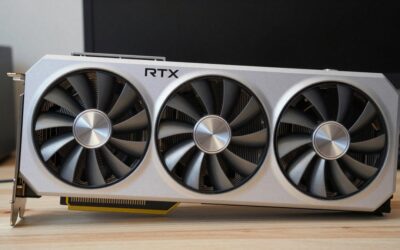
NVIDIA GeForce RTX 3060 Ti Founders Edition 8GB GDDR6 PCI Express 4.0 Graphics Card (Renewed)


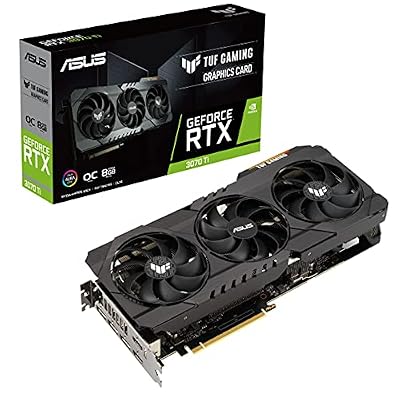
3060 Ti vs 5050 is a matchup that puts a proven older favorite against a brand-new entry-level card, and the answer is far less obvious than the newer name suggests. Plenty of gamers are sitting on an RTX 3060 Ti wondering whether the RTX 5050 is a real upgrade, while budget builders are asking which one to buy today. This comparison gives you a quick verdict, a full specs table, a feature-by-feature face-off, a sensible alternative, and a clear recommendation so you know exactly where your money goes furthest.
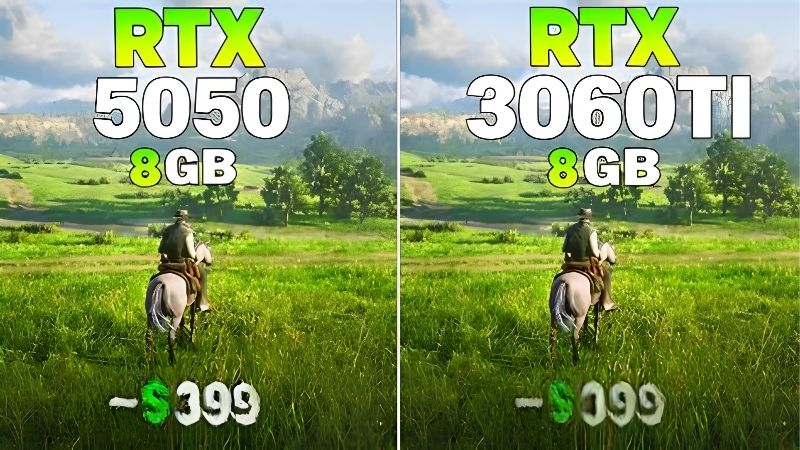
3060 Ti vs 5050: Quick Verdict and Specs
This pairing is unusual because it pits raw silicon from a strong older tier against a modern card built around newer features. The RTX 3060 Ti was a beloved 1080p and 1440p performer in its day, while the RTX 5050 brings Blackwell efficiency and DLSS 4 to the entry level. The sections below open with the bottom line, then show the numbers that explain it.
The Quick Verdict for Value Hunters
If you already own a 3060 Ti, the RTX 5050 is generally not a meaningful raw-performance upgrade, so hold on unless you specifically want DLSS 4 and lower power draw. Your card still has plenty of life left in it.
If you are buying fresh at the entry level, the RTX 5050 makes more sense than hunting for an aging 3060 Ti, thanks to its modern feature set, efficiency, and warranty. Short version: keep a 3060 Ti you already have, but pick the 5050 for a new budget build.
That two-track answer is the key to the whole comparison. The same two cards produce opposite recommendations depending on whether you are upgrading or building from scratch, so identify which situation you are in before weighing the details.
Full Comparison Table
The numbers tell a nuanced story, because the older card is no pushover. Read the power and upscaling rows closely, since that is where the generational gap really shows itself.
| Spec | RTX 3060 Ti | RTX 5050 |
|---|---|---|
| Architecture | Ampere | Blackwell |
| Memory | 8 GB GDDR6 | 8 GB GDDR6 |
| Memory bus | 256-bit | 128-bit |
| Board power | ~200 W | ~130 W |
| Upscaling | DLSS (no Frame Gen) | DLSS 4 + Multi Frame Gen |
| Launch era | 2020 | 2025 |
| Recommended PSU | 600 W | 550 W |
The memory rows look identical at 8 GB, but note the bus difference: the older card’s wider 256-bit interface gives it real bandwidth, which is a big reason a five-year-old design can still hang with a modern entry card in raw raster.
Price and Value Snapshot
The 3060 Ti is now a used-market card, so its price swings with availability and condition, while the 5050 sells new with a warranty at a set entry-level price. That difference shapes the value math as much as raw performance does.
A cheap used 3060 Ti can be a steal on pure frames, but you inherit an older card with unknown history and no support. A new 5050 costs more up front yet brings peace of mind and modern features, which is the trade-off value hunters have to weigh honestly.
Factor in electricity and heat, too. The 3060 Ti’s higher power draw adds a little to running costs and thermal load over years of use, which chips away at the savings of a cheap used unit if you game frequently.
Deep Dive Face-Off: Performance, Efficiency, and Features
Headline specs only hint at the outcome, so this section pits the two cards on what actually matters: rasterized performance, power efficiency and heat, and the software features that increasingly define a card’s real-world speed. The surprising theme is how competitive a five-year-old design remains in raw raster, and how decisively the newer card wins everywhere else.
Rasterization Performance Head-to-Head
In pure rasterization, the RTX 3060 Ti holds up remarkably well and can trade blows with, or even edge, the RTX 5050 in many titles thanks to its wider 256-bit bus and higher power budget. This is the detail that surprises people who assume newer always means faster.
The RTX 5050 closes the gap and pulls ahead once its modern features come into play, but on raw frames alone this is a genuinely close race. For a value hunter, that means the older card is not embarrassed by the new one in traditional benchmarks.
The lesson is to look past the model number. A newer, lower-tier card is not automatically an upgrade over an older, higher-tier one, and this pairing is a textbook example of why raw benchmarks still matter alongside feature lists.
For an existing 3060 Ti owner, this is the crux of the hold-or-upgrade question. If the newer card barely moves your frame rate in the games you actually play, spending money for a lateral move makes little sense, and the smarter path is to wait for a genuinely faster tier that delivers a real generational jump.
Efficiency, Heat, and Build Fit
Here the generational gap is stark. The RTX 5050 draws far less power, around 130 W versus roughly 200 W, which means less heat, quieter cooling, and compatibility with smaller power supplies and cases.
Practically, that makes the 5050 the friendlier card for compact builds, prebuilt upgrades, and anyone mindful of electricity and noise. If you are slotting a card into an older system with a modest PSU, the 5050’s efficiency can save you from a power-supply upgrade the 3060 Ti might demand.
This efficiency edge is easy to overlook on a spec sheet but obvious in daily use, showing up as a cooler, quieter machine. For small-form-factor and quiet-build fans, it can outweigh the raster parity entirely.
There is a real-world scenario where this decides everything: dropping a card into a compact prebuilt or an older machine with a small power supply. In that case the 3060 Ti’s higher draw may force a costly PSU upgrade, while the efficient 5050 slots in cleanly, flipping the total-cost math firmly toward the newer card.
DLSS 4 and the Feature Gap
Features are where the RTX 5050 wins decisively. It supports DLSS 4 with Multi Frame Generation, while the older 3060 Ti is limited to earlier DLSS without the latest frame-generation technology.
In supported games, DLSS 4 can lift the 5050’s effective smoothness well beyond what its raw silicon suggests, and that advantage grows as more titles adopt it. This is the forward-looking reason to favor the newer card even when raster performance is a wash.
Think of DLSS 4 as performance that arrives over time through software. As the library of supported games expands, the 5050’s real-world lead widens without any hardware change, which is a genuine argument for the newer card in a multi-year purchase.
It is worth being precise about what this does and does not fix, though. DLSS 4 lifts smoothness in supported titles, but it does not add raw rasterization muscle in games that lack it, so the 5050’s advantage is real but uneven across your library rather than universal.
The takeaway is to check whether the specific games you play support DLSS 4. If your favorites are on the list, the 5050’s edge is substantial; if they are older or unsupported titles, the two cards behave much more alike, and raw raster reclaims the spotlight in your decision.
Pricing Outlook, The Alternative, and Final Verdict
With performance and features weighed, the last decisions turn on market timing, budget, and whether you are upgrading or building new. The current component market matters here too, especially for anyone deciding between a used bargain and a new card at this value-focused tier.
Pricing Outlook in a Shaky Market
Timing is worth understanding before you buy either card. Component prices have been trending upward, driven largely by rising memory costs, and that pressure keeps new entry-level cards from getting cheaper as quickly as buyers would like.
The better news is that the sharp increases of late 2025 have leveled off, and some makers, including Framework, have reported a period of relative stability, while still cautioning that things could move again. The market has caught its breath rather than reversed course.
New supply is on the way but slowly, as OEMs can now tap DDR5 from Chinese suppliers such as CXMT and Micron builds two plants in Idaho, yet those come online around 2027-2028. For a buyer today, that means prices have paused rather than fallen.
The practical upshot is that waiting for a dramatic drop is a gamble against a market that may not cooperate. If a new 5050 or a trustworthy used 3060 Ti sits at a fair price and you need a card now, buying is the reasonable move.
One extra consideration for the used route: a secondhand 3060 Ti carries no warranty and an unknown history, so factor a little risk into that lower price. For some buyers the savings are worth it, while others will happily pay more for the new card’s support and peace of mind.
The Alternative If Neither Fits
If your budget can stretch a little, a modern midrange card one tier up delivers a clearly bigger jump than either of these and eases the 8 GB memory ceiling both share. It is the smarter buy for anyone who wants a real generational leap.
Pros of stepping up: more VRAM, meaningfully higher frames, and longer relevance before the next upgrade. Cons: a higher price that strains a tight budget and pushes past entry-level territory.
For pure value, though, a well-priced used 3060 Ti or a new 5050 on sale each remain reasonable entry points, so the step-up is a nice-to-have rather than a necessity for most budget gamers.
Set a firm budget before you shop, and let the live prices sort it out. If a step-up card is only slightly more than a new 5050 during a sale, it can be the smartest long-term buy; if the gap is large, one of these two entry cards keeps your build affordable without much compromise.
See More:
Final Verdict and Recommendation
Keep or buy the RTX 3060 Ti if you want maximum raw raster per dollar, already own one, or find a trustworthy used unit at a low price and do not care about DLSS 4. It still performs like the strong card it always was.
Buy the RTX 5050 for a new build where efficiency, warranty, and DLSS 4 matter, and you want a modern card that will age gracefully through software support. Whichever way you lean, prices shift constantly, so use the buttons on this page to check today’s listings before you decide.
Above all, match the card to your situation rather than the calendar: existing owners are usually best served by patience, while new builders benefit from the modern option.
If you fall between those cases, let your priorities decide: choose raw frames and lowest cost, and the 3060 Ti route wins; choose efficiency, features, and a warranty, and the 5050 is the pick. Either way you are getting a capable entry-level gaming card, so there is no wrong answer, only a better-matched one.
The 3060 Ti vs 5050 verdict is refreshingly clear once you separate the two buyers: existing 3060 Ti owners should usually hold, while new budget builders are better served by the modern, efficient 5050 with DLSS 4.
Either way, the 3060 Ti vs 5050 choice is less about raw frames than about efficiency, features, and whether you value a warranty. Check the latest prices on both and pick the one that fits your build and your budget.
Frequently Asked Questions
Which card is faster overall, the RTX 3060 Ti or the RTX 5050?
In pure rasterization they trade blows, with the 3060 Ti often ahead thanks to its wider 256-bit bus and 4864 CUDA cores. The 5050 closes the gap in ray traced and DLSS-heavy titles because Blackwell adds newer RT cores and supports DLSS 4 Multi Frame Generation, which the Ampere-based 3060 Ti cannot use.
Do both cards have the same amount of VRAM?
Yes, both ship with 8GB. The difference is the memory system: the 3060 Ti uses a 256-bit GDDR6 bus with higher raw bandwidth, while the 5050 uses a narrower 128-bit bus paired with a larger L2 cache. At 1080p that is rarely limiting, but at 1440p with ultra textures both cards can run short of memory.
Which one is easier to power and fit?
The RTX 5050 is the friendlier build. It draws roughly 130W and typically needs a single 8-pin connector with a 550W supply, and most models are compact dual-fan cards. The 3060 Ti pulls around 200W and asks for a 600W to 650W PSU, so it generates more heat in small cases.
Is a used 3060 Ti a better buy than a new 5050?
A cheap used 3060 Ti offers strong raster value, but you inherit unknown mining or thermal history and no warranty. The new 5050 brings a warranty, lower power draw, AV1 encode, and access to DLSS 4 feature updates. If prices are close, the newer card is the safer long-term pick.
Will either card handle 1440p gaming?
Both are fundamentally 1080p cards. At 1440p you can play most titles by dropping to high or medium presets and enabling DLSS Quality, but 8GB of VRAM becomes the bottleneck in texture-heavy games. For a native 1440p high-refresh setup, step up to a 12GB or 16GB class GPU instead.

Write Your Review
No reviews yet. Be the first to share your experience!