
Top Nvidia Rtx 3060 Still Worth Picks for 2026
Here are our current top nvidia rtx 3060 still worth picks, compared on real Amazon owner reviews, price, and features. Live prices update below.

GIGABYTE GeForce RTX 3060 Gaming OC 12G (REV2.0) Graphics Card, 3X WINDFORCE Fans, 12GB 192-bit GDDR6, GV-N3060 Video Card


The nvidia rtx 3060 ti is one of the most beloved graphics cards of the past decade, and in 2026 it occupies a fascinating position: officially two generations old, long out of production, yet still trading actively on Amazon’s renewed and used listings because its performance has aged remarkably well. Launched in December 2020 at $399, it delivered RTX 2080 Super-class power for hundreds less, and millions of gamers built systems around it. This review examines what the card realistically delivers in 2026 games, what current pricing looks like, what long-term owners and recent used buyers report, and — honestly — who should still buy one versus who should put the same money toward a modern alternative.
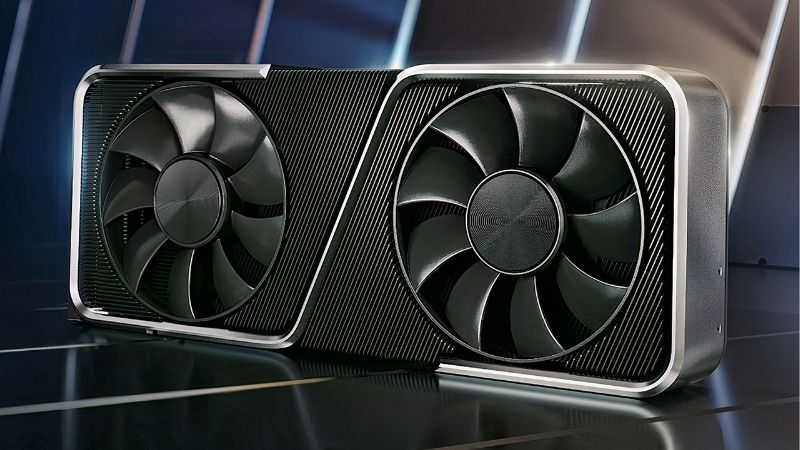
RTX 3060 Ti Specs and Where It Stands in 2026
On paper, the RTX 3060 Ti remains a serious piece of silicon: the Ampere GA104 die with 4,864 CUDA cores, 8GB of GDDR6 on a 256-bit bus delivering 448GB/s of bandwidth, and a 200W TGP. Those numbers explain its longevity — the wide memory bus in particular gives it more real-world muscle than its budget positioning suggested. The question is how that aging spec sheet maps onto modern games, modern prices, and the modern used market.
The Numbers That Still Matter
Bandwidth is the headline. At 448GB/s, the 3060 Ti actually out-muscles several newer budget cards — the RTX 4060 manages only 272GB/s from its narrow 128-bit bus — which is why the older card still wins certain raw rasterization scenarios at 1080p and 1440p. CUDA core count and clock speeds put it within 10–15% of an RTX 4060 Ti in many traditional workloads.
The hard limits are equally numerical: 8GB of VRAM, no DLSS Frame Generation (Ampere supports DLSS upscaling only), no AV1 encoding, and a 200W draw that is nearly double what equivalent modern cards consume. Every buying decision about this GPU in 2026 is a trade between those two columns.
Performance in 2026 Games: 1080p and 1440p Reality
At 1080p, the 3060 Ti still delivers 60–90 fps on high settings in most current AAA releases and 144 fps+ in esports titles like Valorant, CS2, Rocket League, and Fortnite. DLSS Quality mode adds 20–30% headroom in supported games, keeping even demanding 2025–2026 releases comfortably playable.
At 1440p, it remains a medium-to-high settings card: typically 45–70 fps in heavy titles with DLSS enabled, and excellent frame rates in lighter games. The 8GB buffer is the recurring ceiling — maxed texture packs in recent releases trigger stutter, and dropping textures one notch restores smooth frame times almost every time.
Ray tracing is technically supported but realistically a 1080p-with-DLSS affair on second-generation RT cores. Treat RT as a bonus toggle for lighter implementations, not a core feature, and the card will not disappoint you.
Driver support deserves its own line in the analysis. Nvidia continues shipping Game Ready drivers for Ampere through 2026, meaning new releases still get day-one optimization — a quiet but significant advantage over older architectures that have aged out of active tuning. Combined with DLSS support that game developers integrate by default, the software floor under this card remains solid for at least another two to three years of mainstream releases.
Current Pricing: What a Fair Deal Looks Like
New-old-stock units have mostly vanished, so the market is used and renewed listings, typically running $150–$220 depending on model and condition. The analytical fair-value line sits around $160–$180 for a clean dual- or triple-fan unit from ASUS, MSI, EVGA, or Gigabyte.
Above $220, the math collapses: a new RTX 4060 with warranty, DLSS 3 Frame Generation, and 115W power draw costs only modestly more, and a used 3060 Ti at that price has no answer for it. Below $150, the 3060 Ti becomes one of the best frames-per-dollar purchases in all of PC gaming — if you accept the used-market risks covered below.
What Owners Say: Strengths, Complaints, and the Honest Verdict
Five years of ownership reports give this card one of the richest review datasets of any GPU, and the pattern across thousands of Amazon reviews is unusually consistent. Synthesizing both the 4–5 star praise and the 2–3 star complaints reveals exactly what buying one in 2026 actually feels like — and produces a clear pros-and-cons ledger.
The 5-Star Pattern: Why People Still Love It
Long-term owners overwhelmingly cite reliability — the card simply runs, year after year, with many reviews updated in 2025–2026 to confirm the unit is still going strong. Upgraders from GTX 1060/1070-class hardware describe a transformative 2x-plus performance jump, and 1080p players repeatedly use the phrase “everything I need” in recent reviews.
Recent used-market buyers add a second theme: value shock. Getting 1440p-capable performance for the price of a console accessory consistently earns five stars, especially from budget builders and parents assembling a first gaming PC for a teenager.
The 2-3 Star Pattern: Where It Falls Short
The critical reviews cluster around three issues. First and most common: VRAM frustration from buyers who play modern AAA titles with maxed textures and meet stutter the spec sheet predicted. Second: used units arriving with tired thermal paste or loud fans, requiring a $10 repaste to restore launch-day thermals — a fixable but annoying surprise.
Third: a minority bought during price spikes at $250+ and rated the value harshly, correctly. Almost no complaints concern outright failure; Ampere’s reliability record remains excellent, which is precisely why the used market for this card stays liquid in 2026.
Model choice matters more on used cards than new ones. Buyer reports consistently favor the larger dual- and triple-fan designs — ASUS TUF, MSI Gaming X, EVGA FTW3 — whose cooling overhead means even a hard-used unit likely lived below thermal stress. Compact single-fan and blower variants ran hotter from day one and account for a disproportionate share of the noise and repaste complaints, so on the used market the $15–$20 premium for a premium cooler is the cheapest insurance available.
Pros and Cons of the RTX 3060 Ti in 2026
Pros: outstanding frames-per-dollar under $180; wide 256-bit bus still outperforms newer budget cards in raw raster; DLSS upscaling support across a huge library; proven five-year reliability record; abundant used supply makes price negotiation easy; handles 1080p high settings in virtually everything.
Cons: 8GB VRAM is a genuine ceiling for 2026 AAA titles at high textures; no Frame Generation, no AV1 encode, no DLSS 4 features; 200W draw demands a solid 550–600W PSU and produces real heat in small cases; used units carry unknown history and no warranty; resale value will keep declining as 50-series budget cards spread.
Market Forces 2026: Why Old GPUs Are Not Getting Cheaper
Normally a five-year-old GPU would be in free fall toward irrelevance pricing. Two current market stories explain why the RTX 3060 Ti is not: the United States approving Nvidia’s H200 AI chip exports to China, and the sustained rise in laptop and PC component prices. Understanding both tells you whether to buy now or wait — and for this card, the answer is unusually clear.
The H200 Export Effect Reaches the Used Market
The H200 is one of Nvidia’s most powerful AI accelerators, and opening Chinese sales adds enormous demand for leading-edge wafers and memory. That demand pulls manufacturing capacity away from new consumer GPUs, tightening supply and lifting street prices of current-generation cards above MSRP.
Here is the chain reaction that matters for a 3060 Ti shopper: when new budget cards get scarcer and pricier, demand flows backward into the used market, and used prices firm up instead of falling. Tracking data through 2025–2026 shows exactly this — the 3060 Ti’s used price curve flattened noticeably after AI demand surged.
The same logic applies in reverse for sellers: if you already own a 3060 Ti and plan to upgrade, the current firm pricing makes 2026 an unusually good moment to resell it and offset a new card — a small silver lining inside an inflationary market.
Component Inflation Props Up Old Hardware
Memory and component contract prices have climbed for consecutive quarters, and laptop retail prices have already followed. Every dollar added to a new graphics card’s bill of materials raises the price umbrella under which used hardware trades — a used card’s value is always anchored to what the new alternative costs.
Practically: the $150 fire-sale 3060 Ti that seemed inevitable a year ago keeps not arriving. If anything, clean units have crept from the $150s toward the $180s as new-card prices rose.
Buy Now or Skip Entirely — Not Wait
The strategic conclusion is binary. If the 3060 Ti’s profile fits you — 1080p gaming, tight budget, tolerance for used hardware — current pricing is rational and unlikely to improve, so buy when a clean unit hits $160–$180 rather than waiting for a discount era the supply chain no longer supports.
If the 8GB ceiling or warranty risk bothers you, do not wait for this card to get cheaper — skip it and put $299 toward a new-generation budget card instead. Check current 3060 Ti listings on Amazon against that fair-value line, and let today’s real numbers make the call.
See More:
Conclusion
The nvidia rtx 3060 ti earns a respectful verdict in 2026: it is no longer a card you build dreams around, but at $160–$180 it remains one of the smartest pure-value purchases in PC gaming — a reliable, well-documented 1080p powerhouse with honest 1440p capability and DLSS support that keeps it relevant. Its 8GB buffer and missing modern features define its ceiling, and the H200-driven supply squeeze plus rising component costs mean its price floor is firmer than anyone expected. If the value profile fits your build, grab a clean unit while fair listings last — tap through to check today’s RTX 3060 Ti prices on Amazon and see if the math works for you.
Frequently Asked Questions
What is the best nvidia rtx 3060 ti in 2026?
The best nvidia rtx 3060 ti depends on your budget and how you plan to use it. The options compared above are our top-rated picks based on real customer ratings, build quality, and overall value — start with the highest-rated model that fits your budget.
How much should I expect to spend on a nvidia rtx 3060 ti?
Prices vary by brand and features. Budget options cover the essentials, while mid-range and premium models add durability, performance, and extra features. Compare the prices in the list above to find the best value for your needs.
What should I look for when buying a nvidia rtx 3060 ti?
Focus on what matters most for your use case — build quality, compatibility, performance, warranty, and verified customer reviews. Every pick above is selected to balance these factors.
Are budget nvidia rtx 3060 ti options worth it?
Yes. For most people a well-reviewed budget or mid-range nvidia rtx 3060 ti delivers excellent value. You only need to spend more if you specifically require premium materials or top-tier performance.
How did we choose these nvidia rtx 3060 ti picks?
We compare current Amazon ratings, review counts, key features, and price to surface the options with the best real-world value. The list is refreshed as ratings and availability change.
Top picks from this guide
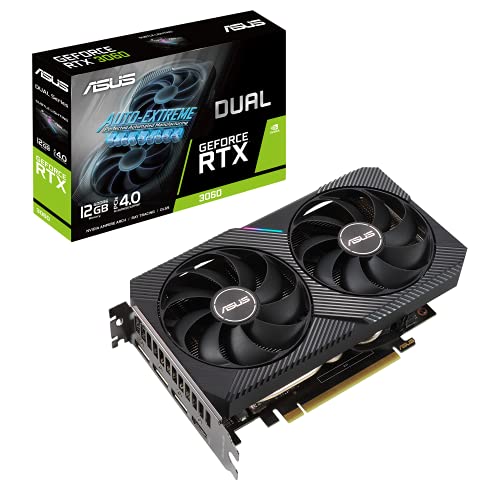 ASUSASUS NVIDIA GeForce RTX 3060 Graphic Card - 12 GB…$355 \xc2\xb7 99/100GIGABYTE GeForce RTX 3060 Gaming OC 12G (REV2.0) Graphics Card,…$470 \xc2\xb7 98/100
 Amazon RenewedASUS Phoenix NVIDIA GeForce RTX 3060 V2 Gaming Graphics Card-…$385 \xc2\xb7 98/100
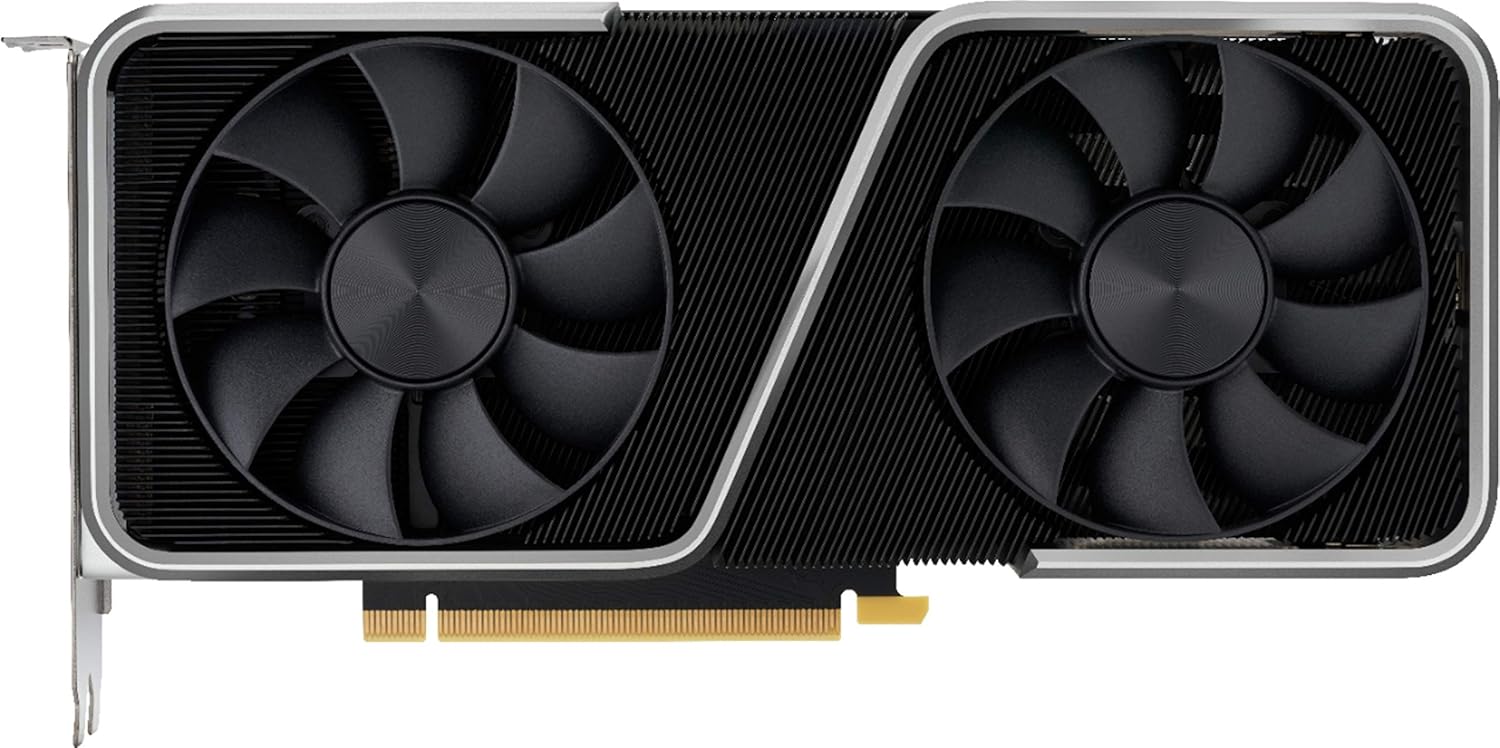 Amazon RenewedNVIDIA GeForce RTX 3060 Ti Founders Edition 8GB GDDR6 PCI…$350 \xc2\xb7 97/100

Write Your Review
No reviews yet. Be the first to share your experience!